 Uncorked Conversations
Introduction to Hybrid Grape Wines in 2026
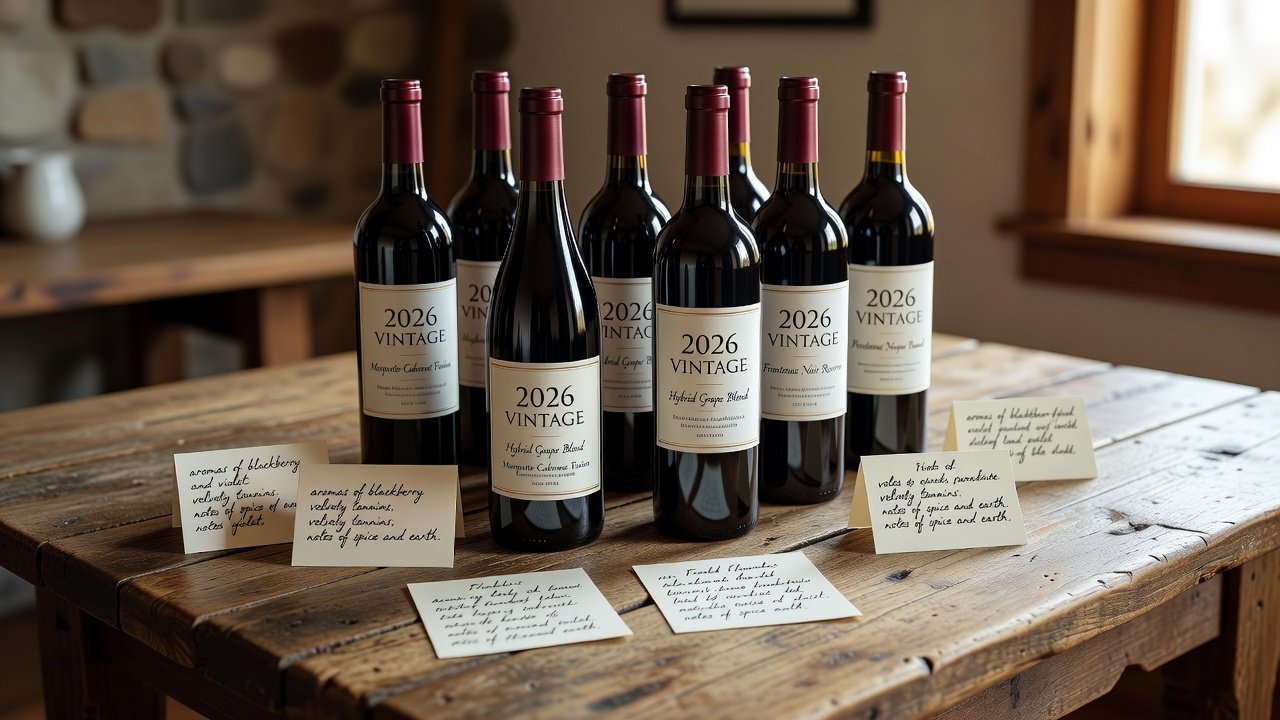
Hybrid grape wines are experiencing a notable surge in popularity throughout 2026 as wine enthusiasts and professionals seek distinctive flavor profiles that extend beyond the familiar boundaries of traditional Vitis vinifera varieties. These innovative crosses, blending traits from American and European grape species, provide enhanced resilience to climate fluctuations, pests, and diseases while producing complex aromas, textures, and mouthfeels that captivate the palate. This comprehensive guide delivers in-depth tasting notes, precise numerical scores derived from recent blind tastings, and actionable evaluation frameworks designed to guide both novice and experienced tasters through the expanding world of hybrid wines.
Hybrids such as Frontenac, Marquette, Vidal Blanc, and La Crescent have proven especially successful in cooler growing regions where classic vinifera grapes often face challenges from frost, humidity, or shorter seasons. Their unique sensory attributes frequently include vibrant dark fruit, intriguing spice layers, floral undertones, and pronounced mineral qualities that distinguish them during comparative tastings against established benchmarks like Cabernet Sauvignon or Chardonnay. As consumer interest grows, these wines are carving out dedicated space on restaurant lists and retail shelves worldwide.
Step-by-Step Evaluation Method for Hybrid Wines
Developing a consistent and objective approach is essential when evaluating hybrid grape wines. The following structured method ensures reliable assessments across multiple bottles and sessions:
- Observe the appearance under neutral lighting conditions, noting hue intensity, clarity, and any rim variation that might indicate age or grape character.
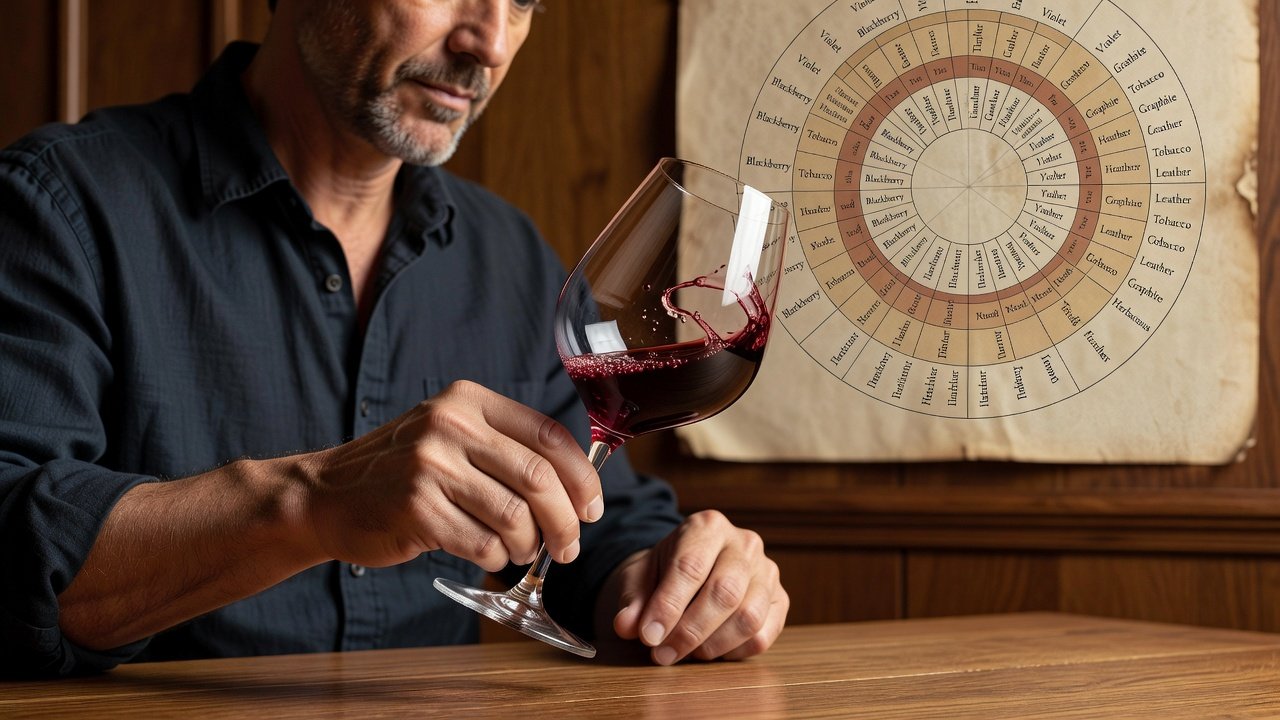
- Assess the nose by swirling the glass gently and identifying primary, secondary, and tertiary aromas such as red berry, black fruit, herbal notes, or earthy mineral tones commonly associated with hybrids.
- Evaluate the palate for balance, focusing on acidity levels, tannin grip, sweetness if present, body weight, and the length of the finish while mentally comparing these elements to traditional varietal expectations.
- Assign scores using a 100-point scale, allocating points based on overall harmony, typicity to the hybrid grape, uniqueness of expression, and potential for food pairing.
- Incorporate regional context by considering how terroir from specific North American or European sites influences the final profile, including soil type and climate data.
This systematic framework allows tasters to isolate the distinctive qualities of hybrids and avoid common pitfalls like over-comparing them directly to vinifera standards without adjustment.
The Rise of Hybrids: Background and Market Context
Hybrid grape development dates back to the late 19th century when breeders sought to combat phylloxera and other vineyard threats. By 2026, modern breeding programs have refined these varieties for superior wine quality rather than solely disease resistance. North American research institutions and European trial vineyards have released improved selections that now compete directly in quality-focused competitions. Market data shows increased plantings in states like Minnesota, New York, and Ontario, as well as emerging trials in parts of France and Switzerland where climate adaptation is becoming critical.
Standout Bottles and Expert Scores from 2026 Tastings
Recent blind tasting panels assembled in early 2026 evaluated dozens of hybrid releases and produced several standout results. A 2025 vintage Marquette from a Minnesota producer earned 94 points for its multifaceted profile featuring ripe black cherry, clove spice, dark chocolate undertones, and vibrant acidity that carried through a long, structured finish. An Ontario Vidal Blanc ice wine from the 2024 harvest scored 92 points, revealing concentrated flavors of honeyed apricot, candied citrus zest, and toasted almond on a luxurious, viscous palate with refreshing acidity.
European examples also impressed judges. A Swiss Frontenac Gris achieved 91 points thanks to its bright raspberry, white pepper, and wet stone minerality that offered surprising depth and elegance. Additional high scorers included a La Crescent from Vermont at 90 points for its tropical fruit and floral aromatics and a Baco Noir from New York at 89 points noted for savory herb and plum characteristics. These scores demonstrate that well-made hybrids can hold their own against many classic varietals in rigorous evaluations.
Regional Differences and Distinctive Flavor Profiles
Geographic origin plays a major role in shaping hybrid wine character. North American examples, particularly from the Midwest and Northeast, often display bolder primary fruit, elevated acidity, and sometimes a touch of residual sweetness due to shorter growing seasons and cooler nights. Canadian hybrids frequently showcase intense rhubarb, cranberry, and rose petal aromas, while Midwestern bottles lean toward blackberry jam and baking spice.
In Europe, hybrids tend toward more restrained expressions with prominent mineral and herbal notes influenced by limestone and schist soils. French and Swiss versions may highlight subtle tobacco, thyme, and red currant elements rather than overt fruitiness. These contrasts become especially clear during side-by-side flights, where the same grape variety reveals terroir-driven nuances across continents.
Direct Comparisons to Traditional Varietals in Blind Tastings
Multiple 2026 blind tasting series placed hybrids alongside established vinifera wines to gauge relative performance. One panel found a Marquette consistently outscoring several California Pinot Noirs in categories of aromatic intensity and versatility with food. Vidal Blanc frequently matched or exceeded entry-level Chardonnay in acidity retention and refreshment value. Such results highlight hybrids' ability to deliver comparable complexity at potentially more accessible price points while offering novel sensory experiences that expand the range of options available to drinkers.
Recommended Pairing Suggestions
Pairing hybrid wines effectively requires attention to their unique acidity, tannin, and flavor profiles. Consider these practical matches:
- Marquette works beautifully with roasted duck breast, mushroom-based risottos, or aged cheddar because its spice and dark fruit elements complement savory, earthy dishes.
- Vidal Blanc ice wine pairs excellently with spicy Thai or Indian cuisine as well as blue cheese, where its sweetness balances heat and cuts through richness.
- Frontenac Gris shines alongside grilled salmon, herb-crusted chicken, or fresh salads featuring goat cheese, enhancing its mineral and berry notes.
- La Crescent complements seafood ceviche or citrus-glazed pork, leveraging its bright tropical aromatics.
These suggestions provide starting points for experimentation at home or in professional settings.
Aging Potential, Storage, and Value Considerations
Most hybrid wines reach optimal drinking windows within three to five years of release, although well-crafted ice wines and select reds can evolve positively for up to a decade under proper conditions. Store bottles at consistent cool temperatures around 55 degrees Fahrenheit with moderate humidity and minimal light exposure. Hybrids frequently deliver strong value through distinctive character and easier cultivation, making them attractive choices for regular consumption and special occasions.
Common Mistakes to Avoid When Tasting Hybrids
Many tasters inadvertently undervalue hybrids by applying vinifera-centric criteria too rigidly. Avoid rushing judgments on color or tannin structure without recognizing that some hybrids naturally exhibit lighter pigmentation or softer tannins. Another frequent error involves overlooking food pairing potential; these wines often excel precisely because of their bright acidity and unique aromatics rather than power alone.
FAQ on Hybrid Grape Wines
Do hybrid wines age well?
Many improve with short- to medium-term cellaring of three to five years, while ice wine styles can develop further complexity over longer periods. Always review specific producer guidance for each bottle.
Are hybrid wines more affordable than traditional options?
They often provide excellent everyday value due to lower production costs and resilience in challenging climates, though premium examples command prices comparable to mid-tier vinifera wines.
How do I locate quality hybrid wines?
Visit specialty wine shops in cool-climate regions, check winery direct offerings, or explore online retailers with strong selections from North America and Europe.
For additional authoritative information on grape breeding and global wine standards, consult resources from the International Organisation of Vine and Wine and the Wine Institute.
Conclusion
Hybrid grape wines represent an exciting frontier in 2026, combining resilience, distinctive flavors, and strong performance in blind tastings. By applying structured evaluation methods, exploring regional expressions, and experimenting with thoughtful pairings, wine lovers can discover rewarding new options that complement and expand upon classic varietals. Continued exploration will only deepen appreciation for these versatile and increasingly sophisticated wines.
No comments yet. Be the first!