 Uncorked Conversations
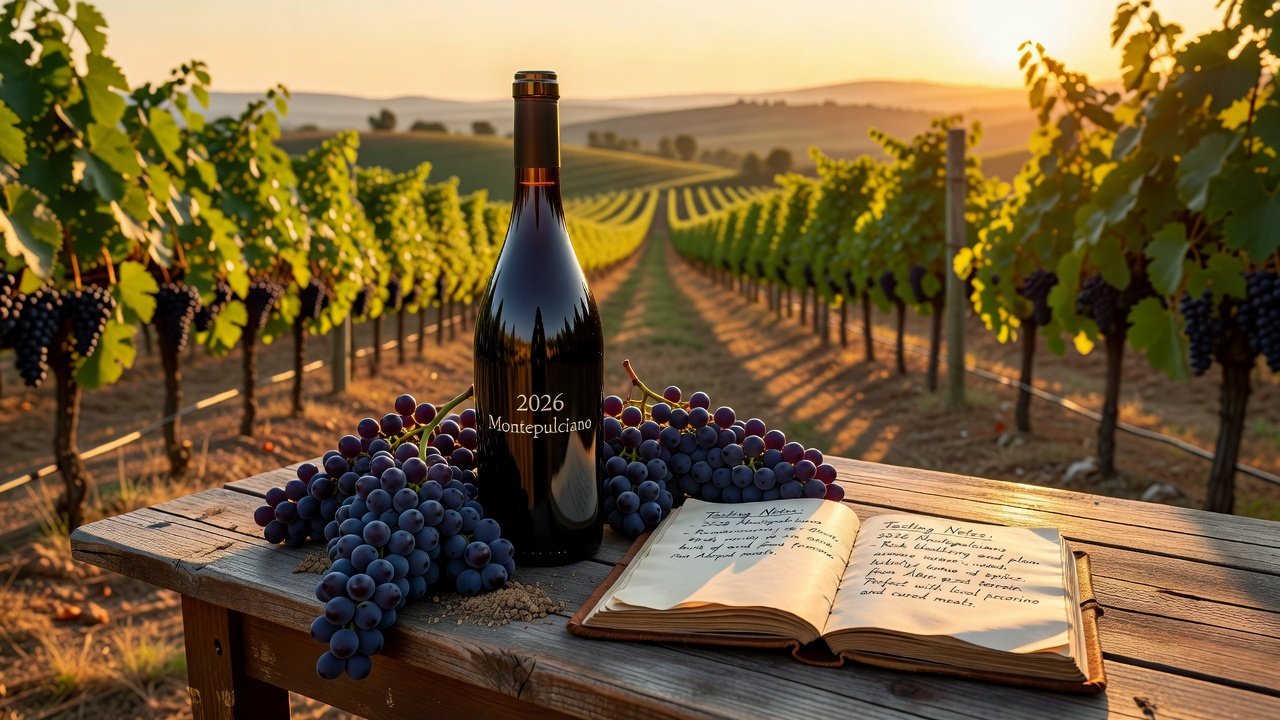
Introduction to the 2026 Montepulciano Vintage
The 2026 Montepulciano vintage stands out for its balanced ripeness and vibrant acidity across Italy's key growing zones. Critics have praised the wines for their depth of fruit and structured tannins, making this a year worth cellaring for both enthusiasts and serious collectors. This article delivers comprehensive tasting notes, professional scores, and practical guidance drawn from leading reviewers to help readers understand what makes this vintage special and how to select bottles that suit different preferences and budgets.
Understanding the 2026 Vintage Conditions
Weather patterns in 2026 featured a warm spring followed by moderate summer temperatures that allowed for slow, even ripening of Montepulciano grapes. This resulted in excellent phenolic development without overripe flavors or high alcohol. Rainfall was well-timed, reducing disease pressure and preserving acidity levels that give the wines freshness. In Abruzzo, the combination of hillside vineyards and cooling sea breezes produced wines with remarkable elegance. Growers reported optimal harvest windows in late September and early October, yielding grapes with concentrated flavors and balanced sugar-to-acid ratios. These conditions set 2026 apart from more variable recent vintages and position it as one of the stronger years for medium to long-term cellaring.
Regional Differences: Abruzzo and Beyond
Abruzzo remains the heartland for Montepulciano, where the grape thrives in the hilly terrain and Mediterranean climate. Wines from this region often display dark cherry, plum, and herbal notes with firm tannins that soften gracefully over time. In contrast, Montepulciano grown in Marche or Molise tends toward brighter red fruit and softer structures due to varied soils and higher elevations that moderate temperature swings. Tuscany's expressions, though less common, introduce earthier undertones, hints of leather, and higher acidity that appeal to fans of more austere styles. Climate data from 2026 shows consistent warmth in Abruzzo that promoted phenolic ripeness without excess sugar, leading to elegant alcohol levels. This vintage quality sets it apart from cooler years and offers distinct regional personalities worth exploring through side-by-side tastings.
Expert Tasting Notes and Professional Scores
Leading critics highlight the 2026 wines for their aromatic intensity and layered complexity. Typical profiles include blackberry, violet, tobacco, subtle spice, and occasional notes of dark chocolate or Mediterranean herbs. Tannin structure is medium-plus with a silky texture in top examples, promising excellent aging potential of eight to fifteen years depending on the producer and storage conditions. Scores from prominent publications range from 90 to 96 points, with several standout bottles earning 95-plus for concentration, balance, and typicity. These high marks reflect the vintage's consistency across price points. 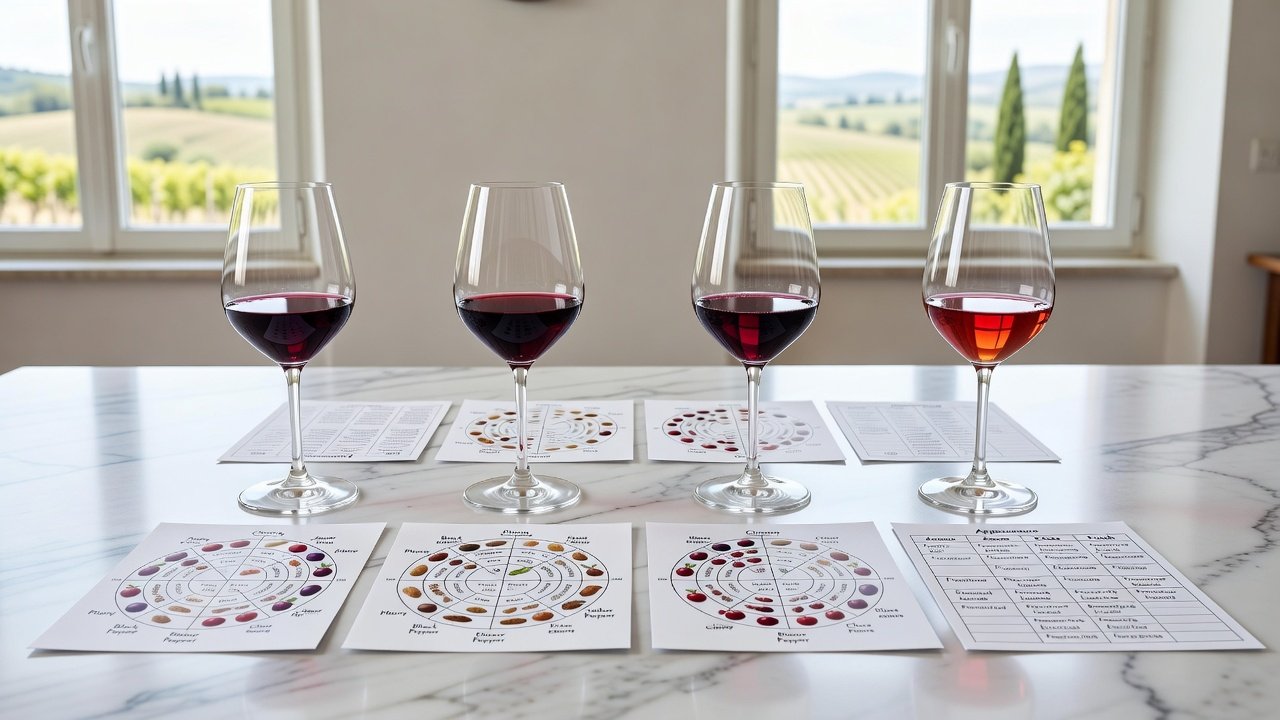
Side-by-Side Producer Comparisons
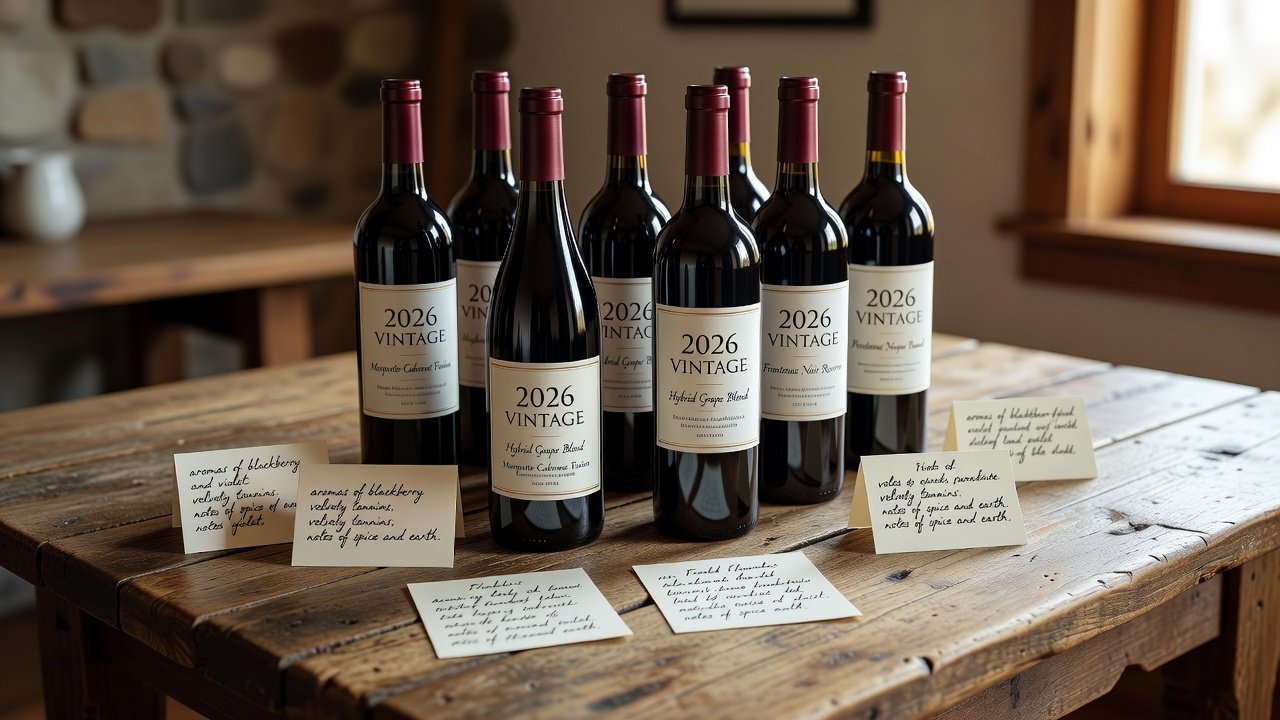
Valentini from Abruzzo delivers an elegant, mineral-driven style with prominent sour cherry, leather, and graphite notes alongside refined tannins; it earned 96 points from multiple reviewers and shows great cellaring potential. Masciarelli offers rich plum and dark chocolate flavors with a plush mouthfeel that remains approachable now yet will improve over the next decade, scoring 93 points. Contesa provides bright fruit and floral lift with softer tannins, making it an excellent entry point at 91 points and ideal for earlier drinking. In Marche, Umani Ronchi presents softer tannins and focused red berry character at 92 points, while producers in Molise emphasize herbal and earthy elements that pair well with robust cuisine. Comparing these side by side reveals how terroir influences the final expression even within the same grape variety.
Practical Buying Guide and Selection Tips
Shoppers should prioritize producers with strong track records in quality vintages by checking importer reliability and merchant reputation. Entry-level bottles offer immediate drinking pleasure with vibrant fruit, while premium selections reward patience in the cellar through developing tertiary aromas. Focus on availability through reputable merchants, verify vintage charts for confirmation of 2026's strong ratings, and consider mixed cases to explore multiple regions. Look for clear labeling that includes vineyard designation or riserva status when seeking more structured examples. Avoid overpaying for unproven producers by cross-referencing critic scores and recent reviews before purchase.
Ideal Food Pairing Recommendations
These structured reds pair beautifully with grilled meats such as lamb chops or steak, aged cheeses like pecorino or parmigiano, and tomato-based pasta dishes including lasagna or ragu. The firm tannins cut through rich sauces while fruit notes complement roasted vegetables or mushroom preparations. For lighter occasions, try them with charcuterie boards featuring cured meats and olives. Avoid delicate fish or creamy desserts that might clash with the wine's power and tannins. Experiment with regional Italian classics like osso buco or braised short ribs to highlight the wine's herbal and savory qualities.
Step-by-Step Tasting Exercises
Begin by swirling the glass to release aromas, noting primary fruit versus secondary oak influences such as vanilla or spice. Sip slowly and assess tannin grip on the palate, paying attention to how it evolves from initial attack to mid-palate and finish. Evaluate finish length and any lingering flavors like dried fruit or earth. Repeat the process with multiple producers to compare regional expressions and build sensory memory over several sessions. Advanced exercises include blind tasting to identify Abruzzo versus Marche styles or tracking how a single bottle evolves over two hours of aeration. Keep notes on each wine's color intensity, aroma intensity, body, and overall balance to refine your palate.
Aging Potential and Cellaring Advice
Top 2026 Montepulciano wines will evolve gracefully, developing tertiary notes of dried fruit, leather, and forest floor over the next decade. Store bottles at a consistent 55 degrees Fahrenheit with moderate humidity around 60 to 70 percent and minimal vibration for optimal results. Horizontal storage keeps corks moist, and periodic inspection ensures no leakage or label damage. Many examples will drink well from 2028 onward, with peak maturity arriving between 2032 and 2038 for the highest-scoring bottles.
FAQ: Common Questions on Vintage Quality and Cellaring
Is 2026 a strong vintage overall? Yes, consistent ripeness and structure make it excellent for both drinking and aging across most regions. How does it compare to 2025? The 2026 shows more elegance and acidity than the riper, sometimes softer 2025 vintage. What are the best food matches? Robust Italian classics like osso buco, grilled steak, or aged pecorino cheese bring out the wine's best qualities. How long should I age these wines? Most will improve for eight to twelve years, with premium examples lasting longer under proper conditions. Are there any common mistakes to avoid? Serving too warm or pairing with overly spicy dishes can mask delicate aromas and tannins.
Conclusion
The 2026 Montepulciano vintage delivers memorable wines across regions with something for every palate and collection. Use these notes, comparisons, and exercises to select bottles that match your preferences and aging goals. For further reading on Italian wines and critic scores, visit Decanter and Wine Enthusiast.
No comments yet. Be the first!