 Uncorked Conversations
Introduction to Sustainable Wine Reviews in 2026
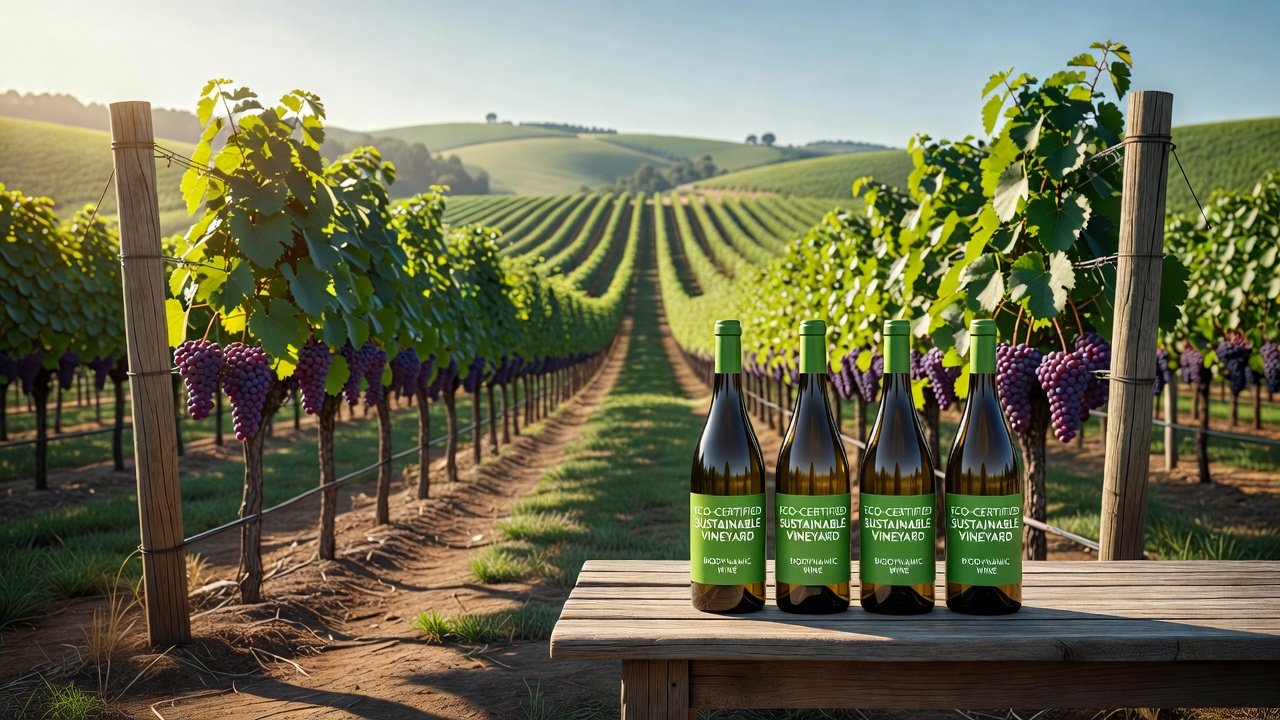
As consumer interest in eco-conscious choices grows, reviewing sustainable wines requires blending traditional tasting skills with environmental awareness. This guide examines 2026 trends, helping readers craft tasting notes that highlight both flavor and green practices. Low-intervention wines, often produced with organic or biodynamic methods, offer unique profiles shaped by minimal additives and natural processes. Wine enthusiasts increasingly seek reviews that address not only sensory qualities but also the broader impact of production methods on the planet. In 2026, search intent around eco tasting notes reflects a desire for authenticity, transparency, and actionable scoring systems that weigh sustainability alongside classic aroma and palate assessments.
Understanding these elements allows enthusiasts to evaluate authenticity and value effectively. Certifications like organic and biodynamic labels influence aroma profiles, while environmental factors such as soil health and climate play key roles in flavor development. This comprehensive approach ensures reviews remain relevant to modern buyers who prioritize both taste and ethical production.
Certification Impacts on Aroma Profiles
Organic certification restricts synthetic pesticides and fertilizers, often resulting in wines with brighter fruit notes and earthier undertones. Biodynamic practices go further by aligning vineyard work with lunar cycles, frequently yielding complex herbal and mineral aromas. In 2026, consumers search for reviews that note these distinctions clearly. Demeter and similar biodynamic certifications encourage biodiversity that translates into layered scents such as wild herbs, wet stone, and subtle spice. Conventional wines may mask these nuances through heavy filtration or added yeasts, whereas sustainable options preserve raw vineyard character.
For example, a certified organic Pinot Noir might display pronounced strawberry and forest floor scents compared to conventional counterparts. These differences stem from healthier microbial activity in the soil, preserved through sustainable farming. Reviewers should document how certification influences not just aroma but also finish length and texture. USDA organic standards provide the foundational framework for many U.S. producers, offering clear guidelines that help reviewers verify claims during evaluation.
Environmental Factors Influencing Flavor
Climate change and water management directly affect grape ripening and acidity levels. Sustainable vineyards often employ cover crops and reduced irrigation, leading to wines with vibrant acidity and concentrated flavors. Soil biodiversity contributes to nuanced textures that conventional methods may dilute. In regions experiencing shifting weather patterns, regenerative practices help vines adapt, resulting in wines that express terroir more distinctly. Reviewers in 2026 benefit from noting how drought-resistant rootstocks or natural pest management alter the final profile.
Environmental factors also include sunlight exposure and elevation, which sustainable growers optimize without chemical intervention. This creates opportunities for distinctive profiles in regions prioritizing regenerative agriculture. EPA resources on sustainable agriculture highlight these environmental connections and underscore the importance of tracking such variables in tasting notes.
Step-by-Step Guide to Writing Tasting Notes for Low-Intervention Wines
Follow these steps to create comprehensive eco tasting notes that integrate sustainability:
- Observe appearance: Note color intensity, which may appear lighter due to minimal fining agents. Record any sediment that indicates unfiltered production.
- Assess aroma: Identify primary fruit, secondary earth notes, and any absence of chemical markers. Compare against expected profiles for the grape variety and region.
- Evaluate palate: Record mouthfeel, acidity, and tannins while considering sustainable practices like native yeast fermentation. Note how low sulfur levels affect aging potential and freshness.
- Incorporate green metrics: Mention certifications and their potential influence on the profile, including water conservation or biodiversity efforts at the vineyard.
- Score holistically: Balance taste (60%) with sustainability practices (40%), using a consistent rubric that rewards transparency in sourcing and packaging.
Example note: "This 2025 organic Cabernet shows ruby hues and aromas of blackcurrant with subtle leather. The palate delivers firm tannins balanced by vibrant acidity from regenerative soils, scoring 92 points for flavor and eco practices." Repeat this process across multiple vintages to track consistency in low-intervention approaches.
Side-by-Side Comparisons of Conventional Versus Sustainable Bottles
Comparing bottles reveals clear differences. A conventional Chardonnay often features buttery oak notes from added sulfites, while its sustainable counterpart emphasizes crisp apple and citrus with a lighter body. Side-by-side tastings in 2026 show sustainable options scoring higher on authenticity metrics. Consider additional pairs such as a conventional Merlot versus a biodynamic version: the latter typically reveals more pronounced violet and graphite notes due to living soils.
Practical scorecard example:
- Taste complexity: Conventional 85/100, Sustainable 91/100
- Environmental impact: Conventional 60/100, Sustainable 95/100
- Transparency of practices: Conventional 70/100, Sustainable 98/100
- Value perception: Similar across both when quality aligns
These comparisons help readers understand trade-offs and make informed purchasing decisions aligned with 2026 priorities.
Integrating Sustainability Metrics into Standard Protocols
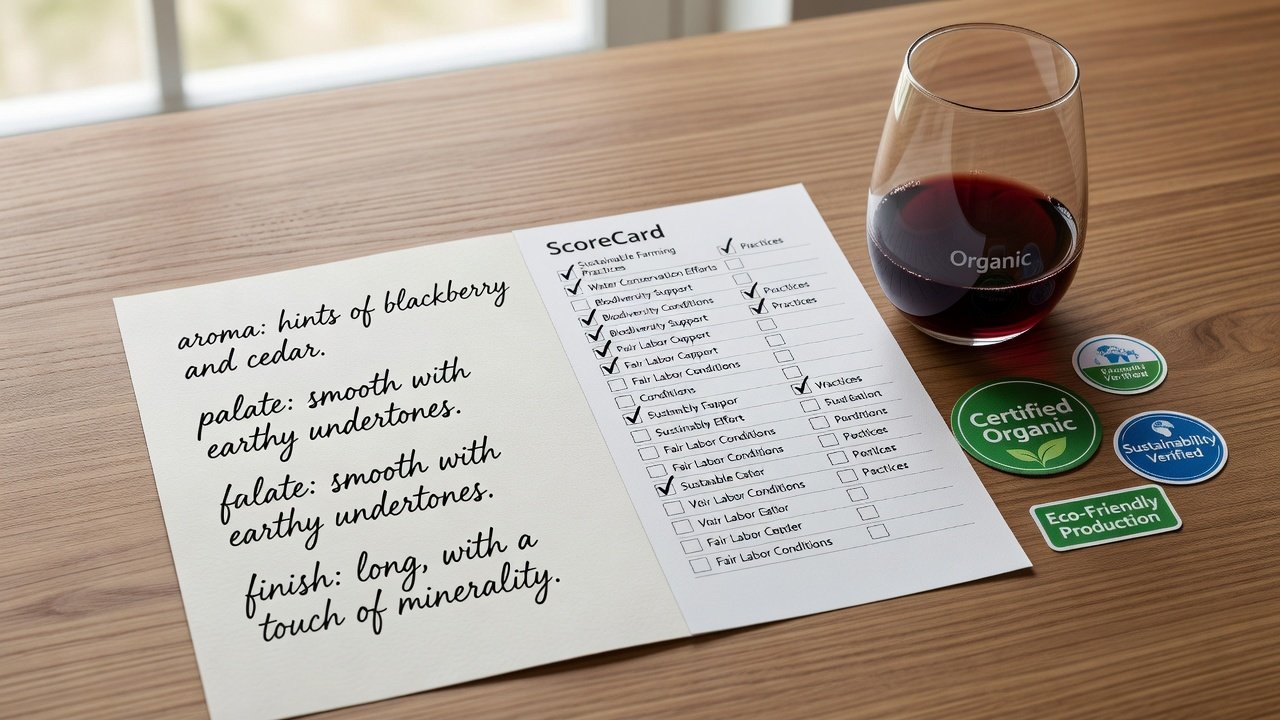
Enhance traditional tasting by adding a sustainability column to scorecards. Track factors like carbon footprint, water usage, and packaging recyclability. This approach ensures reviews address 2026 consumer priorities for transparency. Begin by researching producer websites and certification databases before the tasting session. During evaluation, note any details about solar-powered facilities or zero-waste goals shared by the winery.
Tips include verifying certifications through official databases and noting any regenerative techniques mentioned by producers. Avoid overemphasizing price; focus instead on how practices enhance quality. Develop a reusable template that includes fields for soil health indicators and biodiversity scores to streamline future reviews. National Geographic coverage of regenerative farming offers further context on these methods and their measurable outcomes.
Common Mistakes to Avoid in Eco Wine Reviews
New reviewers often overlook the link between farming practices and flavor, leading to generic notes. Another frequent error is assuming all certified wines taste superior without blind tasting. Always cross-reference claims with third-party verification and avoid greenwashing by demanding specific details on practices. Finally, failing to update scorecards for evolving 2026 standards can reduce review relevance.
FAQ on Value and Authenticity
How do sustainable wines compare in value?
Many offer comparable quality to conventional bottles, with added environmental benefits that appeal to modern buyers seeking long-term planetary health.
Are certifications always authentic?
Third-party verification ensures reliability, though small producers may use equivalent practices without formal labels, requiring careful investigation.
What trends define 2026 reviews?
Emphasis on transparency, detailed eco scoring, and flavor notes tied to specific sustainable techniques such as cover cropping or native fermentation.
How can beginners start scoring green practices?
Begin with basic checklists covering certification status, packaging materials, and vineyard location before advancing to full integrated protocols.
Conclusion
Mastering sustainable wine reviews combines sensory analysis with ecological insight. By applying these methods, readers can make informed choices that support both palate and planet in 2026 and beyond, fostering a deeper appreciation for wines that respect the environment while delivering exceptional quality.
No comments yet. Be the first!