 Uncorked Conversations
Understanding Wine Body in Modern Tasting Notes
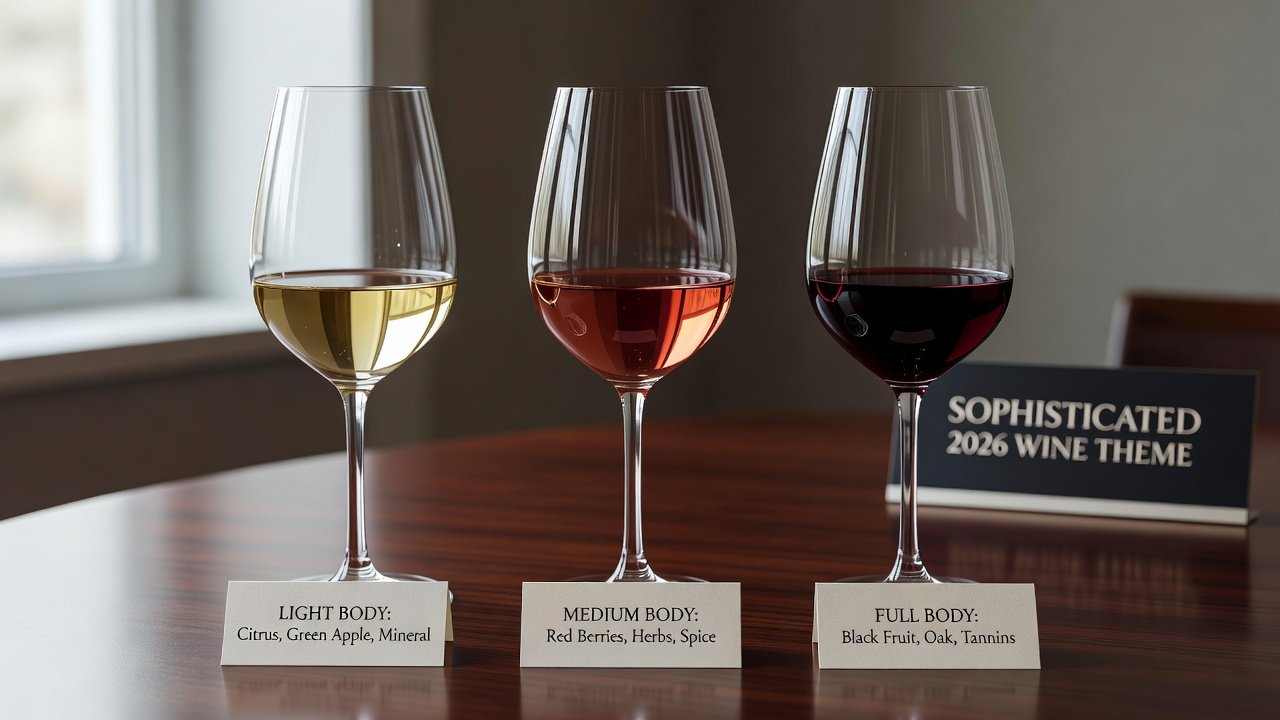
Wine body refers to the perceived weight, texture, and mouthfeel of a wine on the palate, forming a critical element in professional tasting notes for 2026 vintages. It spans a spectrum from light to full and directly influences how critics assign scores by revealing balance, complexity, and quality. Enthusiasts seeking to elevate their reviews must master descriptive language around body because vague notes fail to capture the sensory experience that separates average wines from outstanding ones. This comprehensive guide examines the light-to-full spectrum with practical examples drawn from diverse regions, explains the roles of alcohol, tannins, and extract, and demonstrates body’s measurable impact on scores from leading publications.
The Light-to-Full Spectrum Explained
Light-bodied wines deliver a delicate, almost watery sensation with high acidity and typically lower alcohol levels around 11-12 percent. They finish crisp and refreshing, making them ideal for warm-weather sipping. Medium-bodied wines sit in the middle with a silky, rounded weight that coats the tongue without overwhelming it. Full-bodied wines feel rich, dense, and sometimes viscous, often resulting from riper fruit and greater structural components. In 2026, climate shifts have produced slightly riper profiles in many areas, pushing some traditionally medium wines toward fuller expressions.
Practical Examples from Diverse Regions
- Light-bodied: 2026 Sancerre from the Loire Valley in France offers a lean, citrus-driven mouthfeel with pronounced minerality and quick finish.
- Medium-bodied: 2026 Willamette Valley Pinot Noir from Oregon presents elegant red fruit wrapped in soft tannins and moderate weight that lingers gently.
- Full-bodied: 2026 Barossa Valley Shiraz from Australia delivers dark fruit, chocolate notes, and a heavy, velvety texture that fills the entire palate.
- Additional example: 2026 Etna Rosso from Sicily shows light-to-medium body with volcanic acidity and subtle herbal lift despite the island’s warmth.
These concrete regional benchmarks help tasters calibrate their own descriptions and avoid generic language that lowers review credibility.
Influences on Wine Body: Alcohol, Tannins, and Extract
Alcohol level is the primary driver of perceived body because higher percentages increase viscosity and create a warming sensation. Tannins contribute astringent grip and structural backbone, particularly in red wines, while also adding to the overall weight. Extract encompasses all dissolved solids including sugars, acids, and phenolic compounds that intensify mouthfeel. Winemakers can manipulate these elements through extended maceration, oak aging, or late-harvest techniques. Understanding the interplay allows reviewers to explain why one 2026 Cabernet feels heavier than another from the same vineyard.
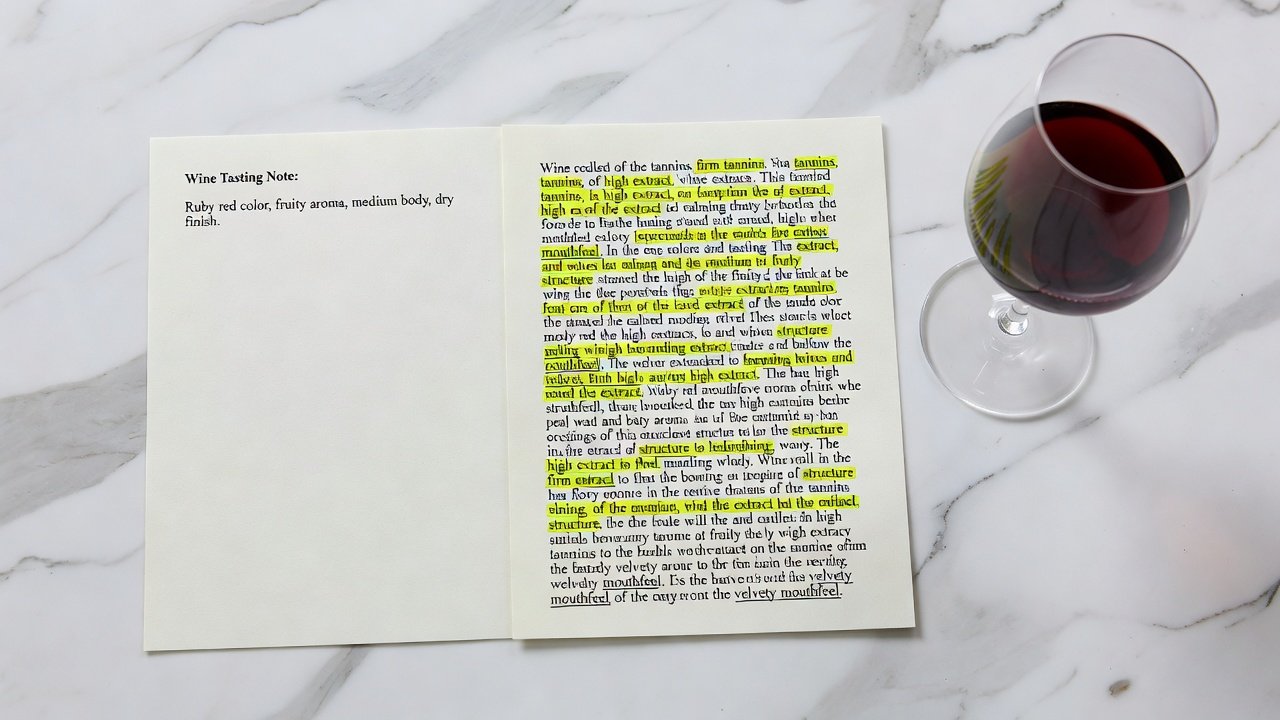
Side-by-side review samples illustrate the improvement possible with precise body language. Basic note: “Nice red wine with fruit flavors.” Improved professional version: “Full-bodied 2026 Napa Valley Cabernet Sauvignon displaying firm tannins, concentrated blackcurrant extract, and 14.5 percent alcohol that delivers a lush, coating texture, earning 95 points for its harmonious structure.” Another pair: Basic white wine note versus “Medium-bodied 2026 Chablis with steely acidity balanced by subtle lees-derived weight and a long, mineral finish.”
Impact of Body on Professional Wine Scores
Accurate body descriptors directly boost scores by demonstrating the taster’s ability to perceive and articulate balance. Publications such as Wine Spectator and Decanter reward notes that correctly link body to other attributes like acidity and finish. A wine described as “light-bodied yet lacking vibrancy” may receive lower points than one praised for “elegant light body supported by vibrant acidity.” In 2026 tastings, judges increasingly penalize overly generic terms while rewarding specific references to how body interacts with tannins or residual sugar. This precision can add several points on 100-point scales used by critics at Robert Parker Wine Advocate.
Step-by-Step Exercises to Refine Your Tasting Notes
- Select three 2026 wines spanning different body styles and taste them blind while noting initial mouthfeel impressions without looking at labels.
- Record alcohol percentages from the bottle and observe how they correlate with the weight felt on the palate after three successive sips.
- Compare your observations against established regional benchmarks published by major critics for the current vintage.
- Revise each tasting note to incorporate at least two specific body-related terms such as “silky mid-palate” or “dense extract” and assign a tentative score.
- Repeat the exercise weekly for a month while cross-referencing with online databases or local tasting groups to validate progress and identify persistent gaps.
- Practice describing body in context by writing paired notes for the same wine served at different temperatures to understand how serving conditions subtly shift perceived weight.
Common Misconceptions Addressed in the FAQ
Does higher alcohol always mean fuller body?
No. Residual sugar and phenolic extract can create substantial weight even at moderate alcohol levels, as seen in certain off-dry Rieslings from 2026 German vintages.
Can white wines achieve full body?
Absolutely. Well-made, oak-aged Chardonnay or Viognier from warm 2026 climates routinely reaches full-bodied status through lees stirring and malolactic fermentation.
How do 2026 vintage conditions affect typical body trends?
Many European regions experienced warmer, drier weather that increased average ripeness and therefore body in both reds and whites compared with cooler previous years.
Is body the same as finish length?
Finish length measures duration while body measures weight; a light-bodied wine can still have a long finish if acidity and flavor intensity remain high.
Conclusion
Mastering the language of wine body transforms ordinary tasting notes into authoritative, score-enhancing documents. By applying the spectrum descriptions, influence factors, regional examples, and structured exercises outlined above, enthusiasts can produce 2026 reviews that stand out for their precision and insight. Consistent practice with these techniques will improve both personal enjoyment and professional credibility in the evolving world of wine criticism.
No comments yet. Be the first!