 Uncorked Conversations
Introduction: Building Sharper Wine Tasting Skills in 2026
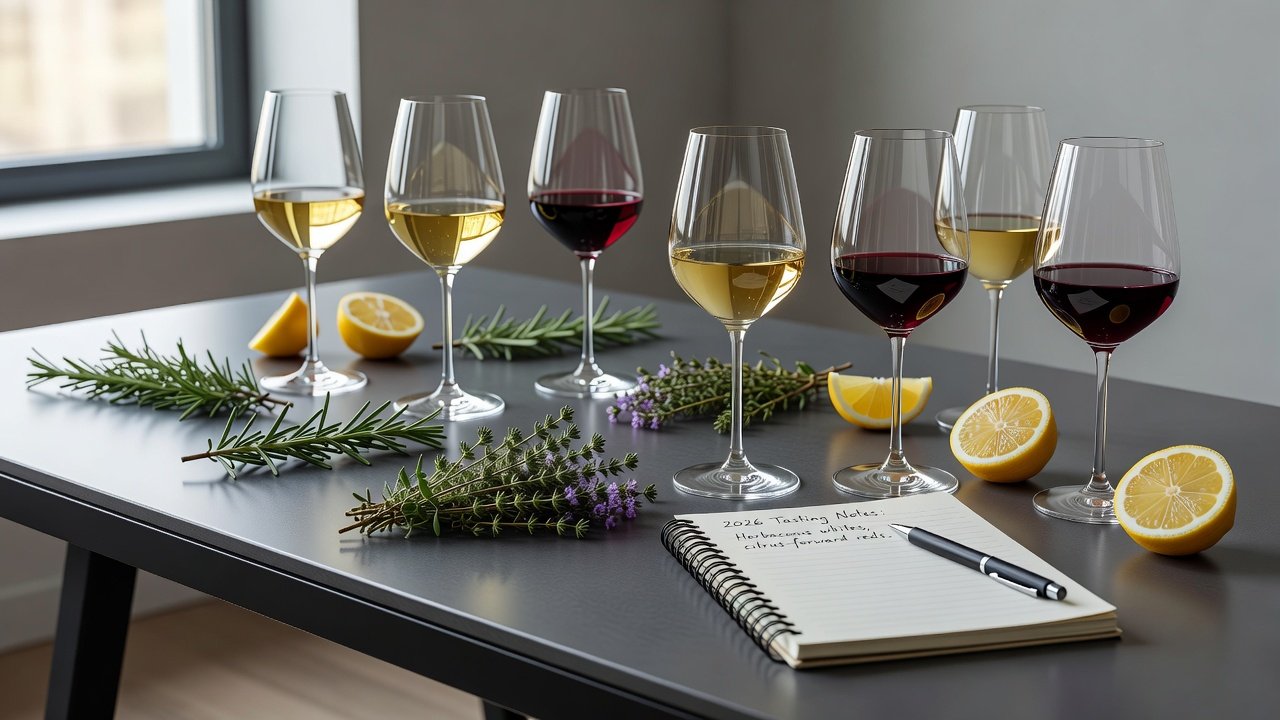
Developing precise tasting notes requires consistent sensory training. In 2026, daily palate drills offer a structured way to refine aroma recognition, flavor identification, and scoring accuracy. This guide provides practical routines that fit into busy schedules while delivering measurable improvements for beginners and intermediates alike. Sensory skills improve through deliberate practice rather than occasional tasting sessions, much like athletes train muscle memory through repetition. These methods draw from established sensory training principles used by professionals and adapt them into quick, repeatable exercises anyone can perform at home.
Whether you are new to wine or refining existing skills, these methods emphasize repetition and tracking. They help bridge the gap between casual enjoyment and confident, detailed note-taking that captures nuance in every glass. Over time, practitioners report clearer differentiation between similar varietals and more reliable scoring that aligns with expert panels.
Morning Aroma Drills Using Household Scents
Start each day with a 10-minute aroma session. Select five common household items such as lemon zest, fresh basil, black pepper, vanilla extract, and dark chocolate. Place each in separate small bowls and cover them. The goal is to isolate and identify volatile compounds that mirror those found in wine without the distraction of alcohol or visual cues.
- Close your eyes and inhale deeply from one bowl for five seconds.
- Identify the scent before checking the label.
- Repeat for all five items, noting any that feel elusive.
- Rotate scents every three days to expand your library.
- After identification, describe the scent in two words to build vocabulary.
Track accuracy in a simple notebook or app. After two weeks, most practitioners notice faster recognition of citrus and herbal notes in actual wines. For variation, include toasted nuts or fresh mint to target oak and vegetal descriptors. This drill strengthens the olfactory bulb connections that translate directly to wine aroma wheels used by certified sommeliers.
Evening Blind Sip Calibrations
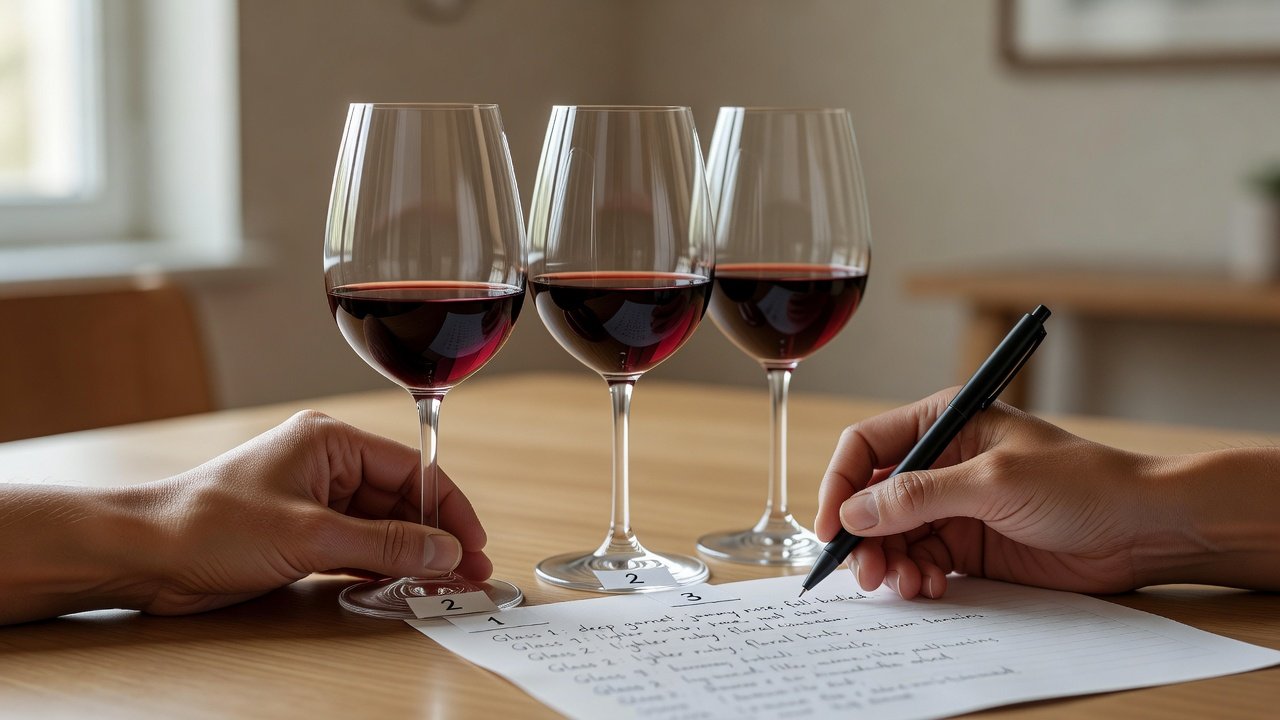
Evenings are ideal for blind tasting calibration. Select three wines of the same style but different regions. Pour small samples into identical glasses and label them with numbers only. The blind element removes label bias and forces reliance on sensory input alone.
Follow this 10-minute template:
- Swirl and assess color and viscosity (30 seconds).
- Note primary aromas without looking at bottles (2 minutes).
- Take three sips, focusing on palate weight, acidity, and finish (3 minutes).
- Assign a score out of 100 and write three specific descriptors.
- Compare your notes mentally to a mental reference standard for the style.
Reveal the wines afterward and compare your notes to professional reviews. This drill builds consistency in descriptor choice and score calibration. Beginners should start with high-contrast wines such as a crisp Sauvignon Blanc versus an oaked Chardonnay before moving to subtler differences within the same grape.
Weekly Score Consistency Checks
Once a week, revisit the same wine you scored seven days earlier. Taste it blind again and compare the new score and notes. Aim for scores within three points of your previous assessment. This repetition highlights personal drift in perception caused by fatigue, diet, or mood.
Use a simple spreadsheet to log date, wine, score, and key descriptors. Over four weeks, this reveals patterns in your tasting bias and helps tighten consistency. Add columns for intensity ratings on a 1-5 scale for fruit, acidity, tannin, and oak to create richer data sets for review.
Pairing Drills with Food to Refine Descriptors
Food pairings sharpen descriptor precision. Choose a versatile white wine and pair it with three different foods across one meal: fresh goat cheese, grilled chicken with herbs, and a citrus salad. After each pairing, note how the wine’s acidity and fruit notes change in perception. Record whether descriptors shift from “green apple” to “lemon zest” or “stone fruit.”
Repeat weekly with a new wine style, such as moving from whites to light reds like Pinot Noir paired with mushroom dishes, fatty tuna, and berry compote. These exercises demonstrate how fat, acid, and spice in food alter wine perception, teaching you to adjust descriptors accordingly. Resources from the Wine & Spirit Education Trust provide foundational pairing frameworks that complement these drills and can be referenced for deeper theory.
Progress Tracking Methods and One-Month Examples
Beginners should photograph their notes weekly. Intermediates can add intensity ratings (1–5 scale) for each aroma family. Create a simple monthly summary that averages scores and counts recurring descriptors to quantify growth.
Before-and-after example after one month of daily practice:
- Week 1 note: “Red fruit, medium body, 87 points.”
- Week 4 note: “Bright cherry, subtle earth, firm tannins, medium-plus acidity, long finish, 91 points.”
Tracking reveals clear growth in specificity and scoring reliability. Another example shows a beginner moving from generic “sweet” to precise “ripe raspberry with vanilla undertones” within 30 days when practicing consistently.
Common Mistakes to Avoid
Many enthusiasts plateau because they skip tracking or rush through drills without focus. Avoid drinking large pours during practice sessions, as alcohol dulls sensitivity. Another frequent error is using overly broad terms instead of specific fruit or spice references; always push for one additional layer of detail. Finally, do not compare yourself to professionals immediately—measure progress against your own earlier notes instead.
Advanced Variations for Intermediates
Once basic drills feel comfortable, introduce temperature variations or add small amounts of sugar or acid to samples to simulate wine faults. Practice identifying specific oak types or vintage differences within the same producer. These steps prepare you for more complex blind tastings and professional-style exams.
FAQs on Common Palate Plateaus
How do I overcome aroma fatigue?
Take two days off from intense drills and focus only on simple sniffing of coffee or herbs. Resume with fewer scents and shorter sessions until sensitivity returns.
Is 10 minutes daily enough?
Yes. Short, focused sessions build muscle memory more effectively than occasional long sessions, according to principles shared by sensory scientists.
What if my scores vary widely?
Revisit the same three wines for two weeks until your range narrows to five points or less. Consistency training is more valuable than chasing perfect accuracy early on.
Can I practice with non-alcoholic beverages?
Absolutely. Start with strong tea, coffee, or fruit juices to isolate aromas before adding wine. This reduces alcohol load while still training the same pathways.
How long until I see results?
Most people notice measurable improvement in descriptor specificity within three weeks when completing drills at least five days per week.
Conclusion
Integrating morning aroma drills, evening blind sips, weekly checks, and pairing exercises creates a complete 2026 palate training system. Consistent practice leads to sharper, more confident tasting notes that capture subtle differences across regions and vintages. Start today with one 10-minute session and build from there, referring to organizations such as the Institute of Masters of Wine for ongoing inspiration and structured learning pathways. The cumulative effect of these small daily efforts transforms casual tasting into a precise, enjoyable skill.
No comments yet. Be the first!