 Uncorked Conversations
Introduction: Why Flavor Memory Matters in 2026 Wine Tasting
Developing strong flavor memory is essential for wine enthusiasts aiming to produce detailed, accurate tasting notes. In 2026, targeted drills help advanced beginners move beyond basic descriptors toward consistent, professional-level recall. These exercises build aroma associations that improve scoring reliability and tasting depth over time. Flavor memory training allows tasters to identify subtle layers in complex wines, such as the evolution of primary fruit notes into tertiary earth elements after aging. Without structured practice, many enthusiasts struggle to recall specific aromas consistently across multiple tastings, leading to vague notes that lack precision.
By incorporating daily routines, blind challenges, and systematic tracking, you can achieve measurable gains. This approach draws on sensory science principles where repeated exposure strengthens recognition pathways. For example, associating the scent of blackcurrant with a specific childhood memory of summer berries creates a lasting anchor that surfaces during Cabernet Sauvignon evaluations.
Understanding the Science of Aroma Recall
Aroma recall involves linking scents to memories and vocabulary. Research from sensory experts shows that deliberate practice strengthens neural pathways for smell recognition. This is particularly useful when evaluating wines from different regions where terroir imparts unique signatures. The human olfactory system can distinguish over 10,000 odors, yet untrained tasters typically identify only a limited set without cues. Training bridges this gap by converting passive sniffing into active association building.
Consider how the brain processes smell through the limbic system, which ties directly to emotion and long-term memory. A practical example is linking vanilla notes in oaked Chardonnay to the aroma of fresh cookies baking, making the descriptor more vivid during blind tastings. Studies on olfactory training confirm that consistent drills improve accuracy by up to 30 percent within a month for dedicated participants.
National Institutes of Health resources provide further background on sensory adaptation and memory formation relevant to wine analysis.
Creating Your Daily Scent Kit
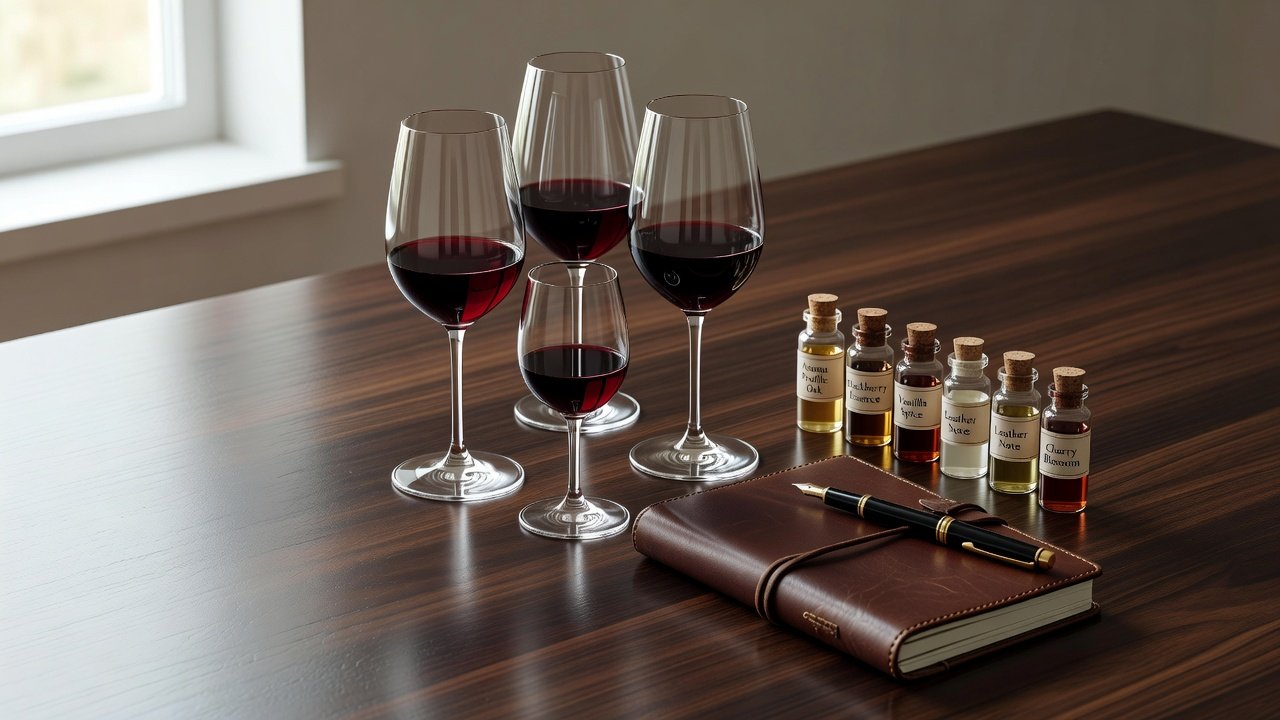
A personal scent kit forms the foundation of flavor memory work. Assemble vials with common wine aromas such as blackcurrant, vanilla, citrus zest, and earth. Refresh the kit weekly to maintain potency. Select 12 to 20 core aromas that align with frequent grape varieties you encounter. Sources can include food-grade flavor extracts, dried herbs, or diluted essential oils purchased from specialty suppliers.
Organize the kit in a portable wooden box with compartments for easy access. Each morning, dedicate 10 to 15 minutes to a focused sniffing session: close your eyes, inhale deeply from each vial, name the aroma aloud, and note any personal associations in a small notebook. Rotate in new scents every two weeks to expand your library, such as adding leather or tobacco for aged reds. Track which aromas cause the most confusion and isolate them for extra drills. This routine builds automaticity so that during actual wine tastings, descriptors emerge without conscious effort.
Blind Association Games for Stronger Recall
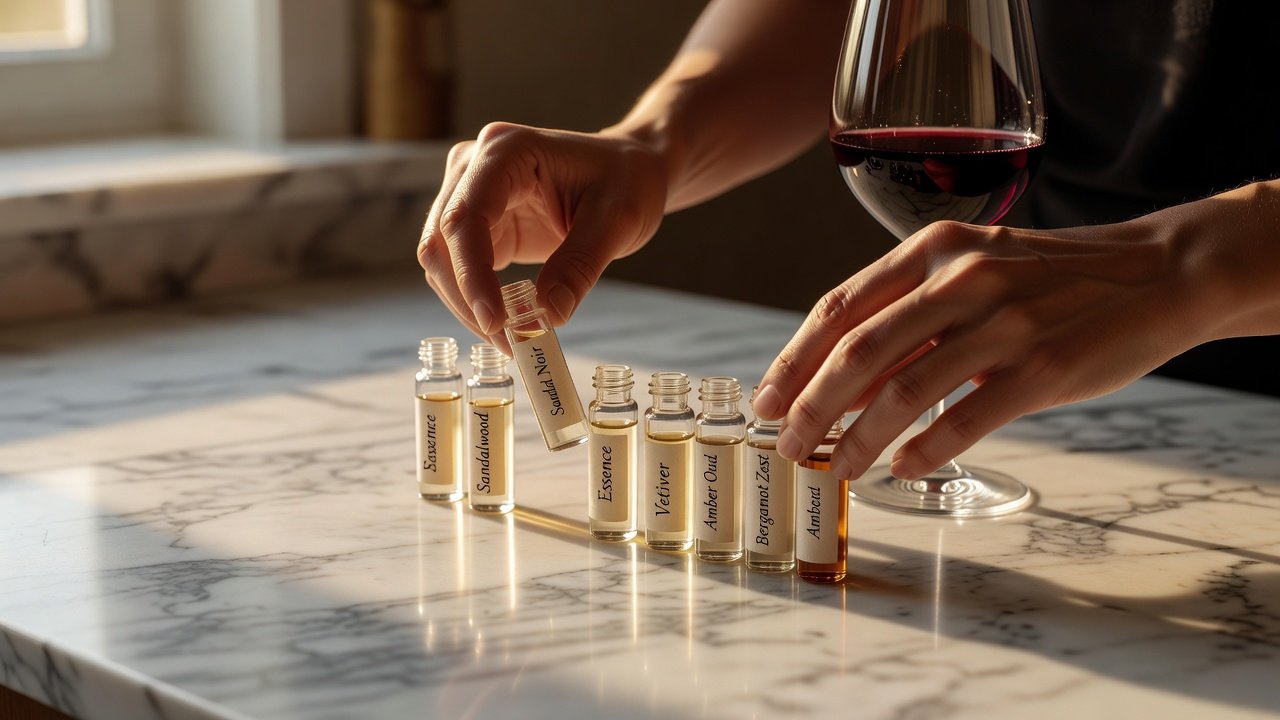
Blind association games accelerate learning by removing visual cues. Pour small samples into identical glasses and cover them. Sniff, then associate the aroma with a memory or word before revealing the source. Advance from single-aroma identification to full wine flights where you guess the grape, vintage, and region based solely on smell and palate impressions.
One effective variation is the memory chain game: after identifying an aroma, immediately link it to a second scent from your kit and describe the combined profile. For instance, pairing grapefruit with fresh-cut grass might evoke Sauvignon Blanc from New Zealand. Practice with a partner who provides feedback on accuracy. Over repeated sessions, these games reduce hesitation and improve the speed of note-taking during professional-style evaluations.
Tracking Progress in Personal Review Logs
Maintain a digital or paper log to record every session. Note the date, aromas identified correctly, and any misses. Review logs monthly to spot patterns and celebrate gains in consistency. Include columns for wine details, initial descriptors, final confirmed notes, and a self-assigned confidence score from one to ten. After four weeks, calculate your identification success rate by dividing correct recalls by total attempts.
Compare entries across similar wines to observe improvements in depth. For example, early logs might list only "red fruit" while later ones specify "ripe strawberry with hints of rhubarb." This documentation turns subjective progress into quantifiable data that motivates continued practice.
Pairing Drills with Specific Grape Varieties
Tailor drills to popular grapes. For Pinot Noir, focus on cherry, mushroom, and floral notes. For Sauvignon Blanc, emphasize grass, grapefruit, and mineral elements. Expand to include Syrah with its pepper and olive profiles or Riesling with petrol and lime characteristics. Conduct side-by-side comparisons of the same variety from different vintages or regions. This highlights how terroir influences flavor memory anchors.
A sample drill: select three Pinot Noirs from Burgundy, Oregon, and California. Blind taste them while referencing your scent kit for matching elements. Note how the earthiness varies by soil type. Repeat weekly with new sets to build versatility across styles.
Using Apps for Reinforcement
Digital tools provide on-demand practice. Choose apps with aroma libraries and quiz features that simulate blind tastings. Consistent use reinforces daily kit work and tracks session history automatically. Combine app sessions with real wine samples for hybrid training that mirrors professional environments. Apps often include progress dashboards that graph your accuracy trends, helping identify weak aroma categories like spice or floral notes.
Decanter magazine online resources offer complementary articles on modern tasting technology that pair well with app-based drills.
Sample Weekly Schedule
- Monday: Scent kit review and log entry (15 minutes) – focus on new additions
- Tuesday: Blind association game with two grape varieties – include palate cleansing between rounds
- Wednesday: App-based quiz followed by note writing – aim for 20 questions
- Thursday: Pairing drill with three wines – compare regions side by side
- Friday: Full blind tasting of four samples with scoring – simulate exam conditions
- Saturday: Extended memory chain exercise with six aromas
- Sunday: Review logs, adjust weak areas, and plan next week’s focus
This schedule balances intensity with recovery to prevent olfactory fatigue.
Real-World Examples from Pro Tasters
Professional sommeliers often credit daily scent work for their edge. One master taster describes starting each day with a kit containing 20 aromas, leading to faster identification during competitions. Another logs every blind flight to maintain scoring consistency above 90 percent. These routines translate directly to hobbyists seeking measurable progress. For instance, a certified sommelier in New York attributes her ability to distinguish subtle oak influences in Chardonnay to years of vanilla and toast drills.
Measuring Improvements in Scoring Consistency
Use standardized rubrics to score your notes. Track metrics such as correct aroma identifications per session and variance in overall scores. Aim for steady reduction in missed descriptors over a four-week period. Re-test the same set of wines after training blocks to verify gains. Compare against benchmarks like those used in certification exams where consistent descriptors earn higher marks.
FAQs on Common Pitfalls
How long before results appear? Most advanced beginners notice clearer recall within three to four weeks of consistent practice.
What if I confuse similar aromas? Isolate them in separate drills and use memory anchors like specific foods or places.
Are expensive kits necessary? No—simple household items and extracts work well when organized properly.
How do I avoid olfactory fatigue? Limit sessions to 20 minutes and take breaks with neutral scents like coffee beans.
Can I practice without wine? Yes, aroma kits alone build foundational memory that transfers to tastings.
Conclusion
Implementing these 2026 flavor memory drills transforms casual tasting into a precise skill. Through kits, games, logs, and structured schedules, enthusiasts achieve deeper notes and higher accuracy. Begin today to experience lasting improvements in every glass.
No comments yet. Be the first!