 Uncorked Conversations
Introduction to 2026 Wine Vocabulary Drills
Developing a sharp personal lexicon remains essential for anyone serious about crafting detailed wine tasting notes and accurate scores in 2026. Interactive drills help enthusiasts progress beyond vague descriptors such as fruity or oaky toward precise language that captures subtle aromas, evolving textures, and lingering finishes. These exercises integrate established scoring frameworks like the 100-point scale and the 20-point system favored by many professionals. Readers will explore daily routines, structured blind tasting simulations, and targeted examples drawn from both time-honored regions such as Burgundy and emerging areas including Georgia and Swartland in South Africa. Consistent practice builds confidence, reduces subjectivity, and produces notes that resonate with fellow enthusiasts and critics alike.
By committing to these drills, tasters develop a repeatable process that elevates every glass from casual sip to insightful evaluation. The following sections break down each component with actionable steps, real-world wine examples, and guidance on sidestepping frequent errors. Whether preparing for professional certification or simply aiming to enrich personal enjoyment, these methods deliver measurable improvement in descriptive accuracy and scoring consistency.
Building Your Personal Lexicon for Aromas
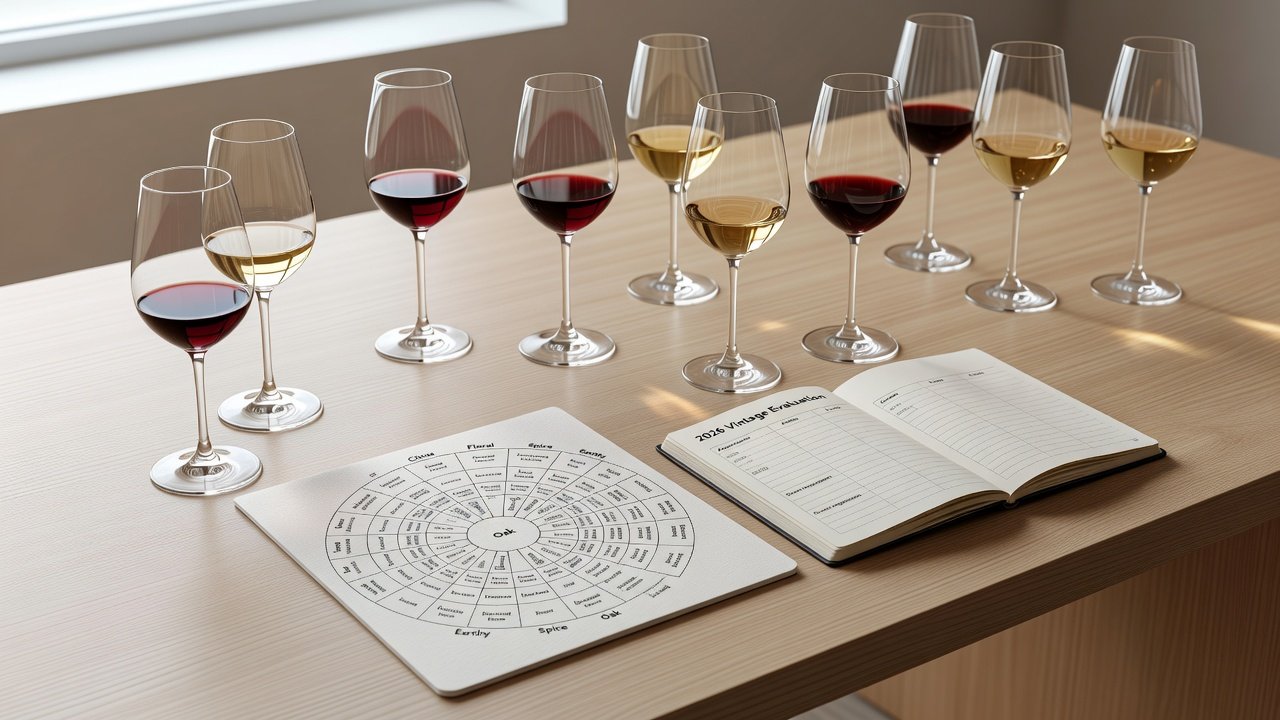
Begin aroma work with a structured identification drill using a classic aroma wheel divided into primary fruit, floral, herbal, and spice categories, followed by secondary fermentation notes and tertiary aging characteristics. Practice distinguishing citrus zest from tropical passionfruit in Sauvignon Blanc from New Zealand’s Marlborough region, then progress to more nuanced distinctions such as wet stone versus flint in Chablis. A recommended daily routine involves selecting three wines each week and recording at least twelve specific aroma descriptors per glass while blindfolded to eliminate visual bias. Cross-reference findings against official tasting frameworks provided by the Wine & Spirit Education Trust to ensure terminology aligns with industry standards. Over four weeks, rotate through white, red, rosé, and sparkling styles so the lexicon expands across all wine families. Track progress in a dedicated notebook or digital app, noting which descriptors recur most reliably. This repetition cements vocabulary and sharpens the olfactory memory essential for consistent tasting notes.
Drills for Textures and Mouthfeel
Texture drills isolate tannin grip, acidity vibrancy, alcohol warmth, and overall body weight. Prepare flights that contrast unoaked versus heavily oaked Chardonnay to perceive silkiness versus structured mouth-coating sensations. Include samples from Chile’s Casablanca Valley to experience zesty acidity alongside riper fruit from warmer sites. A practical weekly drill requires rating mouthfeel intensity on a one-to-ten scale for every wine tasted over fourteen consecutive days, then comparing scores with a tasting partner to identify calibration differences. Another exercise pairs the same wine with three different foods—such as aged cheese, grilled vegetables, and dark chocolate—to observe how perceived texture shifts with each pairing. Document changes in finish length and astringency levels, refining descriptors like velvety, chalky, or chewy. These repeated comparisons create a tactile vocabulary that directly informs more accurate scores.
Scoring Systems Integration
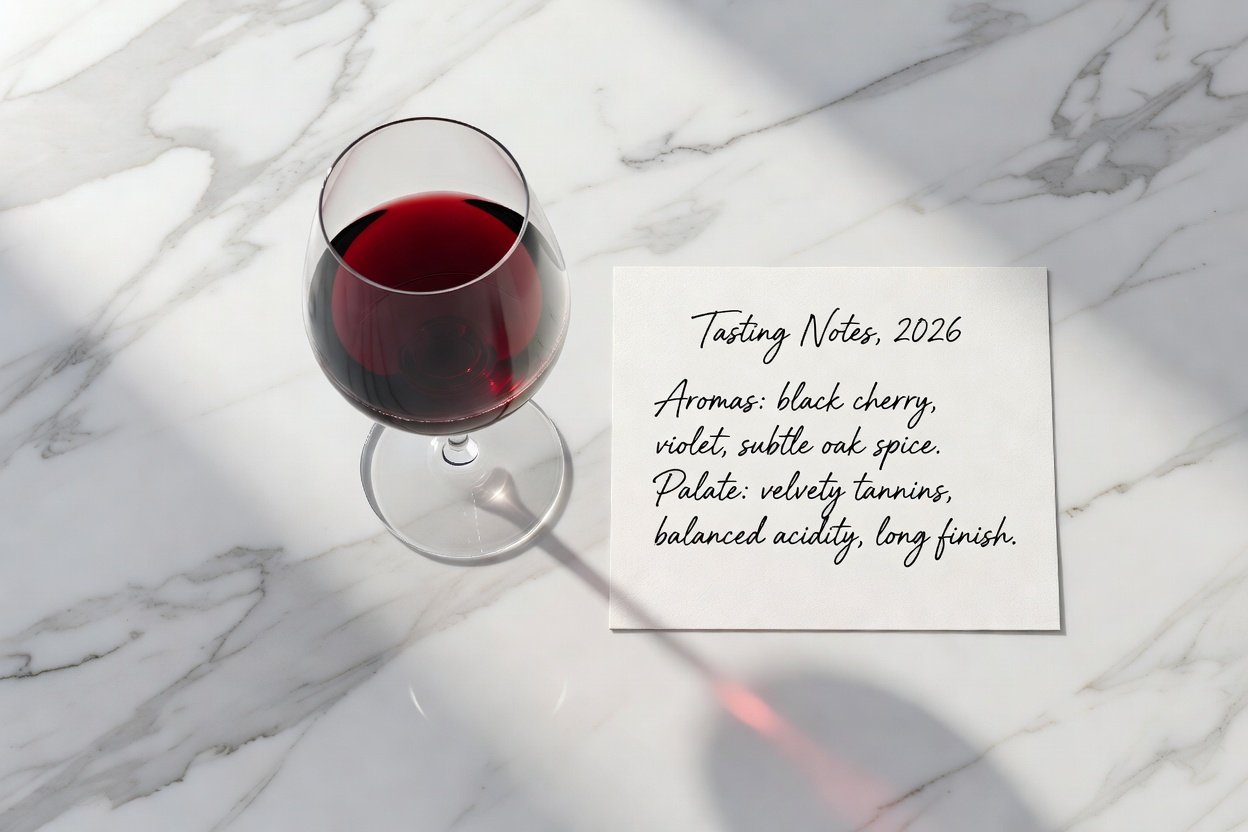
Vocabulary gains real value when paired with numerical scoring. The 100-point system awards up to 50 points for aroma and flavor intensity, 20 for structure, 15 for balance, and 15 for finish and overall quality. Practice assigning scores immediately after completing lexicon notes, then revisit the wine twenty-four hours later to check for consistency. Classic Bordeaux examples help calibrate expectations for firm tannins and aging potential, while lighter Pinot Noirs from Oregon demonstrate how delicate fruit and bright acidity translate into mid-nineties scores. Record both the numerical score and the three strongest supporting descriptors so the rationale remains transparent. Over time this dual practice produces tasting notes that justify every point awarded and withstand scrutiny from peers.
Blind Tasting Simulations
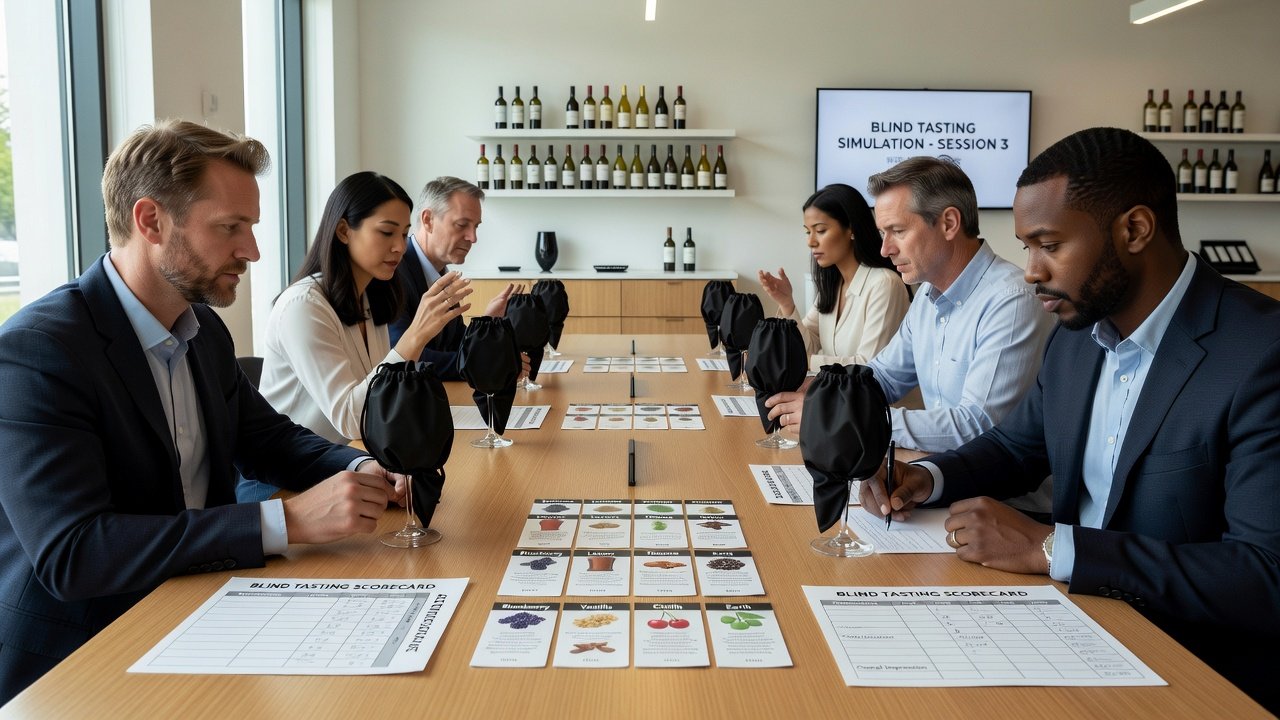
Organize weekly blind tasting sessions with four to six glasses covered by paper bags or specialized sleeves. Include one flight featuring a classic Burgundy Pinot Noir alongside an emerging Swartland Syrah to train deductive reasoning across regions. Follow a structured sequence: first note color and clarity, then aromas, palate entry, mid-palate texture, and finish. Deduce grape variety, region, and vintage before revealing the labels. Log both the guessed identity and the final score. Repeat this format monthly, gradually increasing the number of wines and introducing more obscure regions such as Georgian Saperavi or Greek Assyrtiko. The repeated pressure of blind evaluation sharpens focus and reduces reliance on preconceptions, directly improving both descriptive precision and scoring reliability in real-world settings.
Real-World Examples from Regions
Apply these drills to Italian Amarone della Valpolicella for concentrated dried cherry and raisin notes balanced by velvety tannins. Compare with a youthful Oregon Pinot Noir exhibiting bright red fruit, forest floor earthiness, and silky texture to practice contrasting finish lengths. In white wine sessions, contrast crisp German Riesling with fuller-bodied examples from Washington State to refine acidity descriptors. Emerging regions such as Georgia offer orange-hued skin-contact wines with intriguing spice and nut notes that challenge standard lexicons. Track how scores evolve as familiarity with each region grows, documenting specific improvements in descriptor variety and numerical consistency.
Pitfalls to Avoid
Common errors include defaulting to generic terms like nice or good instead of specific descriptors, allowing bottle shape or label design to influence perception, and rushing scores without sufficient palate rest between wines. Another frequent issue is confirmation bias when a wine is expected to score highly. Combat these by always beginning blind, enforcing five-minute breaks between samples, and requiring at least eight unique descriptors before assigning any score. Reference guidelines from the International Organisation of Vine and Wine for objective terminology standards. Regular self-audits of past notes reveal recurring weaknesses and guide targeted drill adjustments.
Printable Checklist
- Primary, secondary, and tertiary aromas identified and recorded?
- Texture elements including tannin, acidity, and body described with specific adjectives?
- Finish length measured in seconds and qualified as short, medium, or long?
- Score supported by at least three concrete descriptors rather than general impressions?
- Potential biases noted and mitigated through blind tasting?
- Comparison made to at least one reference wine from the same region?
Boosting Social Media Engagement
Precise, vivid tasting notes perform well on platforms when accompanied by high-quality photos and relevant hashtags such as #WineTasting2026 or #SensoryDrills. Share short videos demonstrating an aroma drill or post side-by-side score comparisons between two similar wines. Audiences respond to transparent reasoning behind scores and appreciate learning new descriptors they can apply immediately. Consistent use of accurate vocabulary positions the poster as a credible source, increasing follower growth and interaction rates over time.
Conclusion
Mastering 2026 vocabulary drills transforms casual tasting into a disciplined skill that yields clearer notes and more reliable scores. Through daily aroma and texture exercises, structured blind simulations, and region-specific practice, enthusiasts build a personal lexicon that withstands professional scrutiny. Avoiding common pitfalls and using checklists ensures steady progress, while sharing results on social media extends the impact of these skills. Begin with one focused drill this week and expand gradually; the cumulative effect will be evident in every subsequent tasting session and published review.
FAQs
How do these drills apply to personal reviews?
They create consistent, professional-sounding notes supported by specific evidence, making reviews more credible and engaging for readers.
Can beginners use these exercises?
Yes, start with three wines per week and simple five-descriptor lists, then increase complexity as comfort grows.
What regions work best for simulations?
Both classic areas like Burgundy and emerging zones such as Swartland or Georgia provide diverse profiles that strengthen deductive skills.
How often should drills be repeated?
Daily aroma work combined with weekly blind flights yields the fastest improvement in lexicon depth and scoring accuracy.
No comments yet. Be the first!