 Uncorked Conversations
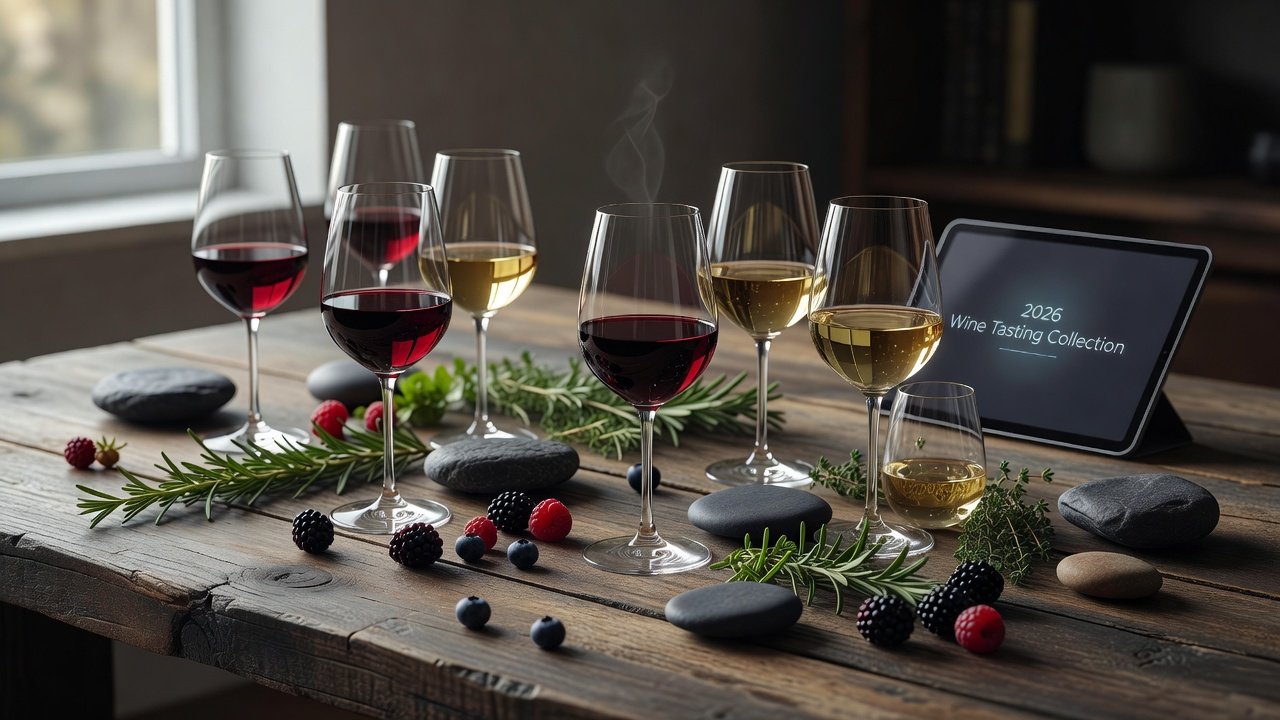
Introduction to 2026 Wine Flavor Descriptors
Wine tasting notes have evolved significantly by 2026, moving beyond generic terms like "fruity" or "oaky" to precise, region-specific descriptors drawn from current vintages. This guide focuses on aroma and palate vocabulary that helps enthusiasts and professionals communicate nuances effectively across diverse wines from Bordeaux to Barossa. Understanding these terms enhances appreciation and improves review quality on platforms like Vivino or professional scoring systems. In recent years, climate shifts and winemaking innovations have introduced new layers of complexity to wines, making accurate language essential for capturing everything from volcanic minerality in Etna wines to herbal undertones in cool-climate Sauvignon Blanc. Whether you are writing for personal journals, social media, or competition entries, mastering these descriptors sets your notes apart and builds credibility with readers and peers.
The 2024 and 2025 vintages, in particular, showcase vibrant fruit alongside unexpected savory elements due to variable weather patterns. By incorporating specific terms, tasters can convey intensity, balance, and typicity with greater authority. This article provides over 25 tested descriptors, real examples from multiple regions, structured exercises, and tools to refine your approach immediately.
25+ Precise Aroma and Palate Terms from Current Vintages
Here are over 25 flavor descriptors pulled from recent tastings. Each includes a real-world example paired with a region and vintage context. These terms are grouped for easier reference and drawn from blind tastings of commercially available bottles.
Aroma Descriptors
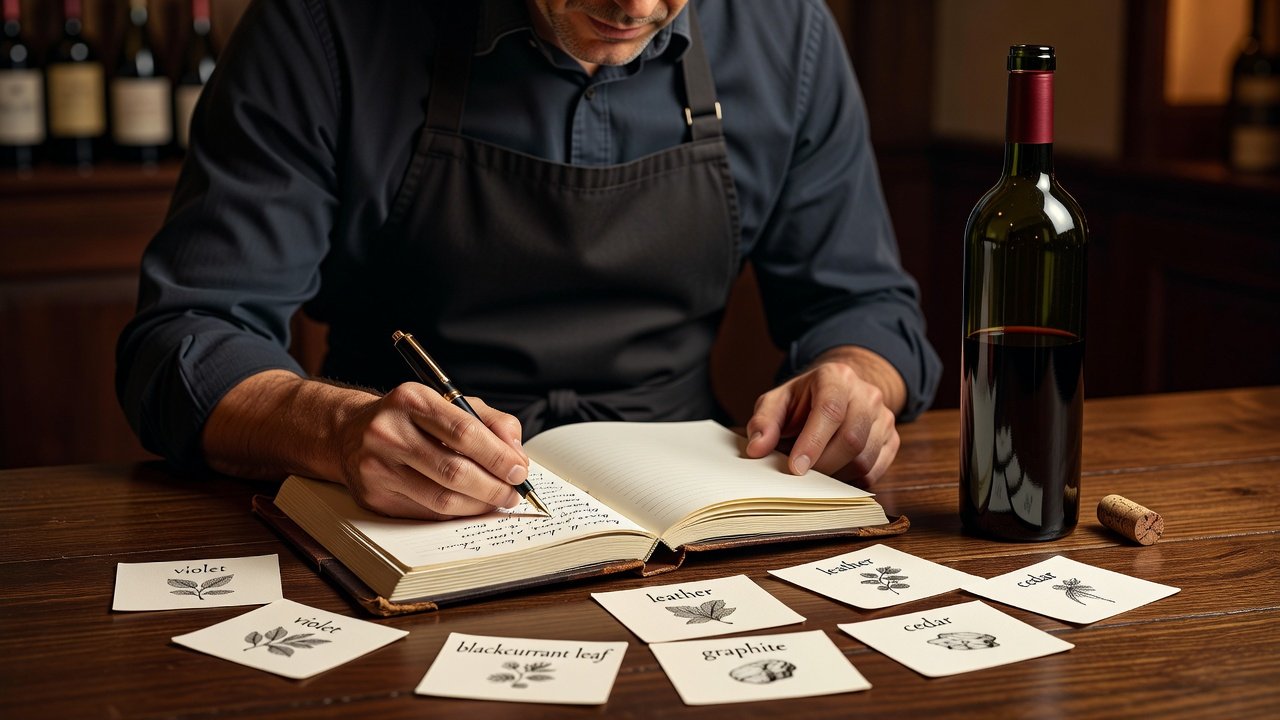
- Blackcurrant leaf: Fresh, green edge on Cabernet Sauvignon from Napa 2024, evoking just-picked stems alongside ripe fruit.
- Crushed slate: Mineral backbone in Mosel Riesling 2025, adding a wet-stone freshness that lingers on the nose.
- Dried fig: Sweet depth in Priorat Garnacha 2023, suggesting sun-dried fruit with subtle earthiness.
- White peppercorn: Spice lift in Northern Rhône Syrah 2024, providing a sharp, peppery top note.
- Blood orange zest: Citrus brightness in Etna Rosso 2025, delivering tangy acidity with a hint of red fruit.
- Wild strawberry: Juicy note in Willamette Pinot Noir 2024, capturing delicate red berry perfume.
- Chamomile: Floral softness in Austrian Grüner Veltliner 2025, offering gentle herbal florals.
- Passionfruit pulp: Tropical intensity in Marlborough Sauvignon Blanc 2025, bursting with ripe exotic fruit.
- Baked plum: Rich fruit in Barossa Shiraz 2024, showing concentrated dark fruit aromas.
- Sea salt: Briny finish in Jura Chardonnay 2023, adding coastal salinity to the bouquet.
Palate Descriptors
- Graphite: Pencil-lead minerality in Left Bank Bordeaux 2023, structuring the mid-palate with firm tannins.
- Roasted hazelnut: Nutty complexity in Oregon Chardonnay 2024, emerging after aeration.
- Violet petal: Floral lift in Chianti Classico 2025, softening the Sangiovese tannins.
- Green tea: Herbal nuance in Chinese Cabernet 2024, adding astringent freshness.
- Smoked paprika: Savory spice in Spanish Tempranillo 2023, layering umami depth.
- Lemon verbena: Bright herb in South African Chenin Blanc 2025, cutting through rich texture.
- Red licorice: Sweet chew in Argentine Malbec 2024, balancing ripe black fruit.
- Wet stone: Crisp minerality in Loire Sauvignon 2025, refreshing the finish.
- Cocoa nib: Bitter chocolate in Washington Merlot 2023, adding textural grip.
- Honeysuckle: Sweet floral in Alsace Gewürztraminer 2024, enhancing aromatic lift.
- Olive brine: Saline note in Greek Assyrtiko 2025, contributing savory edge.
- Black tea leaf: Tannic structure in Yunnan Cabernet 2023, drying the palate elegantly.
- Apricot kernel: Nutty stone fruit in Tokaji 2024, enriching sweet wines.
- Clove bud: Warm spice in Portuguese Touriga 2025, supporting age-worthy structure.
- Guava skin: Tropical edge in New Zealand Pinot Gris 2024, adding zesty brightness.
- Thyme honey: Herbal sweetness in Greek Xinomavro 2023, complementing earthy notes.
These descriptors appear consistently across professional reviews and can be adapted for both everyday and premium bottles.
Step-by-Step Exercises for Incorporating Terms
Follow these expanded exercises to build fluency over several sessions. First, select three wines from different regions and taste blind, listing at least three descriptors per glass while noting intensity on a scale of one to five. Second, compare your notes to professional examples from Decanter to identify gaps in precision. Third, rewrite one of your initial notes using five new terms, focusing on sequencing aroma before palate. Fourth, practice describing the wines aloud to a partner or recording yourself, refining language for clarity and flow. Fifth, create a side-by-side comparison of two similar varietals, such as two 2025 Rieslings, highlighting differences with specific terms like crushed slate versus wet stone. Sixth, apply the descriptors in a short social media post and a longer professional format to see how context changes wording. Repeat weekly with new vintages to internalize the vocabulary naturally.
Common Pitfalls to Avoid
Overusing vague words like "nice" or "good" dilutes impact and reduces credibility. Instead of writing "the wine has nice fruit," specify "wild strawberry aromas lead to red licorice on the palate." Another frequent error is mixing aroma and palate descriptors incorrectly, such as claiming "graphite on the nose" when it belongs on the palate. Steer clear of copying tasting notes verbatim without personal verification, as this undermines authenticity. Avoid overloading notes with too many terms at once; limit to five or six per wine for focus. Finally, do not ignore vintage variation—2025 wines often show brighter acidity than 2023 bottlings, so adjust descriptors accordingly rather than repeating the same language.
Quick-Reference Tables
| Region | Primary Aroma | Palate Descriptor | Best Vintage Example |
|---|---|---|---|
| Bordeaux | Blackcurrant leaf | Graphite | 2023 |
| Barossa | Baked plum | Smoked paprika | 2024 |
| Etna | Blood orange zest | Olive brine | 2025 |
| Marlborough | Passionfruit pulp | Wet stone | 2025 |
Additional tables can cover white wines separately, grouping floral and citrus terms for quick lookup during group tastings.
Adapting Language Across Platforms and Scoring Systems
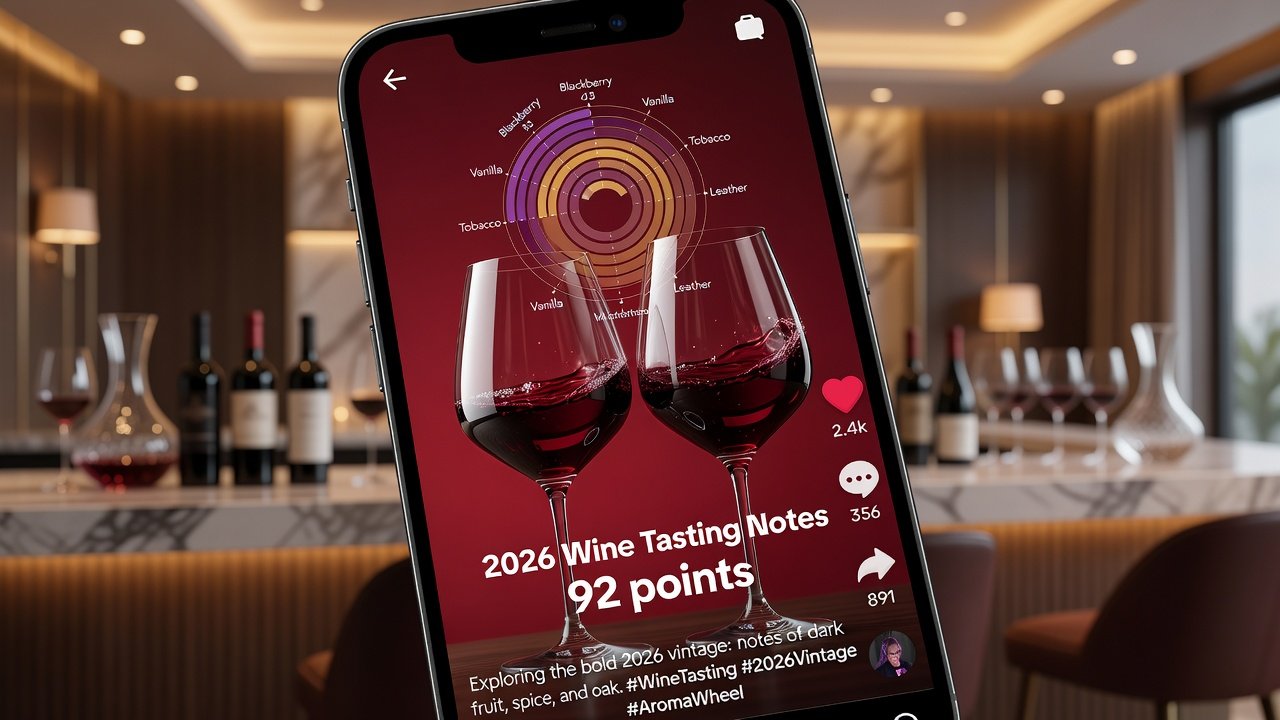
For Instagram and TikTok, keep notes concise with two or three descriptors plus a vivid emoji, such as "Wild strawberry and violet petal in this Oregon Pinot." On X or professional forums, expand to full sentences that reference structure and finish. For 100-point scoring systems like those used by major critics, quantify intensity: "Medium-plus acidity with clove bud spice on the long finish earns extra points." The 20-point scale favored by some educational bodies rewards precise term usage in the aroma and palate sections. Tailor vocabulary to the audience—casual readers appreciate accessible terms like dried fig, while sommeliers expect graphite or thyme honey. When posting on Wine Spectator forums or similar sites, include vintage context and food pairing suggestions to add value.
Applying Terms to 2026 Vintages and Future Trends
Looking ahead, 2026 releases will likely emphasize sustainable farming impacts, with more wines showing pronounced herbal and mineral notes. Practice adapting the list by tasting early 2026 samples and noting how smoke or drought stress alters descriptors like baked plum into something more savory. Cross-reference with resources from Jancis Robinson for global perspective.
Downloadable-Style Tasting Checklist
Use this immediate checklist at your next session: Note appearance first. Identify three aromas using the list above. Assess palate weight, acidity, tannins, and finish length. Apply five new descriptors in sequence. Score on balance, typicity, and complexity. Revise for clarity before posting or sharing. Track progress over ten tastings by counting unique terms used. This structured approach ensures your 2026 tasting notes stand out with authority and precision, turning every glass into a learning opportunity.
No comments yet. Be the first!