 Uncorked Conversations
Introduction to Natural Wine Reviews in 2026
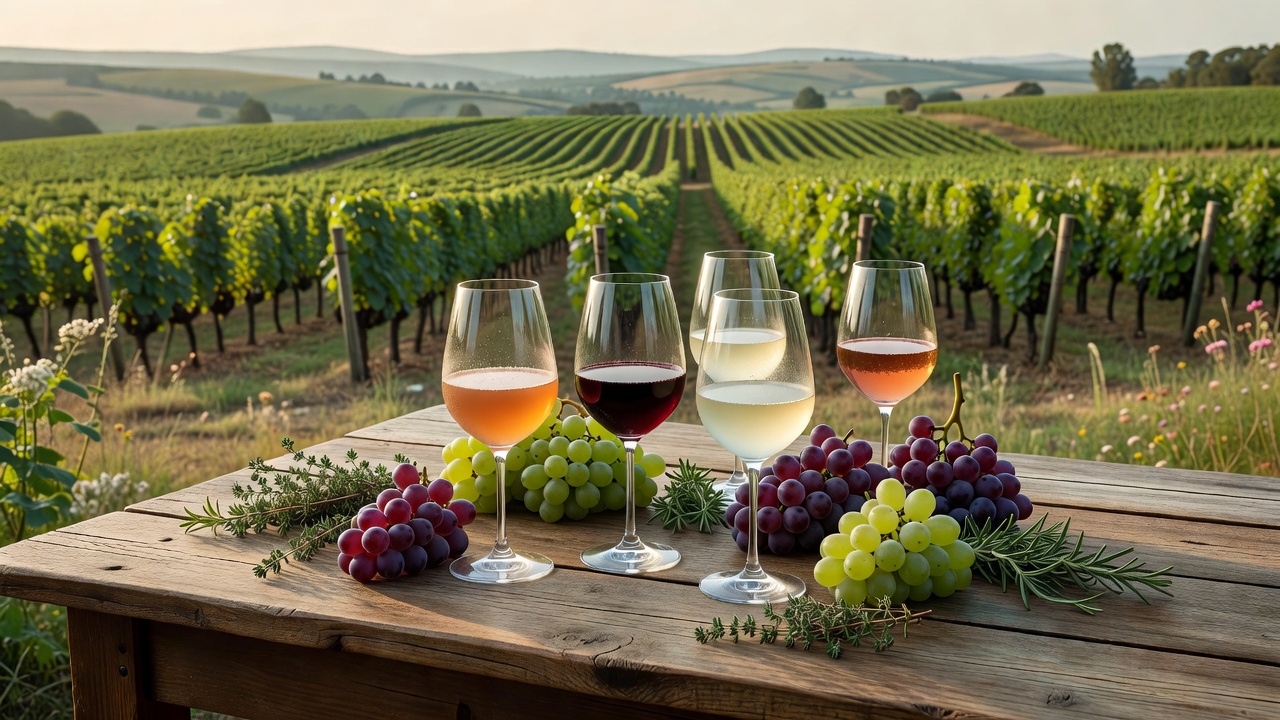
Natural and biodynamic wines continue to gain popularity among enthusiasts seeking authentic expressions of terroir and minimal intervention. This comprehensive guide provides a beginner-friendly yet in-depth approach to evaluating these wines through detailed tasting notes and scoring systems. Unlike conventional wines, natural wines often feature minimal intervention, leading to distinctive aroma profiles, textures, and flavors that reflect the vineyard's ecosystem and the winemaker's philosophy. Understanding how to write effective wine reviews and vino reviews helps consumers and producers alike appreciate the nuances of sustainability in winemaking. In 2026, with growing consumer interest in transparent production methods, mastering these skills allows reviewers to communicate the unique qualities that set natural wines apart while encouraging responsible consumption.
Key Sensory Differences from Conventional Wines
Natural wines frequently exhibit wild fermentation characteristics, resulting in earthy, funky aromas alongside bright fruit notes. Textures can range from cloudy and viscous to crisp and mineral-driven, depending on skin contact and aging methods. These differences arise because natural wines avoid additives, fining agents, and filtration common in conventional production. Consumers often notice higher acidity and lower tannins in many examples, creating a lively mouthfeel that evolves in the glass over time. For instance, a natural white might display notes of bruised apple and wet stone rather than the clean citrus of a conventionally produced counterpart. Red natural wines can show volatile acidity or subtle brettanomyces influences that add complexity rather than defects. Understanding these sensory markers is essential for accurate wine reviews because they highlight the living, evolving nature of the product. Biodynamic practices further enhance these traits by emphasizing soil health and lunar cycles, often leading to wines with pronounced herbal or savory undertones that conventional critics might overlook.
Step-by-Step Evaluation Methods
Follow this structured process when assessing natural wines to ensure thorough and consistent evaluations:
- Observe the appearance for cloudiness, sediment, or color intensity, which are typical and not flaws in natural wines.
- Swirl and inhale deeply multiple times to identify primary, secondary, and tertiary aromas like forest floor, citrus zest, or floral elements.
- Taste and note texture, acidity levels, tannin grip, body, and finish length while allowing the wine to open up.
- Score on a 100-point scale, factoring in balance, typicity, and how well it represents natural winemaking principles.
- Document any sustainability aspects such as regenerative farming or low-sulfur approaches for a complete review.
This method ensures consistent wine reviews that capture the wine's unique story and evolution. Repeat the process with different temperatures or glassware to capture full complexity.
Common Pitfalls in Scoring Natural Wines
Many reviewers apply conventional standards too rigidly, penalizing natural wines for volatile acidity or brettanomyces notes that are intentional stylistic choices. Avoid over-scoring based on polish alone; instead, prioritize authenticity, drinkability, and how the wine expresses its origin. Another frequent mistake is ignoring vintage variation, as natural wines can differ significantly year to year due to lack of stabilization techniques. Reviewers should also steer clear of comparing directly to industrial wines without context, as this skews scores unfairly. Additionally, failing to account for bottle variation or improper storage can lead to inaccurate assessments. By recognizing these pitfalls, writers produce more reliable vino reviews that educate readers rather than mislead them about quality.
Real-World Examples from Emerging Producers
Consider a 2025 Loire Valley pet-nat from a small biodynamic estate: reviewers often highlight its apple skin, saline qualities, and lively bubbles, scoring it around 92 points for vibrancy and refreshment. In contrast, a skin-contact orange wine from Slovenia might score 89 for its tannic grip, herbal complexity, and oxidative notes that pair beautifully with food. An emerging producer in Oregon's Willamette Valley offers a carbonic maceration red that earns 91 points for bright cherry and pepper notes with low intervention transparency. A Georgian qvevri-aged white from a new natural winery showcases nutty and dried fruit aromas, frequently rated 90 for its ancient-method authenticity. These examples illustrate how scores reflect both quality and style while encouraging exploration of lesser-known regions.
Comparison of Sample Scores
| Wine Style | Typical Score Range | Key Notes |
|---|---|---|
| Pet-Nat Sparkling | 88-94 | Effervescent, fruity, low intervention |
| Orange Wine | 85-92 | Textured, oxidative, earthy |
| Red Natural | 87-95 | Light-bodied, high acidity, vibrant |
| Biodynamic White | 89-93 | Mineral-driven, aromatic, crisp |
Building Your Personal Tasting System
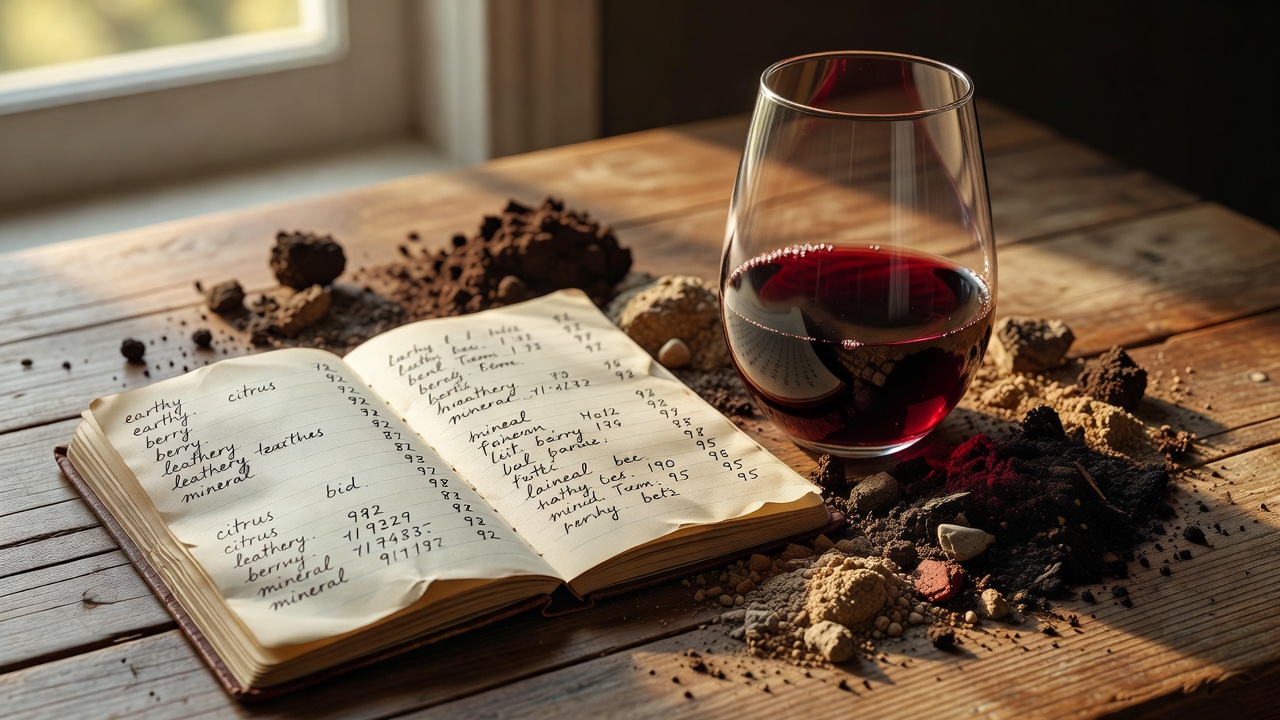
Develop a repeatable framework by keeping a digital journal of impressions across multiple vintages and producers. Include columns for aroma families, texture descriptors, score rationale, and sustainability markers such as organic certification or regenerative farming practices. Over time, this builds expertise in writing nuanced vino reviews. Incorporate blind tasting sessions to reduce bias and calibrate your palate against peers. Track how wines change after opening to note oxidation patterns common in low-sulfur examples. Share your system with online communities for feedback and refinement, creating a personal database that grows with each tasting.
Practical Tips for Highlighting Sustainability
When crafting reviews, always mention farming methods, packaging choices, and certifications to inform readers about environmental impact. Link to resources like the International Organisation of Vine and Wine for background on global standards. Reference organizations such as Wine Folly for educational context on biodynamics and natural processes. Consider adding details on water usage, biodiversity, and carbon footprint where available. This approach educates readers while emphasizing the broader value of natural wines beyond taste. Use bullet points in reviews to list key sustainable attributes for easy scanning.
Additional Considerations for 2026 Trends
In 2026, natural wine scoring increasingly factors in climate resilience and regenerative agriculture metrics. Reviewers are encouraged to note how producers adapt to changing weather patterns while maintaining quality. Emerging tools like digital aroma wheels tailored to natural profiles can enhance precision in tasting notes. Always verify producer claims through third-party certifications to maintain credibility in your wine reviews.
Conclusion
Approaching natural wine reviews with an open mind and structured methodology unlocks deeper appreciation for these expressive wines. By focusing on sensory details, avoiding common biases, building systematic approaches, and incorporating sustainability insights, your tasting notes become valuable tools for the wine community in 2026 and beyond. Consistent practice leads to authentic, informative vino reviews that celebrate both flavor and responsible production.
No comments yet. Be the first!