 Uncorked Conversations
Introduction to Emerging Wine Regions in 2026
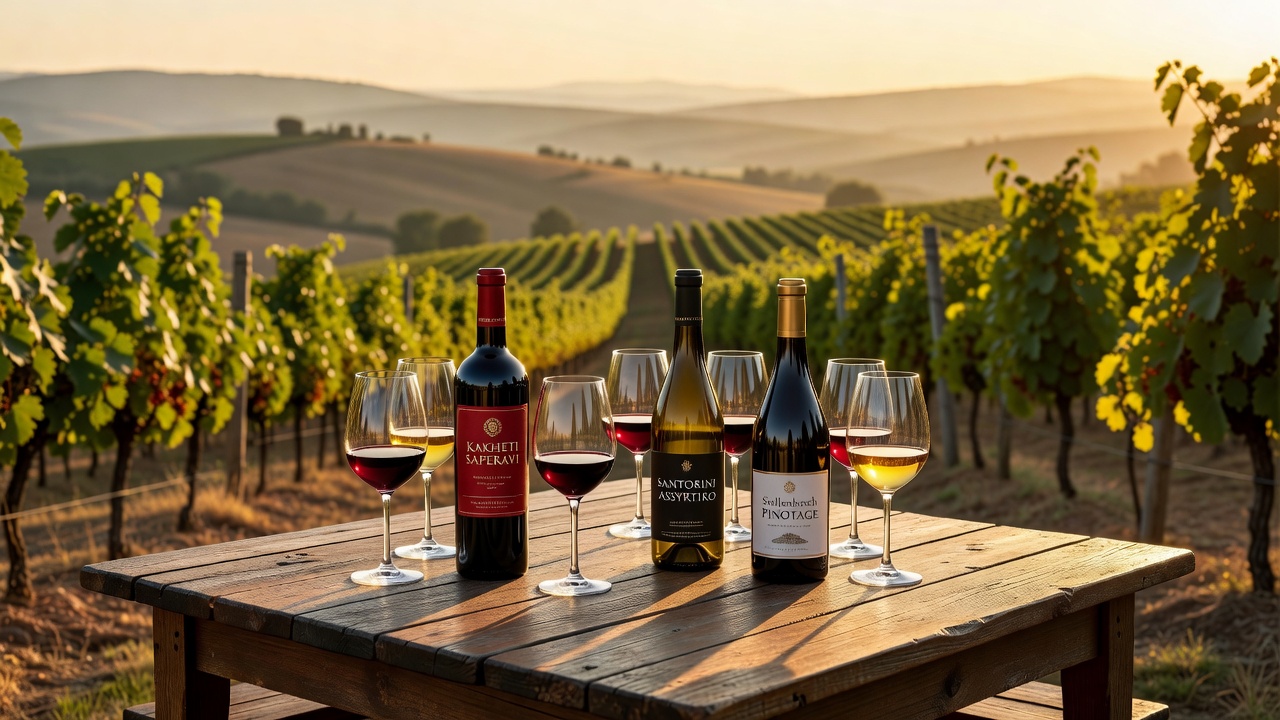
Wine enthusiasts seeking fresh discoveries are moving beyond mainstream regions such as Bordeaux and Tuscany toward emerging areas that deliver distinctive character and often exceptional value. In 2026, Georgia, Greece, and South Africa have gained prominence for their ancient winemaking traditions combined with modern innovations. This comprehensive guide explains how to evaluate and score wines from these regions using reliable beginner-to-intermediate techniques. Readers will find detailed comparisons to established Old World styles, practical tasting methodologies, and concrete examples that support accurate personal note-taking and scoring.
Unique Terroir Influences on Flavor Profiles
Terroir encompasses soil composition, climate patterns, elevation, and traditional practices that together create signature flavor profiles. Georgia’s volcanic and limestone soils paired with a continental climate produce powerful reds marked by dark fruit, spice, and firm structure. Ancient qvevri fermentation adds layers of texture and subtle oxidation. Greece’s island and mountain terroirs, influenced by the Mediterranean Sea and strong winds, yield whites with pronounced minerality, herbal notes, and bright acidity. South Africa’s Cape Winelands feature a range of microclimates from cool coastal zones to warmer inland valleys, resulting in wines that balance ripeness with freshness.
When compared to classic Old World expressions, these regions often exhibit heightened fruit purity and distinctive spice or saline elements. A Georgian Saperavi, for instance, shares structural similarities with northern Rhône Syrah yet displays earthier, more savory undertones from local amphora aging. Greek Assyrtiko frequently recalls Chablis in its mineral drive but adds unique volcanic smokiness. South African Chenin Blanc can echo Loire Valley examples while offering riper orchard fruit and greater texture. Understanding these nuances helps tasters place new wines within familiar reference frameworks while appreciating their individuality. For authoritative background on global vineyard practices, consult resources from the International Organisation of Vine and Wine.
Sample Tasting Notes and Scores for Representative Bottles
Below are seven representative wines evaluated on the 100-point scale. Scoring criteria include aroma intensity and complexity (25 points), palate balance and texture (30 points), structure and acidity (25 points), and finish length plus typicity (20 points). Each note includes sensory descriptors and a direct Old World comparison for context.
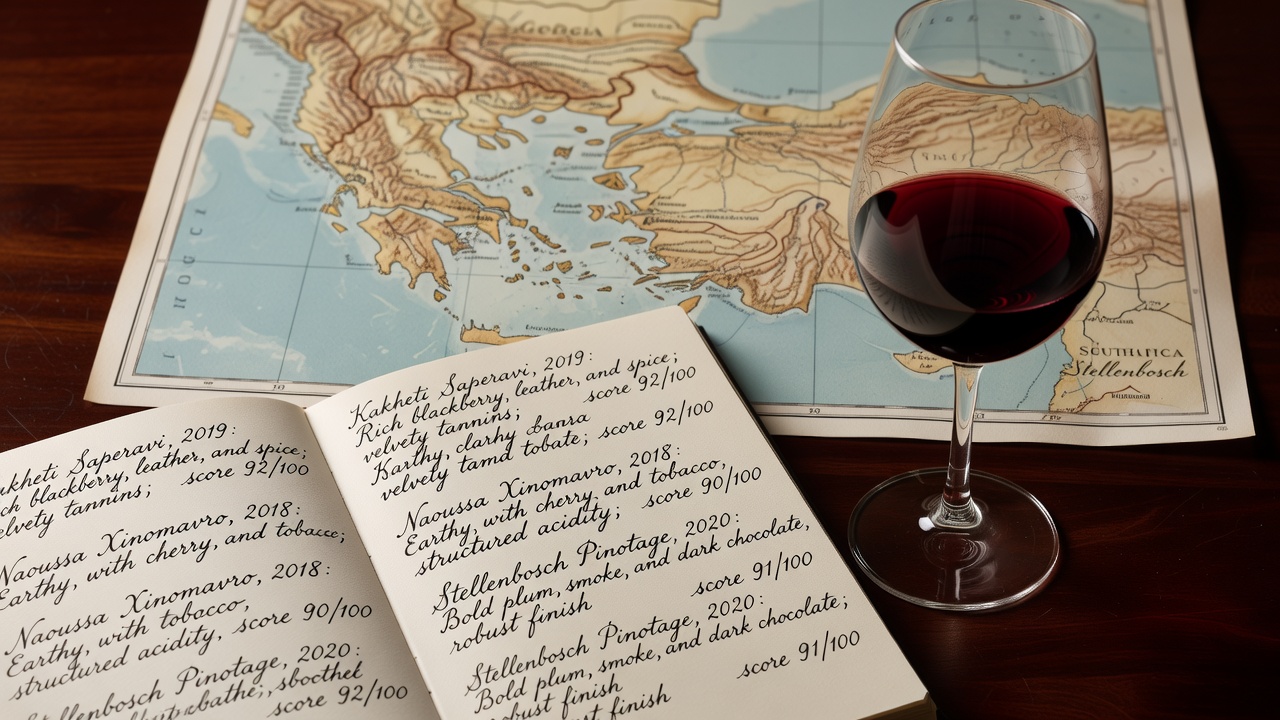
- Georgian Saperavi 2024 (Kakheti) – Deep ruby with purple rim. Aromas of black cherry, tobacco leaf, graphite, and dried oregano. Firm tannins frame vibrant acidity and dark fruit on the palate. Finish lingers with savory earth. Comparable to a structured Cornas but with added spice. Score: 93/100.
- Greek Assyrtiko 2025 (Santorini) – Pale gold with green highlights. Intense lemon zest, sea salt, fennel, and wet stone aromas. Linear, high-acid palate with saline persistence. Evokes Chablis Premier Cru yet shows volcanic smokiness. Score: 94/100.
- South African Chenin Blanc 2024 (Stellenbosch) – Bright straw color. Pear, honeysuckle, wet stone, and subtle toasted almond notes. Textured mouthfeel balanced by refreshing acidity. Similar to Vouvray but with riper orchard fruit. Score: 91/100.
- Georgian Rkatsiteli 2025 (Kartli) – Golden hue. Apricot, almond skin, wild thyme, and light honey. Oxidative complexity from qvevri aging creates depth. Resembles an aged Loire Chenin with more herbal lift. Score: 92/100.
- Greek Xinomavro 2023 (Naoussa) – Garnet red. Strawberry, olive tapenade, dried oregano, and rose petal. Elegant tannins and bright acidity mirror Barolo but with fresher red fruit. Score: 90/100.
- South African Pinotage 2024 (Swartland) – Inky purple. Plum, roasted coffee, smoke, and sweet spice. Bold yet balanced structure with velvety tannins. Distinct from South African Shiraz through its unique earthy depth. Score: 89/100.
- Greek Malagousia 2025 (Macedonia) – Lively yellow. Tropical fruit, citrus blossom, white pepper, and honeysuckle. Vibrant and aromatic with excellent length. Offers more floral perfume than typical Greek whites. Score: 92/100.
Practical Steps for Conducting Your Own Regional Tastings
Organizing focused tastings builds confidence and consistency. Follow these detailed steps: First, select three to five bottles from a single emerging region through reputable importers or specialty shops. Second, prepare a standardized scorecard covering appearance, nose intensity, primary and secondary aromas, palate structure, balance, and finish. Third, taste blind when feasible to minimize label bias and encourage objective analysis. Fourth, record direct comparisons to familiar Old World wines to anchor new impressions. Fifth, schedule repeat sessions across several weeks, noting how bottles evolve after opening. Sixth, involve a small group for shared perspectives while maintaining individual scoring. This systematic approach transforms casual drinking into skill-building exercises that improve accuracy over time.
Techniques for Building Personal Vino Reviews
Effective note-taking relies on precise, layered language rather than generic descriptors. Begin with primary fruit and floral aromas, then progress to secondary notes from fermentation and oak, and finally tertiary elements from aging. Use aroma wheels as reference tools and practice identifying specific compounds such as pyrazines or thiols. Apply a weighted scoring system consistently: aroma complexity 25 percent, flavor and texture 30 percent, structure 25 percent, finish and typicity 20 percent. Maintain a dedicated journal or digital app to track scores across vintages and regions. Over several months, patterns emerge that allow tasters to calibrate personal scales against professional benchmarks such as those published by major wine organizations.
Common Mistakes to Avoid When Scoring Emerging Wines
Many beginners overemphasize fruit ripeness while undervaluing acidity and minerality common in these regions. Another frequent error is applying Old World expectations too rigidly, missing the unique spice or saline signatures these wines offer. Avoid rushing evaluations; allow wines time to open in the glass. Finally, resist the temptation to score solely on first impression—revisit the glass after ten minutes to capture evolution. Recognizing these pitfalls leads to more reliable and repeatable results.
FAQ: Accessibility and Value in Emerging Wines
How accessible are these wines outside their home countries? Distribution has expanded significantly through specialized importers and online platforms, making Georgian, Greek, and South African bottles readily available in many markets.
Do these wines offer good value? Emerging regions frequently deliver layered complexity at price points below comparable Old World bottles, supporting regular exploration and cellar building.
What should beginners focus on first? Start with crisp whites from Greece or textured Chenin Blanc from South Africa to develop acidity recognition before progressing to structured reds such as Georgian Saperavi.
Are there recommended resources for further learning? The International Organisation of Vine and Wine provides global context, while the Wine & Spirit Education Trust offers structured courses on tasting methodology.
Conclusion
Georgia, Greece, and South Africa reward attentive tasters with wines that combine ancient heritage and distinctive terroir expression. By applying the structured evaluation methods, comparison frameworks, and review techniques detailed throughout this guide, enthusiasts can confidently score and document these discoveries. Continued practice will deepen appreciation and expand personal cellars with memorable bottles from these dynamic 2026 emerging regions.
No comments yet. Be the first!