 Uncorked Conversations
Introduction to Sauvignon Blanc Tasting in 2026
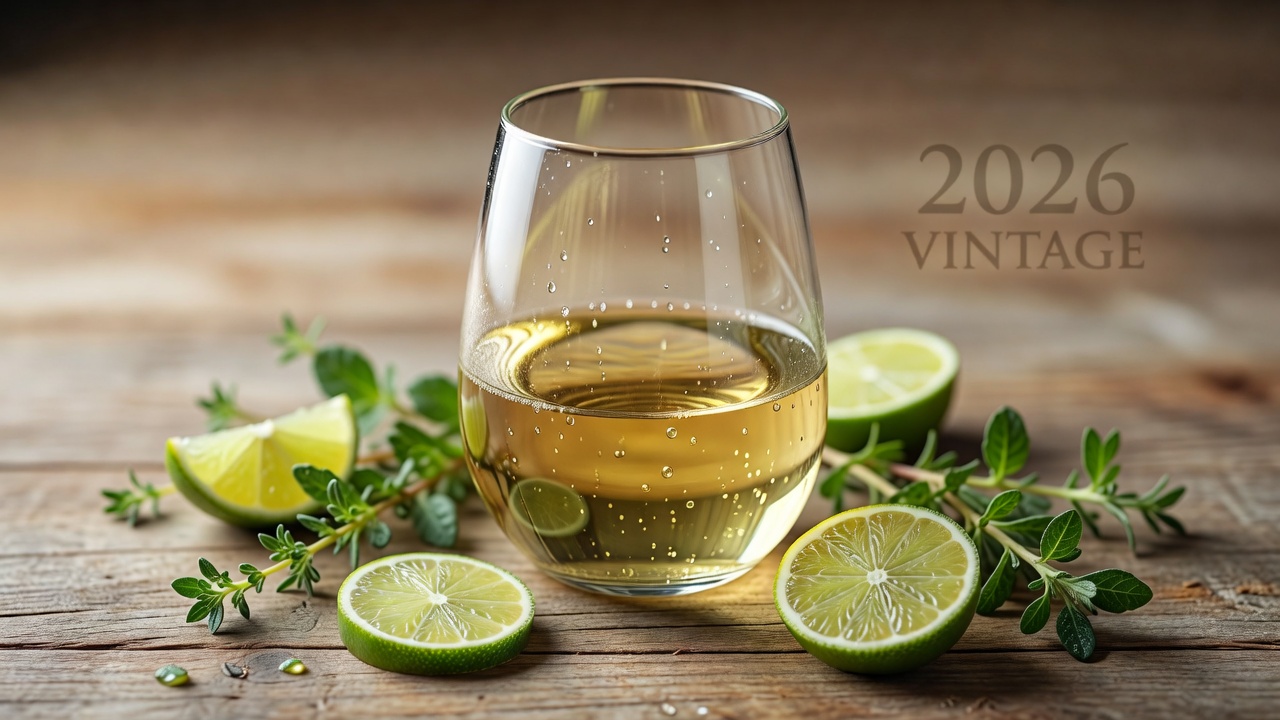
Discovering the vibrant world of Sauvignon Blanc starts with understanding its signature tasting notes. This 2026 beginner's guide helps newcomers build structured review skills by focusing on citrus, grassy, and mineral elements that define the grape. Whether exploring bottles from the current vintage or building a personal tasting journal, structured notes enhance appreciation and sharing. The 2026 vintage highlights crisp acidity and bright fruit profiles due to favorable growing conditions across key regions. Beginners can quickly gain confidence by following simple templates and avoiding common mistakes. Sauvignon Blanc remains one of the most approachable white wines for new enthusiasts because its flavors are bold yet easy to identify once you know what to look for.
Structured tasting transforms random sipping into a skill you can refine over time. In 2026, many producers emphasize sustainability, which often results in cleaner expressions of the grape's natural characteristics. This guide walks through every element you need, from first swirl to final note, with plenty of real-world examples to practice on.
Core Aroma and Flavor Markers
Sauvignon Blanc typically showcases three main categories of notes: citrus fruits, green herbs, and minerality. Citrus often appears as lemon, lime, or grapefruit zest. Grassy elements range from fresh-cut grass to bell pepper or jalapeño. Minerality evokes wet stone, flint, or saline qualities. In 2026 expressions, these markers appear more pronounced with enhanced purity from cooler nights during ripening. Start by swirling the glass to release aromas, then note intensity on a scale of one to five before tasting.
Citrus Notes in Detail
The citrus spectrum in Sauvignon Blanc can include bright lemon zest, tart lime, and ruby grapefruit. In warmer 2026 vintages from certain areas you may also detect subtle orange blossom. These notes come from the grape's natural acidity and are most vivid when the wine is served at the right temperature.
Green and Herbal Elements
Herbal notes define the variety. Fresh grass, tomato leaf, and green bell pepper appear consistently. Some tasters also pick up hints of mint or basil. These aromas develop from pyrazines in the grape skins and become more or less prominent depending on ripeness levels achieved in 2026.
Minerality and Texture
Minerality gives Sauvignon Blanc its backbone. Descriptors such as wet river stone, crushed flint, or ocean breeze help communicate the sensation. This quality often pairs with a mouthwatering finish that makes the wine feel refreshing rather than heavy.
Step-by-Step Note-Taking Template
Use this repeatable template for every tasting. Record details immediately after each sip. For example, a 2026 New Zealand pour might read: "Intense lime and passionfruit nose, medium-plus acidity, grassy mid-palate with flinty finish."
- Appearance: Note color intensity from pale straw to deeper gold and check for clarity or any sediment.
- Nose: List three to five primary aromas with intensity ratings. Include fruit, herb, and mineral descriptors.
- Palate: Track how flavors evolve from entry to mid-palate to finish. Rate acidity, body, alcohol, and length.
- Overall Impression: Give a personal score out of 100 and suggest food pairings that would complement the wine.
Repeat this process with multiple bottles to build pattern recognition. Over several weeks you will notice your descriptions becoming more precise and consistent.
Regional Style Comparisons: New Zealand vs Loire
New Zealand Sauvignon Blanc, especially from Marlborough, leans toward tropical and citrus exuberance with zesty acidity. Expect passionfruit, gooseberry, and lime alongside lively acidity that makes the wine feel energetic. Loire Valley examples from Sancerre or Pouilly-Fumé emphasize restraint, smoky minerality, and herbal precision. These wines often display flint, wet stone, and subtle grass with a longer, more linear finish.
Compare side-by-side: New Zealand versions often score higher on fruit-forward appeal while Loire wines excel in elegance and age-worthiness. The 2026 vintage amplifies these distinctions through balanced ripeness. Adding a third region such as California can highlight how oak influence sometimes softens the variety's sharp edges, though most classic examples remain unoaked.
Learn more about regional profiles at Decanter and explore global vintage reports via Jancis Robinson. Additional perspective appears at Wine-Searcher.
Practical Scoring Examples
Apply a 100-point scale for consistency. A lively 2026 Marlborough Sauvignon Blanc might earn 92 points for its explosive citrus and balanced structure. A classic Loire example could score 89 for its elegant minerality and subtle grass notes. Break scores into categories: 50 points for quality of fruit, 30 for balance and acidity, and 20 for complexity and finish. Adjust based on personal preference.
Another example: A 2026 Sancerre with pronounced flint and lemon thyme might receive 91 points because of its precision and refreshing finish length of forty-five seconds. Track your scores over time to see how your palate evolves.
Common Pitfalls to Avoid
- Overlooking temperature: Serve chilled at 8-10°C to preserve aromas. Warmer temperatures mute citrus and allow alcohol to dominate.
- Using vague terms: Replace "nice" with specific descriptors like "grapefruit pith" or "freshly mown grass."
- Ignoring vintage context: Note how 2026's conditions influence ripeness and acidity levels compared with previous years.
- Skipping the finish: Track how long flavors linger after swallowing. A short finish often indicates lower quality or poor storage.
- Tasting too quickly: Allow the wine to open in the glass for two minutes before finalizing notes.
Training Your Palate for Better Results
Beginners improve fastest when they taste deliberately. Start with single-varietal flights and focus on one marker at a time, such as citrus intensity across three different bottles. Repeat the exercise weekly. Over four to six weeks most people notice measurable improvement in descriptive accuracy. Pair practice with reference standards like lemon zest or crushed flint to calibrate your senses.
Building Your Tasting Journal
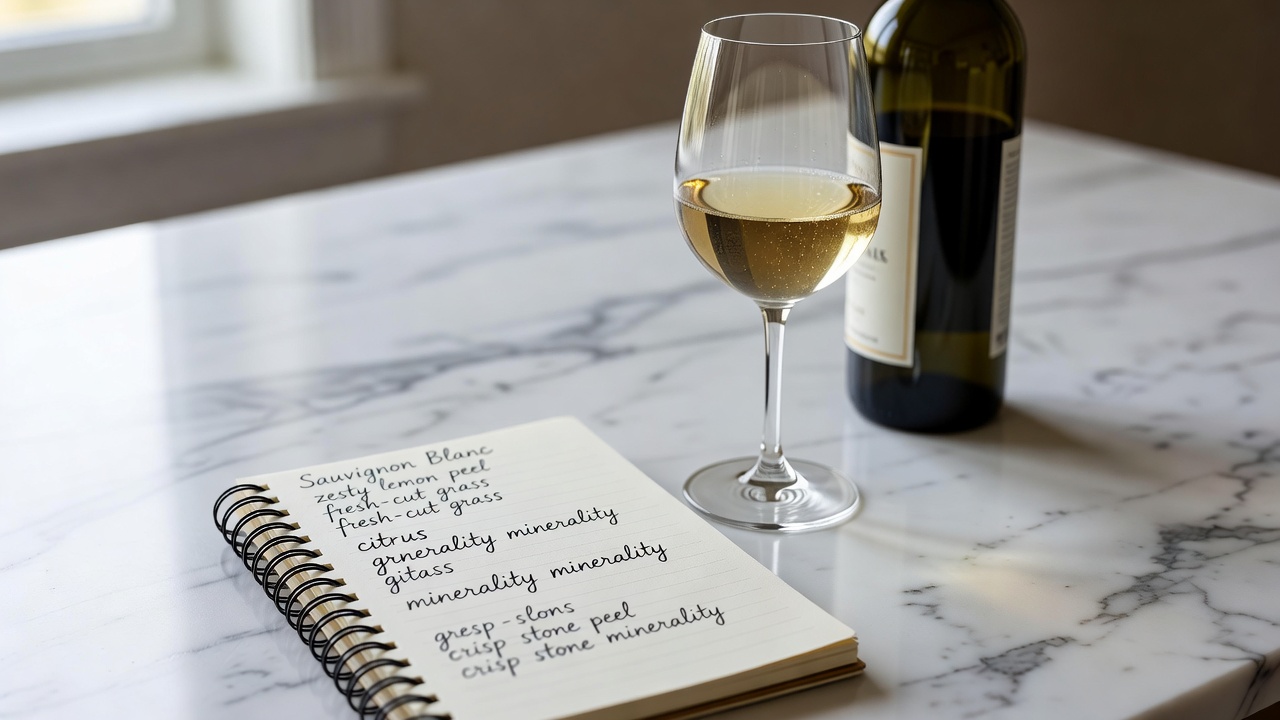
A physical or digital journal keeps your progress visible. Include date, producer, vintage, price range, and your full template notes. After ten entries you can spot personal trends, such as a preference for higher-acidity styles. Share select entries online to receive feedback from other enthusiasts and refine your language further.
FAQ: Food Pairings for Sauvignon Blanc
What foods pair best? Goat cheese, grilled fish, asparagus, and salads with citrus dressings complement the wine's acidity. The bright notes cut through creamy textures while herbal elements echo vegetable dishes.
Can it handle spice? Yes, the grassy notes cut through mild heat in Thai or Mexican dishes. Avoid very hot chilies that can overwhelm the wine's delicate fruit.
Best serving temperature? 45-50°F keeps flavors vibrant without muting them. Use an ice bucket for outdoor tastings in warm weather.
Does it age well? Most 2026 examples are best enjoyed within two to three years, though top Loire bottles can develop interesting honeyed notes after five years.
Tips for Creating Shareable Personal Reviews
Photograph your glass and notes for social media. Use hashtags like #SauvignonBlanc2026 and focus on one standout aroma. Compare multiple vintages to track evolution. Join online communities to exchange templates and refine your palate. Consistent practice transforms casual sipping into expert-level appreciation. Begin with affordable 2026 bottles and build your tasting vocabulary gradually. Consider blind tasting with a friend to remove label bias and strengthen objective description skills.
Conclusion
This guide equips beginners with the tools to confidently describe Sauvignon Blanc tasting notes. Apply the templates, compare regions, and avoid pitfalls to create meaningful reviews that enhance every glass in 2026 and beyond. With regular practice your notes will become richer, more accurate, and more enjoyable to share with fellow wine lovers.
No comments yet. Be the first!