 Uncorked Conversations
Introduction to 2026 Albariño Wines
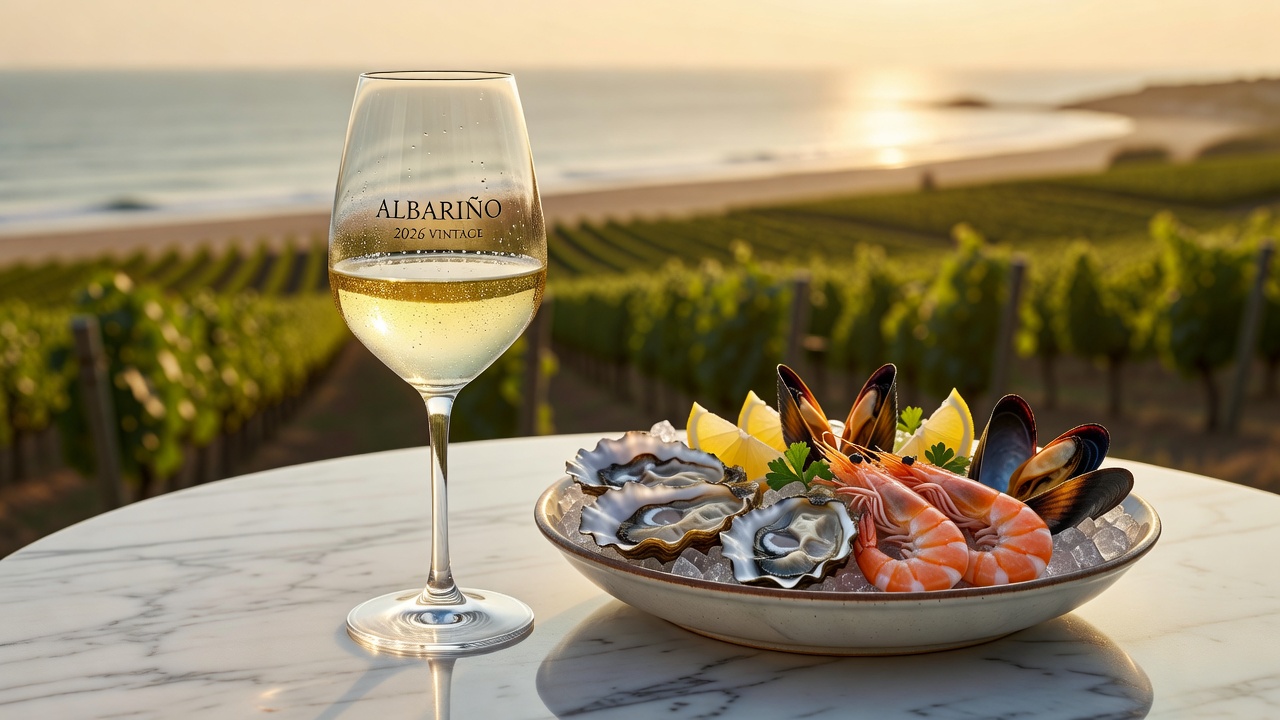
Albariño continues to captivate wine enthusiasts in 2026 with its vibrant acidity and aromatic complexity. This article delivers in-depth tasting notes and scores from key regions including Rías Baixas in Spain and emerging areas in Portugal and California. Readers will discover standout vintages, practical tasting guidance, and value recommendations to enhance their next wine selection. The 2026 vintage stands out for its balance of ripeness and freshness, driven by ideal growing conditions in coastal zones that preserved natural acidity while allowing full phenolic development.
Albariño grapes thrive in cool coastal climates, producing wines that balance citrus freshness with subtle minerality. The 2026 vintage shows excellent ripeness balanced by crisp acidity across multiple appellations, making it one of the most exciting years for this grape in recent memory. Enthusiasts seeking fresh vino reviews will find concrete examples here that highlight both everyday drinking wines and age-worthy bottles.
Understanding the 2026 Vintage Characteristics
The 2026 growing season featured moderate temperatures and well-timed rainfall, resulting in wines with pronounced aromatics and lively structure. Acidity levels typically range from 6.2 to 7.5 grams per liter, providing the backbone that allows these wines to pair beautifully with a wide range of dishes. Alcohol content hovers between 12.5 and 13.5 percent, keeping the wines refreshing rather than heavy.
Regional Reviews and Scores from Rías Baixas
Rías Baixas remains the benchmark for Albariño quality. Wines from the Val do Salnés subzone often score 92+ points for their intense peach and saline notes. In 2026, producers in O Rosal delivered elegant examples with aging potential of 5–8 years. The Condado do Tea subzone produced slightly richer styles scoring 90–93 points, featuring notes of ripe apricot and fresh herbs. Key scores for 2026 releases include several 94-point wines featuring lemon zest, wet stone, and honeysuckle aromas. These wines demonstrate exceptional typicity and are expected to evolve gracefully in the cellar.
Subzone Comparisons Within Rías Baixas
Val do Salnés offers the most saline, mineral-driven expressions, while Soutomaior tends toward floral and citrus-forward profiles. Tasters consistently award higher marks to single-vineyard bottlings that reflect unique soil types such as granite and schist.
Emerging Regions and Comparative Tasting Notes
Beyond Spain, Albariño from Portugal’s Vinho Verde region offers lighter, spritzy profiles scoring 88–91 points. California coastal examples show riper tropical fruit with scores reaching 90–93, often displaying mango and passionfruit alongside the classic citrus core. Oregon and Washington state versions are gaining attention for their crisp apple and pear notes, frequently scoring in the low 90s. Compared to similar whites like Sauvignon Blanc, Albariño displays softer acidity and more floral character. Versus Pinot Grigio, it offers greater aromatic intensity and aging potential up to a decade in top vintages. Wine Magazine experts note that Albariño’s versatility makes it a strong contender in blind tastings against more expensive international whites.
Acidity Levels, Flavor Profiles, and Aging Potential
Acidity is the defining feature of great Albariño. In 2026, wines from cooler sites retained bright malic acid that translates to mouthwatering lemon-lime sensations on the palate. Flavor profiles range from green apple and grapefruit in youthful examples to toasted almond and dried apricot after two to three years of bottle age. Top 2026 vintages show potential for 7–10 years of development, with secondary aromas of honey and wet wool emerging over time.
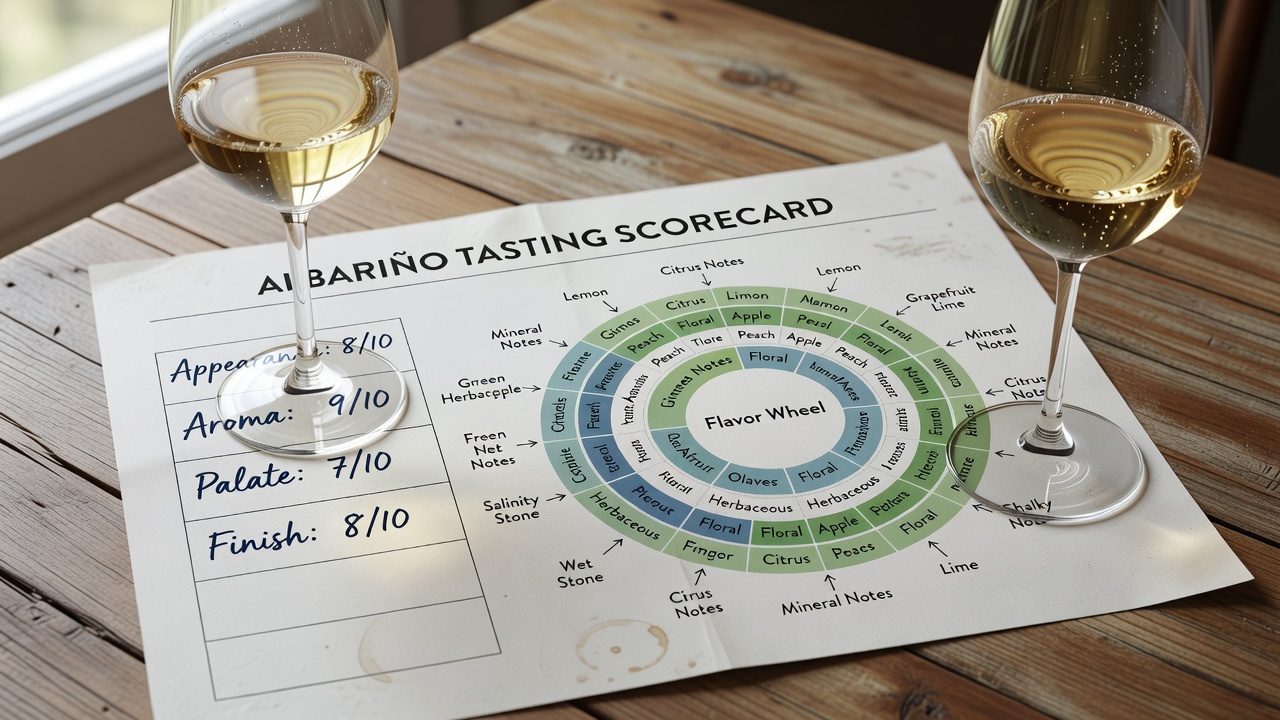
Beginner-Friendly Scoring Rubric
- Appearance: Pale straw to golden hues earn 15–20 points; deeper gold indicates possible skin contact or older vintage.
- Aroma: Intensity of citrus, stone fruit, and floral notes (25–30 points); look for purity rather than overt oak influence.
- Palate: Acidity balance, minerality, and finish length (30–35 points); a long, saline finish adds significant points.
- Overall: Complexity and typicity (15–20 points); wines that clearly express Albariño character score highest.
Total scores above 90 indicate outstanding examples suitable for cellaring, while 85–89 point wines offer excellent everyday value.
Practical Steps for Conducting Your Own Albariño Tasting
- Select 4–6 bottles from different regions and chill to 8–10°C for optimal aroma release.
- Prepare a scorecard covering appearance, nose, palate, and finish length.
- Taste blind to avoid bias and note specific descriptors like grapefruit, almond, or sea spray.
- Compare acidity levels and aging potential through multiple sips over 30 minutes.
- Record scores and revisit bottles after 24 hours to assess evolution and development.
- Include a control wine from a previous vintage to understand vintage variation.
- Pair samples with simple foods such as olives or almonds to see how pairings change perception.
- Photograph labels and notes for future reference and sharing with fellow enthusiasts.
Food Pairing Recommendations
Albariño pairs exceptionally with seafood. Try 2026 vintages with grilled octopus, oysters, or ceviche. The wine’s acidity cuts through richness while complementing herbal sauces. For vegetarian options, pair with goat cheese salads or asparagus risotto. Heavier preparations such as roasted chicken with lemon work well with slightly oak-influenced examples. Decanter regularly highlights Albariño’s affinity for Spanish tapas and Asian-inspired dishes featuring ginger and citrus.
Common Mistakes to Avoid When Buying and Tasting Albariño
Many collectors overlook older vintages, assuming Albariño must be drunk young. Another frequent error is serving the wine too cold, which mutes its delicate aromatics. Always allow the bottle to warm slightly after refrigeration. Finally, avoid assuming all Albariño tastes the same; regional differences are pronounced and worth exploring.
FAQs on Value Albariño Picks
Many quality 2026 Albariño bottles deliver excellent value without exceeding twenty-five dollars as of 2026-08-23. Look for lesser-known producers from Rías Baixas subzones for balanced acidity and fruit at accessible prices. These wines typically score 88–91 points yet offer comparable enjoyment to higher-priced options. Questions about aging are common; most value picks are best consumed within three years, though exceptional bottles can improve longer. Storage in a cool, dark place preserves freshness effectively.
Conclusion
2026 marks another strong year for Albariño across regions. Use the provided rubric and tasting steps to explore confidently, and seek pairings that highlight the grape’s signature freshness. Continued exploration will reveal new favorites for every palate and budget.
No comments yet. Be the first!