 Uncorked Conversations
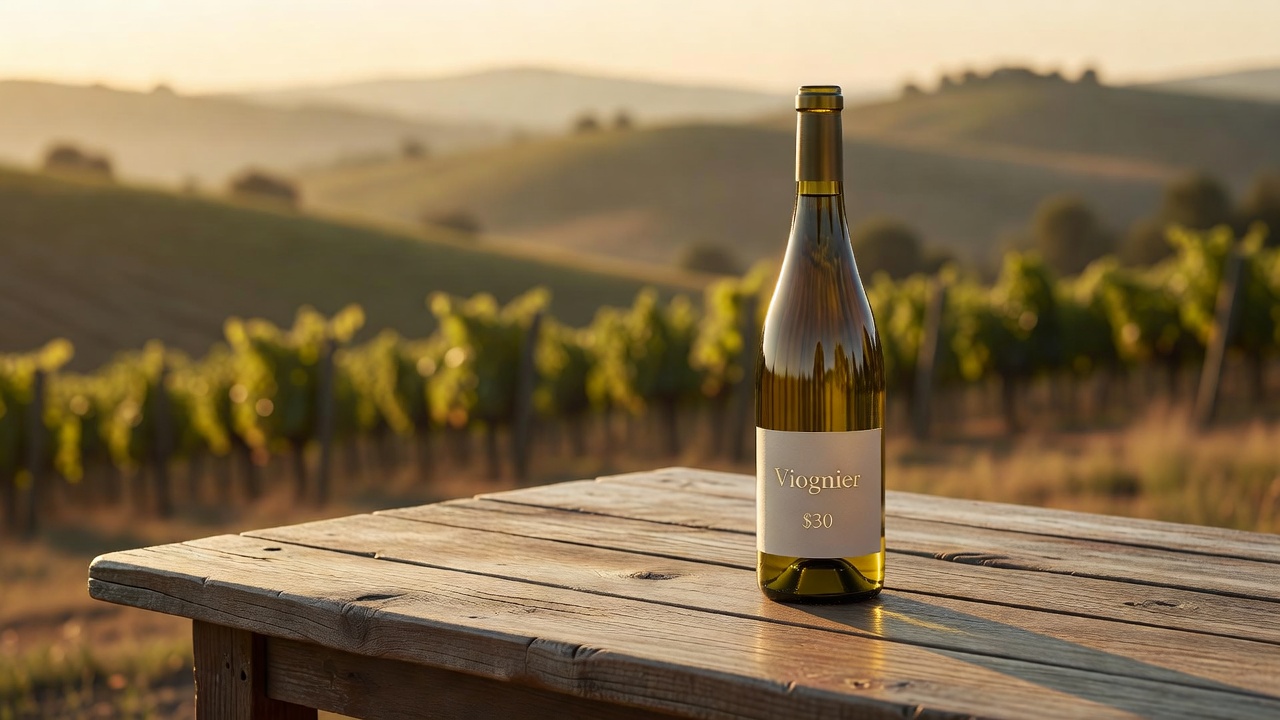
Introduction to Viognier in 2026
Viognier continues to captivate wine enthusiasts in 2026 with its aromatic intensity and versatile expressions. This guide delivers detailed tasting notes, regional scores, and practical insights for those seeking alternatives to mainstream grapes like Chardonnay or Sauvignon Blanc. Climate, soil, and winemaking techniques shape distinct profiles across the globe, making it essential for enthusiasts to understand these nuances when selecting bottles from recent vintages. Whether you are building a cellar or simply exploring new varietals, Viognier offers layers of floral, stone fruit, and spice characteristics that reward careful tasting.
Understanding Viognier Aromas and Palate
Viognier typically offers floral and stone-fruit notes. Primary aromas include apricot, peach, and honeysuckle, while secondary elements from oak aging add vanilla or spice. Palate differences emerge from climate: cooler sites yield higher acidity and citrus, whereas warmer areas produce richer, fuller-bodied wines with lower acidity. In practice, a 2025 vintage from a cooler region might display prominent lemon zest and white flower aromas on the nose, transitioning to a crisp, mineral-driven finish on the palate. Warmer climate examples often reveal riper mango and ginger notes alongside a creamy texture from malolactic fermentation. These variations stem from the grape’s thick skins and sensitivity to temperature, which influence sugar accumulation and phenolic development during ripening.
Major Regions and 2026 Scores
France’s Northern Rhône, especially Condrieu, remains the benchmark. Recent vintages scored 91-94 points for their balance of floral lift and mineral depth. Australia’s Eden Valley delivers vibrant expressions scoring 89-92, noted for ginger and citrus zest. California’s cooler coastal zones earned 88-91 for elegant peach and floral profiles. South Africa’s Stellenbosch bottlings reached 90 points for tropical fruit intensity balanced by freshness. Climate influences are clear: Rhône’s granite soils contribute minerality, while Australian sites emphasize fruit ripeness. Winemaking styles range from stainless-steel fermentation preserving purity to oak contact adding texture. Additional regions like Washington State’s Columbia Valley have produced 2025 bottlings scoring 87-90, highlighting bright apricot and subtle herbal notes from volcanic soils. In Italy’s Piedmont, emerging Viognier plantings yield lighter styles around 85-88 points, often fermented in neutral vessels to emphasize purity.
Expert tasters evaluate these wines on criteria including aromatic complexity, balance of fruit and acidity, and length of finish. For instance, a high-scoring Condrieu might show layered peach blossom, wet stone, and subtle almond on the finish, reflecting the region’s steep terraced vineyards and cool nights that preserve acidity.
Old World Versus New World Expressions
Old World Viognier from France emphasizes restraint, with subtle florals and crisp acidity. New World versions from Australia and California often show riper fruit, higher alcohol, and bolder oak influence. Recent vintages highlight these contrasts: a 2025 Condrieu offers nuanced pear and wet stone, while a 2025 Eden Valley shows mango and spice. Old World producers frequently employ whole-cluster pressing and minimal intervention to highlight terroir, resulting in wines with greater aging potential. New World winemakers may use techniques such as barrel fermentation or lees stirring to build mouthfeel and enhance tropical fruit expression. These stylistic differences become evident when comparing a mineral-driven French example against a lush, oaked Australian counterpart side by side.
Top Value Picks Under $30
Affordable Viognier options under $30 as of 2026-08-18 deliver excellent quality. Look for 2025 vintages from Australia’s Clare Valley or California’s Central Coast. These wines showcase apricot and floral notes without premium pricing, making them ideal entry points for enthusiasts. Practical examples include stainless-steel fermented bottles that retain vibrant acidity and fruit-forward profiles suitable for everyday drinking. When shopping, check for recent vintages from smaller producers who focus on sustainable farming to maximize value.
Food Pairing Suggestions
Viognier pairs beautifully with seafood, spicy Asian cuisine, and creamy cheeses. Its aromatic lift complements grilled prawns or Thai curries. For richer styles, consider roast chicken or pork dishes. Avoid heavy red meats that overpower the wine’s delicate fruit. The wine’s natural acidity cuts through rich sauces while its floral aromas enhance herbal elements in dishes. A medium-bodied example works well with roasted vegetables or light pasta preparations featuring lemon and herbs.
- Grilled fish with citrus salsa – the acidity mirrors the wine’s own freshness
- Spicy chicken stir-fry – floral notes tame heat and complement ginger
- Soft-ripened cheeses like Brie – creamy texture matches fuller-bodied styles
- Vegetable risottos with herbs – enhances herbal and stone-fruit elements
- Roast pork tenderloin – balances richness with fruit-driven acidity
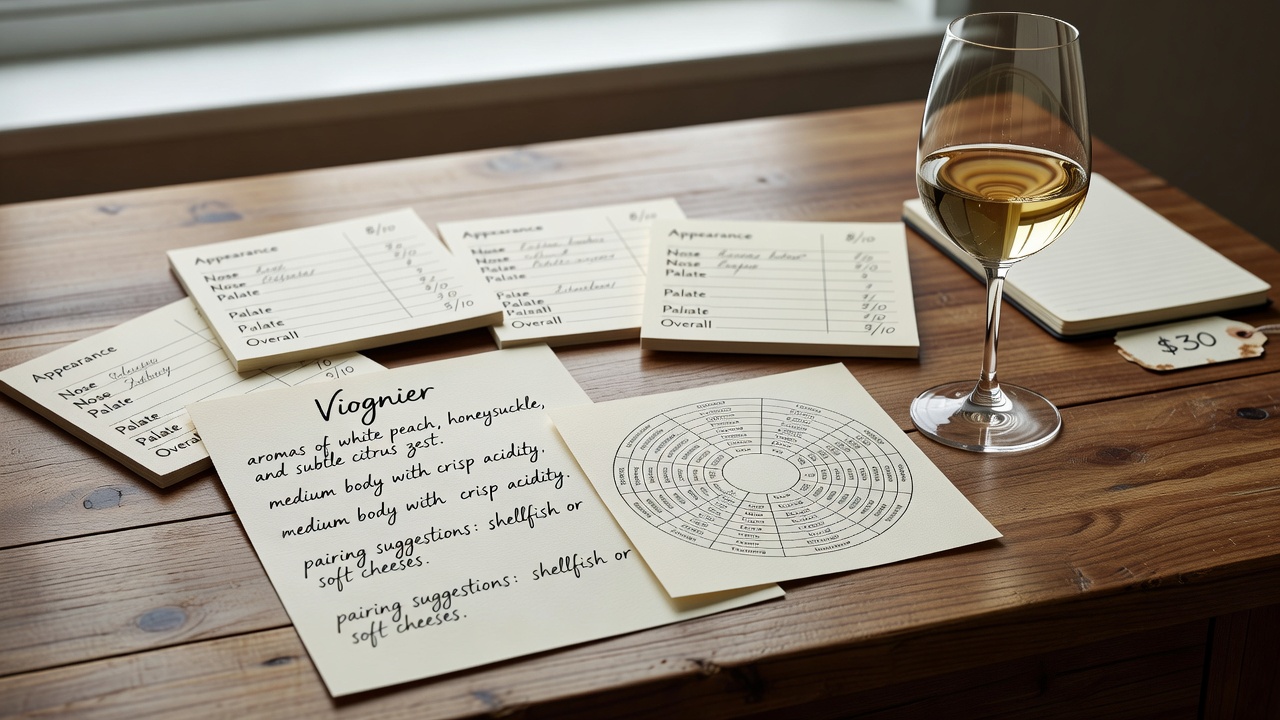
Quick-Start Checklist for Your Tasting Notes
- Observe color: pale gold to deep yellow, noting any hints of green that suggest youth or stainless-steel aging.
- Swirl and note primary aromas, distinguishing between stone fruit, floral, and spice categories.
- Assess acidity, body, and finish length on the palate, recording how climate appears to influence each element.
- Record climate and vintage influences by comparing multiple bottles from the same producer across years.
- Compare with food pairings to understand how the wine evolves in the presence of different dishes.
- Revisit notes after a few days to track how the wine opens up in the bottle.
Short FAQ on Score Interpretation
What do scores above 90 mean?
Scores above 90 indicate outstanding quality with excellent balance and complexity, often from top vintages or regions. They signal wines that consistently impress professional tasters across multiple attributes.
How reliable are expert scores?
Expert scores provide guidance but personal taste varies. Use them alongside your own notes for informed choices. Decanter and OIV offer additional context on regional standards and evaluation methods.
Should beginners focus on high scores?
Start with mid-range scores to explore styles affordably before investing in higher-rated bottles. Jancis Robinson resources help build foundational knowledge through detailed tasting guides.
Do scores account for vintage variation?
Yes, scores often reflect specific vintage conditions, so comparing across years reveals how weather impacts a region’s typical profile.
Conclusion
This 2026 guide equips readers with the tools to appreciate Viognier’s diversity. Experiment with regional examples, apply the checklist, and refine your palate through thoughtful pairings and comparisons. By understanding climate and style differences, enthusiasts can make more confident selections that match their preferences and occasions.
No comments yet. Be the first!