 Uncorked Conversations
Introduction to Fortified Wines
Fortified wines such as Port, Sherry, and Madeira stand apart from table wines because of their higher alcohol content and unique aging processes. These differences demand specialized storage and serving techniques that preserve delicate nutty, dried fruit, and caramelized aromas. Home enthusiasts and professionals alike benefit from understanding these protocols to enjoy every bottle at its peak. Fortified wines achieve their distinctive profiles through the addition of grape spirit during fermentation, which halts the process and leaves residual sugars intact while boosting alcohol levels to 16–22%. This production method creates stability that allows for longer aging potential and different handling compared to lighter table wines. Whether you are building a home cellar or managing a restaurant list, mastering these nuances ensures the wines express their full character without premature oxidation or muted flavors.
Why Storage Differs for Fortified Wines
Unlike still wines that benefit from horizontal storage to keep corks moist, fortified wines should stand upright. Their higher alcohol levels and residual sugars reduce the risk of cork drying, while the fortified nature makes them more stable once opened. Store bottles in a cool, dark place between 55–65°F (13–18°C) with consistent humidity around 60–70%. Avoid temperature swings that can expand and contract the liquid, potentially pushing corks or damaging seals. Upright positioning also prevents any sediment from settling along the side of the bottle, which is especially useful for vintage Ports that may develop deposits over decades. In practice, sommeliers recommend dedicating a separate rack or shelf for fortified bottles to avoid accidental horizontal placement that could lead to label damage from minor leakage over time.
Ideal Serving Temperatures
Serving temperature dramatically affects aroma perception. Ruby Ports shine at 60–65°F (15–18°C), while aged Tawny Ports perform best slightly cooler at 55–60°F (13–15°C). Sherry styles vary: Fino and Manzanilla at 45–50°F (7–10°C), Oloroso and Amontillado at 55–60°F (13–15°C). Madeira, with its baked character, tastes optimal at 60–65°F (15–18°C). Always allow bottles to acclimate gradually rather than forcing temperature changes. For example, removing a bottle from refrigeration 20–30 minutes before service allows the wine to reach the precise range where volatile compounds become most expressive. Over-chilling can suppress the signature dried-fruit and spice notes, while serving too warm can make alcohol feel harsh and overpower subtler aromas.
Glassware That Enhances Aromas
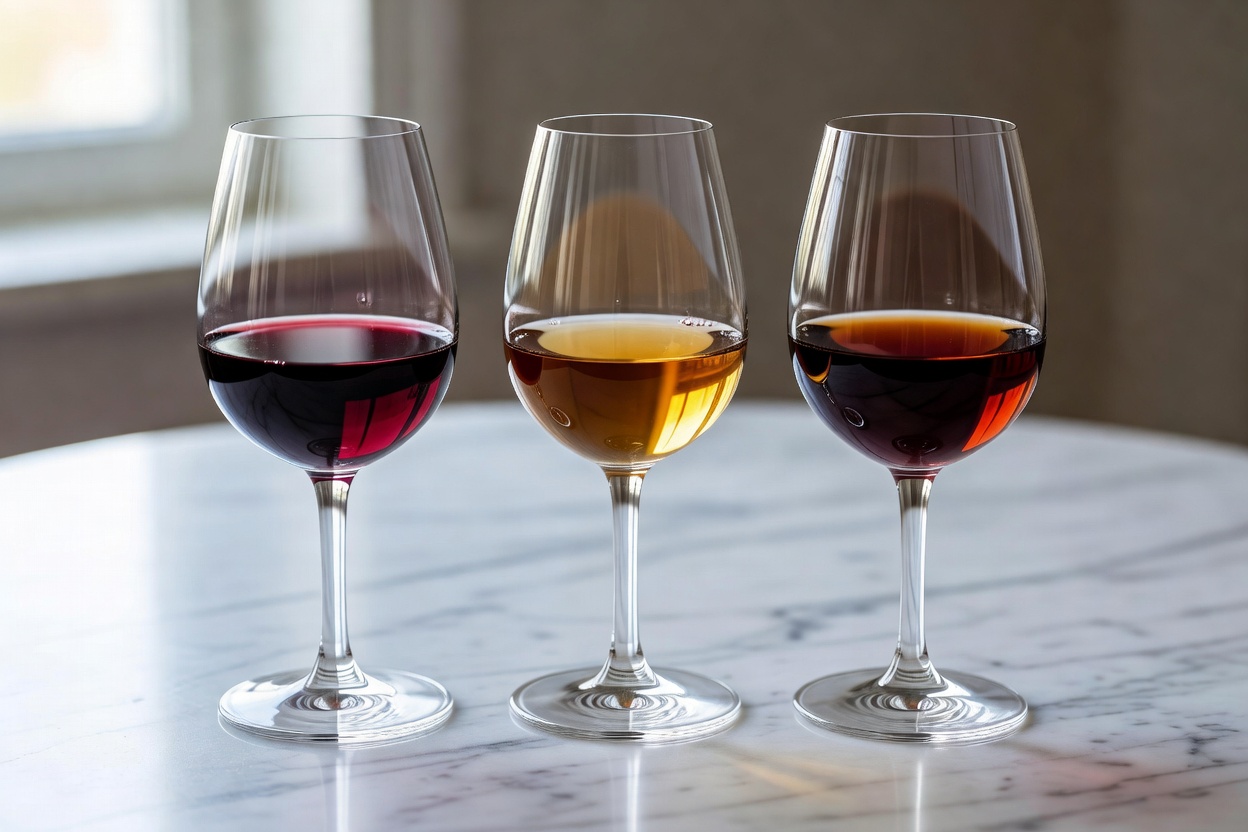
Choose tulip-shaped glasses with a narrow rim to concentrate volatile compounds. Port glasses typically hold 6–8 ounces, allowing room for swirling without spilling. Avoid large Burgundy bowls that dissipate the concentrated nutty and sweet notes. For Sherry, copita glasses with their elongated shape focus delicate flor aromas, while Madeira benefits from similar tulip forms. The shape influences how oxygen interacts with the surface of the wine during swirling, helping release layered scents of toasted nuts, dried figs, and caramel. Professionals often keep a dedicated set of smaller glasses specifically for fortified wines to prevent cross-contamination of aromas from previous table-wine pours. Testing different shapes during tastings reveals noticeable differences in how quickly the bouquet opens and how long it lingers in the glass.
Minimal Decanting Requirements
Most fortified wines require little or no decanting. Vintage Ports with sediment benefit from careful decanting 30–60 minutes before serving, but Tawny Ports and most Sherries can be poured directly. Use a fine-mesh strainer if sediment appears. Over-decanting can cause rapid oxidation that dulls complex flavors. In restaurant settings, sommeliers frequently decant only the oldest vintage Ports at the table to showcase the process, while everyday Ruby and Late Bottled Vintage styles are served straight from the bottle after a gentle pour. This selective approach preserves freshness in wines that have already undergone extensive barrel or bottle aging.
Step-by-Step Guide to Opening and Pouring
- Inspect the capsule and remove it cleanly with a knife, taking care not to damage the cork underneath.
- Wipe the bottle neck thoroughly to remove any accumulated dust or residue that could fall into the glass.
- Use a standard waiter’s corkscrew; fortified wine corks are often shorter and firmer than those in table wines, requiring steady pressure.
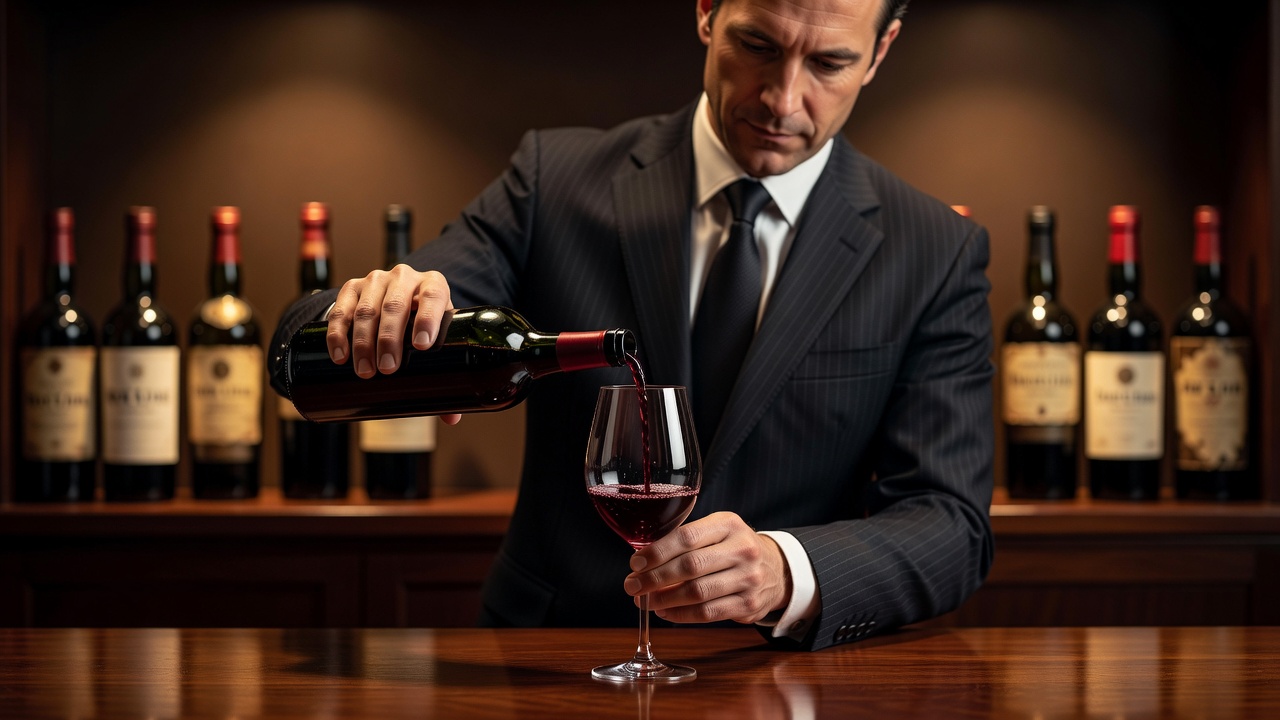
- Pour slowly into the center of the glass, stopping at the widest point for optimal aroma release and to avoid overfilling.
- Replace the cork immediately after pouring to minimize oxidation and extend the life of the remaining wine.
- Store the opened bottle upright in a cool location and consume within the recommended window for each style.
Comparing Port, Sherry, and Madeira Styles
Port from Portugal offers rich red and tawny expressions with berry and nut profiles. Ruby Ports emphasize youthful fruit, while aged Tawnies develop complex notes of dried apricot, hazelnut, and toffee through extended oxidative aging. Sherry from Spain ranges from bone-dry Fino to sweet Pedro Ximénez, showcasing oxidative and biological aging under flor yeast. Fino delivers crisp almond and saline qualities, whereas Oloroso presents deeper walnut and leather tones. Madeira from Portugal’s island undergoes heat aging, producing caramel, dried fruit, and spice notes that remain vibrant for decades. Each style’s unique production influences the exact storage and serving tweaks described above, with Madeira’s heat treatment granting exceptional resilience to temperature variations during transport and cellaring.
Real-World Sommelier Experiences
Seasoned sommeliers often note that guests mistakenly chill Port too aggressively, muting its signature dried-fruit bouquet. One veteran recalls a 20-year-old Tawny served at 70°F (21°C) that opened beautifully after 15 minutes at room temperature, revealing layers of butterscotch and roasted coffee. Another professional emphasizes matching glass shape to wine style during tastings, observing that proper tulip glasses consistently improve guest perception of nutty aromas across multiple flights. In one memorable service, a sommelier paired a chilled Fino Sherry with fresh oysters, demonstrating how precise temperature control elevates both the wine and the dish. These experiences underscore the importance of adapting techniques to each specific bottle and audience.
Common Pitfalls and How to Avoid Them
- Over-chilling: Masks volatile aromas; let wine warm gradually on the table rather than serving straight from the refrigerator.
- Wrong glassware: Wide bowls dissipate concentrated scents, so select tulip or copita shapes designed for fortified styles.
- Storing horizontally: Unnecessary and can lead to label damage from leakage or sediment distribution along the bottle wall.
- Prolonged decanting: Causes premature oxidation in most styles; limit exposure time except for the oldest vintage Ports.
- Using regular wine openers incorrectly: The denser corks in fortified bottles require controlled twisting to avoid breakage.
FAQ
Can I store opened Port in the fridge?
Yes, but return it to serving temperature before pouring. Opened bottles keep 4–6 weeks when recorked and refrigerated, with Ruby styles lasting slightly shorter than Tawnies.
Should I use a vacuum pump on fortified wines?
Vacuum pumps are less effective due to higher alcohol; simply recork tightly and store upright in a cool spot for best preservation.
How long do unopened bottles last?
Properly stored, unopened fortified wines remain excellent for decades, especially vintage Ports and aged Madeiras that can improve with extended cellaring.
What foods pair best with these wines?
Port complements blue cheese and chocolate desserts, Sherry pairs with olives and seafood, and Madeira enhances roasted nuts or aged cheeses.
Conclusion
Mastering these sommelier techniques transforms how you experience Port, Sherry, and Madeira. Upright storage, precise temperatures, appropriate glassware, and minimal decanting preserve the distinctive qualities that make fortified wines special. Apply these practical steps and your next bottle will deliver the full depth of flavor intended by its makers. For further authoritative reading, explore Decanter and Wine Folly.


No comments yet. Be the first!