 Uncorked Conversations

Introduction to Wine Faults in Professional Service
Every sommelier faces the challenge of identifying wine faults during service. Detecting issues such as cork taint, oxidation, or reduction ensures guests enjoy flawless pours. This comprehensive guide provides practical steps for real-time problem solving in restaurants and at home events, covering sensory evaluation methods, targeted remedies, and decision frameworks that help maintain service excellence. Wine faults can arise from storage conditions, cork quality, or handling errors, and addressing them swiftly preserves the dining experience while demonstrating expertise. In busy service environments, quick identification prevents guest dissatisfaction and protects the establishment's reputation for quality.
Common Wine Faults Explained in Detail
Understanding faults begins with recognizing their causes and chemical origins. Cork taint stems from TCA contamination in natural corks, producing musty aromas reminiscent of wet cardboard or damp basement. Oxidation occurs from excessive air exposure through faulty seals or improper decanting, leading to sherry-like notes in young wines and loss of vibrant fruit. Reduction results from sulfur compounds developing in low-oxygen environments, creating struck-match or rotten egg smells that mask desirable characteristics. Other faults include Brettanomyces, which imparts barnyard or medicinal notes, and volatile acidity that produces vinegar aromas. Each fault varies in intensity depending on grape variety, winemaking style, and bottle age. For instance, natural wines may exhibit reduction more frequently due to minimal sulfur additions, while aged bottles are more prone to oxidation if stored incorrectly.
Sensory Checks: Sight, Smell, and Taste Protocols
Start with visual inspection under good lighting: cloudy wine, excessive sediment, or unusual color shifts such as browning in whites or brick hues in young reds signal potential problems. Next, swirl the wine gently in a clean glass and smell for off-aromas, noting intensity and persistence. Finally, taste small amounts to confirm faults before serving guests, paying attention to aftertaste and mouthfeel. Professionals recommend performing these checks away from the table initially to avoid alarming diners, then repeating at the table if needed. Temperature also plays a role, as chilled whites can mask faults until they warm slightly. Always use neutral glasses free from detergent residues that might interfere with accurate assessment.
Step-by-Step Remedies During Service
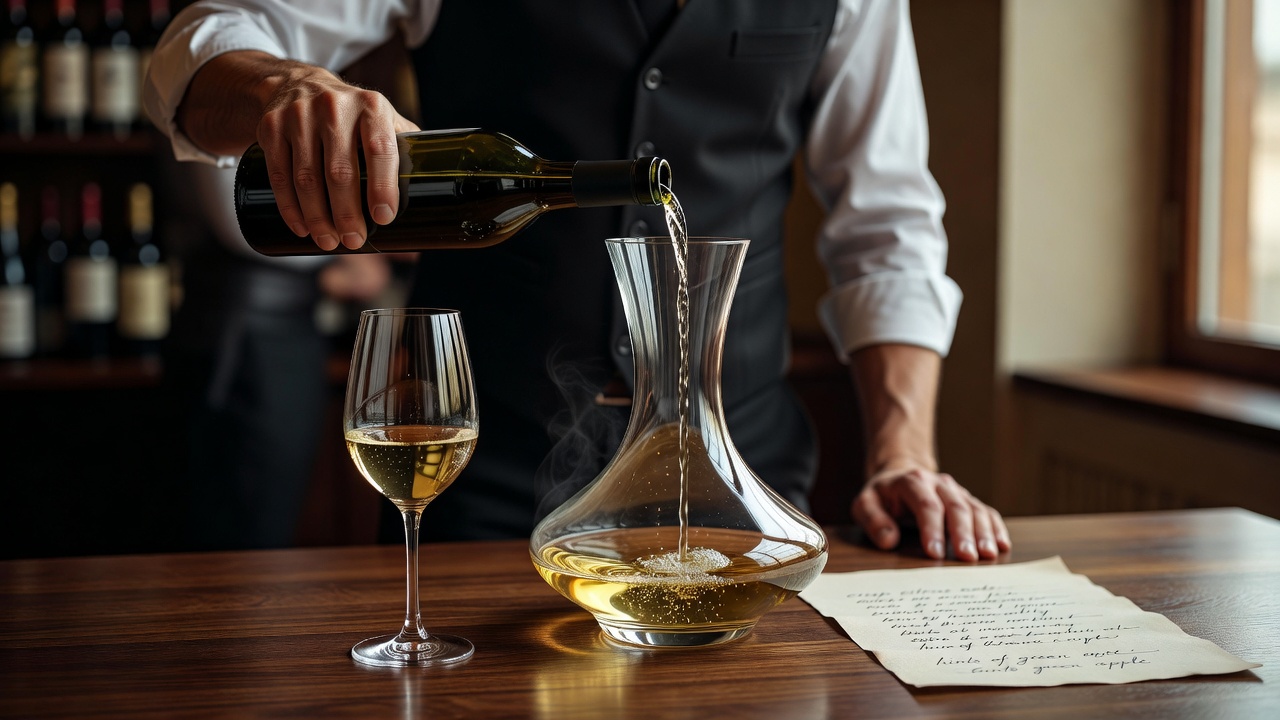
When a fault is detected, follow a structured response. First, swap to a fresh glass to rule out contamination from the original vessel. For mild reduction, aerate aggressively or drop a clean copper coin into the decanter for a few minutes to bind sulfur compounds. Mild oxidation may benefit from limited additional decanting to integrate flavors, while severe cork taint requires immediate bottle replacement. Always document the fault type and action taken for inventory records. In high-volume settings, keep backup bottles of popular selections chilled and ready. Train staff to recognize early signs during opening to minimize disruption at the table.
- Assess severity on a scale from mild (salvageable with aeration) to severe (replace immediately).
- Communicate findings to the sommelier team lead before approaching the guest.
- Offer a tasting pour from the new bottle to rebuild confidence.
- Record details including lot number and supplier for future reference.
Red and White Wine Examples with Comparisons
In reds like Cabernet Sauvignon or Syrah, cork taint appears as wet cardboard dominating dark fruit notes, while oxidation dulls tannins and introduces nutty flavors. Whites such as Chardonnay or Sauvignon Blanc show oxidation through premature browning and flattened acidity. Compare severity levels: a lightly reduced Pinot Noir might improve with swirling, whereas a heavily oxidized Riesling loses all varietal character and must be discarded. These distinctions help decide whether to attempt correction or pivot to an alternative selection. Consider regional differences, as wines from warmer climates may tolerate oxidation better than delicate cool-climate varieties.
When to Open a Backup Bottle: Decision Framework
Assess guest impact, fault intensity, and service flow. If the wine fails basic sensory standards after initial checks, discreetly replace it without disrupting the experience. Consider the table's wine knowledge; sophisticated guests may appreciate a brief explanation, while others prefer seamless substitution. Maintain a mental or written list of backup options that match the original price point and style to avoid upselling perceptions. In private events, prepare multiple backups in advance based on the menu to ensure smooth service throughout the evening.
Checklists for Home and Events
| Fault Type | Visual Signs | Aroma Indicators | Recommended Action |
|---|---|---|---|
| Cork Taint | Normal appearance | Musty, wet cardboard | Replace bottle immediately |
| Oxidation | Browning or dull color | Nutty, sherry-like | Limited decanting or replace |
| Reduction | Normal appearance | Struck match, sulfur | Aerate or use copper |
| Brettanomyces | Normal appearance | Barnyard, medicinal | Replace bottle |
FAQs on Guest Communication and Service Etiquette
How do you inform guests about a fault? Be transparent yet reassuring, using phrases such as "I noticed an off note and would like to bring a fresh bottle." Offer alternatives promptly and never argue with the guest's perception. What if the guest insists the wine is fine? Respect their preference while noting the observation for internal records. How should faults be discussed during large events? Train service staff to flag issues privately and handle replacements efficiently to maintain flow. Additional questions often arise around storage at home, where consistent temperature control between 12-15 degrees Celsius helps prevent faults from developing over time.
Prevention with Glasses, Decanters, and Storage Tools
Quality crystal glasses from Decanter minimize contamination risks through proper cleaning and storage. Using dedicated decanters with wide bases allows controlled aeration that can sometimes mitigate mild reduction without over-oxidizing the wine. Learn more from Wine Spectator resources on storage best practices. Additional prevention includes monitoring cellar humidity and temperature, rotating stock regularly, and inspecting corks upon delivery. Integrating these tools into daily service routines reduces fault occurrences significantly. Consider investing in professional-grade glassware sets that are lead-free and dishwasher-safe for consistent results across multiple services.
Advanced Techniques and Severity Comparisons
Experienced sommeliers compare fault severity using a mental rubric: aroma persistence, taste balance disruption, and guest enjoyment potential. For instance, a faint reduction in a young red may enhance complexity after aeration, whereas the same level in a delicate white demands replacement. Practice blind tasting sessions regularly to sharpen detection skills. Incorporate checklists into staff training to ensure consistency across shifts. In comparative tastings, note how faults interact with food pairings, as certain off-notes become more pronounced alongside specific dishes.
Mistakes to Avoid in Fault Detection
Common errors include rushing the sensory evaluation or using soiled glasses that introduce false positives. Avoid over-aerating wines that are already on the edge of oxidation. Never blame the guest for misperception; instead, focus on objective observations. Regular calibration with known sound wines helps maintain accuracy in judgment calls during high-pressure service moments.
Conclusion
Mastering these sommelier tips elevates service quality and guest satisfaction in any setting, turning potential service issues into opportunities to showcase professionalism and care. With consistent practice and the right tools, faults become manageable rather than disruptive.
No comments yet. Be the first!