 Uncorked Conversations

Introduction to pH and Wine Quality
Wine enthusiasts and professionals alike recognize that pH plays a critical role in determining how a wine ages, tastes, and performs at the table. Understanding the science behind acidity levels allows sommeliers to make informed decisions that preserve quality from cellar to glass. This guide explores the practical applications of pH measurement for optimizing storage environments and serving techniques across wine styles. Acidity in wine is measured on the pH scale, where lower numbers indicate higher acidity. Most wines fall between 3.0 and 4.0, but subtle differences within this range dramatically influence microbial stability, color retention, and aroma compounds over time. By mastering these principles, home collectors can extend the life of their bottles and enhance every tasting experience.
The Science of pH Ranges in Reds, Whites, and Sparkling Wines
Red wines typically exhibit pH levels between 3.4 and 3.8. Lower pH values help maintain vibrant color and structure during long-term aging. For example, a Cabernet Sauvignon at pH 3.5 often shows better tannin integration after five years compared to one at pH 3.7. White wines generally range from 3.0 to 3.4, where higher acidity preserves freshness and prevents premature oxidation. Sparkling wines demand the lowest pH, often 2.9 to 3.2, to support effervescence and crispness. Real-world case studies demonstrate these effects. A high-pH Pinot Noir (around 3.75) from a warm vintage may require cooler storage to slow chemical reactions, while a low-pH Riesling (3.1) benefits from slightly warmer conditions to encourage subtle flavor development without risking instability. Additional examples include Syrah at pH 3.6 developing earthy notes faster than expected, and Sauvignon Blanc at pH 3.2 retaining its signature grassy aromatics for longer periods in the bottle.
Practical Methods for Measuring Wine pH
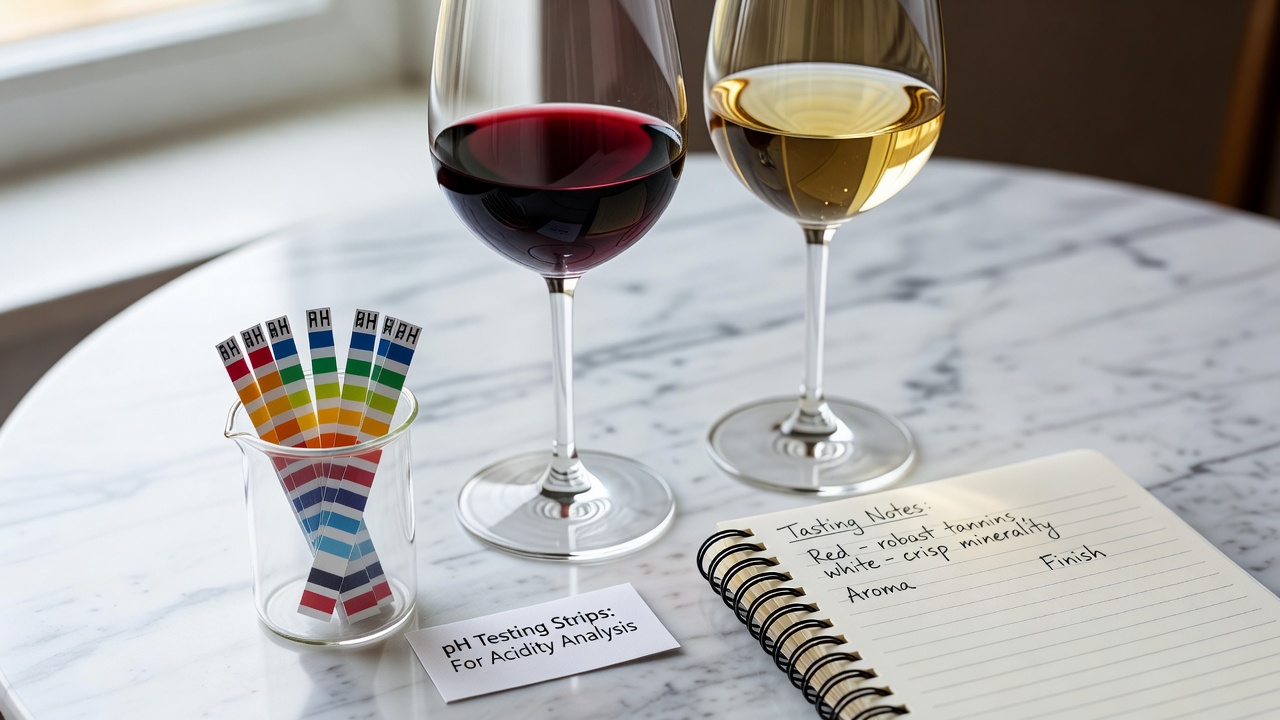
Home sommeliers can accurately assess pH using calibrated digital meters or reliable test strips designed for beverages. Begin by bringing the sample to room temperature, then calibrate the meter with standard buffer solutions. Record readings immediately after opening to capture the wine's natural state before aeration alters values. Use a pH meter with 0.01 resolution for precision. Store electrodes in proper storage solution to maintain accuracy. Cross-check with multiple readings for consistency. Consider professional lab testing for valuable collections. Another useful approach involves portable refractometers combined with titration kits for cross-verification, especially useful when traveling to vineyards or attending tastings. Always clean equipment thoroughly between samples to avoid cross-contamination that could skew results by 0.05 or more.
Storage Adjustments Based on Acidity Levels
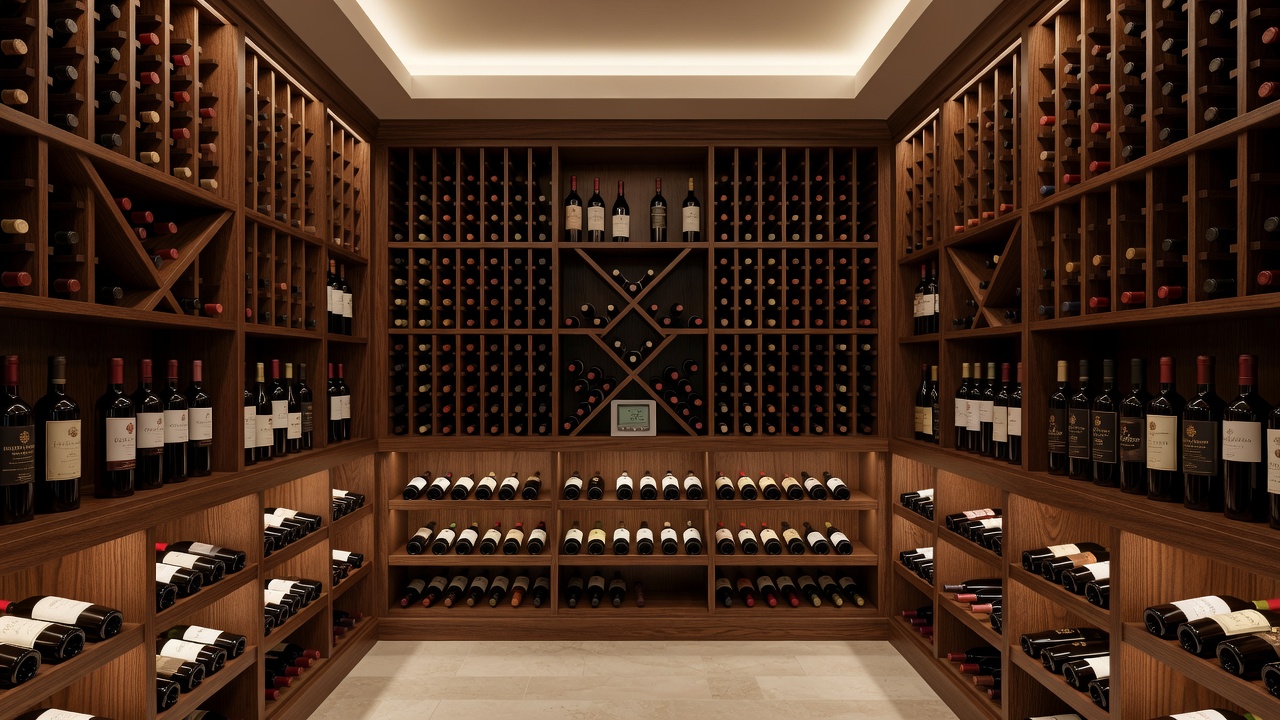
Wines with lower pH (higher acidity) are more resistant to spoilage but can taste overly sharp if stored too cold. Aim for consistent cellar temperatures around 55°F (13°C) with 60-70% humidity. Higher pH wines need extra protection from light and temperature fluctuations to avoid rapid browning or off-aroma development. Adjust racking schedules accordingly—low-pH reds may age longer on lees, while high-pH whites benefit from earlier bottling. In practice, divide your cellar into zones: one for high-acidity bottles requiring stable cool conditions and another for lower-acidity wines that tolerate minor variations. Monitor humidity with digital hygrometers and rotate bottles every six months to prevent sediment settling unevenly. For collections exceeding 100 bottles, create a spreadsheet logging each wine's pH alongside vintage and grape variety to predict optimal drinking windows.
Serving Techniques to Preserve Balance
Serving temperature should align with pH to highlight a wine's best attributes. Chill high-acidity whites to 45-50°F to emphasize vibrancy. Serve lower-acidity reds slightly cooler than room temperature, around 60°F, to maintain freshness. Decanting times also vary: high-pH wines may need longer aeration to soften tannins, whereas low-pH examples reveal fruit notes more quickly. Practical tip: Always taste a small pour first and note how temperature shifts alter perceived acidity and balance. Consider using wine-specific thermometers and aerators calibrated for different styles. For sparkling wines, pour gently at a 45-degree angle to preserve bubbles, especially when pH is at the lower end of the spectrum. Pairing considerations also shift with pH; high-acidity wines cut through fatty foods effectively, while balanced lower-acidity options enhance subtle seafood dishes.
Comparing High-pH Versus Low-pH Wines Through Case Studies
Consider two Chardonnays from the same region. The low-pH version (3.2) retained citrus notes after three years in bottle, while the high-pH counterpart (3.6) developed richer, nutty characteristics but required careful monitoring for oxidation. These comparisons help collectors decide which bottles to open soon versus those suited for extended cellaring. Another case involves two Merlots: one at pH 3.45 aged gracefully for eight years with integrated tannins, versus one at pH 3.65 that showed premature color fade after only four years. Such examples underscore why tracking pH alongside traditional tasting notes creates a more reliable aging roadmap.
Step-by-Step Guidance for Home Sommeliers
- Measure pH upon purchase or receipt using a calibrated device.
- Log data alongside tasting notes and storage location in a dedicated journal or app.
- Adjust storage zones based on readings, separating wines by acidity category.
- Monitor bottles periodically for changes in fill level or color.
- Apply serving adjustments at the table, including temperature and decanting time.
- Reassess after opening and note any evolution in perceived balance.
Common Mistakes to Avoid When Managing Wine pH
Many collectors overlook calibration of their pH meters, leading to inaccurate readings that misguide storage decisions. Another frequent error is storing all wines at the same temperature regardless of acidity, which accelerates spoilage in higher-pH bottles. Avoid exposing wines to direct light or frequent temperature swings, particularly those above 3.6 pH. Finally, neglecting to record data means losing valuable insights over multiple vintages.
FAQ on pH Testing Kits and Pairing Implications
How accurate are home pH kits? Quality digital meters provide reliable results when calibrated properly, though professional equipment offers greater precision for critical decisions.
Does pH affect food pairings? Yes. Higher-acidity wines cut through rich dishes effectively, while lower-acidity wines complement delicate flavors without overpowering them.
Can pH change after bottling? Minimal shifts occur during aging, primarily due to chemical reactions rather than external factors when stored correctly.
What kits are best for beginners? Start with a basic digital meter and buffer solutions; upgrade to lab-grade tools as your collection grows.
How does pH influence aging potential? Lower pH generally supports longer aging by inhibiting unwanted microbial activity and preserving structure.
For further scientific context on acidity and stability, consult resources from the Alcohol and Tobacco Tax and Trade Bureau, the National Agricultural Library, and the USDA Agricultural Research Service.
Conclusion
Mastering pH measurement transforms how you approach wine storage and serving. By applying these sommelier techniques, you will enjoy more consistent quality and deeper appreciation of every bottle in your collection.

No comments yet. Be the first!