 Uncorked Conversations
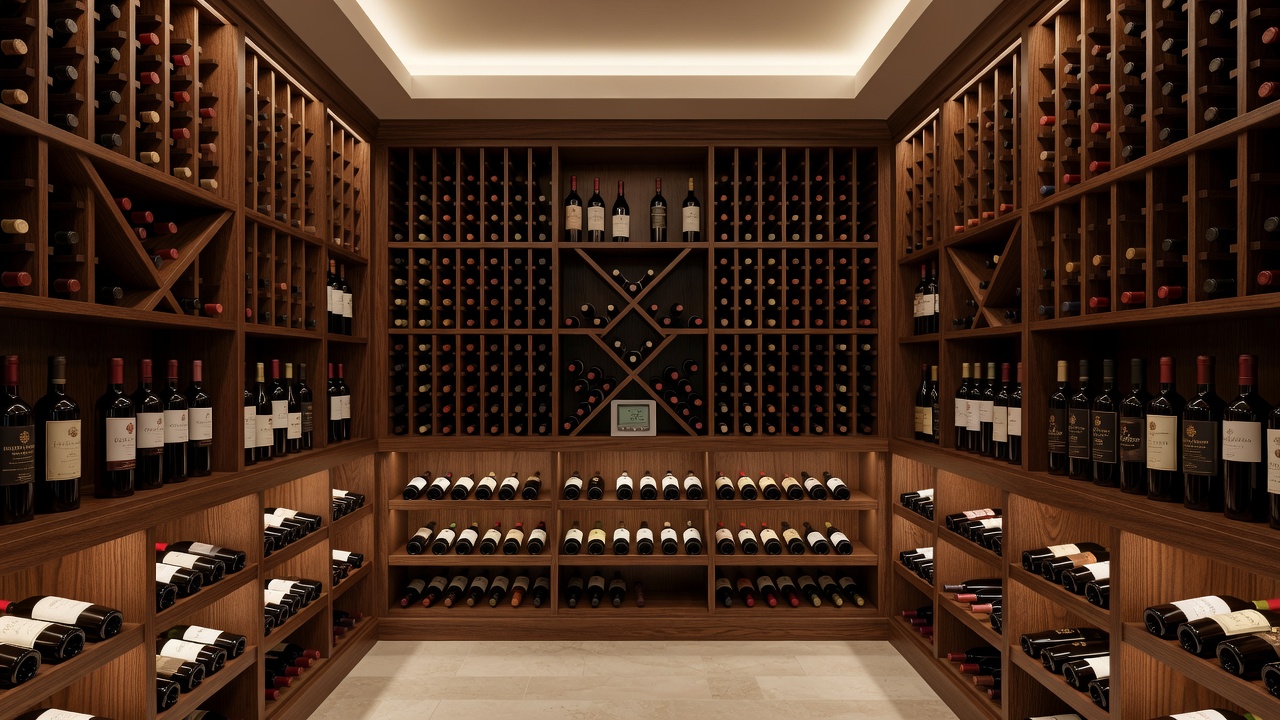
Introduction to Humidity Control in Wine Storage
Proper humidity management is essential for preserving wine quality over years or decades. When relative humidity falls too low, corks can dry out and shrink, allowing oxygen to seep in and spoil the wine. Conversely, excessive moisture risks damaging labels and encouraging mold growth. This guide focuses exclusively on humidity strategies for home enthusiasts, complementing temperature stability without overlapping other storage topics. Home collectors often overlook humidity until a bottle is compromised, yet consistent control can extend the aging potential of even modest collections by protecting the seal integrity of natural corks and preventing label degradation that reduces resale or sentimental value.
Understanding the Ideal Humidity Range
The recommended relative humidity (RH) for long-term wine storage sits between 50% and 70%. Within this window, corks maintain optimal moisture levels while labels stay intact. Levels below 50% accelerate cork desiccation, while above 70% can foster mildew on bottles and shelving. Monitoring consistently helps prevent gradual damage that only becomes apparent after months or years. The science behind this range stems from the hygroscopic nature of cork, which expands and contracts with moisture to maintain an airtight barrier against oxygen ingress. Experts emphasize that stability within the band matters more than hitting an exact midpoint, as minor daily fluctuations are normal in most residential environments.
Effects of Incorrect Humidity
- Under-humidified conditions lead to brittle corks and increased evaporation, resulting in ullage or air space that hastens oxidation.
- Over-humidified environments cause label peeling, mold on capsules, and potential fungal growth on wooden racks that can transfer off-odors to the wine.
- Fluctuations stress the wine more than steady but slightly off readings, as repeated expansion and contraction of the cork can create micro-cracks over time.
Long-term exposure outside the range can turn a promising vintage into a flawed bottle, underscoring the need for proactive measurement rather than reactive fixes.
Essential Tools for Accurate Monitoring and Adjustment
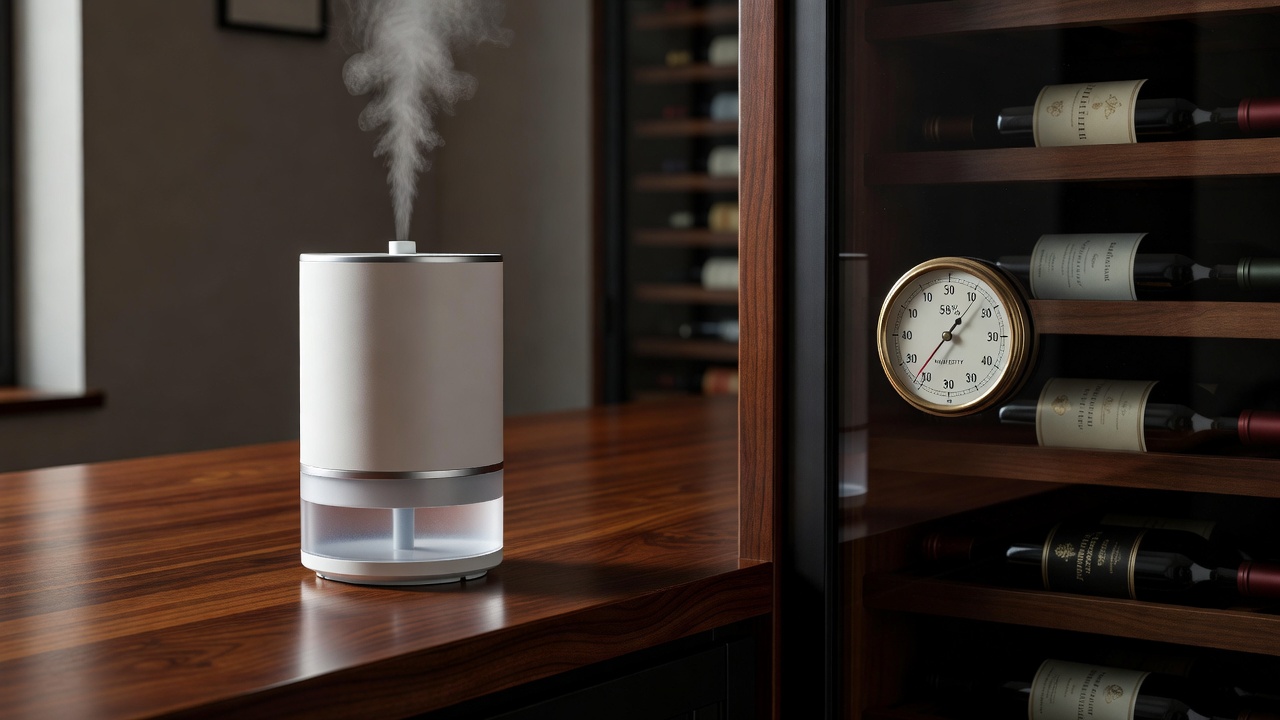
Start with a reliable hygrometer to track conditions in real time. Digital models with memory functions allow users to review daily highs and lows, helping identify patterns tied to heating cycles or weather changes. Pair this with a humidifier sized for your space—small ultrasonic units work well for closets, while larger evaporative models suit dedicated cellars. Passive options like damp sponges or trays of water provide basic stabilization but require frequent checks and replenishment. Calibration of any hygrometer should occur every few months using the salt test method, where a sealed container with salt and water creates a known 75% RH environment for verification. Additional accessories include a small fan for air circulation in passive setups and moisture-absorbent crystals for quick corrections during humid seasons.
Active Versus Passive Humidity Systems
Active systems use powered humidifiers that automatically maintain set RH levels through sensors and fans. They excel in variable climates but consume electricity and need periodic maintenance such as filter cleaning and water reservoir sanitation. Passive systems rely on natural evaporation from water sources or moisture-absorbing materials. These cost less upfront and operate silently but demand manual adjustments, making them suitable for stable apartment environments with limited air exchange. In practice, active systems offer set-it-and-forget-it convenience for larger collections, whereas passive approaches suit beginners testing the waters of humidity control. Hybrid solutions, combining a small active unit with passive backups, provide redundancy during power outages or travel periods.
Comparison Table
- Active: Precise control, ideal for larger or fluctuating spaces; requires power source and occasional descaling.
- Passive: Simple and quiet; best for small, sealed closets with minimal air exchange but needs weekly visual inspections.
Step-by-Step Adjustments for Closets and Small Cellars
- Measure baseline RH over several days using your hygrometer, noting any patterns related to time of day or external weather.
- Seal gaps around doors and vents with weatherstripping to reduce air leakage that introduces dry or moist outside air.
- Place a humidifier or water trays strategically away from bottles to avoid direct moisture contact with labels or corks.
- Adjust settings gradually by no more than 5% RH per day, checking readings every 24 hours to allow the space to stabilize.
- Reassess after seasonal changes and recalibrate as needed, incorporating data logs to track long-term trends.
- Test the system by introducing a few test bottles for a month and inspecting corks for condition before committing the full collection.
Real-World Examples from Apartment Setups
In a typical urban apartment, a wine enthusiast converted a spare closet into storage by installing a digital hygrometer and a compact ultrasonic humidifier. Weekly checks during winter kept levels steady despite dry indoor heating from radiators. Another example involved using a passive tray system in a basement-adjacent nook, with seasonal tweaks to water volume based on outdoor humidity shifts reported by local weather services. A third collector in a high-rise used a hybrid approach: an active unit during summer humidity spikes paired with passive evaporative stones in winter, successfully maintaining the target range across an entire year of temperature swings. These cases illustrate that success depends on consistent observation rather than expensive equipment alone.
Pairing Humidity Control with Temperature Stability
Humidity and temperature work together for optimal aging. Aim for consistent cool temperatures around 55°F (13°C) while maintaining the 50-70% RH band. Rapid swings in either factor accelerate aging or cause condensation issues that can warp labels or promote mold. Position storage away from heat sources, windows, and exterior walls to minimize daily variations. When temperature rises, air can hold more moisture, potentially dropping RH even if absolute water vapor stays constant; conversely, cooling can raise RH. This interplay means adjustments to one parameter often require checks on the other to avoid unintended consequences.
Seasonal Tweaks and Practical Checklists
Winter often brings drier air indoors due to heating systems, so increase passive water sources or run humidifiers more frequently. Summer humidity spikes may require dehumidification elements or improved ventilation through occasional door openings during drier evenings. Use this checklist quarterly: verify hygrometer calibration with the salt test, inspect bottles and racks for early signs of mold or dryness, rotate bottles if labels show curling, log average readings for trends, and clean any humidifier components to prevent bacterial growth. Monthly quick checks during extreme seasons help catch drifts before they affect the collection.
Common Mistakes to Avoid
One frequent error is placing the hygrometer too close to the humidifier, leading to falsely high readings. Another involves ignoring air circulation, which can create microclimates within the storage area. Over-reliance on a single passive method without backups during travel or power issues also risks sudden drops. Finally, neglecting to account for bottle density—crowded racks can trap moisture differently than sparse arrangements—highlights the value of periodic reorganization.
FAQ: Spotting Over- or Under-Humidified Bottles
How can I tell if my storage is too dry?
Look for shrunken or cracked corks and unusually low fill levels in bottles, along with any powdery residue on the cork surface.
What indicates excessive humidity?
Peeling labels, visible mold on capsules, or musty odors around the storage area signal problems that require immediate attention.
Can I fix issues quickly?
Gradual adjustments over days prevent shocking the wine; sudden changes can be more harmful than the original imbalance.
Should I check bottles individually?
Yes, a visual scan of all bottles every few months catches problems early, especially in the first year of implementing new controls.
Conclusion
Mastering humidity control safeguards your collection for years of enjoyment. By combining accurate tools, thoughtful system choices, and regular monitoring, home wine lovers achieve professional-level results. For further insights, consult resources from Wine Spectator, Decanter, and Wine Folly.

No comments yet. Be the first!