 Uncorked Conversations
Introduction to Wine Bottle Sizes and Their Practical Impact
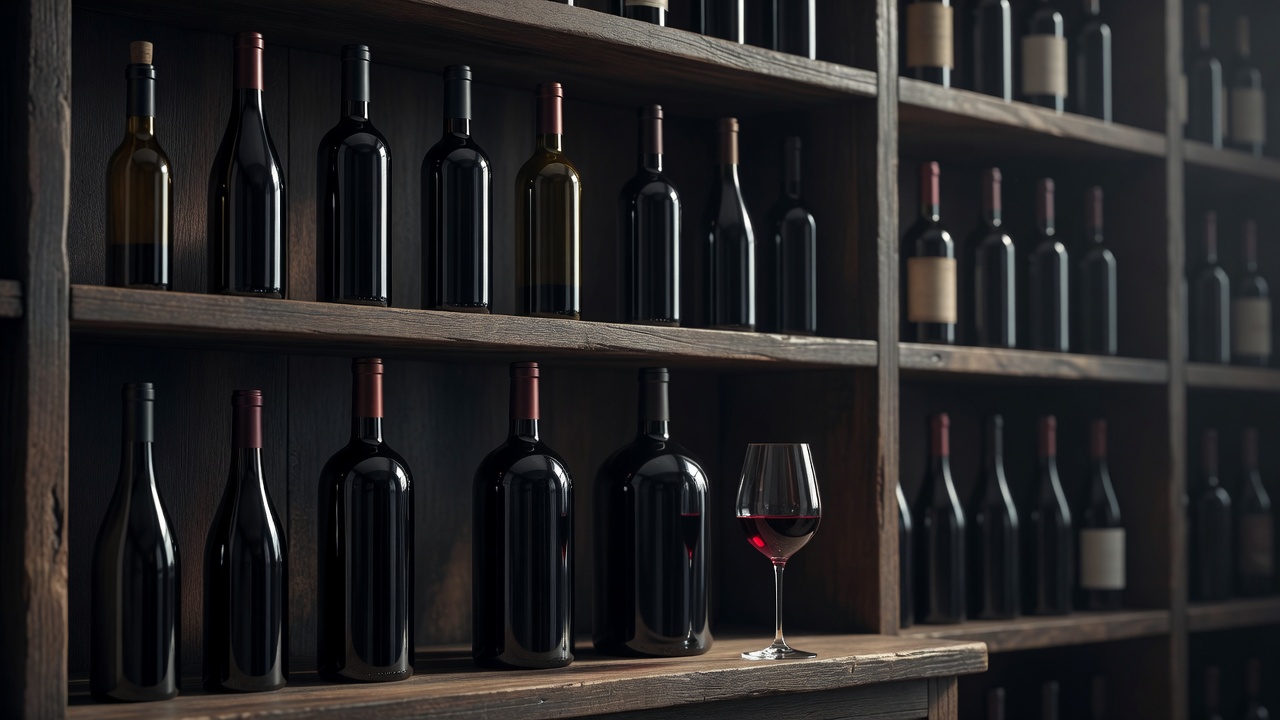
Wine bottle size plays a critical role in how wines age, store, and are served. Sommeliers and enthusiasts often balance limited cellar space with the need for optimal aging conditions and readiness for service. Understanding these differences helps optimize storage while preserving quality. This guide explores standard, half, magnum, and larger formats with real-world insights from restaurant cellars. Bottle dimensions directly affect oxygen exchange rates, sediment formation, and even the physical logistics of moving inventory in professional settings.
Overview of Common Bottle Sizes
The standard 750ml bottle remains the industry benchmark for most wines. Half bottles (375ml) suit smaller servings or lighter consumption, while magnums (1.5L) and larger formats like double magnums (3L) or jeroboams (5L) offer unique aging benefits. Each size influences oxygen exposure, temperature fluctuations, and handling requirements. Beyond these, even bigger options such as imperial (6L) or balthazar (12L) appear in special collections, though they demand significantly more space and careful planning for long-term storage.
How Bottle Size Influences Aging Speed and Wine Development
Larger bottles age more slowly due to reduced oxygen-to-wine ratios. A magnum can take twice as long to reach peak maturity compared to a standard bottle. In restaurant cellars, sommeliers report that 3L formats often develop complex tertiary aromas over decades, whereas half bottles may peak within five years. Comparisons show that a 750ml Bordeaux might be ready in 10 years, while the same wine in a 1.5L magnum requires 15–20 years for similar evolution. Smaller formats expose more surface area relative to volume, accelerating oxidation and tannin softening, which can be advantageous for early-drinking wines but risky for structured reds meant for cellaring.
Temperature Stability in Wine Storage Across Formats
Temperature consistency is vital for proper aging. Larger bottles provide greater thermal mass, buffering against minor fluctuations in cellar conditions. Half bottles, by contrast, react faster to heat or cold spikes, risking premature oxidation. Sommeliers recommend storing magnums and larger formats on lower racks where temperatures remain most stable, typically between 55–58°F. Monitoring systems should account for these variances, with data loggers placed at different shelf heights to capture microclimates created by bottle mass. Humidity levels between 60 and 70 percent further protect corks across all sizes, but larger formats tolerate brief excursions better because of their volume.
Decanter experts emphasize monitoring humidity alongside temperature for all sizes to prevent cork issues.
Decanting Timelines by Bottle Size
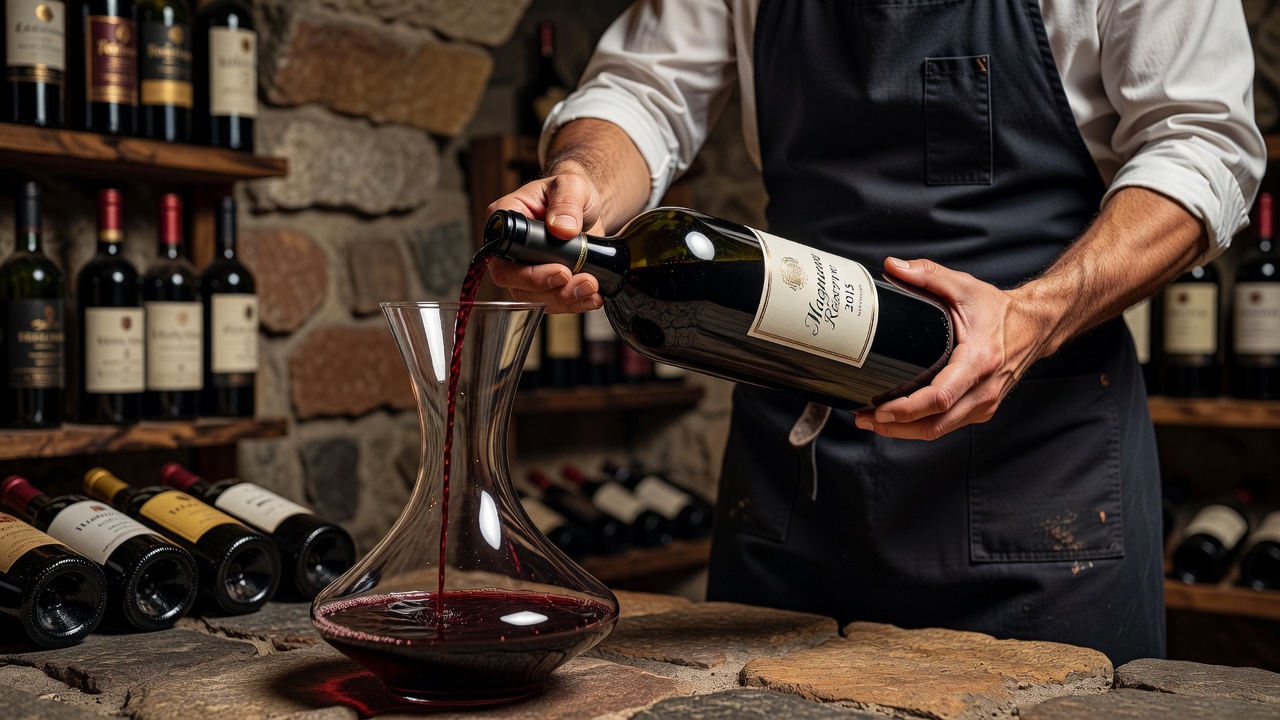
Decanting needs vary significantly. Standard bottles usually require 30–60 minutes for young reds. Magnums often benefit from 90–120 minutes to allow full aeration. Larger formats like 3L bottles may need up to three hours or staged decanting sessions. Half bottles decant quickly, often in under 20 minutes, making them ideal for immediate service. The process also depends on grape variety and vintage; a young Napa Cabernet in a magnum might need extra time compared to an aged Burgundy of the same size.
Choosing the Right Wine Glasses for Different Bottle Sizes
Glassware selection enhances the serving experience. Standard pours pair well with medium-sized Bordeaux glasses. Magnums and larger bottles shine in oversized glasses that accommodate bigger volumes without spilling. Half bottles work best with smaller, elegant stems to maintain temperature during slower pours. Consider the pour volume per guest when selecting stems, as oversized glasses prevent overfilling and allow proper swirling even with generous servings from large formats.
Step-by-Step Handling Instructions for Heavy Large-Format Bottles
- Assess the bottle weight and use two people for anything over 3L.
- Support the base and neck firmly with both hands or a specialized cradle.
- Transport horizontally in a padded case to avoid sediment disturbance.
- Position upright 24 hours before service for settling.
- Use a sturdy table or stand during pouring to prevent accidents.
- Label and log movement in cellar management software for inventory tracking.
Restaurant cellars handling jeroboams often employ specialized carts for safety and train staff on proper lifting techniques to reduce injury risk.
Real-World Examples from Restaurant Cellars
At a Michelin-starred establishment in Napa, sommeliers store 20% of their inventory in magnums for extended aging programs. One example involved a 1995 California Cabernet in 1.5L format that outperformed its 750ml counterpart after 25 years, showing greater freshness and layered fruit. Another cellar in Bordeaux uses 5L formats for special events, noting superior consistency in flavor profiles across multiple pours. A New York City fine-dining restaurant maintains a dedicated section for half bottles to accommodate solo diners, rotating stock frequently to ensure peak readiness.
Wine Enthusiast frequently highlights similar cellar strategies for optimal preservation.
Optimizing Limited Storage Space
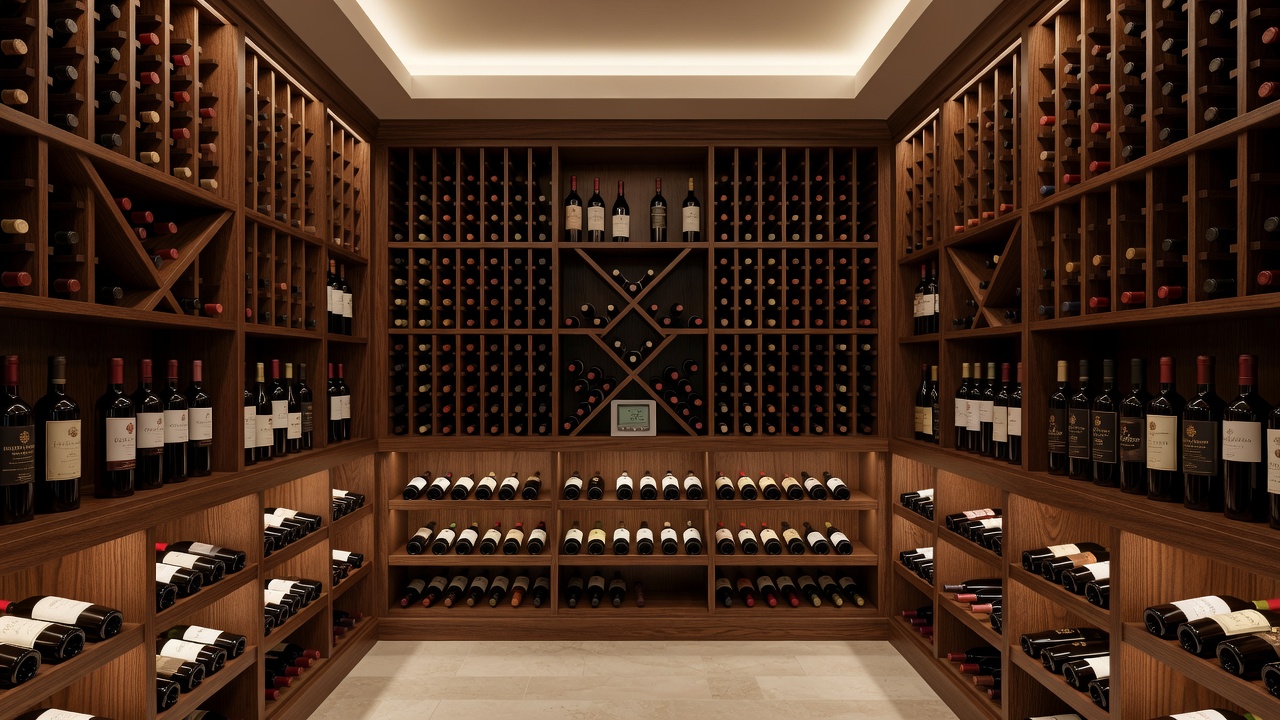
Half bottles maximize vertical space in tight cellars. Stackable racks designed for 375ml sizes allow more units per square foot. Larger formats require deeper shelving but yield better value for long-term cellaring when space permits. Consider modular racking systems that adapt to mixed inventories, and conduct quarterly audits to identify underutilized areas where smaller formats can fill gaps efficiently.
Impact on Oxidation, Preservation, and Service Readiness
Oxidation rates decrease with bottle size because the headspace ratio shrinks. This preservation advantage makes large formats preferable for delicate whites or age-worthy reds. Service readiness also improves in bigger bottles, as they maintain consistent temperature during extended table service. Sommeliers often decant large formats in stages to manage sediment without rushing the process.
FAQ on Common Misconceptions
Do larger bottles always taste better?
Not necessarily. While they age more gracefully, young large-format wines can taste closed and require extended decanting to reveal their potential.
Can half bottles age as well as standard sizes?
They age faster and are best consumed within shorter timeframes due to higher oxygen exposure ratios, making them less ideal for extended cellaring.
Is it safe to store magnums on their side?
Yes, provided the cork remains moist. Horizontal storage works for all cork-finished bottles regardless of size, ensuring even contact with the liquid.
Are very large formats practical for home cellars?
They demand substantial space, specialized equipment, and often multiple people for handling, so most enthusiasts start with magnums before progressing further.
TTB guidelines support consistent horizontal positioning for proper seal maintenance.
Conclusion
Selecting the right bottle size enhances both storage efficiency and serving quality. Sommeliers who master these nuances deliver exceptional experiences while protecting their investments. Experiment with different formats to discover what suits your collection best and refine your approach based on the specific wines and occasions you encounter.
No comments yet. Be the first!