 Uncorked Conversations
Introduction to Professional Wine Service in Fine Dining
Aspiring and working sommeliers must master precise table-side protocols that distinguish fine dining from casual settings. These techniques focus on bottle presentation, label display, and seamless guest interactions while aligning service with kitchen pacing and venue constraints. In high-end restaurants, every movement at the table communicates expertise and respect for the guest’s experience. Beyond simply pouring wine, professional service involves anticipating needs, managing flow during busy services, and adapting to the unique challenges of restaurant environments where space, timing, and guest expectations converge.
Understanding these protocols elevates the dining experience and builds guest loyalty. Sommeliers who execute flawless service create memorable moments that encourage repeat visits and positive reviews. This guide provides in-depth strategies drawn from real restaurant operations, offering checklists, comparisons, and practical examples to help both newcomers and seasoned professionals refine their craft.
Bottle Presentation and Label Display Techniques
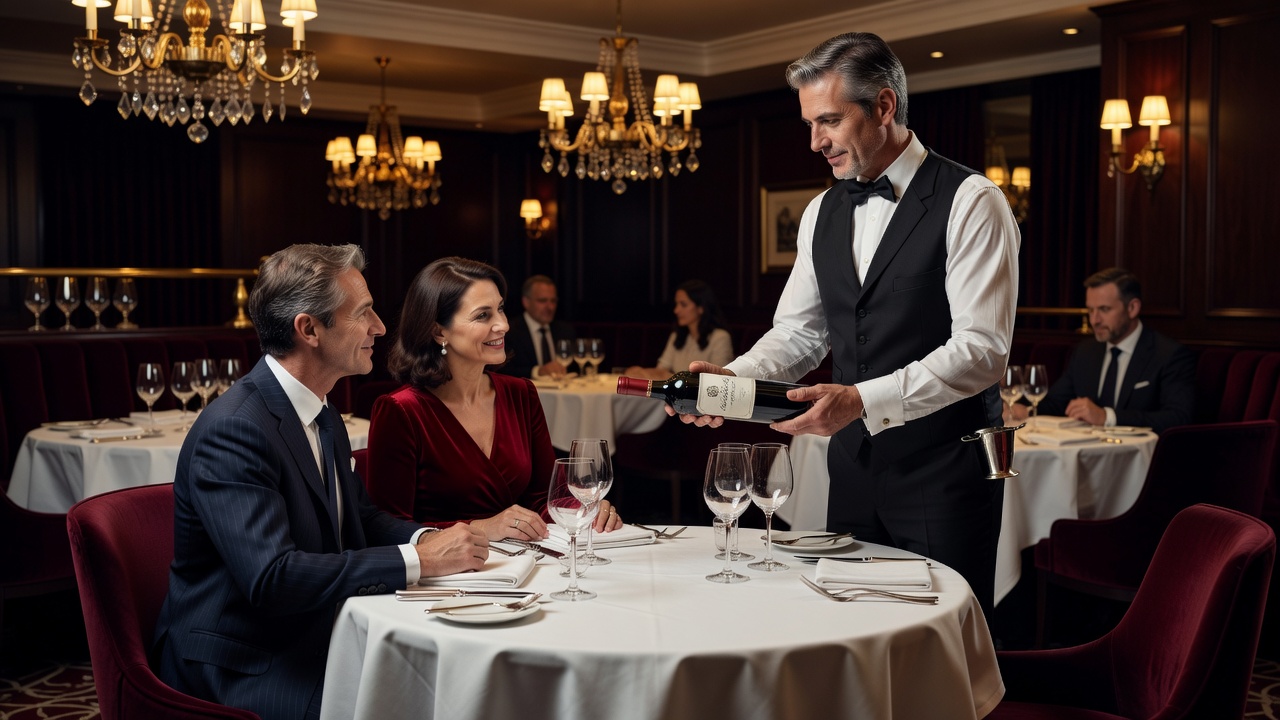
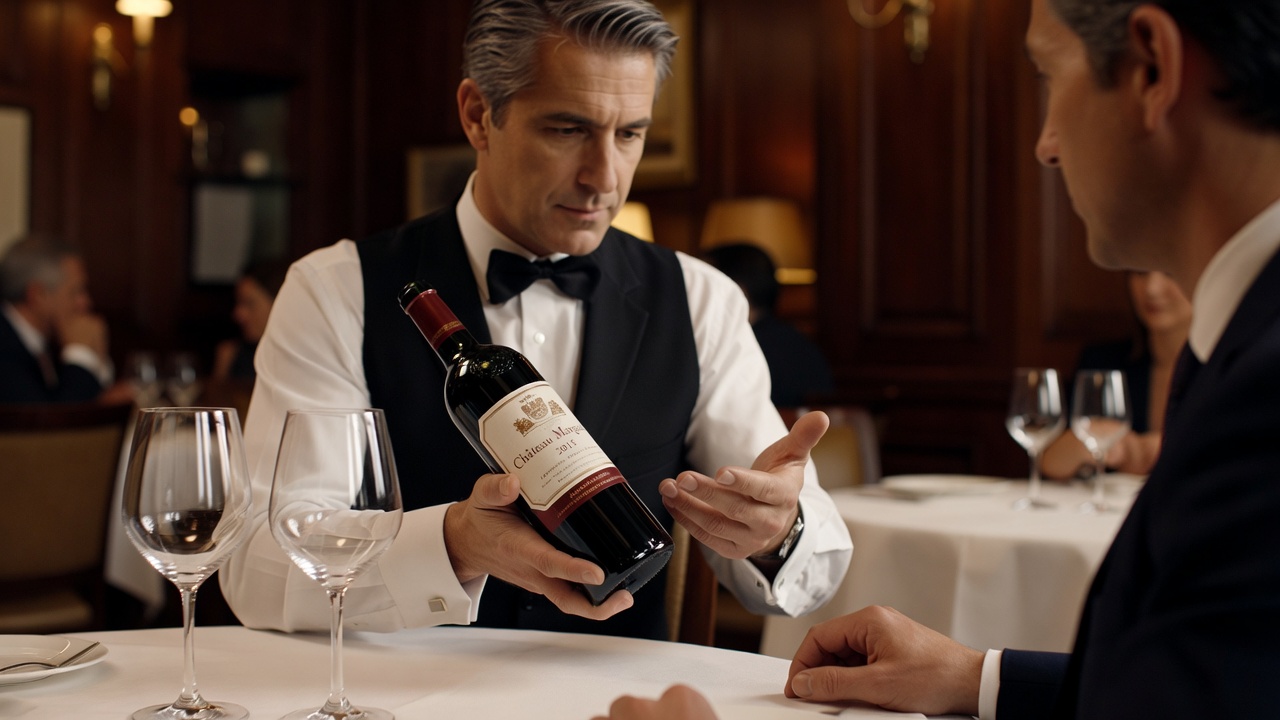
Begin every service by cradling the bottle in a clean white napkin to protect the label and maintain a polished appearance. Approach the table from the guest’s right, holding the bottle at a 45-degree angle so the label faces the host directly. Announce the producer, vintage, and cuvée clearly before presenting the cork and pouring a small sample for approval. In fine dining, the presentation ritual signals the start of an elevated experience. Always verify the vintage and producer against the order ticket beforehand to avoid errors. For older vintages with fragile corks, prepare a backup bottle discreetly in the service station.
Guest Interaction Sequences
Follow a consistent sequence: greet the table warmly, confirm the bottle selection, present the bottle, open it with minimal disruption, pour the sample, and check back after the first sip. Maintain eye contact and use the guest’s name when possible. Adapt language to the table’s wine knowledge level without overwhelming novices or sounding condescending to enthusiasts. Skilled sommeliers read body language to gauge comfort levels, adjusting explanations accordingly. For example, at a table of corporate diners, keep descriptions concise and focus on pairing suggestions rather than technical details.
Timing Wine Service with Kitchen Courses
Coordinate with the kitchen so reds breathe 15–20 minutes before the main course arrives. Serve whites and sparkling wines immediately before appetizers to preserve temperature and effervescence. In practice, many restaurants use a service clock that syncs with ticket times to avoid rushed pours. Effective timing requires constant communication with the kitchen expediter. Sommeliers often stand near the pass to monitor plate readiness and adjust service pace accordingly. When a table orders multiple courses, stagger pours so each wine complements the arriving dish without overlapping flavors.
Managing Multiple Tables Efficiently
Prioritize tables by course progression rather than arrival order. Use side stations to pre-polish glasses and stage open bottles at appropriate temperatures. Experienced sommeliers keep a mental map of each table’s status to prevent delays during peak service. One proven technique involves grouping tasks: handle all presentations first, then move to openings and pours in sequence. During busy shifts, delegate glass polishing and water service to support staff while maintaining oversight of wine decisions.
Adapting to Wine Storage Constraints
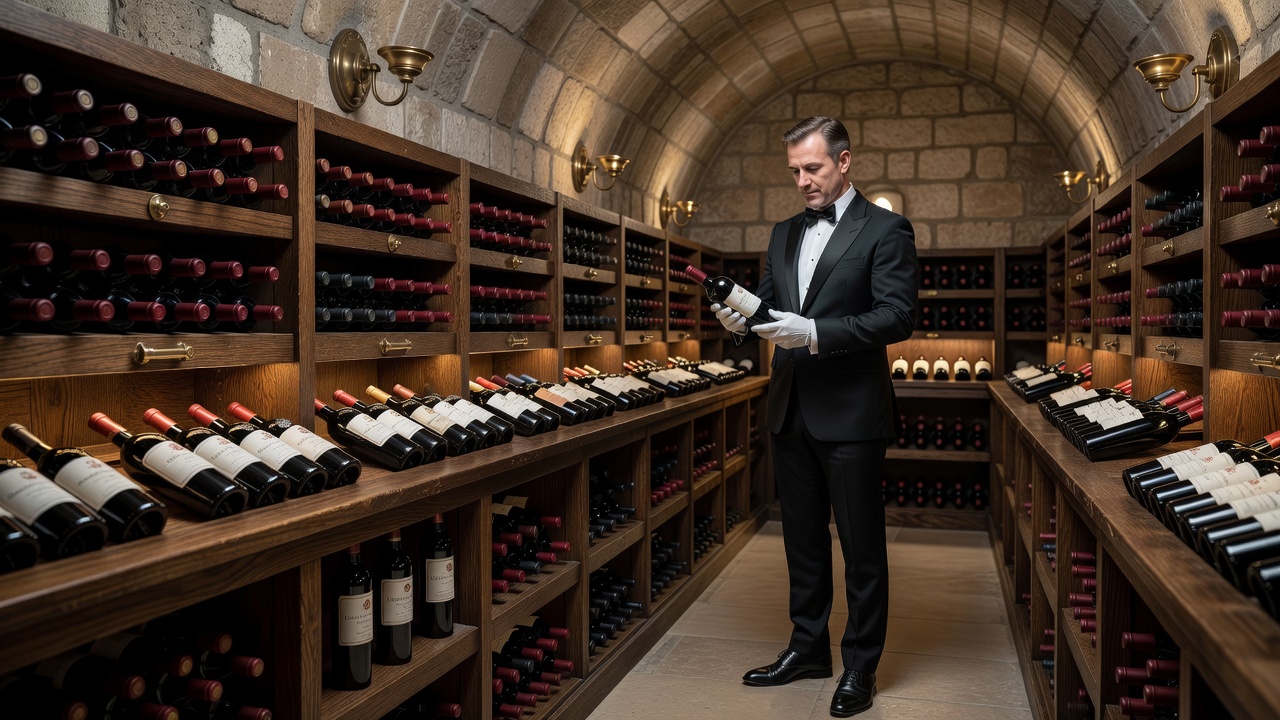
Busy venues often lack ideal cellar conditions due to limited space and high turnover. Rotate stock daily and monitor temperatures in reach-in units to prevent premature aging. When space is limited, keep high-turnover bottles in temperature-controlled cabinets near the dining room while storing rare selections in a dedicated back-of-house cellar. Regular inventory checks help identify bottles that need upright storage or decanting preparation ahead of service.
Casual vs Fine Dining Approaches Compared
- Casual dining: Serve directly from the bottle without formal presentation; focus on speed and volume rather than ritual.
- Fine dining: Emphasize every step of the ritual, including label visibility, guest approval at each stage, and precise glassware selection.
- Hybrid venues: Blend elements by offering abbreviated presentations during lunch while maintaining full protocol at dinner.
Step-by-Step Service Checklist
- Verify bottle against order and inspect for damage or leakage.
- Present to host with label fully visible and announce details.
- Open using a quiet, controlled corkscrew technique to avoid spillage.
- Pour 30 ml sample for tasting and await approval.
- Fill glasses to the widest point after approval, avoiding drips.
- Place bottle in ice bucket or on table as requested by guests.
- Return after five minutes to confirm satisfaction and offer refills.
Real-World Restaurant Examples
At Michelin-starred establishments, sommeliers rehearse service sequences during pre-shift meetings to ensure consistency. One New York venue uses color-coded tickets to signal when to decant specific vintages, ensuring synchronization with plating. In European fine dining restaurants, teams often assign one sommelier per section to handle all wine decisions while runners assist with glassware. These systems reduce errors and allow for personalized guest engagement even during peak hours.
Common Mistakes to Avoid
Many new sommeliers rush the presentation or fail to confirm the vintage aloud. Another frequent error is neglecting to monitor glass levels throughout the meal, leading to empty glasses during key courses. Always avoid reaching across guests or interrupting conversations unnecessarily. Training programs emphasize practicing these movements until they become second nature.
Advanced Protocols for Decanting and Sparkling Wines
Decanting requires a steady hand and proper lighting to monitor sediment. Position the decanter at eye level and pour slowly in one continuous motion. For sparkling wines, hold the bottle at a 45-degree angle and twist the cork gently to release pressure quietly. These techniques demonstrate technical mastery and enhance the guest experience.
FAQ: Common Service Challenges
How do you handle a guest who rejects the wine?
Offer alternatives politely without debate and note preferences for future visits to improve personalization.
What if multiple tables need service simultaneously?
Delegate glass polishing to support staff and prioritize the table closest to receiving their entrée while keeping others updated.
How do you store open bottles during a busy shift?
Use vacuum pumps or inert gas for short-term preservation and log opening times on a dedicated sheet.
What training resources help refine these skills?
Structured courses from recognized bodies provide both theory and practical drills that translate directly to restaurant floors.
Further professional development resources are available from the Wine & Spirit Education Trust, the Institute of Masters of Wine, and the Decanter wine education hub.
Conclusion
Mastering fine dining wine service protocols requires consistent practice, attention to detail, and genuine guest focus. By integrating these techniques into daily operations, sommeliers deliver exceptional experiences that set their restaurants apart. Continuous refinement through observation, feedback, and targeted training ensures long-term success in this dynamic profession.
No comments yet. Be the first!