 Uncorked Conversations
Introduction to Optimal Wine Storage
Proper wine storage preserves flavor, aroma, and value over years or decades. Sommeliers emphasize that bottle orientation plays a critical role in long-term preservation, particularly for wines sealed with natural corks. This guide breaks down the differences between horizontal and vertical storage, backed by practical advice for enthusiasts building home cellars in 2026. Understanding these principles helps avoid common pitfalls that lead to premature aging or spoilage, ensuring every bottle reaches its peak potential when opened.
Whether you are a collector with hundreds of bottles or a casual enthusiast with a modest rack, orientation decisions directly influence oxidation rates and cork performance. Horizontal storage has long been the gold standard for traditional cork closures, while vertical options offer convenience for modern closures and short-term needs.
The Science Behind Bottle Orientation
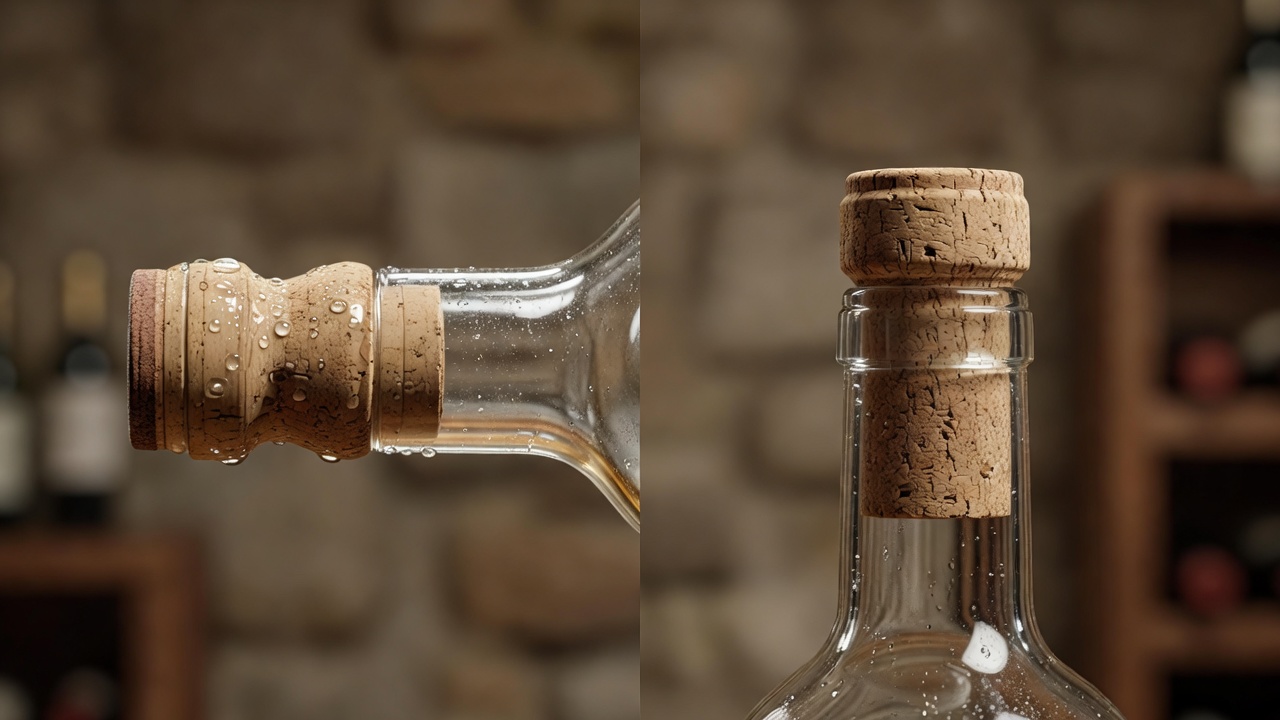
Wine bottles stored horizontally keep the cork in constant contact with the liquid, preventing it from drying out. A dry cork shrinks and allows oxygen to enter, leading to oxidation that spoils the wine. Vertical storage works for screw-cap or synthetic cork bottles but risks cork failure in traditional setups. The physics involves moisture equilibrium and gas exchange rates inside the bottle. Temperature fluctuations can exacerbate issues, as expansion and contraction push air past compromised corks.
Professional storage prioritizes consistent temperature between 12-16°C and humidity around 60-70% to complement orientation choices. Humidity prevents excessive evaporation from the cork itself, while stable temperatures slow chemical reactions that degrade wine over time. Research from enologists shows that even small amounts of oxygen ingress can alter volatile compounds responsible for complex aromas in aged wines.
When Horizontal Storage Is Essential
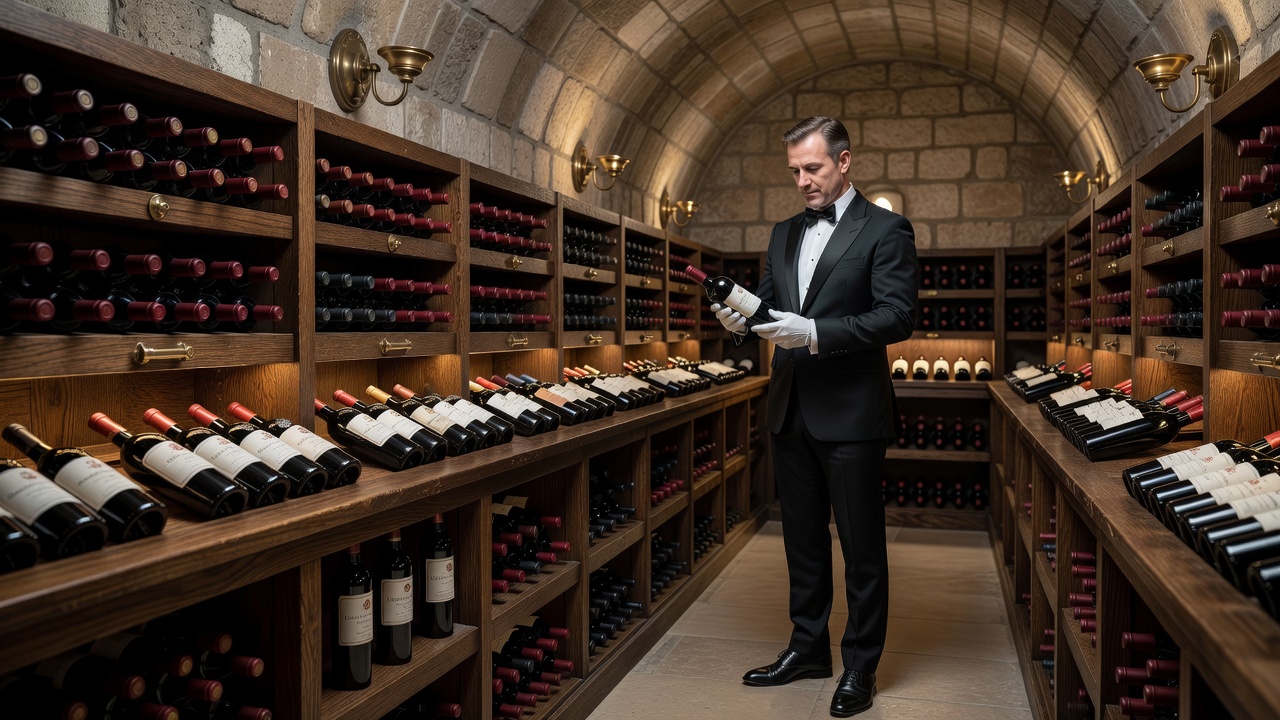
Horizontal positioning becomes non-negotiable for aged reds and whites with natural corks intended for five-plus years of cellaring. Sparkling wines also benefit from this orientation to maintain pressure and cork integrity. Exceptions arise only with modern closures designed for upright storage. For instance, vintage Bordeaux and Burgundy require horizontal racks to keep corks supple during extended aging periods that can span decades.
In professional cellars, horizontal storage is standard for any bottle expected to improve with time. This method reduces the headspace air pocket that forms when bottles stand upright, limiting opportunities for oxidation to develop unevenly across the wine surface.
Acceptable Vertical Setups
Short-term vertical storage suits wines consumed within six months or those with alternative closures. Many commercial wines now feature screw caps that eliminate orientation concerns entirely. Sommeliers note vertical racks save space in small urban cellars without compromising quality for everyday bottles. Vertical setups also work well for fortified wines like Port or Sherry when aging periods are shorter, as their higher alcohol content provides additional protection against spoilage.
Decanter experts highlight that vertical storage can work temporarily if humidity levels stay controlled. Homeowners with limited space often use vertical modules for current-drinking wines while reserving horizontal sections for collectibles.
Impacts on Corks and Oxidation
Oxidation accelerates when corks dry, altering tannins and fruit profiles. Horizontal storage minimizes this risk by maintaining cork elasticity. Real-world tests show oxidized bottles often trace back to improper vertical aging of cork-sealed wines. Over time, a dried cork loses its ability to form a tight seal, allowing gradual oxygen exchange that can turn vibrant fruit notes into flat, sherry-like aromas.
Sommeliers recommend inspecting corks periodically during cellar rotations. Signs of drying or cracking indicate the need for immediate reorientation or consumption. This attention to detail separates well-managed collections from those suffering avoidable losses.
Step-by-Step Setup for Home Cellars
Creating an effective storage system starts with evaluating your environment. Begin by measuring temperature stability and humidity in your chosen space, using a reliable digital monitor. Next, select racking systems that accommodate both orientations based on your collection mix. Install adjustable wooden or metal racks that allow easy horizontal placement for corked bottles while providing vertical slots for screw-cap options.
- Assess your space for stable temperature and humidity, aiming for 12-16°C and 60-70% relative humidity.
- Choose racks that allow horizontal positioning for corked bottles and vertical for modern closures.
- Organize by wine style and drinking window, labeling each section clearly.
- Monitor conditions monthly with digital hygrometers and adjust ventilation as needed.
- Rotate bottles gently every six months to redistribute sediment in aged reds.
- Keep an inventory log noting purchase dates, expected drinking windows, and storage orientation.
These steps ensure systematic care that scales with growing collections.
Comparisons Across Wine Styles
Red wines like Cabernet Sauvignon demand horizontal storage for long-term aging to protect complex tannins. Sparkling wines such as Champagne benefit similarly to retain carbonation. White wines and rosés with shorter aging potential tolerate vertical setups more readily. Natural wines with minimal intervention often require extra care in horizontal racks to avoid premature oxidation. Fortified and dessert wines follow similar rules, though their higher sugar and alcohol levels offer slight buffers against minor oxygen exposure.
Each style presents unique considerations. For example, high-acid whites may show oxidation effects faster than robust reds, making orientation choices even more critical for those varieties.
Real-World Examples from Professional Sommeliers
Sommeliers at top restaurants maintain horizontal cellars for vintage ports and Bordeaux, rotating stock systematically. One expert shared how switching a collection to proper horizontal racks revived several aging bottles that had shown early oxidation signs. Another professional described implementing hybrid racks in a restaurant cellar, using vertical for weekly specials and horizontal for library selections, resulting in fewer discarded bottles over a two-year period.
Wine Enthusiast features case studies where orientation adjustments extended drinking windows by years. These examples illustrate how small changes yield measurable improvements in wine quality and value retention.
FAQ: Common Myths Debunked
- Does vertical storage ruin all wines? No, only cork-sealed bottles aged long-term suffer significant damage.
- Can I store sparkling wine vertically? Short-term yes, but horizontal preserves fizz better over time by keeping the cork moist.
- Are modern closures changing the rules? Yes, screw caps and synthetics allow flexible orientation without quality loss.
- How often should I check my cellar conditions? Monthly monitoring is ideal to catch humidity drops or temperature spikes early.
Conclusion
Choosing between horizontal and vertical wine storage depends on closure type, aging goals, and cellar conditions. Implementing sommelier-recommended practices ensures wines reach their full potential. Start with small adjustments today for better preservation results tomorrow. Consistent attention to these details transforms any collection into a reliable source of enjoyment for years to come.
No comments yet. Be the first!