 Uncorked Conversations
Introduction: Mastering the Storage-to-Table Journey
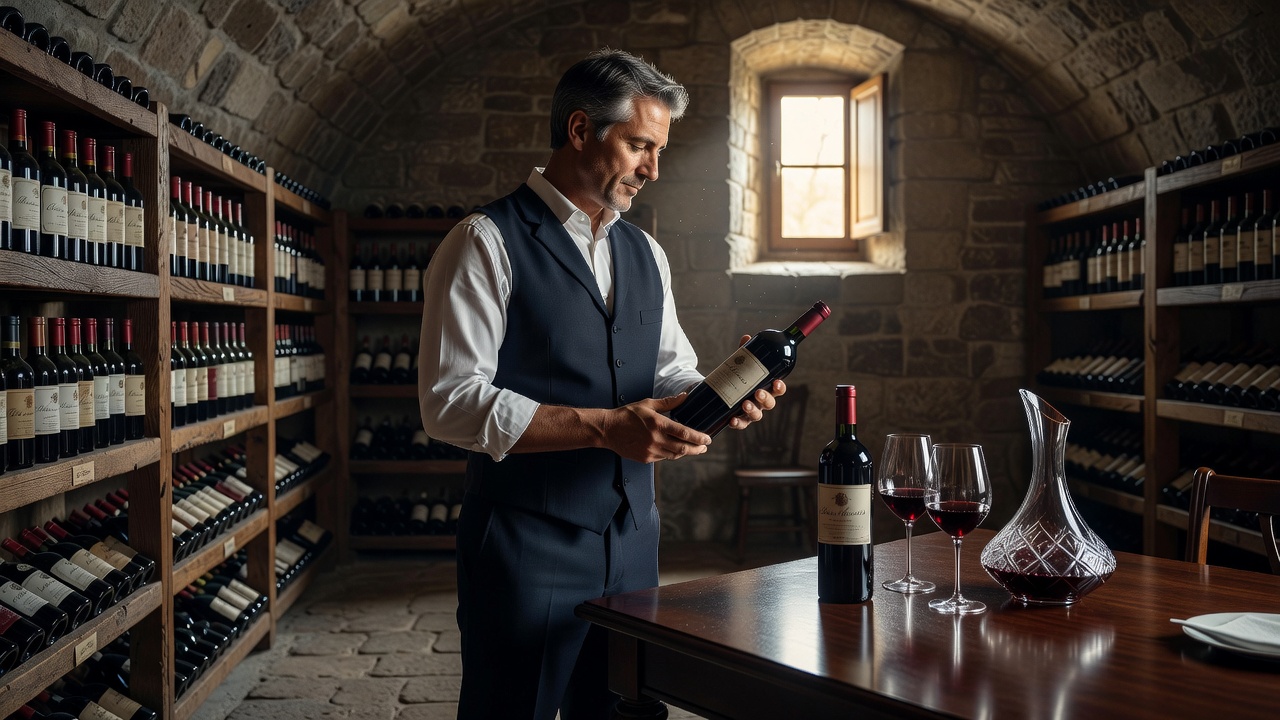
Transitioning wine from long-term storage to the table requires precision to preserve quality and enhance enjoyment. This guide details sommelier-approved workflows that integrate storage conditions with serving needs, helping enthusiasts avoid common errors and achieve professional results at home. Whether you maintain a small collection in a cool closet or a dedicated cellar, understanding how storage affects immediate service is essential. Factors like humidity, light exposure, and vibration during storage can alter a wine’s profile, making post-storage checks and careful handling critical steps in the process. Many home collectors discover that even minor oversights in the final stages can diminish years of careful aging, turning a promising bottle into a disappointment. By following a structured approach, you can ensure every wine expresses its full potential from the moment it leaves storage.
Checking Bottle Integrity After Storage
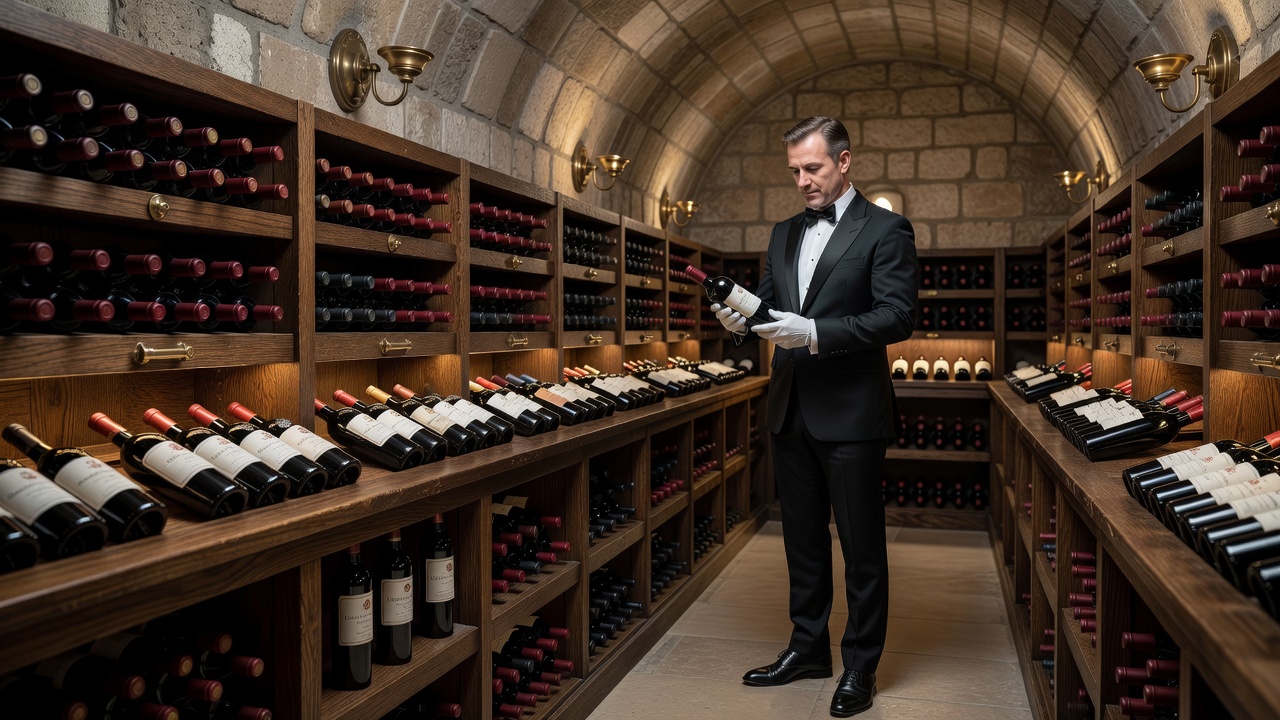
Begin by examining each bottle for signs of damage or spoilage. Look for cork protrusion, leakage, or mold around the capsule. Hold the bottle to light to check for sediment movement or unusual color shifts that may indicate oxidation. A thorough inspection includes feeling the capsule for dampness and noting any label discoloration that signals past heat stress. Examine the fill level as well, since evaporation often points to compromised corks or fluctuating temperatures over time.
Real-world example: A collector once opened a 2015 Cabernet only to find it tasted flat due to undetected heat exposure during storage. Always inspect labels for fading, which signals poor conditions. Additional checks involve gently rotating the bottle to observe sediment patterns without disturbing the wine excessively. If any doubt exists about a bottle’s condition, set it aside and test a similar vintage first. These steps prevent disappointment and protect the rest of your collection from similar issues. In one case, a homeowner avoided serving a corked bottle by noticing subtle musty odors during the initial inspection, saving an entire dinner party from an awkward moment.
Optimal Decanting Sequences by Wine Age
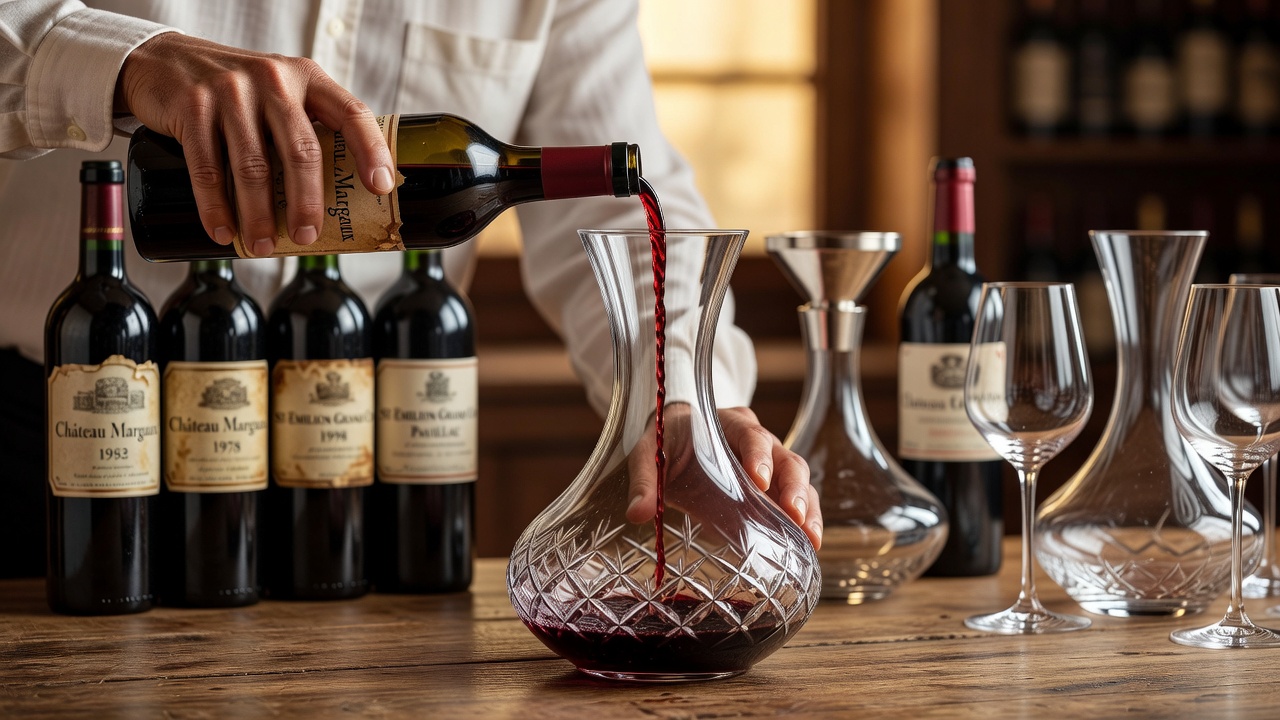
Decanting aerates wine and separates sediment. For young reds under five years, decant 30-60 minutes before serving. Older vintages over ten years need gentler handling—decant just before pouring to minimize oxidation. White wines and sparkling varieties rarely require decanting unless they are full-bodied and barrel-aged. The goal is always to enhance rather than overwhelm the wine’s natural character.
Numbered handling steps for decanting:
- Stand the bottle upright for 24 hours if sediment is present.
- Use a steady hand or decanting cradle to pour slowly into a clean carafe.
- Stop when sediment reaches the neck to avoid transferring it.
- Let the wine breathe briefly based on age before serving.
- Smell the wine in the decanter to confirm it has opened properly.
Comparisons of storage-to-glass timelines show young wines benefit from longer aeration while aged bottles require shorter windows to retain delicate aromas. For instance, a 2022 Syrah might improve after 45 minutes in the decanter, whereas a 1998 Barolo should move straight from bottle to glass within minutes of opening. Practical examples highlight that over-decanting older wines can strip their nuance, turning elegant bouquets into muted flavors. Sommeliers often recommend practicing with affordable bottles first to develop an intuitive sense of timing before handling prized vintages.
Selecting the Right Glass Shapes for Aroma Release
Glass shape dramatically affects aroma delivery. Bordeaux glasses with wide bowls suit full-bodied reds, concentrating tannins. Burgundy glasses with larger openings highlight delicate Pinot Noir notes. White wine glasses are typically narrower to preserve cooler temperatures and crisp acidity. The science behind these designs involves how the bowl width directs volatile compounds toward the nose while the rim controls airflow. Choosing the correct shape can elevate even modest wines by allowing their aromas to unfold naturally.
Consider a tasting session where the same Chardonnay tasted fruitier in a larger white wine glass versus a standard all-purpose shape. Sommeliers recommend investing in at least three core shapes: one for reds, one for whites, and a versatile option for everyday use. Proper glassware also reduces the risk of off-aromas from poor stemware materials. In professional settings, mismatched glasses have been shown to alter perceived complexity, proving that form truly follows function in wine service.
Temperature Adjustments During Service
Storage temperatures around 55°F (13°C) must shift gradually to serving temps. Reds perform best at 60-68°F, whites at 45-55°F. Use a wine thermometer and allow 15-30 minutes in the dining environment for natural adjustment without shocking the wine. Gradual changes preserve the wine’s structure and prevent condensation on the bottle or glass. Sparkling wines often require the coldest service range of 40-50°F to maintain effervescence and freshness.
In practice, remove reds from storage 45 minutes before guests arrive and place them in a shaded spot. Whites can move to a wine cooler or ice bucket closer to service time. Monitoring with a digital thermometer ensures consistency, especially when serving multiple bottles in sequence. A common sommelier trick involves wrapping bottles in a damp cloth during transition to fine-tune cooling without drastic changes.
Common Pitfalls and How to Avoid Them
Mistakes include sudden temperature swings, over-decanting aged wines, and using mismatched glassware. Always plan the full workflow from cellar to table to maintain consistency. Another frequent error is rushing the inspection process, which can lead to serving compromised bottles. Home enthusiasts often overlook vibration during transport from storage, which can disturb sediment and affect clarity. Learning from these pitfalls saves both time and wine. Additional issues arise when bottles are exposed to direct sunlight during the final stages or when decanters are not properly cleaned between uses, introducing unwanted residues.
FAQ: Home Setup Questions
How long can wine stay in storage before serving? Most bottles handle 1-5 years well if conditions remain stable at 55°F and 70% humidity.
Is a home wine fridge necessary? For collections over 50 bottles, yes; smaller setups work with cool, dark closets.
Can I decant whites? Only full-bodied varieties benefit; lighter whites rarely need it.
What tools help with temperature monitoring? Infrared thermometers and dedicated wine thermometers provide quick readings without opening bottles.
How should I handle large-format bottles? Double magnums require extra care with two-handed pouring and longer upright resting periods to settle sediment fully.
Additional guidance appears on the Court of Master Sommeliers site and the Wine Institute resources. For further reading on glassware selection, visit Decanter.
Conclusion
Following these integrated steps ensures every bottle reaches the table in peak condition. Practice these sommelier techniques to elevate your home wine experience consistently and enjoy each vintage exactly as intended.
No comments yet. Be the first!