 Uncorked Conversations
Introduction: Elevating Every Pour in 2026
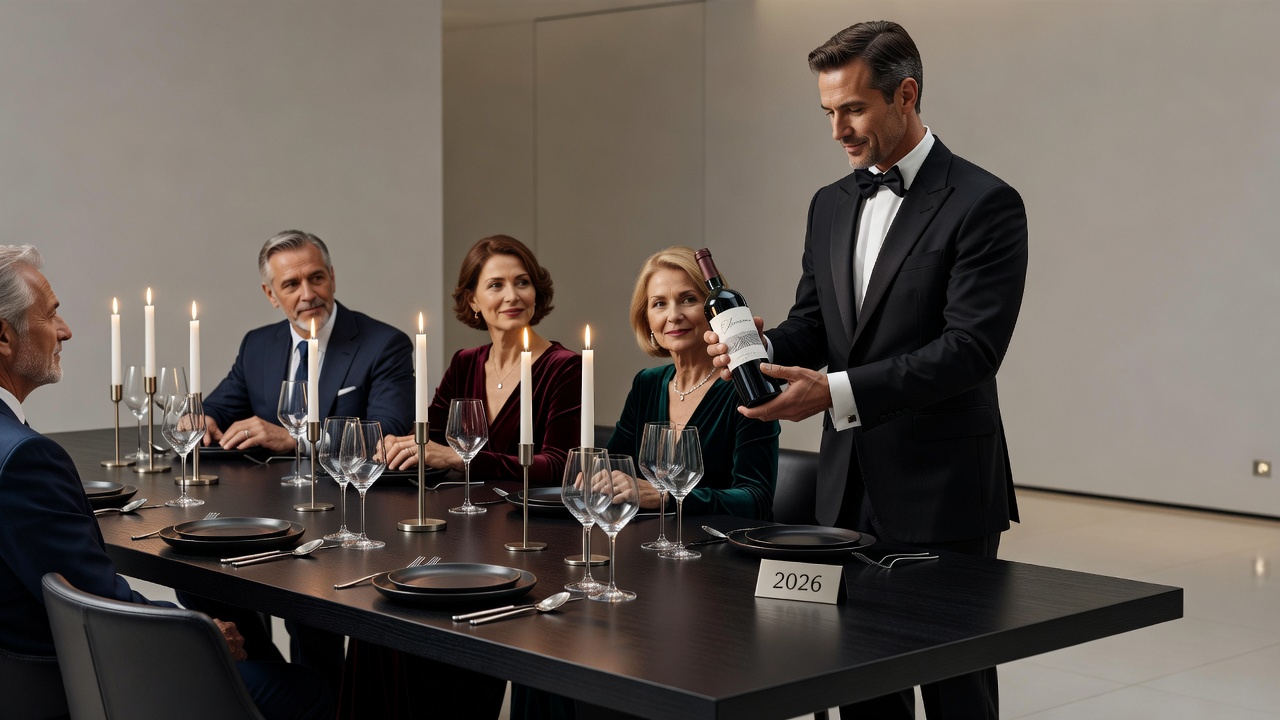
Hosting a memorable dinner party or small gathering goes beyond selecting the right bottle. In 2026, discerning hosts are turning to sommelier-level practices to create personalized, immersive experiences that make guests feel truly valued. Thoughtful wine serving transforms a meal into an occasion, fostering connection and delight through subtle yet impactful details. Professional sommeliers spend years mastering the art of observation, timing, and sensory enhancement, but many of their core techniques translate beautifully to intimate home settings where personalization matters most.
This comprehensive guide draws from established sommelier workflows tailored specifically for hosts managing dinners or small gatherings. Whether preparing for a four-person supper or a slightly larger celebration, these strategies help assess preferences quickly, optimize aroma through precise glassware selection, handle decanting with finesse and subtlety, and store bottles correctly for immediate readiness. By integrating these elements, you move beyond basic etiquette into true hospitality excellence.
Assessing Guest Preferences Quickly and Discreetly
Effective personalization begins well before the first cork is pulled. A skilled host observes and inquires without interrupting conversation flow or making anyone feel spotlighted. Start by noting any dietary or preference mentions during initial invitations, such as references to lighter whites, aversion to heavy tannins, or enthusiasm for sparkling wines. During the evening itself, employ open-ended questions like “Do you lean toward brighter fruit-driven profiles or earthier, more savory notes tonight?” to gather insights rapidly while keeping the atmosphere relaxed.
Real-world example one: At a recent vineyard-inspired gathering in California’s Napa Valley, the host noted one guest’s casual mention of enjoying crisp acidity from prior European travels. This single detail led to selecting a chilled Vermentino that paired seamlessly with the seafood first course, earning immediate compliments and sparking lively discussion among the group. Another scenario involved a couple’s anniversary dinner where the host detected a preference for low-alcohol options through earlier email exchanges, resulting in a carefully chosen Pinot Noir that kept the evening comfortable and extended.
Practical Workflow for Preference Discovery
- Review RSVPs and any prior correspondence for wine-related notes at least 48 hours before the event.
- Prepare two contrasting options, such as an aromatic white and a structured red, to serve as natural conversation starters upon arrival.
- Observe body language and facial expressions when presenting bottles—subtle enthusiasm or hesitation provides instant, actionable feedback.
- Adjust pour volumes accordingly, offering smaller tasting portions first for guests who appear uncertain or new to wine exploration.
- Document successful matches mentally or in a private note for future events to build a personalized guest profile over time.
Matching Wine Glasses to Varietals for Aroma Enhancement
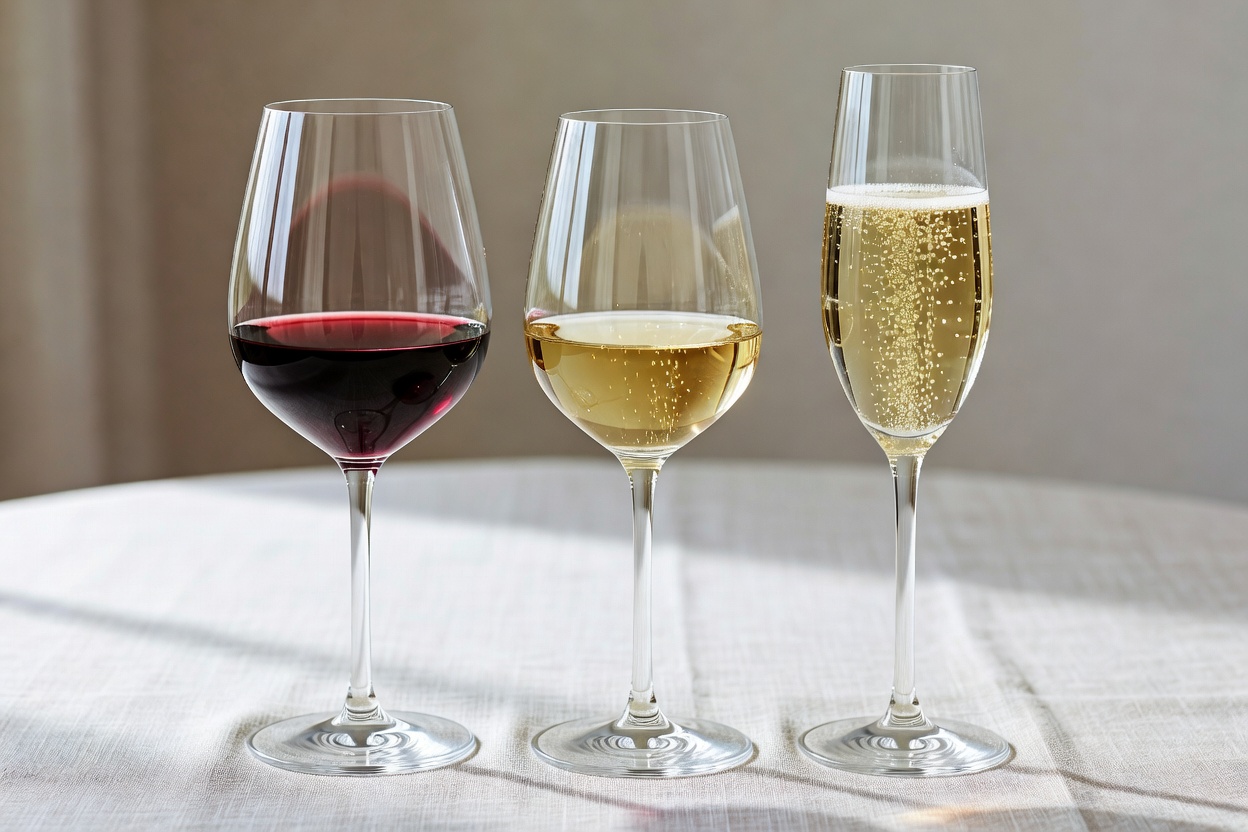
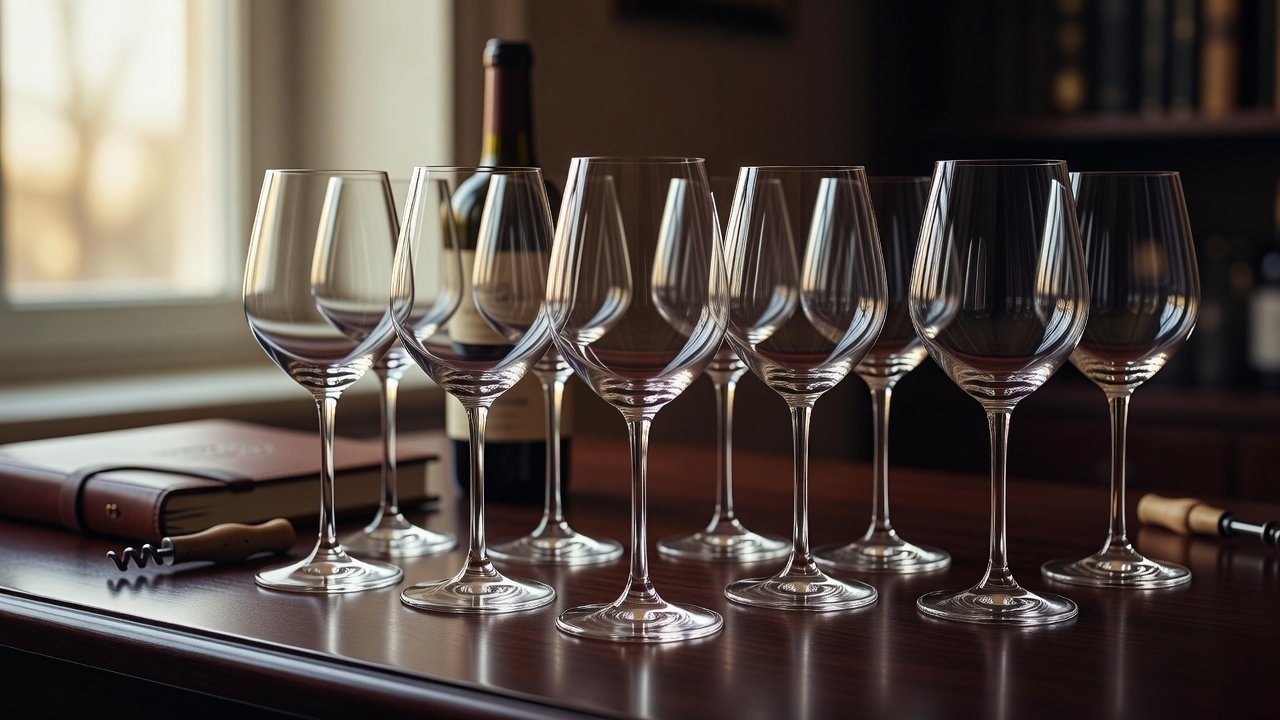
Glassware dramatically influences how aromas reach the nose and palate, often making the difference between an ordinary pour and an exceptional sensory experience. In 2026, forward-thinking hosts invest in versatile stemware collections rather than relying on a single all-purpose shape. A Bordeaux-style glass with its wide bowl and generous surface area opens up bold Cabernet Sauvignon and Merlot, allowing complex notes of blackcurrant and cedar to emerge fully. In contrast, a narrower Riesling or Sauvignon Blanc glass concentrates delicate floral and citrus aromas, preventing them from dissipating too quickly.
Comparisons of service styles reveal clear advantages: Traditional restaurant service frequently defaults to one versatile glass for operational efficiency, while personalized home service deploys varietal-specific shapes that elevate perception. Guests consistently report that wines taste more expressive and layered when served in appropriately shaped glasses. This attention to detail signals professionalism without requiring verbal explanation.
Subtle Decanting Cues During Service
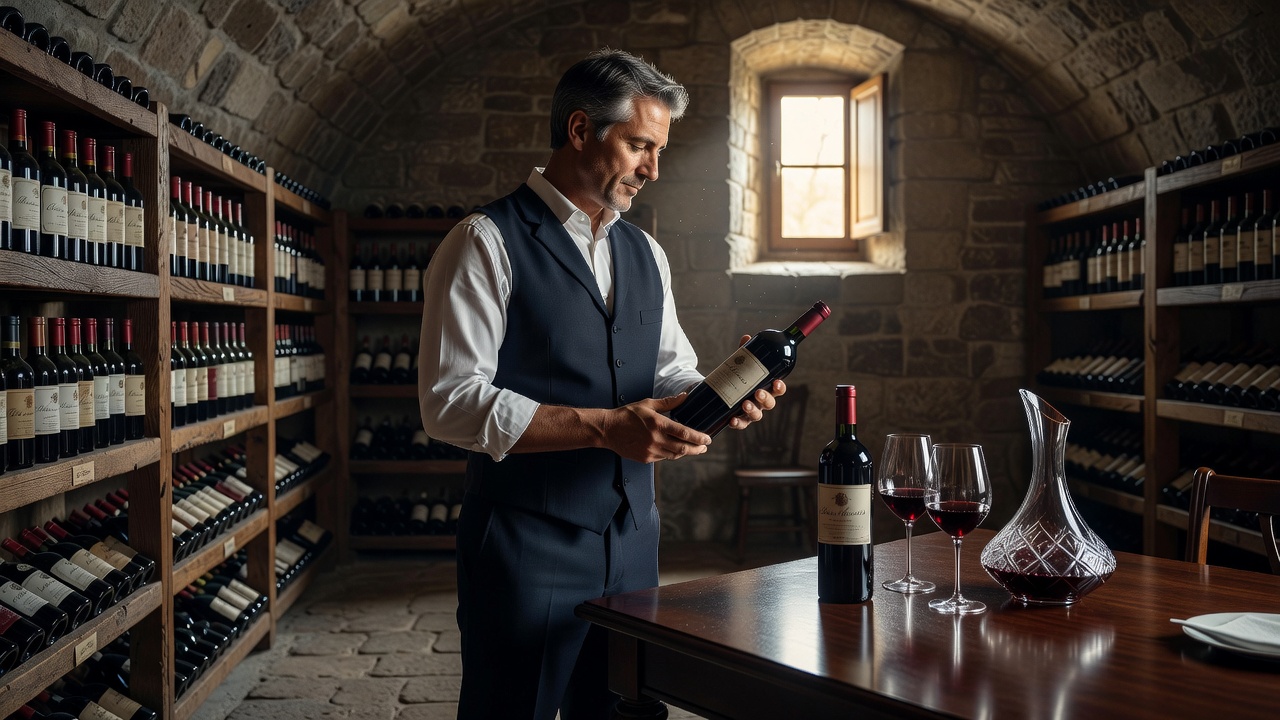
Decanting has evolved beyond its traditional role for aged reds. Modern sommeliers apply it strategically to soften tannins in younger wines or gently remove sediment from mature vintages. The critical element at home is maintaining subtlety—perform the task discreetly in the kitchen or at a side station rather than making it a theatrical tableside performance unless guests specifically request the ritual.
Step-by-step cue process: First, observe the wine’s color and clarity by holding the bottle against light. If it appears cloudy or you detect firm, drying tannins on an initial sip straight from the bottle, consider decanting for 20 to 40 minutes depending on the varietal. For ready-to-drink bottles that have been stored correctly, minimal aeration is often sufficient to reach optimal drinking condition without over-oxidation.
Brief Storage Notes for Ready Bottles
Even short-term storage significantly affects quality and readiness. Keep bottles away from direct sunlight, vibrations, and rapid temperature fluctuations that can prematurely age or damage the wine. Horizontal positioning preserves cork moisture for reds and fortified wines, maintaining an airtight seal, while whites and sparkling bottles may stand upright if consumption is planned within a few days. Aim for a consistent cool environment around 55°F (13°C) whenever feasible to keep bottles in peak condition for immediate service.
Step-by-Step Personalization Workflows
Combine the elements above into repeatable, professional sequences that ensure consistency across events:
- Pre-event planning: Curate three to four bottles based on the menu and gathered guest intelligence, including at least one backup option.
- Arrival phase: Offer a welcoming pour of a versatile sparkling wine or light white to set a celebratory tone while continuing preference observation.
- During courses: Rotate glassware thoughtfully and monitor reactions to refine subsequent selections in real time.
- Post-meal engagement: Invite casual feedback to strengthen relationships and refine approaches for future gatherings.
Comparisons of Service Styles and Common Mistakes to Avoid
Contrast casual “pour and pass” approaches with structured sommelier service. The former often risks mismatched serving temperatures, overlooked preferences, and diminished aroma impact. Common pitfalls include over-decanting delicate aromatic whites, using oversized glasses for light-bodied varieties that causes rapid aroma loss, or neglecting to chill whites adequately before service. Avoiding these errors consistently distinguishes memorable hosts from average ones.
FAQ: Timing, Feedback, and Real Scenarios
When should I open bottles relative to guest arrival?
Open structured reds 30 to 60 minutes before serving to allow gentle breathing. Whites and rosés benefit from 15 to 20 minutes of chilling after opening to reach ideal serving temperature.
How do I handle mixed or negative feedback on a selected wine?
Acknowledge individual preferences gracefully and pivot smoothly to an alternative bottle without apology or lengthy explanation. This response demonstrates attentiveness and flexibility rather than defensiveness.
What if a guest prefers non-alcoholic or low-alcohol options?
Always prepare a sophisticated zero-proof alternative, such as a verjus-based aperitif or high-quality non-alcoholic sparkling, presented in identical glassware to maintain inclusivity and visual harmony.
Conclusion: Creating Lasting Impressions
Mastering these sommelier techniques in 2026 allows hosts to deliver restaurant-quality experiences within the comfort of home. By focusing on rapid preference assessment, precise glassware matching, thoughtful decanting, and proper short-term storage, every gathering becomes more memorable and engaging. Begin with one complete workflow at your next dinner and gradually incorporate additional elements—the cumulative impact on guest satisfaction will be immediately noticeable. For continued learning, explore resources at Decanter, WSET, and Wine Spectator.
No comments yet. Be the first!