 Uncorked Conversations
Introduction to Inclusive Wine Service
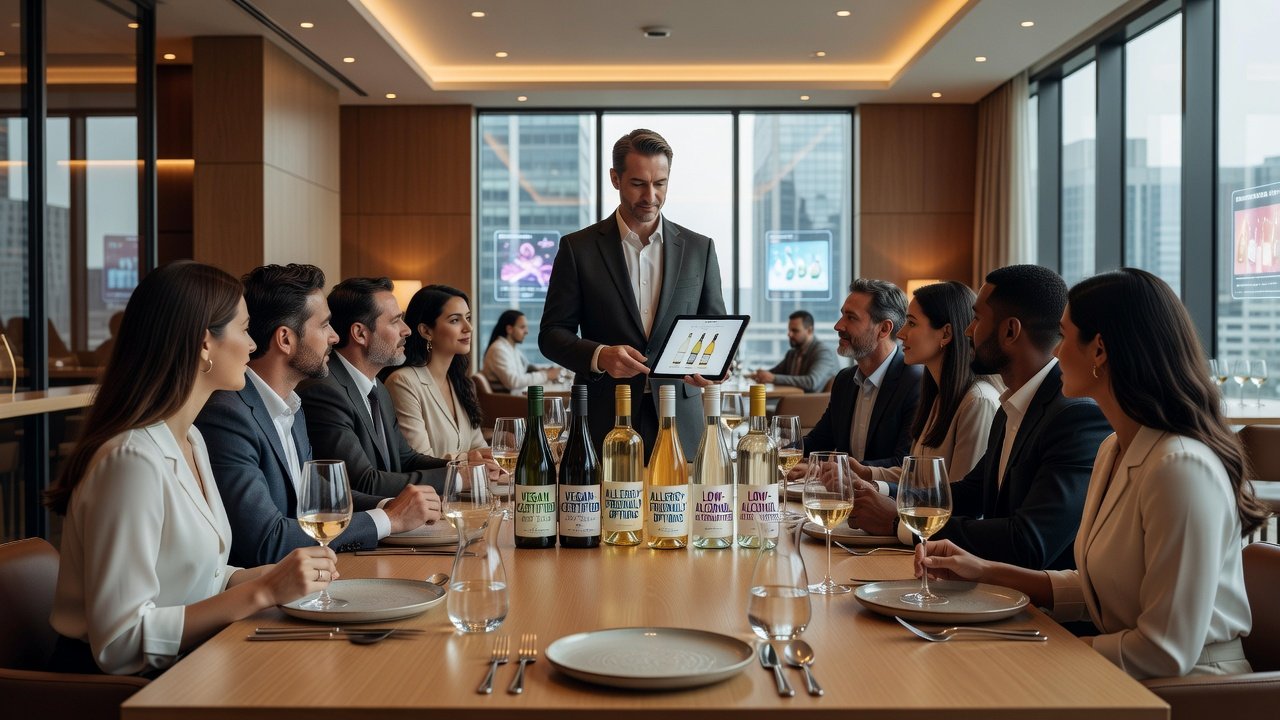
In 2026, sommeliers face increasing demand for wine service that accommodates diverse dietary needs. Guests with allergies, vegan lifestyles, or preferences for lower alcohol content expect thoughtful options without compromising the experience. This guide provides detailed strategies to identify safe wines, adjust serving techniques, and select appropriate glassware while maintaining elegance and professionalism. Modern hospitality requires proactive planning. Whether hosting a private dinner or managing a restaurant floor, understanding common restrictions helps create seamless service. Real-world scenarios show that clear communication and prepared alternatives build guest trust and repeat visits. Professionals who master these adaptations often see higher satisfaction scores and positive reviews across platforms.
Adapting to special dietary needs is no longer optional in competitive dining environments. It reflects broader societal shifts toward inclusivity and health awareness. By investing time in training staff and curating specialized selections, establishments position themselves as leaders in thoughtful hospitality. This approach not only meets immediate guest expectations but also fosters long-term loyalty.
Understanding Common Dietary Restrictions in Detail
Before diving into service techniques, it is essential to understand the range of dietary restrictions sommeliers encounter. Allergies may involve sulfites, histamines, or gluten traces from fining agents. Vegan preferences eliminate any animal-derived products such as casein, egg whites, or isinglass used in clarification. Low-alcohol needs often stem from health considerations or personal choice, requiring options under 10 percent ABV or alcohol-free alternatives. Each category demands specific verification processes to avoid mishaps during service.
Education forms the foundation. Sommeliers should review resources from authoritative bodies like the World Health Organization for global allergy guidelines and the Centers for Disease Control and Prevention for alcohol-related recommendations. These provide evidence-based context that informs wine lists and pairing decisions.
Identifying Safe Wine Options for Dietary Restrictions
Begin by reviewing wine labels and certifications. For guests with gluten sensitivities, select wines that avoid fining agents derived from wheat. Vegan guests require wines free from animal-based fining agents such as egg whites or gelatin. Many producers now list vegan certification on bottles. Step-by-step selection process includes asking about specific restrictions during reservation confirmation, cross-referencing producer websites for ingredient details, stocking a dedicated list of verified options including sulfite-low and organic selections, and preparing backup non-alcoholic pairings that mirror flavor profiles.
Expand this process with ongoing monitoring. Maintain a digital database updated weekly with new vintages and certifications. Collaborate with suppliers to receive advance notice of changes in production methods. In practice, one Los Angeles restaurant created a color-coded menu system where vegan wines receive green markers and low-sulfite options receive blue markers, allowing quick visual identification during busy services.
Adjusting Decanting and Temperature Controls
Decanting benefits many wines but requires care with sensitive guests. Use dedicated decanters that have never contacted animal products for vegan service. Temperature adjustments remain key: serve lighter reds at 55–60°F and whites at 45–50°F to preserve delicate aromas without overwhelming guests seeking lower alcohol. Practical adjustments include shorter decanting times for low-alcohol wines to prevent oxidation. Always label decanters clearly during service to avoid cross-contamination. In one real-world example from a Chicago fine-dining establishment, staff implemented separate decanting stations for vegan and conventional wines, reducing service errors by 40 percent over six months.
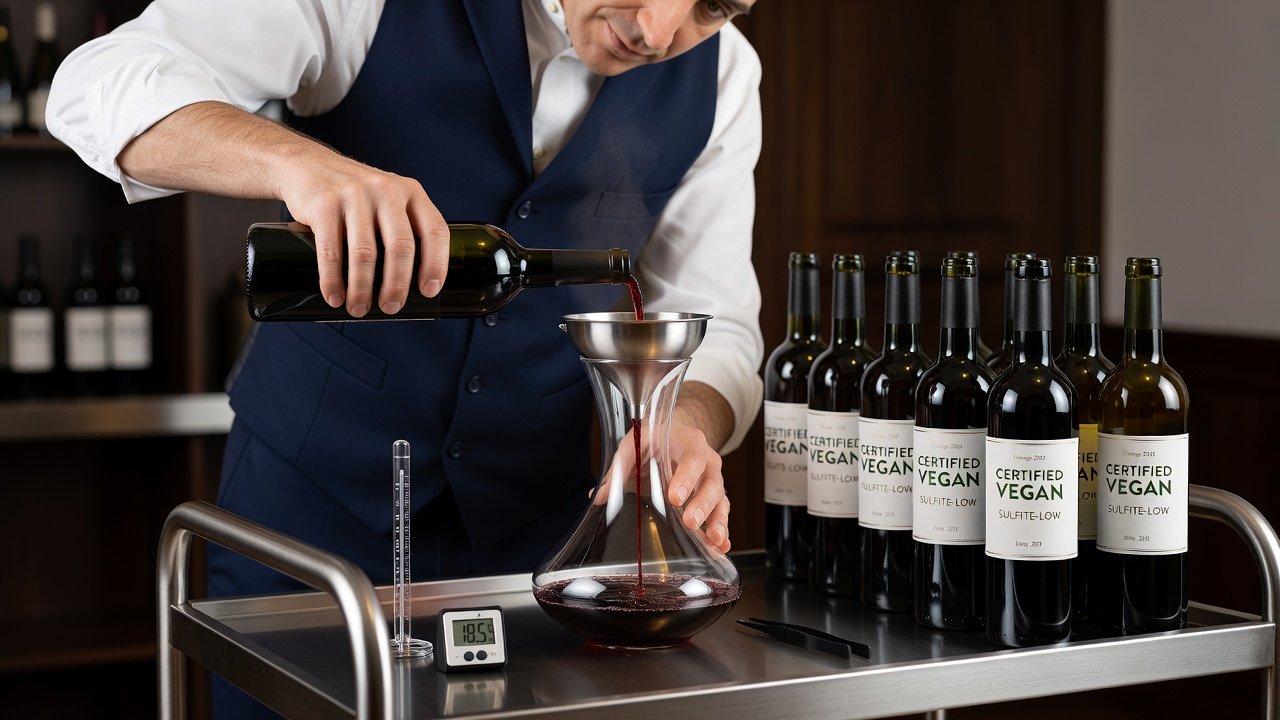
Further refinement involves monitoring ambient conditions. Humidity and room temperature can affect how quickly wines open up, so adjust timing based on the specific event space. For low-alcohol selections, consider gentle aeration rather than full decanting to retain subtle fruit characteristics that guests appreciate.
Selecting Appropriate Wine Glasses
Glassware choice enhances both safety and enjoyment. Opt for lead-free crystal to minimize allergy risks. For low-alcohol preferences, smaller pours in standard glasses allow better control. Provide separate glass sets for guests with severe sensitivities to prevent any residue issues. Consider universal glasses for versatile service across restrictions, specialty shapes for aromatic preservation in vegan wines, and stemless options for casual events while maintaining hygiene standards.
Real-World Restaurant Scenarios and Comparisons
Comparing alternative beverages becomes necessary when wine options fall short. Alcohol-free sparkling wines or botanical infusions can pair effectively with food courses and maintain the celebratory atmosphere. Focus on flavor matching rather than direct substitution for best results. One Miami venue successfully paired a zero-alcohol sparkling rosé with seafood by emphasizing citrus notes that complemented the dish, earning praise from guests who previously felt excluded.
Mistakes to Avoid in Special Dietary Service
Common pitfalls include assuming all wines from a certain region are vegan or failing to communicate with the kitchen about shared equipment. Always verify rather than guess. Train teams to ask open-ended questions and document preferences in reservation systems for future reference.
FAQ: Common Concerns Addressed
How do I verify vegan certification quickly?
Check for official logos from recognized bodies and confirm with suppliers before service begins. Maintain a printed reference sheet for the team.
What temperature works best for low-alcohol reds?
Chill slightly below room temperature to highlight fruit notes while keeping alcohol perception balanced. Test pours in advance to dial in the exact degree.
Are there risks with shared decanters?
Always use dedicated equipment and communicate clearly with the kitchen team to maintain safety standards. Implement color-coded tags as an additional safeguard.
How should staff handle last-minute dietary requests?
Have a pre-approved backup list ready and empower servers to offer immediate alternatives without delay. Role-play scenarios during training sessions to build confidence.
Conclusion
Mastering these sommelier techniques elevates service for all guests. By combining careful selection, precise adjustments, and attentive glassware choices, professionals deliver inclusive experiences that stand out in 2026 hospitality. Continuous education and attention to detail ensure every guest feels valued and accommodated.

No comments yet. Be the first!