 Uncorked Conversations
Introduction
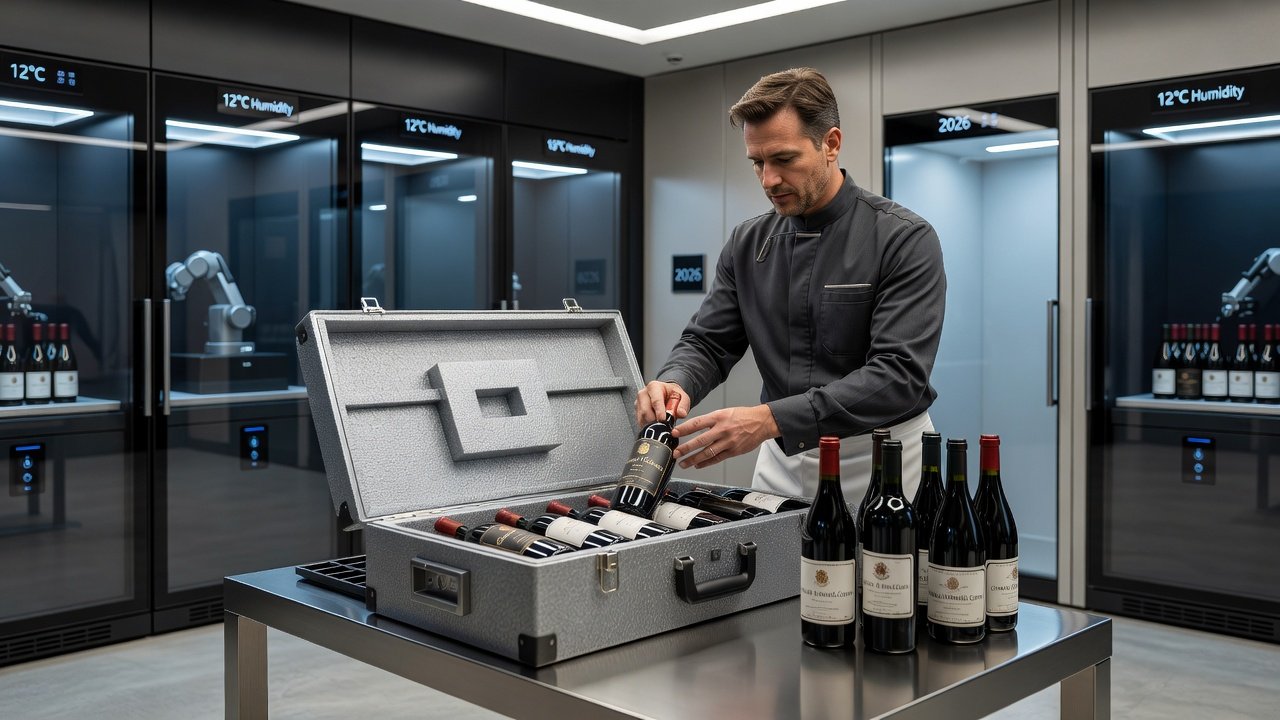
Transporting a wine collection demands precision to maintain flavor integrity and prevent spoilage. Whether moving across town or shipping internationally, collectors must address temperature fluctuations, vibration, and light exposure. This guide draws from professional sommelier practices to deliver actionable strategies for 2026. Professional sommeliers routinely handle collections valued in the tens of thousands of bottles, and their methods emphasize preparation, monitoring, and recovery protocols that go far beyond basic packing. Collectors often underestimate how even brief exposure to adverse conditions can alter tannins, acids, and aromas permanently. By following structured approaches, you can ensure bottles arrive ready for immediate enjoyment or long-term cellaring.
Understanding the Primary Risks to Wine During Transport
Wine is sensitive to environmental changes. Temperature swings above 75°F or below 45°F can accelerate aging or cause expansion damage. Vibration from roads or air turbulence disrupts sediment in older vintages, while UV light degrades delicate aromas. Sommeliers emphasize proactive planning over reactive fixes. Heat causes corks to push out and wine to expand, leading to leakage, while cold can freeze the liquid and crack bottles. Vibration shakes fine particles into suspension, clouding the wine and affecting mouthfeel. Light exposure, particularly UV rays, triggers chemical reactions that produce off-flavors described as "light struck." Real-world examples include collectors losing entire cases after leaving them in direct sunlight for just a few hours during a summer move. Understanding these risks allows targeted mitigation rather than generic handling.
Optimal Packing Materials and Techniques
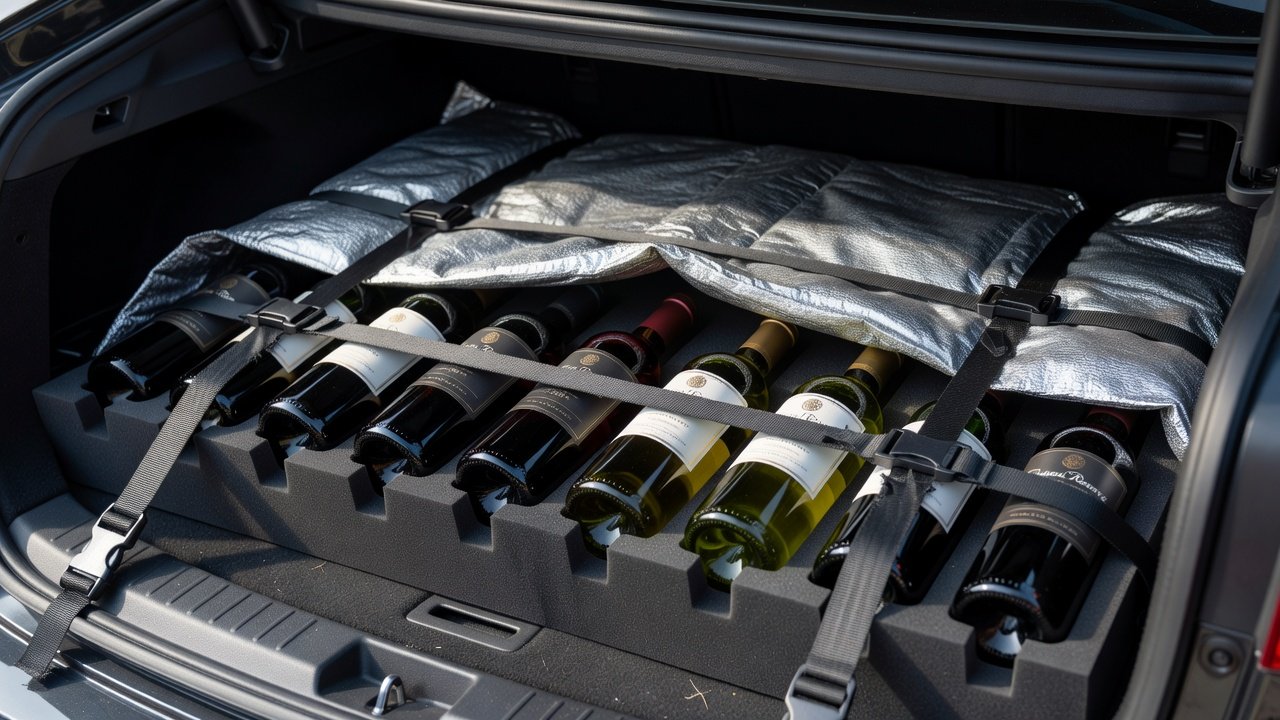
Start with insulated wine shippers featuring foam inserts that cradle each bottle. Use thermal blankets rated for extreme conditions and silica gel packs to control humidity. For fragile collections, double-boxing with bubble wrap and cardboard dividers adds protection. Always orient bottles horizontally to keep corks moist. Additional materials include phase-change packs that maintain stable temperatures for up to 48 hours, custom wooden crates lined with reflective foil, and humidity monitors that provide real-time alerts via Bluetooth. Sommeliers often layer materials in specific sequences: first a moisture barrier, then cushioning foam, followed by an outer insulated shell. This multi-layer approach has proven effective in preventing both physical damage and environmental stress across thousands of shipments.
Step-by-Step Packing Process
- Inspect each bottle for leaks or damage and note vintage details on a manifest.
- Wrap individually in protective sleeves or tissue to prevent label abrasion.
- Place in pre-cooled shippers with temperature indicators inside each compartment.
- Add desiccants and secure with straps to eliminate internal movement.
- Seal outer boxes with tamper-evident tape and affix orientation arrows.
- Label clearly with handling instructions and emergency contact information.
Vehicle Setup for Short-Distance Moves
For local transport under two hours, use a climate-controlled vehicle. Position cases on the floor away from direct sunlight and secure with straps to minimize movement. Avoid trunks in hot weather; opt for the passenger area with windows shaded. Additional tips include pre-cooling the vehicle cabin to 55°F before loading, using reflective sunshades on all windows, and monitoring interior temperature with a digital thermometer placed near the cases. In urban settings with frequent stops, sommeliers recommend covering loads with light-blocking blankets and avoiding routes with heavy construction that increase vibration. One collector successfully transported 200 bottles across a city by renting a refrigerated van typically used for floral deliveries, maintaining consistent conditions throughout.
Strategies for Long-Distance and International Shipping
Long hauls require professional carriers experienced with wine. Monitor temperatures with data loggers and choose routes avoiding extreme climates. For air travel, comply with FAA guidelines on liquids and declare valuables. Summer shipments benefit from refrigerated containers. International moves add layers of customs documentation and potential delays at borders, so sommeliers coordinate with specialized forwarders who provide temperature-controlled air freight or ocean containers. Data loggers that record temperature every 15 minutes allow post-shipment analysis, helping identify any excursions that might require resting adjustments upon arrival. Always build buffer time into schedules to account for weather or logistical delays.
Post-Arrival Resting Protocols
Upon arrival, allow bottles to rest upright for 24-48 hours before returning to horizontal storage. This settles any disturbed sediment. Gradually acclimate to cellar conditions over several days. Extended resting may be necessary if logs show temperature spikes during transit. Sommeliers recommend tasting a sample bottle after one week to assess any impact, comparing it against cellar-stored references from the same vintage. This protocol has rescued collections that experienced minor vibrations by allowing sediments to re-settle naturally without aggressive handling.
Common Mistakes Versus Best Practices
- Mistake: Leaving wine in a hot car. Best practice: Use insulated coolers with ice packs and never exceed 30 minutes unattended.
- Mistake: Stacking cases without padding. Best practice: Individual cradling in custom foam with void fillers between layers.
- Mistake: Ignoring humidity control. Best practice: Include moisture regulators and check readings before sealing containers.
- Mistake: Using standard cardboard boxes for long hauls. Best practice: Invest in purpose-built wine shippers with certified insulation ratings.
Real-World Sommelier Examples
During a 2025 cross-country move, one collector used phase-change materials to maintain 55°F, arriving with zero losses. Another avoided vibration issues on a bumpy route by adding extra cushioning layers and routing through smoother highways. A third sommelier managed a summer shipment of rare Burgundies by coordinating overnight air freight with ground refrigerated transport at both ends, preserving the collection for a major tasting event. These cases highlight the value of combining technology with route planning and contingency backups.
Frequently Asked Questions
How do I handle air travel with wine?
Pack in checked luggage using approved shippers and check airline policies via TTB resources. Limit quantities and declare if required. Always verify current regulations at departure and arrival airports, as rules can vary by carrier and destination country.
What about summer shipments?
Schedule overnight deliveries and use gel packs. Avoid weekend arrivals to prevent warehouse exposure. Partner with carriers offering active refrigeration and request temperature reports upon delivery for peace of mind.
Can I transport open bottles?
No. Seal and repack only unopened bottles to avoid leakage and oxidation risks. Opened bottles should be consumed or properly recorked and stored locally rather than shipped.
Conclusion
Following these sommelier tips ensures your collection arrives in optimal condition. Prioritize preparation and monitoring for consistent results in any scenario. With careful attention to each phase of the journey, collectors can confidently move or display their wines without compromising quality or value.


No comments yet. Be the first!