 Uncorked Conversations

Introduction: Why Every Sommelier Keeps a Wine Journal
Sommeliers rely on detailed records to make precise decisions about wine service. A well-maintained wine journal captures observations that improve storage conditions, decanting times, and glassware choices for every bottle. This systematic approach transforms subjective tasting experiences into actionable data that elevates guest satisfaction in both professional and home settings. Over time, these records become an irreplaceable personal database that reveals patterns invisible during a single tasting session. Professionals who maintain journals report faster mastery of complex vintages and more consistent results across different service scenarios.
Building a wine journal starts with consistent documentation. Professionals track variables that influence a wine’s performance, allowing them to repeat successes and avoid past mistakes. Beginners benefit from the same discipline, as structured notes accelerate learning and build confidence when selecting wines for meals or events. The practice also encourages mindfulness during service, turning routine pours into deliberate, optimized experiences that guests notice immediately.
Core Elements to Track in Your Wine Journal
Effective journals focus on four primary categories of information. Tasting notes form the foundation, recording aroma, flavor, texture, and finish at multiple stages of the wine’s life. Bottle age and vintage details help identify optimal drinking windows. Serving conditions include temperature, decanting duration, and glass shape. Guest feedback closes the loop by documenting real-world reactions. Additional useful fields include cork condition upon opening, fill level in the bottle, and any unusual visual signs such as ullage or sediment behavior.
- Tasting Notes: Describe primary, secondary, and tertiary aromas plus palate evolution across time intervals.
- Bottle Age & Vintage: Note purchase date, cellar location, and expected peak drinking period based on prior similar bottles.
- Serving Conditions: Record exact temperature, decant time, vessel type, and stemware used for each tasting.
- Guest Feedback: Capture comments on pairing success, perceived value, and any specific compliments or criticisms.
Tracking these elements consistently allows sommeliers to correlate service choices with outcomes across hundreds of bottles, creating a reliable reference that improves with every entry.
Sample Journal Templates for Beginners and Professionals
A simple template might include date, producer, vintage, region, tasting impressions, service notes, and outcome. More advanced versions add columns for pH levels, residual sugar, and specific decanting vessel material. Many sommeliers print a one-page template that fits inside a leather binder for quick handwritten entries during service. For home users, a basic spreadsheet can suffice initially, with columns for grape variety, alcohol percentage, and pairing notes to facilitate later analysis of successful combinations.
Digital templates offer searchability and allow photo attachments of labels or cork conditions. Spreadsheets or dedicated apps let users filter entries by grape variety or vintage year, revealing patterns across dozens of bottles. One effective professional template includes a dedicated section for “lessons learned” after each service, prompting reflection on what could be adjusted next time.
Digital Versus Handwritten Formats: Choosing What Works
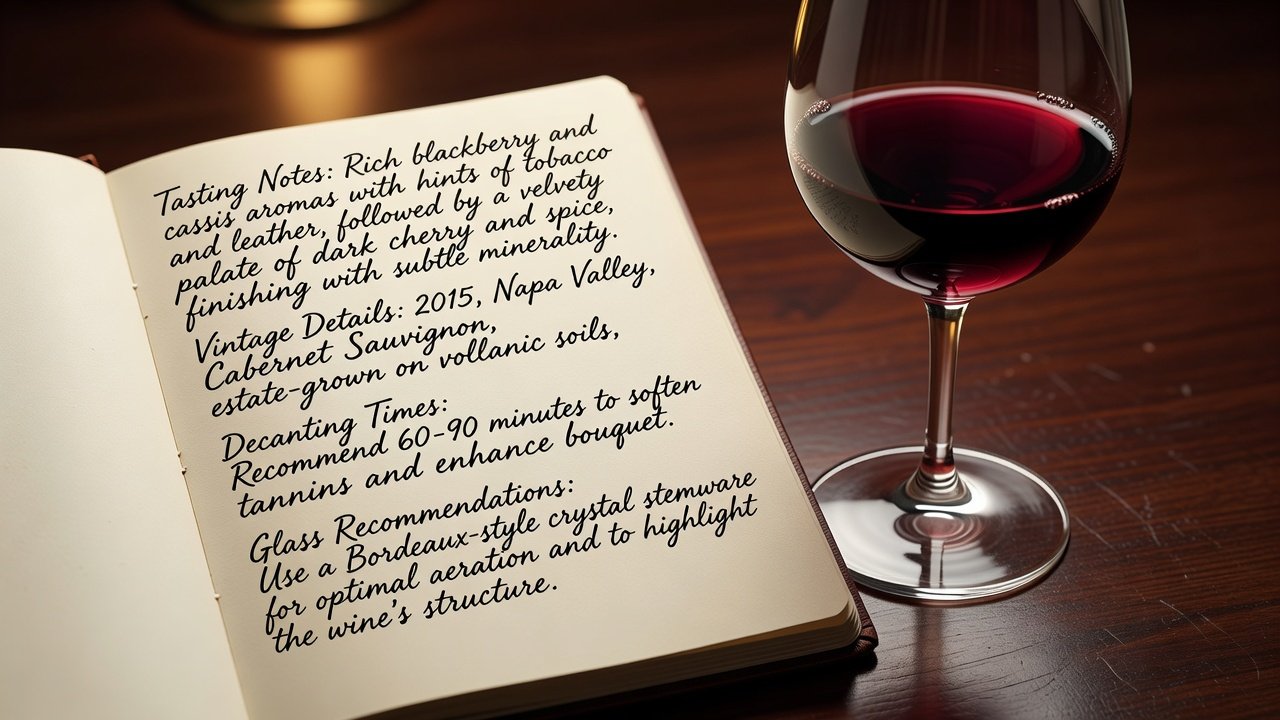
Handwritten journals provide tactile satisfaction and encourage deeper reflection during the act of writing. Many experienced sommeliers prefer this format for its privacy and lack of screen distractions during busy service periods. The physical act of writing also aids memory retention, making it easier to recall specific details months later. Digital options excel in organization and backup capabilities, especially when multiple team members contribute to a shared cellar log. Search functions and export options make digital journals ideal for compiling annual reports or identifying long-term trends in storage performance.
Hybrid approaches combine both: quick notes on paper followed by transcription into a digital database at the end of the week. This method balances speed with long-term accessibility. When choosing a format, consider your environment—restaurant floors favor paper, while home cellars often suit tablets or laptops for immediate data entry.
How Records Prevent Common Serving Errors
Journal entries quickly expose patterns such as over-decanting delicate older vintages or using the wrong glass shape for aromatic whites. One common mistake involves storing bottles near heat sources; repeated notes on premature oxidation help identify and correct the issue. Another frequent error is inconsistent serving temperatures—detailed logs reveal whether a wine performed better at 14°C or 16°C. By reviewing past entries before opening similar bottles, sommeliers avoid repeating missteps that could disappoint guests or waste expensive wines. Over time, these records also highlight when certain producers require unique handling compared to regional norms.
Practical Examples from Home Tastings and Multi-Course Meals
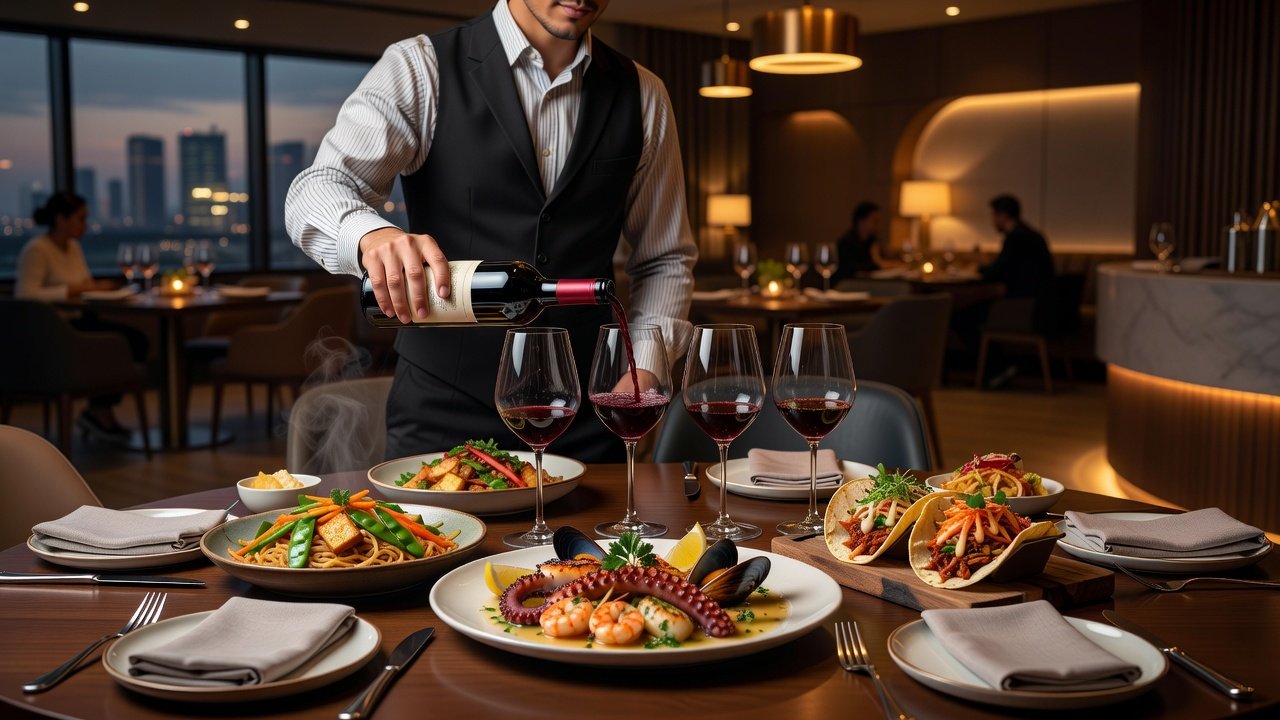
At a recent home vertical tasting of Cabernet Sauvignon, a journal entry noted that the 2015 vintage required 90 minutes of decanting while the 2018 needed only 45 minutes. This observation guided future service and prevented muted aromas in younger wines. During a five-course dinner pairing, notes on guest reactions to glass shape led to switching from Burgundy bowls to Bordeaux glasses for the main course, improving perceived structure and balance. Another example from a multi-course meal involved tracking how a particular Pinot Noir responded differently when served after a short decant versus none at all, leading to a refined protocol for similar light reds in future events.
Step-by-Step Guidance for Beginners
- Choose a durable notebook or app and commit to daily entries for one month to build the habit.
- Record every bottle opened, even casual weeknight pours, to capture a wide range of conditions.
- Include at least three tasting descriptors and one service variable each time for meaningful data accumulation.
- Review entries monthly to identify trends in decanting times or glass preferences across similar wines.
- Adjust future service based on past outcomes and re-test the changes with new bottles to confirm improvements.
- Periodically back up digital entries and organize physical pages by region or vintage for quick reference.
Maintenance Habits That Keep Journals Useful
Successful sommeliers treat journal maintenance as a non-negotiable routine rather than an occasional task. Set aside five minutes after each service or tasting to complete entries while details remain fresh. Monthly audits help prune outdated information and highlight areas needing more attention, such as under-documented white wines or older vintages. Consistent habits prevent the journal from becoming a neglected notebook and instead turn it into a living tool that grows more valuable over years of use.
Privacy Tips for Shared Cellars
When multiple people access the same cellar, decide early whether notes remain private or become shared resources. Use coded abbreviations for personal preferences and keep sensitive guest feedback in a separate section. Digital platforms with permission controls allow selective sharing while protecting individual observations. Clear communication about what information stays confidential helps maintain trust among cellar partners and encourages everyone to contribute honestly.
Conclusion: Turning Notes into Better Service
A wine journal becomes a personal reference library that grows more valuable with every entry. By consistently tracking tasting notes, age, serving conditions, and feedback, both professionals and enthusiasts refine their decisions on storage, decanting, and glass selection. The result is more confident, consistent, and memorable wine experiences that reward the discipline of careful record-keeping. Over time, these journals also contribute to broader industry knowledge when patterns are shared responsibly with peers.
FAQ
How often should I update my wine journal?
Update entries immediately after each tasting or service. Weekly reviews help spot trends without requiring daily maintenance beyond the initial recording.
Should shared cellars maintain one joint journal or separate records?
A shared digital journal with clear attribution works best for teams. Privacy settings can restrict sensitive personal notes while allowing collective data on storage conditions. Decanter offers additional guidance on cellar management practices.
What should I do if I forget to record details right away?
Make a quick voice note or jot bullet points on your phone within minutes, then expand them later the same day while memory is still reliable.
Can journals help with wine investment decisions?
Yes, long-term tracking of how bottles evolve in your specific cellar conditions provides data that informs future purchases and timing of sales or consumption. Wine Magazine frequently discusses similar record-keeping benefits for collectors.
No comments yet. Be the first!