 Uncorked Conversations
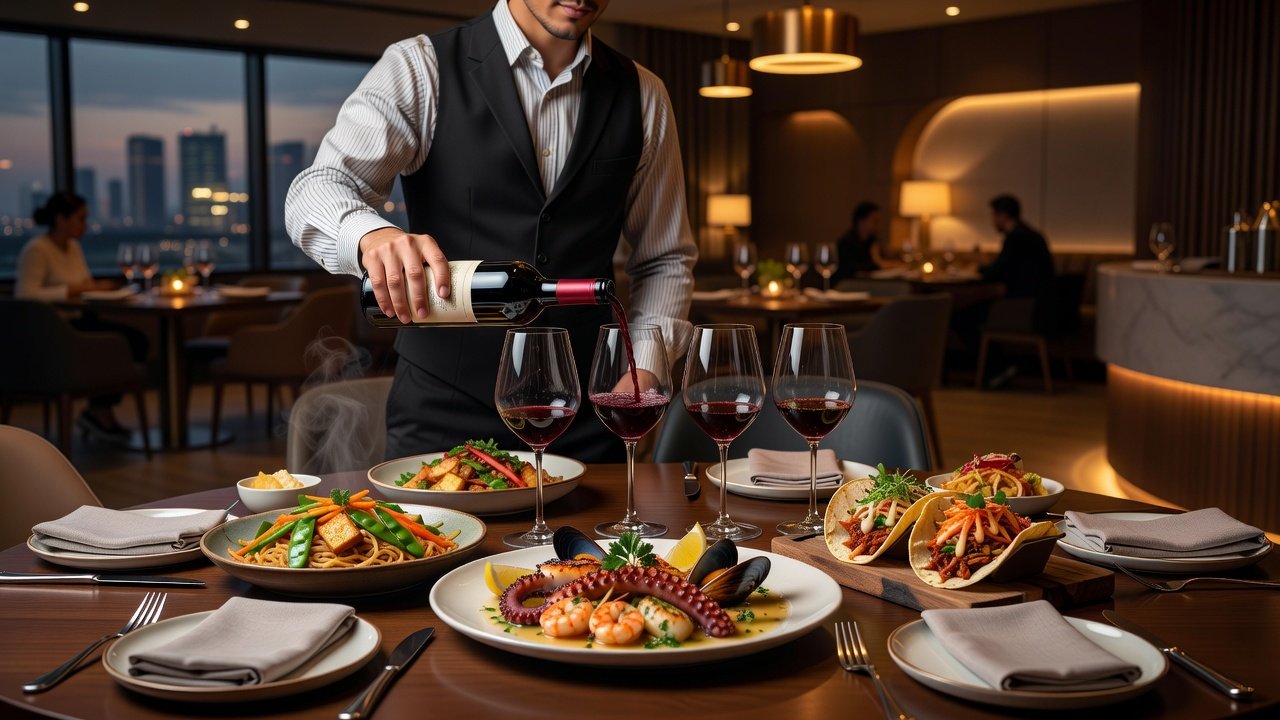
Introduction to Sommelier Strategies for Global Wine Pairings
In 2026, wine service continues to evolve as diners explore bolder international flavors. Sommelier tips emphasize harmony between wine and cuisine through thoughtful selection and precise execution. Whether at home or in a professional restaurant, understanding how to match elements like tannin levels to spice intensity creates memorable dining experiences. This guide delivers actionable advice on wine serving techniques, glass selection, and real-world examples that elevate any meal.
Effective wine pairings start with core principles: balance acidity, complement or contrast flavors, and consider texture. For instance, bold reds can stand up to rich Asian stir-fries when tannins cut through savory sauces, while crisp whites highlight the freshness of Mediterranean seafood.
Matching Tannin Levels to Spice Intensity
Tannins provide structure in red wines and interact directly with spices. High-tannin wines like Cabernet Sauvignon pair well with moderately spiced dishes, where the astringency balances heat without overwhelming it. Low-tannin options such as Pinot Noir suit milder profiles or heavily spiced foods that could clash with stronger tannins.
Practical steps include tasting the dish first, then selecting a wine whose tannin grip mirrors the spice level. For Thai curries with moderate chili, a medium-tannin Syrah works effectively. Always adjust for individual palate sensitivity and test small pours before committing to a full bottle.
Adjusting Serving Temperatures for Diverse Cuisines
Serving temperature dramatically affects aroma and flavor perception. Red wines benefit from 60-65°F (15-18°C) to soften tannins, while whites shine at 45-55°F (7-13°C). For Japanese sushi, chill Sauvignon Blanc to around 48°F to accentuate citrus notes that cut through fish oils. Indian curries pair best with slightly warmer reds to release earthy aromas that complement complex spice blends.
Use a wine thermometer for precision in professional settings. At home, chill bottles in an ice bucket for 15-20 minutes or let reds rest at room temperature after brief refrigeration. These adjustments ensure wines express their full character alongside global dishes.
Selecting Appropriate Glass Shapes to Enhance Aromas
Wine glasses influence how aromas reach the nose and how the wine flows across the palate. Wide-bowled glasses for reds allow oxygen exposure that softens tannins during meals with grilled meats or stir-fries. Narrow flutes preserve bubbles and concentrate delicate aromas in sparkling wines served with seafood or light appetizers.
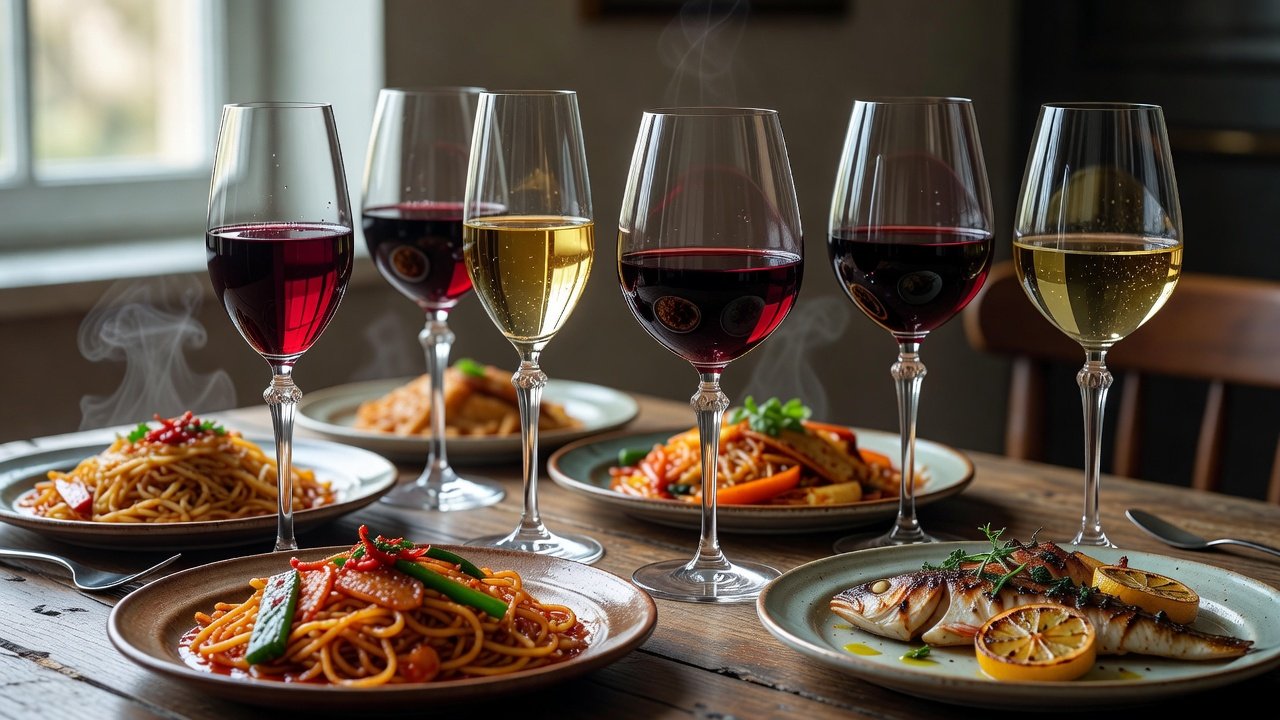
Universal glasses offer versatility for mixed-cuisine dinners, but dedicated shapes optimize specific pairings. For example, a larger bowl for Bordeaux-style reds enhances the experience with bold Asian flavors, while tulip-shaped glasses suit aromatic whites with Mediterranean plates. Invest in quality crystal for better clarity and durability in repeated professional use.
Practical Pairing Examples: Bold Reds with Asian Stir-Fries and Crisp Whites with Mediterranean Seafood
Consider a classic stir-fry with beef and broccoli: a Malbec with moderate tannins and dark fruit notes cuts through the umami and soy sauce beautifully. Serve at 62°F in a wide glass to open up the wine’s profile. For pad Thai, a Gamay offers bright acidity and light tannins that refresh the palate between bites of sweet and spicy noodles.
Mediterranean seafood such as grilled octopus or shrimp scampi pairs elegantly with Albariño or Vermentino. These crisp whites, served chilled at 50°F in tall glasses, highlight citrus and mineral notes that echo the sea flavors. Add a splash of lemon to the dish to amplify the synergy.
Step-by-Step Pouring Sequences for Optimal Service
- Present the bottle label first to confirm the selection with guests.
- Open using a clean corkscrew, then wipe the rim to remove any residue.
- Pour a small tasting portion for the host or primary diner to approve.
- Fill glasses to one-third capacity for reds and one-half for whites to allow swirling.
- Top up throughout the meal, monitoring temperature changes as glasses warm.
This sequence maintains professionalism and ensures consistent enjoyment, whether serving at a dinner party or in a busy restaurant.
Addressing Challenges: Balancing Acidity in Fusion Menus
Fusion menus often combine elements like spicy Korean tacos with Italian pastas, creating acidity mismatches. Sommelier tips recommend choosing wines with moderate acidity that bridge both worlds, such as a versatile Chardonnay with subtle oak. When acidity clashes, introduce a small amount of citrus or vinegar in the dish to align with the wine.
Another common issue is overwhelming heat from multiple spices. Counter this by selecting off-dry wines that provide slight sweetness to tame spice without clashing. Test pairings in advance and adjust portions to maintain balance across courses.
FAQ: Common Questions on Wine Serving and Global Pairings
What wine glasses work best for mixed international dinners?
Versatile Bordeaux or Burgundy glasses accommodate most red and white pairings while enhancing aromas across Asian, Mediterranean, and fusion dishes.
How do I adjust for dietary restrictions in wine pairings?
Focus on acidity and tannin balance rather than specific ingredients. Vegan-friendly wines without animal fining agents expand options for diverse guests.
Can these sommelier tips apply at home without professional tools?
Yes. Basic thermometers, quality glasses, and careful tasting allow home enthusiasts to achieve professional-level results with global cuisines.
Conclusion
Mastering sommelier tips for wine service with global cuisines in 2026 transforms ordinary meals into extraordinary experiences. By focusing on tannin-spice harmony, precise temperatures, and thoughtful glassware, both professionals and home cooks create balanced, flavorful pairings. Apply these strategies to stir-fries, seafood, and fusion menus for consistent success. Explore further resources from Decanter and Wine Spectator to refine your approach and stay current with evolving wine trends.

No comments yet. Be the first!