 Uncorked Conversations
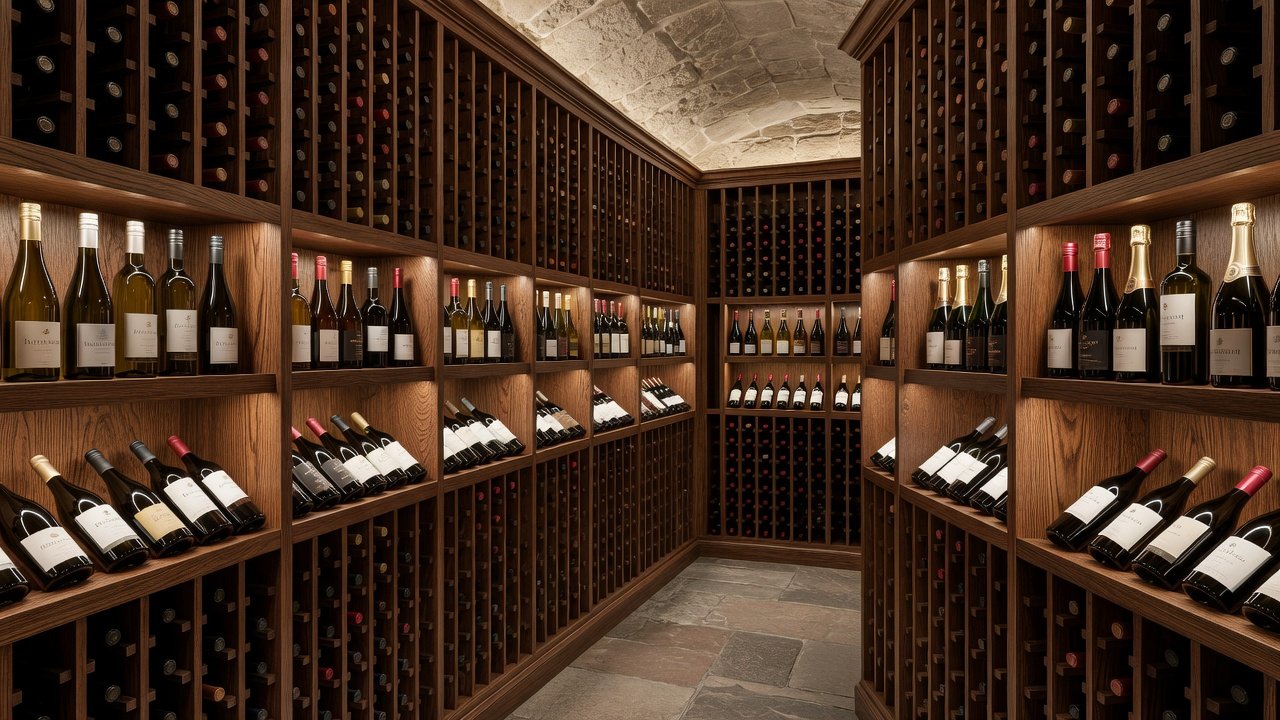
Introduction: Transitioning Your Cellar to the Table Like a Pro
Preparing wines from long-term storage for serving requires careful attention to detail and a systematic approach that mirrors professional sommelier practices. This guide provides actionable steps for home collectors to ensure every bottle reaches its peak at the table in 2026. Whether handling a Bordeaux or a Champagne, the process integrates storage conditions, gradual adjustments, and precise serving choices that preserve the wine's integrity and enhance its flavors.
Professional sommeliers emphasize that poor preparation can mute aromas or introduce faults that ruin an otherwise excellent bottle. By following these workflows, collectors can avoid common pitfalls and elevate their tasting experience to restaurant-level quality. The key lies in treating each stage as an interconnected part of a larger ritual rather than isolated tasks.
Inspecting Bottles for Faults Before Serving
Begin by examining each bottle under good lighting to identify any issues that may have developed during storage. Check the cork for signs of leakage, mold, or excessive dryness, and inspect the ullage level—the space between the wine and cork. Excessive ullage often indicates oxidation, which can flatten flavors and introduce vinegar-like notes.
Look for sediment in older reds by holding the bottle to light or using a flashlight. Faults like cork taint produce a musty, wet-cardboard smell detectable upon opening. Other common issues include tartrate crystals, which are harmless but can alarm new collectors, and light-struck wine in clear bottles. If in doubt, set the bottle aside and select an alternative to maintain the integrity of your tasting session.
Gradual Temperature Transitions from Storage
Long-term storage at a consistent 55°F (13°C) requires slow warming or cooling to reach ideal serving temperatures. Rapid changes can shock the wine, causing it to lose nuance or develop off-aromas. For reds, aim for 60–65°F to allow tannins to soften without becoming flabby. Whites and rosés serve best at 45–55°F to highlight acidity and fruit, while sparkling wines thrive at 40–50°F to preserve bubbles and prevent premature oxidation.
Use a digital wine thermometer for accuracy and allow 30–60 minutes per 10°F adjustment in a controlled room environment. Avoid placing bottles near heat sources or in direct sunlight. A practical method involves moving bottles to a cooler or warmer area in stages, monitoring progress every 15 minutes. This approach ensures the wine expresses its full aromatic potential upon opening. For deeper insights into optimal wine handling, consult resources from Decanter.
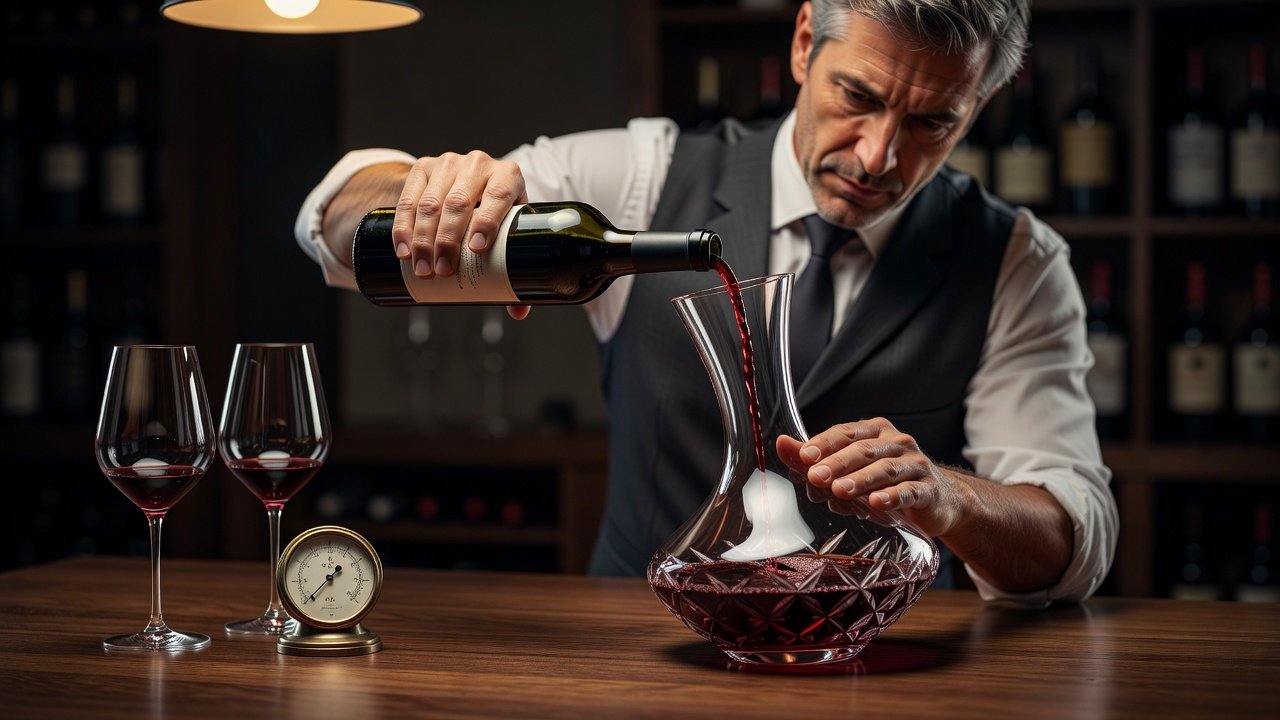
Decanting vs. Serving Straight: Decision Framework
Decant wines with visible sediment or those needing aeration to integrate tannins and release aromas. Older vintages (10+ years) often benefit from careful decanting to separate sediment while preserving delicate aromas—tilt the bottle slowly and pour against the side of the decanter. Younger tannic reds gain from 30–60 minutes of breathing, but over-decanting can strip nuance from fragile wines.
Serve delicate whites and sparkling wines straight from the bottle to maintain temperature and effervescence. Examples include a 2015 Burgundy Pinot Noir decanted for 45 minutes versus a fresh Sauvignon Blanc poured immediately. Compare this to a structured Syrah, which may need an hour to open up fully. Mistakes to avoid include decanting sparkling wines, which lose carbonation, or skipping decanting for high-sediment bottles, leading to gritty textures.
Real-World Examples Across Varietals
- Red: 2018 Napa Cabernet Sauvignon – decant for 1 hour in a wide-bottom decanter to soften tannins and reveal black fruit notes.
- White: 2022 Chablis Premier Cru – serve straight at 50°F in a medium-bowled glass to maintain crisp acidity and mineral character.
- Sparkling: Non-vintage Champagne – open and pour immediately into chilled flutes to preserve fine bubbles and avoid oxidation.
- Additional comparison: A 10-year-old Barolo benefits from decanting, while a young Grüner Veltliner does not.
Matching Glass Shapes to Varietals for Enhanced Enjoyment
Glassware influences aroma delivery, temperature retention, and palate feel in subtle yet significant ways. Use large-bowled glasses for full-bodied reds like Cabernet or Syrah to allow swirling and oxygen exposure. Narrow flutes preserve bubbles in sparkling wines by minimizing surface area, while tulip-shaped glasses suit aromatic whites such as Riesling or Gewürztraminer by concentrating floral notes at the rim.
Invest in versatile sets that cover multiple styles rather than single-purpose pieces. Proper glasses enhance the professional serving experience by directing wine to specific areas of the tongue. Avoid all-purpose glasses when possible, as they compromise the varietal expression that sommeliers work to highlight. Additional guidance on wine service standards is available through Wine Institute.
Printable Checklist for Wine Serving Preparation
- Inspect bottle for faults, ullage, and sediment under bright light.
- Adjust temperature gradually over 1–2 hours using a thermometer.
- Decide on decanting based on age, varietal, and sediment presence.
- Select appropriate glassware and chill stems if required for whites.
- Open the bottle and allow brief breathing for reds if needed.
- Pour in stages, starting with a small taste to confirm quality.
- Record tasting notes including preparation steps for future reference.
- Store opened bottles properly if not finishing immediately.
Conclusion
Following these sommelier techniques ensures your collection performs at its best every time. Consistent practice turns preparation into an effortless ritual that maximizes enjoyment and preserves the investment in your cellar.
FAQs on Timing Errors and Serving Pitfalls
Q: What happens if I serve wine too cold? A: Flavors mute and tannins feel harsh; allow gradual warming in the glass over 10–15 minutes.
Q: How long should I decant a 20-year-old red? A: Limit to 15–20 minutes to avoid over-oxidation that can flatten delicate aromas.
Q: Can I use the same glass for all wines? A: No—shape affects perception and temperature; match to varietal for optimal results and avoid cross-contamination of styles.
Q: What if sediment gets into the glass? A: Use a fine mesh strainer during decanting or pour slowly while holding the bottle at an angle to minimize disturbance.
Q: How do I handle temperature adjustments in a warm climate? A: Use an ice bucket with water for whites and sparkling, monitoring every five minutes to prevent over-chilling.
No comments yet. Be the first!