 Uncorked Conversations
Sommelier Tips: Wine Service Strategies for Intimate Dinner Parties
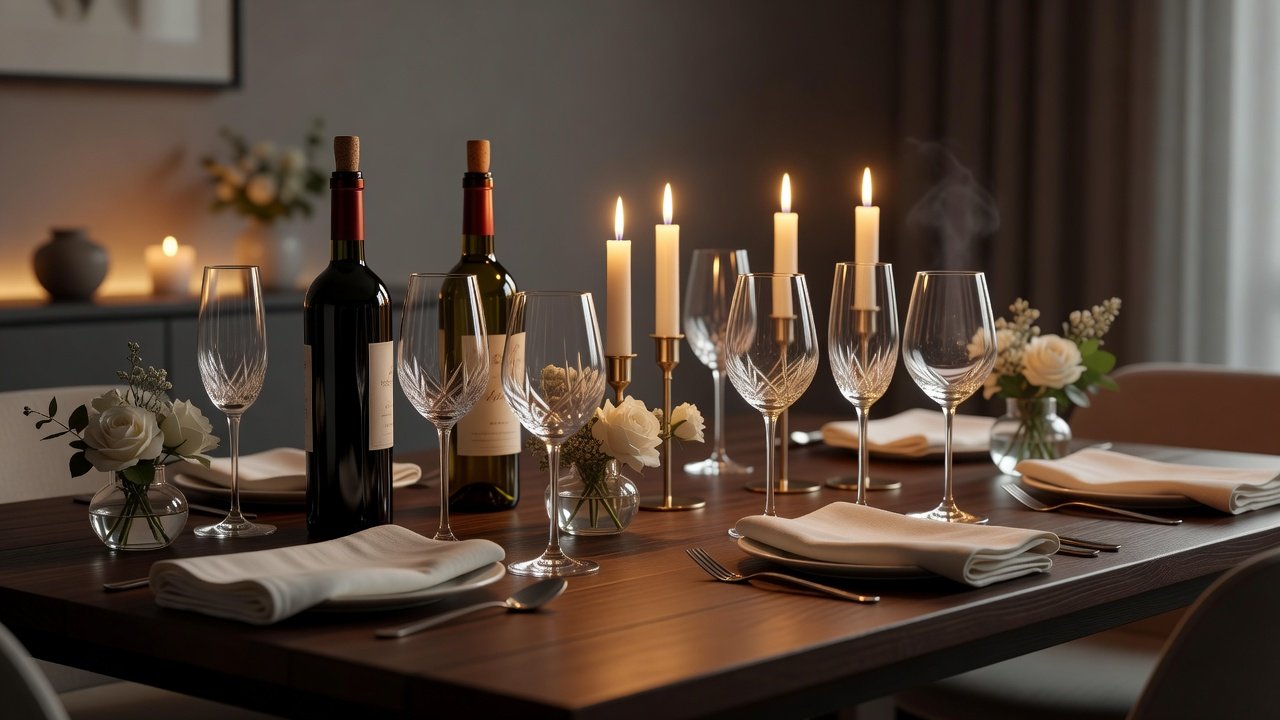
Hosting an intimate dinner party for two to four guests offers the perfect opportunity to showcase thoughtful wine service without the complexity of larger events. As a sommelier, the focus shifts to precision, timing, and enhancing aromas through smart choices in storage, decanting, and glassware. These approaches prioritize minimal-waste serving, a key 2026 trend that reduces excess while maximizing enjoyment. This guide delivers practical, step-by-step advice tailored to small-scale home settings, helping you create memorable experiences that feel polished yet approachable.
Pre-Event Wine Storage Best Practices
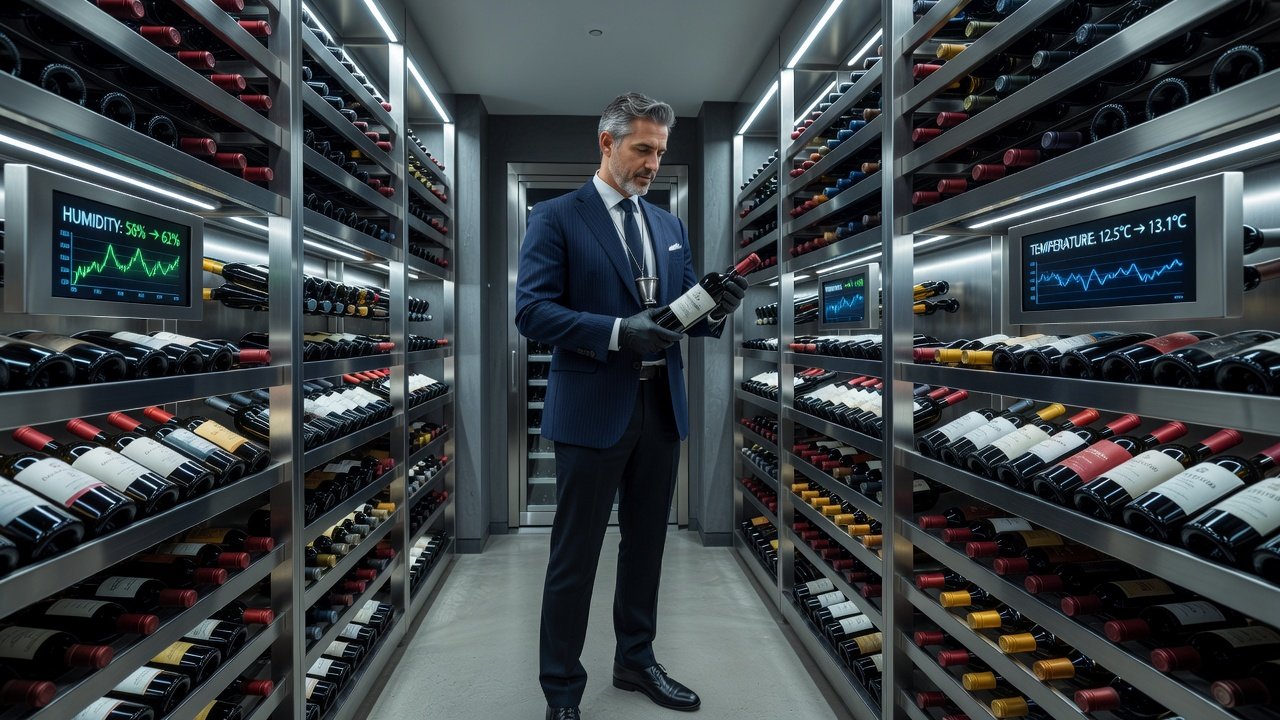
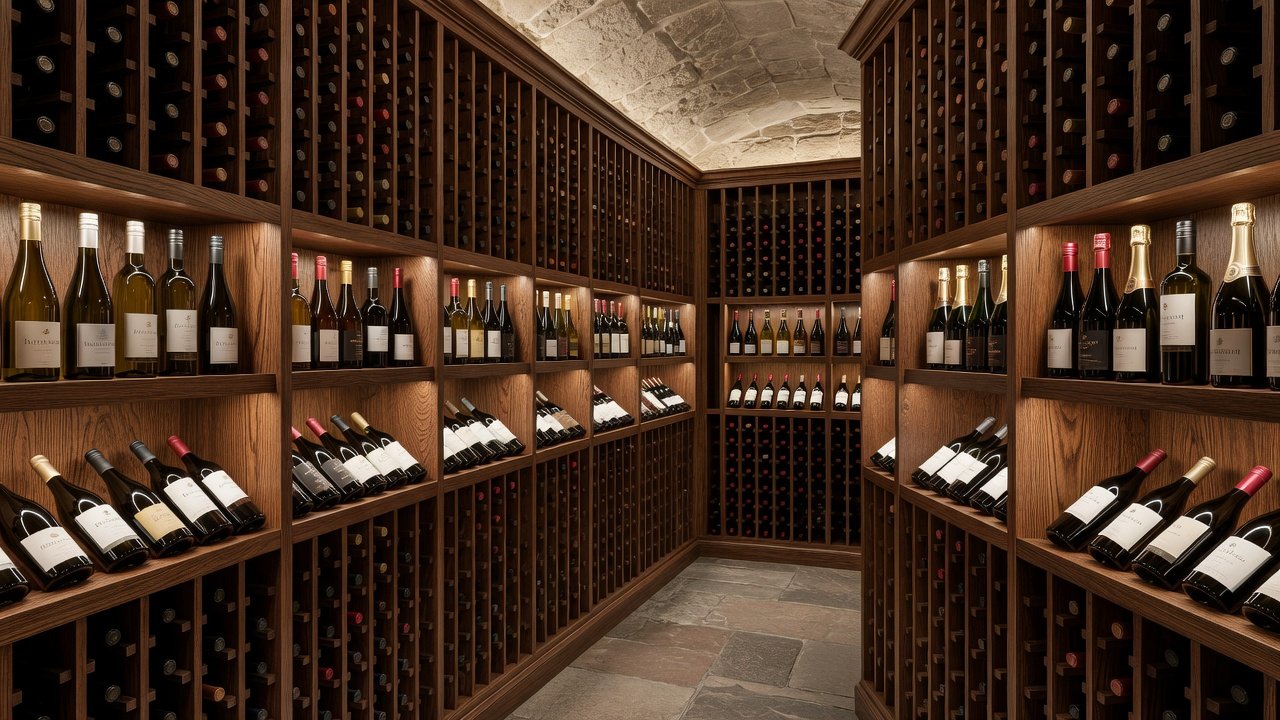
Proper storage begins days before the event to maintain wine integrity and prevent premature aging or flavor loss. Keep bottles in a cool, dark space at consistent temperatures around 55°F (13°C) for reds and slightly cooler for whites around 50°F. Avoid kitchen counters or areas near heat sources like ovens or windows that receive direct sunlight, as fluctuations can alter the wine's chemical structure over time. For small parties, select one or two bottles max to minimize waste—store upright if recently purchased, or horizontally for longer-term cellaring to keep corks moist and prevent oxidation.
Humidity levels between 50-70% prevent cork drying and cracking. If your home lacks ideal conditions, consider a small wine fridge dedicated to event bottles. Check labels for vintage-specific notes to anticipate any sediment that may require decanting later. In urban apartments with limited space, use a dedicated wine rack in a closet or under-stair area. Monitor with a simple digital thermometer to ensure stability, especially during seasonal changes when indoor temperatures swing. This preparation ensures each pour tastes as the winemaker intended, building anticipation for the evening ahead.
Timed Decanting Steps for Various Styles
Decanting enhances young tannins and separates sediment, but timing varies by style and age. For bold Cabernet Sauvignon or Syrah, decant 1-2 hours ahead to soften edges and release complex aromas. Lighter Pinot Noir benefits from just 30-45 minutes to avoid over-oxidation. Whites like Chardonnay rarely need decanting unless oaked and showing reduction; in those cases, 15 minutes suffices. Sparkling wines generally skip this step to preserve bubbles.
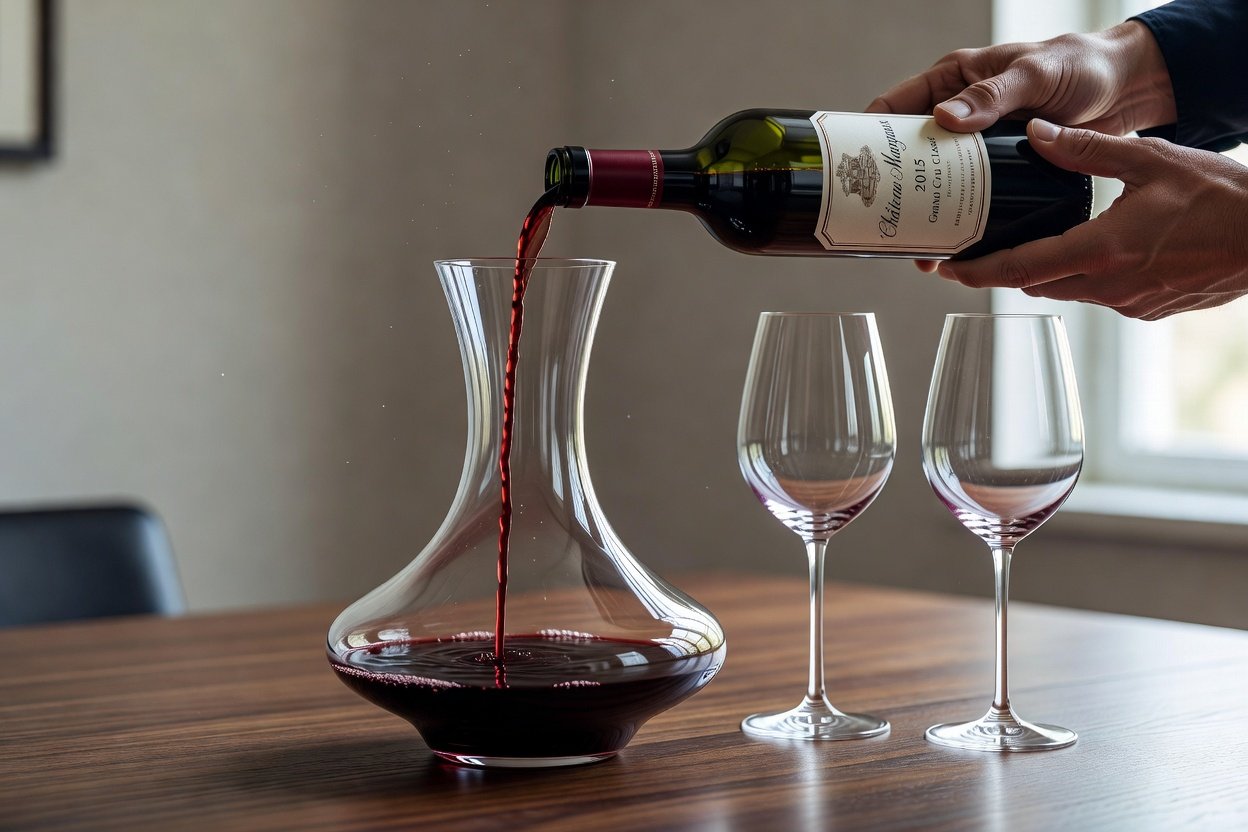
Steps: First, stand the bottle upright for 24 hours if sediment is suspected. Use a wide-based decanter and pour slowly against the side to aerate gently without splashing. For minimal-waste, decant only what you plan to serve immediately and return any remainder to the bottle with a stopper. If you lack a decanter, a clean pitcher works in a pinch for robust reds. The science involves oxygen interacting with polyphenols, mellowing harshness while unveiling fruit and floral notes. Decanter resources highlight how proper aeration unlocks layered flavors in small pours, making it essential for intimate settings where every sip counts.
Pairing Glass Shapes with Specific Varietals
Glass shape directly impacts aroma delivery and tasting experience. Bordeaux-style glasses with tall bowls suit Cabernet and Merlot by directing flow to the back of the palate for balanced acidity. Burgundy glasses, wider and more open, capture delicate Pinot Noir bouquets by allowing greater surface area for evaporation. For whites, narrower Sauvignon Blanc glasses preserve crispness while Chardonnay glasses allow subtle oak notes to develop fully.
Choose lead-free crystal for clarity and thin rims that feel elegant against the lips. For 2-4 person dinners, invest in versatile sets rather than dozens of shapes. Rinse with odor-free water and air-dry to avoid residues that dull aromas. Experiment with universal glasses for casual nights but switch to varietal-specific for special pairings. The right glass concentrates volatile compounds, elevating even modest bottles into standout experiences.
Step-by-Step Service Sequence
Follow this sequence for seamless flow during the evening: 1. Chill or warm bottles to serving temperature 30 minutes prior using ice buckets or sleeves for precision. 2. Open and decant as needed, allowing time for breathing. 3. Set glasses at each place setting at a 45-degree angle for easy access. 4. Present the bottle label-first to guests, announcing vintage and producer briefly. 5. Pour 2-3 ounces initially for tasting, then refill as courses progress in 4-ounce increments. 6. Clear empties promptly to maintain a clean table and signal transitions.
Time pours between courses—reds first for meat mains, whites for appetizers—to keep momentum without rushing. Observe guest preferences by noting which wines they favor and adjust subsequent servings accordingly. This methodical approach prevents awkward pauses and keeps the focus on conversation and enjoyment.
Comparisons of Pour Volumes and Timing
Standard pours range from 4-6 ounces per glass for dinner pacing. For intimate settings, start smaller at 3 ounces to allow guests to sample multiple wines without excess. Reds open best 20 minutes after pouring, while sparkling maintains fizz for 15 minutes. Adjust based on alcohol level: lower ABV wines can sit longer without fatigue. Compare light whites (serve colder, smaller pours) versus full-bodied reds (room temperature, generous pours). Timing matters—pour whites just before appetizers and reds with the main course to optimize temperature and aroma release throughout the meal.
Real-World Examples for 2-4 Person Meals
Imagine a four-person Italian-themed dinner: Serve a chilled Vermentino in white glasses for antipasti, then decant a Brunello 45 minutes ahead for the pasta course. For two guests, one 750ml bottle of versatile Grenache suffices across salad and cheese, poured in 4-ounce increments to finish without waste. Another scenario: A cozy steak night for three uses one robust Malbec decanted fully, paired with large-bowl glasses to emphasize dark fruit notes. For a vegetarian four-person gathering, alternate a crisp Riesling with a light Gamay, using the service sequence to match each dish seamlessly. These examples demonstrate how scaled-down planning creates variety without leftover bottles.
Minimal-Waste Serving Trends in 2026
Emphasizing sustainability, 2026 hosting favors half-bottles or precise pours to cut waste. Use leftover wine for cooking the next day or freeze in ice cube trays for sauces. Choose versatile varietals that pair across courses to reduce the number of open bottles. This approach aligns with eco-conscious trends while keeping costs and effort low for home hosts.
Mistakes to Avoid
- Over-decanting delicate wines, which can flatten flavors.
- Ignoring temperature, leading to muted aromas or harsh tannins.
- Using mismatched glasses that fail to highlight varietal character.
- Serving too many options, overwhelming guests and creating waste.
FAQ: Common Pitfalls Like Temperature Shifts
- How do I handle sudden temperature changes? Move bottles gradually from fridge to table over 15 minutes to avoid shock and preserve balance.
- What if guests prefer different styles? Offer a flight of two small pours each rather than full bottles to accommodate tastes efficiently.
- Is decanting always necessary? No—skip for everyday wines under typical retail levels to reduce steps and preserve freshness.
- How to manage cork issues in older bottles? Use a two-prong opener and filter any debris during decanting.
- What about non-drinkers at the table? Provide elegant non-alcoholic alternatives in similar glassware for inclusivity.
These strategies ensure polished service that feels personal and waste-conscious. Wine Magazine experts note that attentive details elevate home dinners most effectively, while Wine Folly offers further visuals on glassware science for continued learning.
No comments yet. Be the first!