 Uncorked Conversations
Why Proper Wine Storage Matters
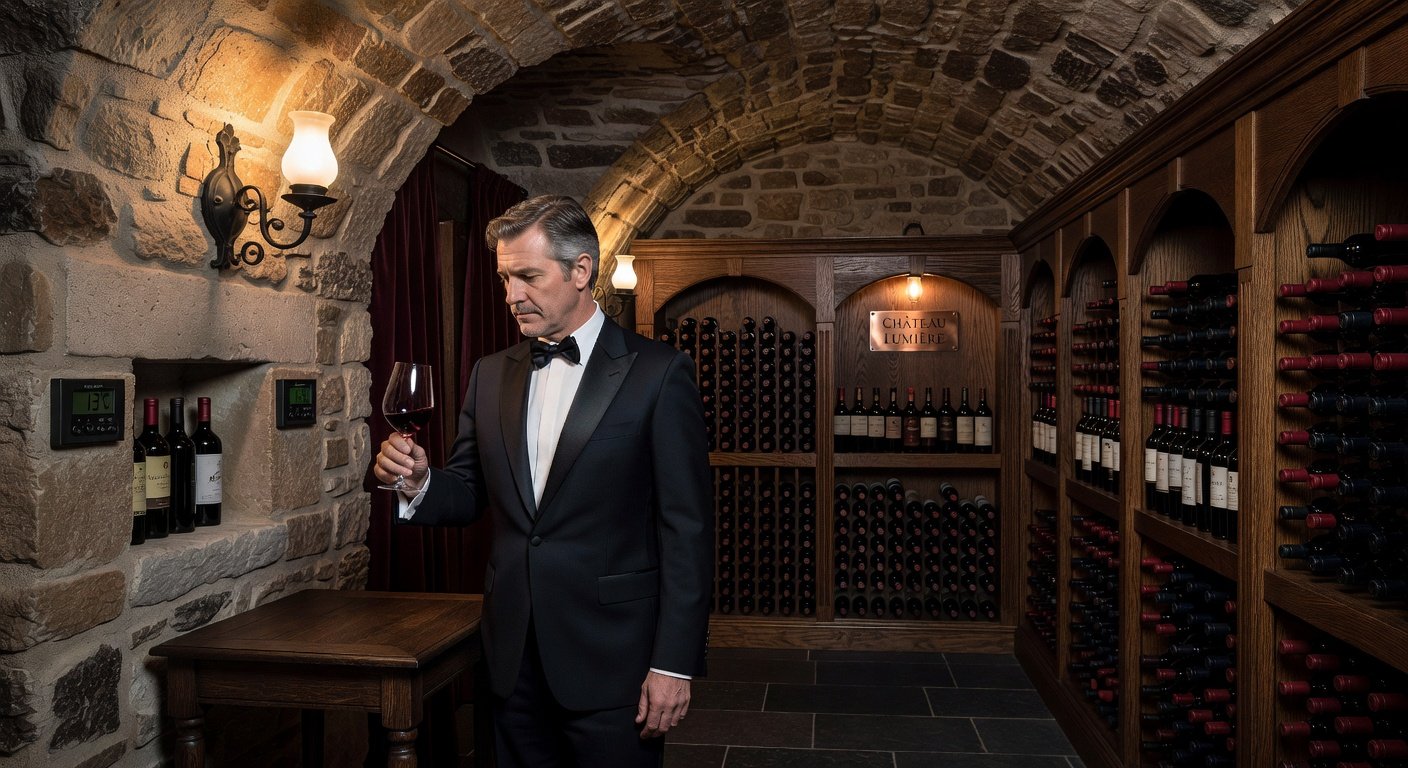
Preserving wine quality starts long before the cork is pulled. Sommeliers emphasize that improper storage can degrade flavors, aromas, and texture, turning a prized vintage into a disappointment. Ideal conditions mimic a natural cave: cool, dark, humid, and vibration-free. Mastering these ensures your collection ages gracefully, enhancing decanting and pouring results.
Whether you're a collector with a dedicated cellar or a home enthusiast with a few cases, these expert strategies will elevate your wine game. We'll cover fundamentals, modern tools, and pitfalls to sidestep.
Ideal Temperature: The Gold Standard
The cornerstone of wine storage is temperature. Sommeliers recommend a steady 55°F (13°C) for long-term aging. Fluctuations accelerate oxidation and chemical reactions, muting fruit notes and introducing off-flavors.
- Red wines: Thrive at 55-59°F; higher temps speed up aging prematurely.
- White and sparkling: Slightly cooler, 45-55°F, to retain acidity and bubbles.
- Serving temp adjustment: Chill whites to 45-50°F and reds to 60-65°F just before pouring.
Avoid kitchens or garages where temps swing wildly. For precise control, invest in a digital thermometer.
Humidity Control: Preventing Cork Shrinkage
Humidity levels should hover at 60-70%. Too dry, and corks dry out, allowing air seepage and oxidation. Too humid, labels peel and mold grows.
Sommeliers tip: Use a hygrometer to monitor. In arid climates, add a humidifier; in damp areas, ventilation fans prevent excess moisture.
Positioning Bottles: Horizontal for Longevity
Store bottles horizontally to keep corks moist and sealed. Upright storage dries corks over time. Exceptions: screw-cap or sparkling wines can sit vertically.
- Lay reds and whites flat in racks.
- Reserve top shelves for ready-to-drink bottles.
- Label-facing out for easy inventory.
Modern Tools: Smart Racks and Climate-Controlled Units
Gone are the days of basic racks. Today's sommeliers endorse tech-savvy solutions for flawless storage.
Smart Wine Racks
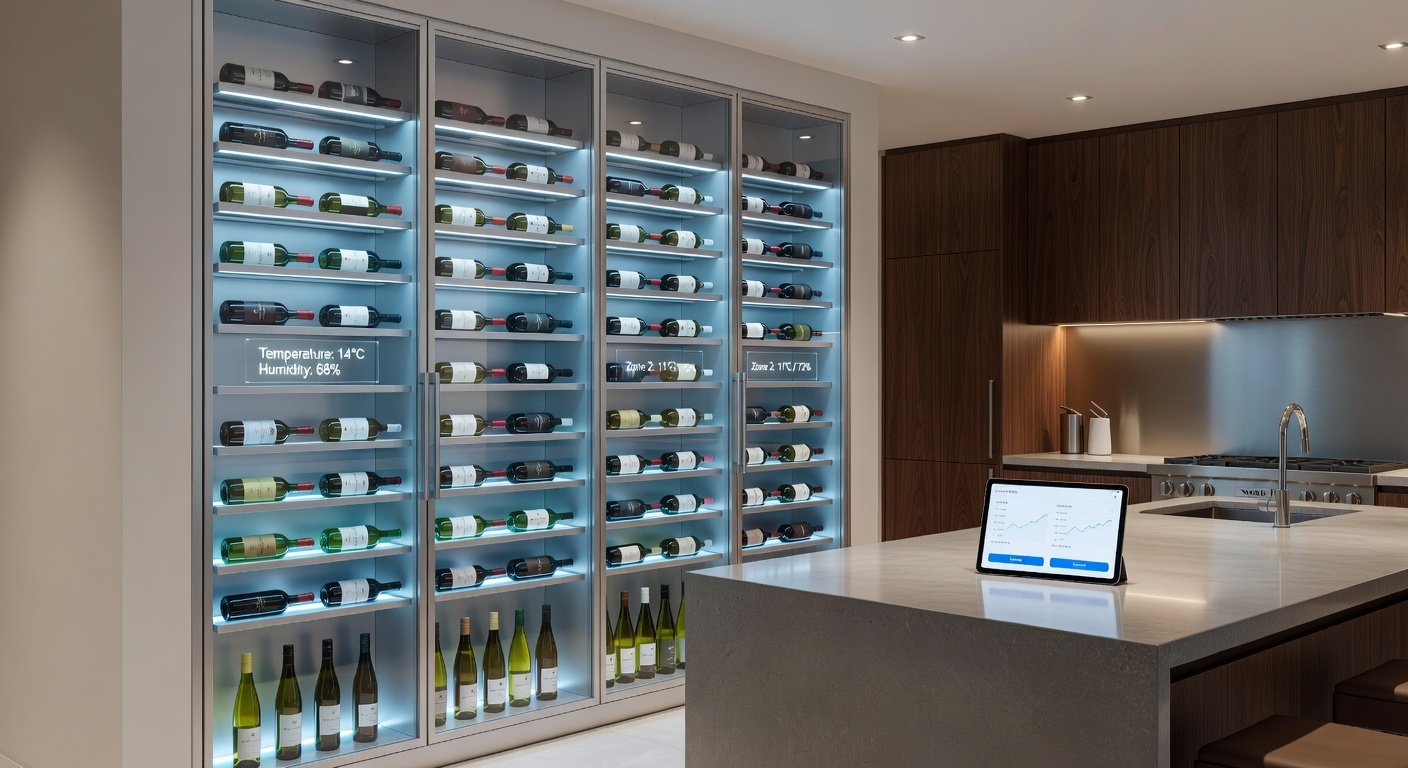
These Wi-Fi-enabled units track temp, humidity, and inventory via apps. Examples include dual-zone fridges with UV-protected glass doors. Brands like EuroCave offer vibration-dampening tech.
Pro tip: Opt for racks with soft-closing doors to minimize disturbances.
Climate-Controlled Wine Coolers
Compact units for apartments maintain precise zones—one for reds, one for whites. Look for energy-efficient models with low vibration compressors. For larger collections, walk-in cellars with HVAC systems rule.
Check out innovations at Wine Enthusiast, a go-to for storage gear reviews.
Other Gadgets
- Coravin systems: Preserve opened bottles by extracting wine without removing corks.
- Vacuum pumps: Short-term oxygen removal.
- Label scanners: Apps like Vivino for digital catalogs.
Common Pitfalls and How to Avoid Them
Even pros slip up. Here's what to dodge:
- Light exposure: UV rays degrade tannins. Store in darkness or use opaque storage.
- Vibrations: From fridges or foot traffic—choose isolated spots.
- Odor absorption: Keep away from cleaners, paints, or strong foods; corks are porous.
- Overcrowding: Allows 1-2 inches of air circulation per bottle.
Sommeliers warn: Never store near heat sources like ovens or sunny windows. For travel, use insulated bags.
How Storage Impacts Decanting and Pouring
Well-stored wine decants beautifully. Stable temps prevent sediment disturbance in aged reds, yielding clearer pours. Proper humidity ensures corks extract smoothly, avoiding fragments.
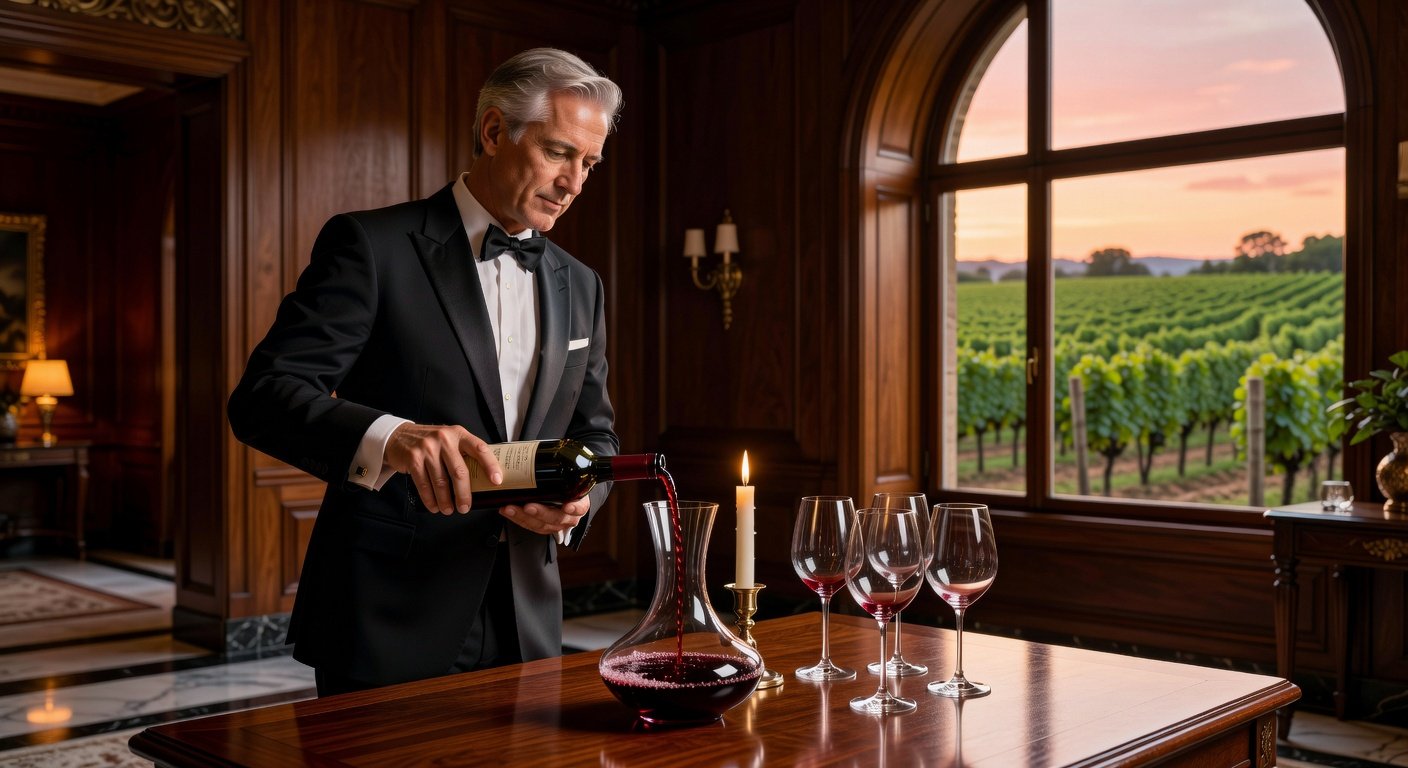
Decanting aerates and clarifies: 30-60 minutes for young reds, hours for old ones. Pour slowly over the lip to minimize splash and oxidation.
Enhanced storage means vibrant aromas on pour—think fresh berries in Pinot Noir or vanilla in Cabernet. Visit Decanter for decanting guides from experts.
Building Your Home Wine Cellar
Start small: A 12-bottle rack in a closet works. Scale up with freestanding coolers (50-200 bottles). Custom cellars? Insulate walls, add gravel floors for humidity, and LED lighting.
Budget breakdown:
- Basic rack: $50-200
- Smart cooler: $300-1,500
- Full cellar: $5,000+
Inventory religiously: Note purchase date, provenance, and drinking window. Apps like CellarTracker help.
Sommelier Pro Tips for Peak Results
- Rotate bottles quarterly to even sediment.
- For sparkling, riddling position (neck-down) preserves clarity.
- Test storage with a cheap bottle: If it tastes off, adjust conditions.
- Sustainable choice: Energy Star-rated units reduce carbon footprint.
Explore more at Wine Spectator for storage benchmarks.
Conclusion: Elevate Every Sip
Sommelier-recommended storage transforms wine from good to exceptional. Consistent temp, humidity, and positioning, paired with smart tools, safeguard your collection. Avoid pitfalls, and enjoy flawless decanting and pours that impress. Your palate will thank you—cheers to timeless flavors!
No comments yet. Be the first!