 Uncorked Conversations
Why Decant Wine? The Sommelier Perspective
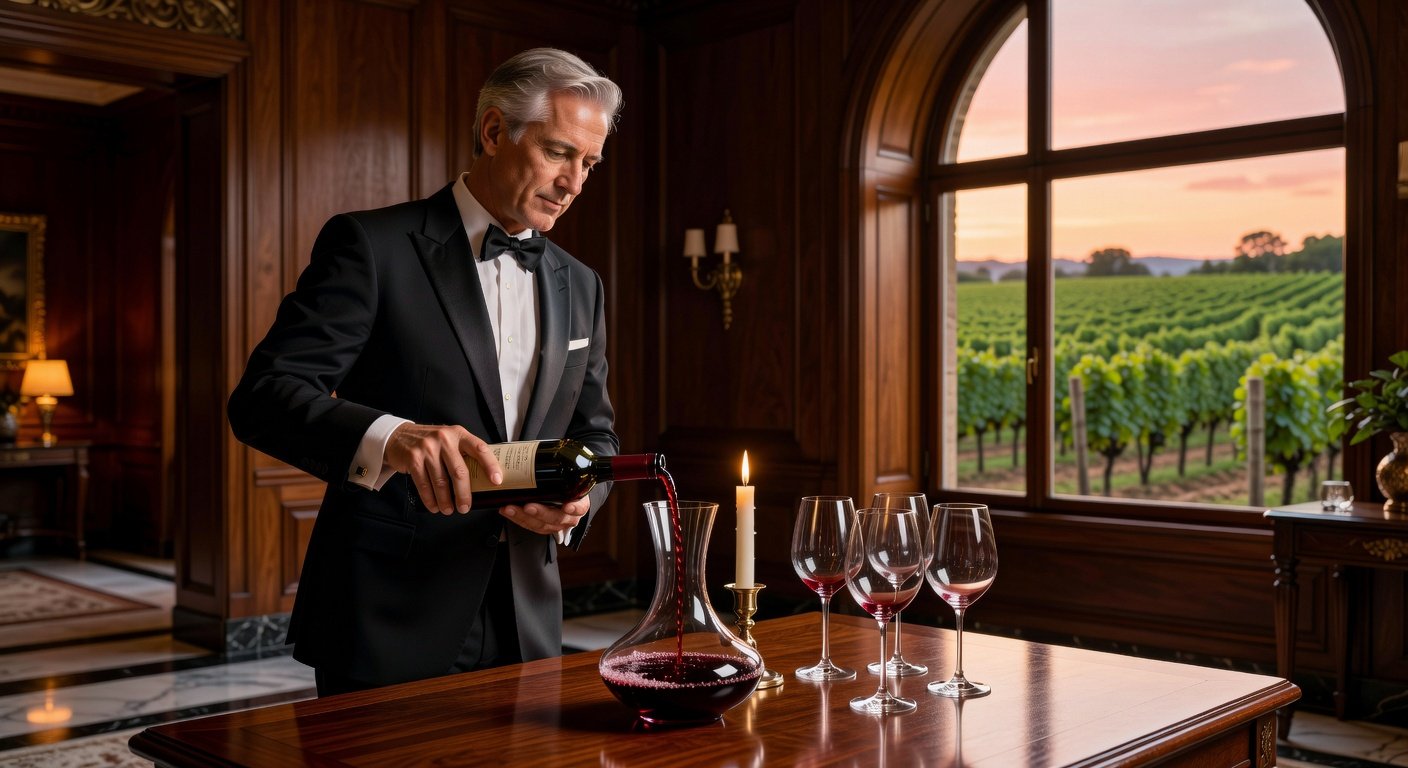
Decanting is more than a ritual—it's a science that transforms your wine experience. By aeration, it softens tannins in young reds, revives aromas in aged bottles, and clarifies whites marred by sediment. Sommeliers swear by it for home enthusiasts aiming to elevate 2026 tastings. Proper decanting complements ideal wine storage and stemware selection, ensuring every sip shines.
For reds like bold Cabernets, decanting opens up fruit and spice. Whites benefit from gentle exposure, while aged wines demand precision to avoid disturbing delicate sediments. Let's dive into sommelier-approved methods.
Essential Decanting Tools
Invest in quality gear for flawless results:
- Decanter: Choose wide-bottomed crystal for maximum oxygen contact. U-shaped for swirling, ship-style for sediment trapping.
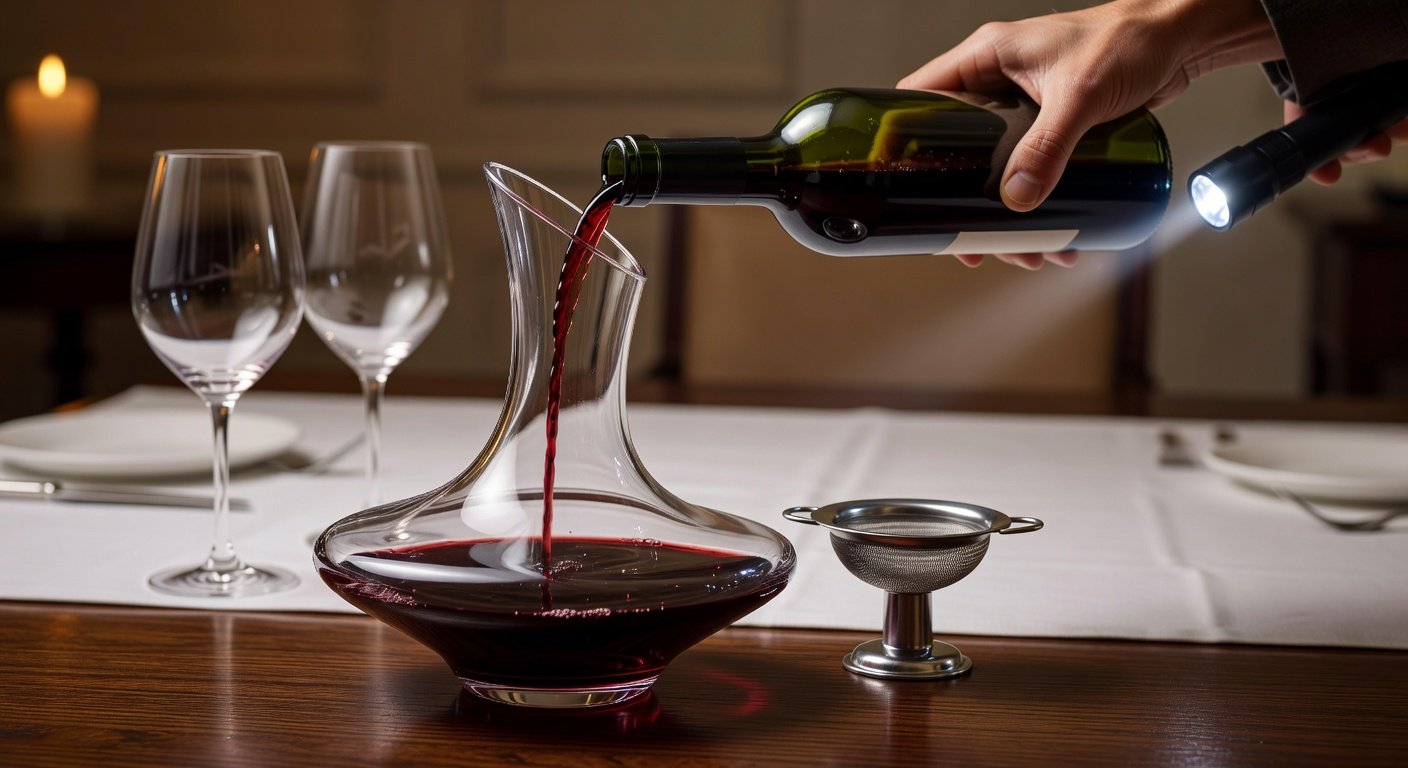
- Decanting candle or flashlight: Illuminates sediment in aged wines.
- Strainer or funnel with mesh: Filters debris from older vintages.
- Corkscrew and foil cutter: Precision tools prevent cork fragments.
- Clean cloths: For polishing glassware post-decant.
Pro tip: Rinse decanters with hot water and a drop of wine—no soap—to avoid residue tainting flavors.
Decanting Reds: Timing and Technique
Young, tannic reds (e.g., Bordeaux, Barolo) need 1-2 hours of air. Heavier styles like Syrah benefit from longer.
- Open and stand upright: 30 minutes to settle sediment.
- Pour steadily: Tilt bottle over decanter, filling slowly to aerate.
- Swirl gently: Enhance oxidation without splashing.
- Serve promptly: In large-bowled glasses to maintain aeration.
Avoid over-decanting; fruit fades after 4 hours.
Decanting Whites: Subtle Aeration
Whites rarely need aggressive treatment, but older Chardonnays or oxidative styles like Sherry gain vibrancy with 15-30 minutes.
- Chill first: Serve at 45-55°F; decant just before pouring.
- Use a narrow decanter: Minimizes oxygen exposure.
- Pour through a funnel: Captures rare sediments.
- Pair with tulip glasses: Concentrate citrus and floral notes.
Sparkling whites? Skip decanting—preserve bubbles.
Aged Wines: Handling Sediment Like a Pro
Vintages over 10 years develop harmless tartrate crystals or cork debris. Mishandling ruins them.
- Store horizontally: Until serving day, then upright 24 hours.
- Remove foil slowly: Use a waiter's knife.
- Light a candle: Position under neck; stop pouring at first sediment tail.
- Double decant if needed: Pour into a blender jar first, then back to bottle for transport.
For ultra-aged (20+ years), decant mere minutes before serving. Reference the Court of Master Sommeliers for advanced protocols.
Common Pitfalls and How to Avoid Them
- Sediment splash: Pour too fast—go slow and steady.
- Over-aeration: Time it; use a timer app.
- Dirty equipment: Always rinse and air-dry.
- Wrong glassware: Match to varietal—Burgundy stems for Pinot Noir, smaller for whites.
- Temperature mishaps: Reds 60-65°F, whites cooler.
Integrating Decanting with Storage and Serving
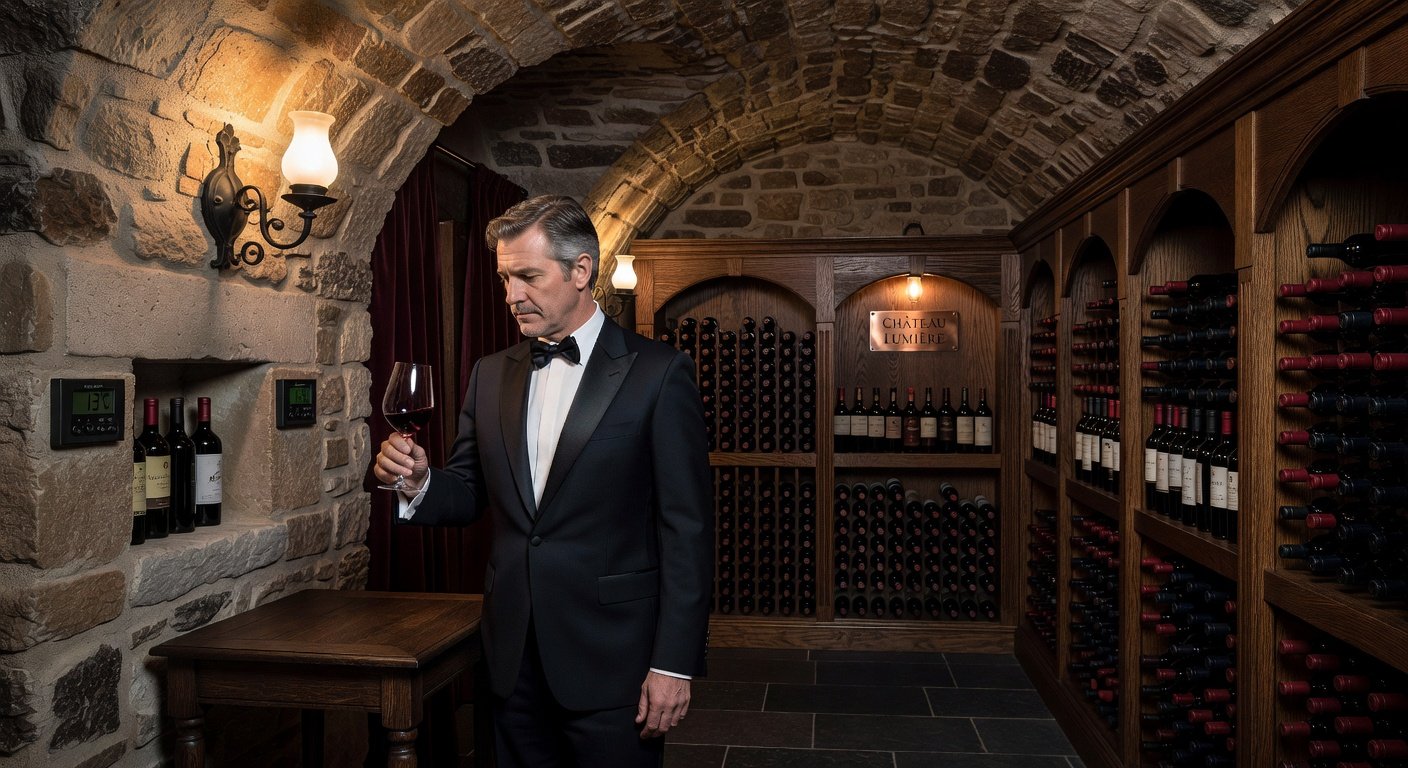
Decanting shines when paired with smart habits. Store in 55°F, 70% humidity cellars—Decanter's home storage guide details racks and conditions. For 2026, smart fridges with UV protection are game-changers.
Serving? Crystal glasses amplify nuances: ISO standards ensure optimal shape. Decant into the bottle via double-decant for table elegance.
Conclusion: Elevate Your Home Wine Game
Master these sommelier techniques, and decanting becomes your secret weapon. From robust reds to ethereal aged treasures, you'll unlock flavors storage alone can't reveal. Experiment, taste mindfully, and toast to perfected pours in your 2026 cellar.
No comments yet. Be the first!