 Uncorked Conversations
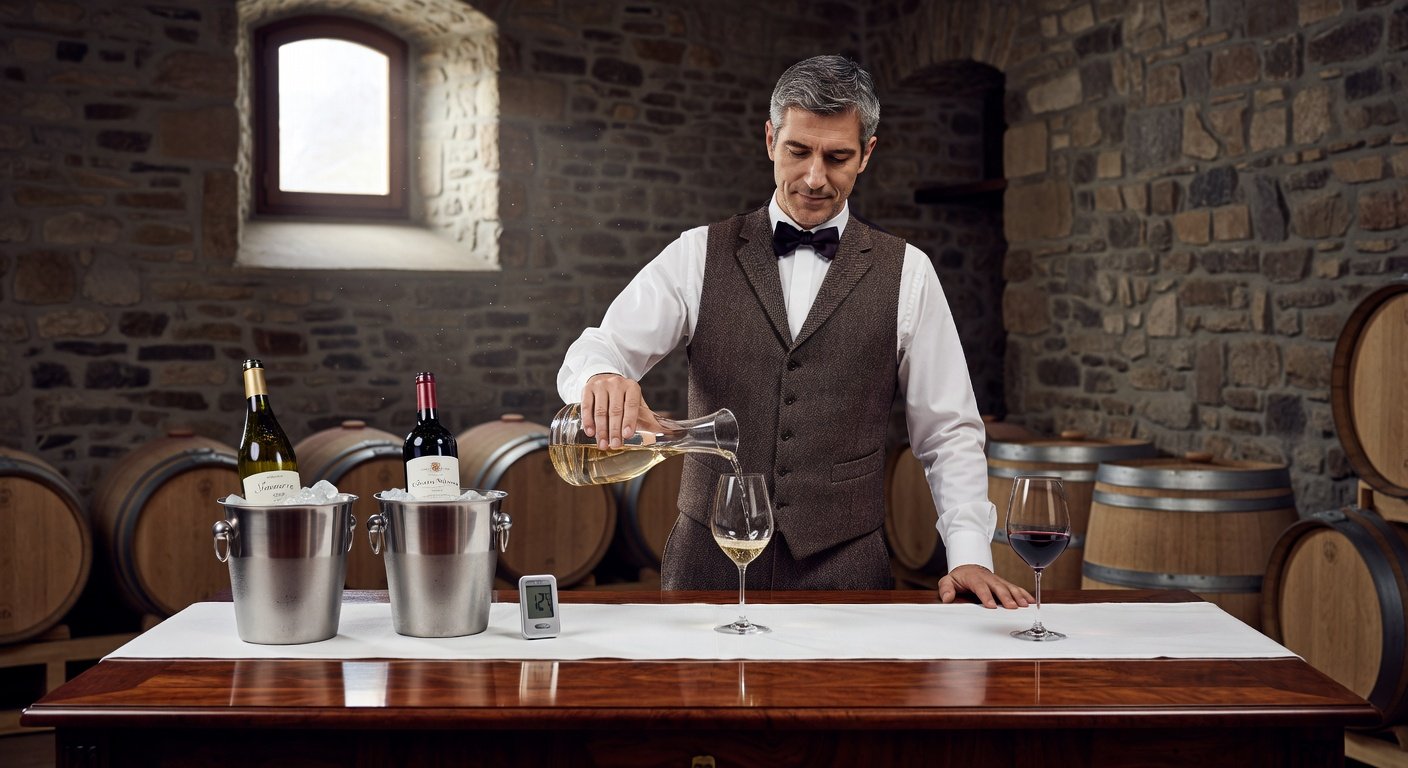
Why Serving Temperature Matters in Wine Enjoyment
Picture this: you've splurged on a bottle of your favorite Cabernet Sauvignon, but it tastes flat and muted. Or that crisp Sauvignon Blanc feels overly acidic and harsh. The culprit? Incorrect serving temperature. According to sommelier standards, temperature profoundly influences a wine's aroma, flavor profile, texture, and even its pairing potential with food. Too cold, and volatile aromas hide; too warm, and alcohol sharpness dominates, muting nuances.
Sommeliers emphasize that optimal temps unlock a wine's full potential. For instance, chilling whites too much suppresses fruit notes, while overwarming reds amplifies tannins unpleasantly. This guide draws from expert consensus, including insights from the Court of Master Sommeliers, to outline ideal ranges, practical methods, and pitfalls to dodge.
Optimal Serving Temperatures by Wine Type
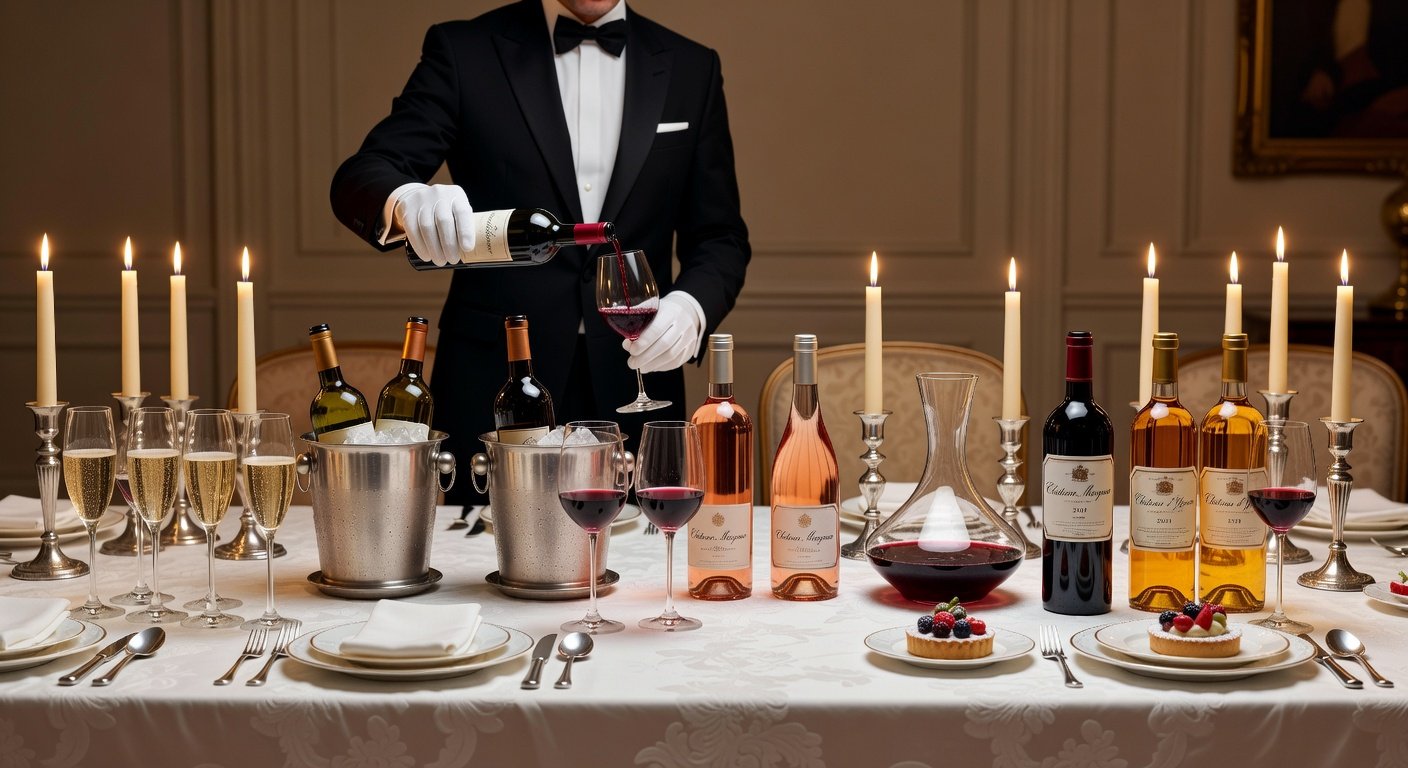
Sommeliers tailor temps to grape variety, body, and style. Here's the breakdown:
- White Wines: 7–13°C (45–55°F). Lighter styles like Pinot Grigio at the cooler end (7–10°C); fuller ones like oaked Chardonnay warmer (11–13°C).
- Rosé Wines: 7–12°C (45–54°F). Aim for 9–11°C to preserve strawberry and citrus vibrancy without excess chill.
- Red Wines: 13–18°C (55–65°F). Light reds like Gamay or Pinot Noir cooler (13–15°C); bold ones like Cabernet or Syrah warmer (16–18°C).
- Sparkling Wines: 6–10°C (43–50°F). Brut Champagnes thrive at 8–10°C; sweeter styles slightly warmer to balance bubbles and residual sugar.
- Fortified Wines: 12–18°C (54–65°F). Port at 14–16°C for tawny styles; vintage Ports up to 18°C. Sherry varies: Fino cooler (7–9°C), Oloroso warmer (14–16°C).
These ranges come from decades of tasting expertise, ensuring aromas volatilize correctly—cooler for freshness, warmer for complexity.
How Temperature Impacts Aroma, Taste, and Pairings
Temperature acts like a dimmer switch on wine's sensory profile. At ideal temps:
- Aroma: Cooler temps slow evaporation, preserving delicate floral and fruit notes in whites and sparklers. Warmer unlocks deeper berry, spice, and earth in reds.
- Taste: Acidity sharpens when cold, balancing richer wines; tannins soften in warmed reds for smoother mouthfeel. Over-chilling masks sweetness; overheating extracts harsh bitterness.
- Pairings: Perfect temp enhances synergy—crisp chilled whites cut fatty fish, warmed reds complement grilled meats without clashing.
Pro tip: Test by nose first. If aromas seem locked away, warm slightly; if boozy, chill down.
Practical How-Tos: Chilling, Warming, and Maintaining Temps
No fancy lab needed—use household hacks or emerging tech. Here's your sommelier toolkit:
Chilling Methods
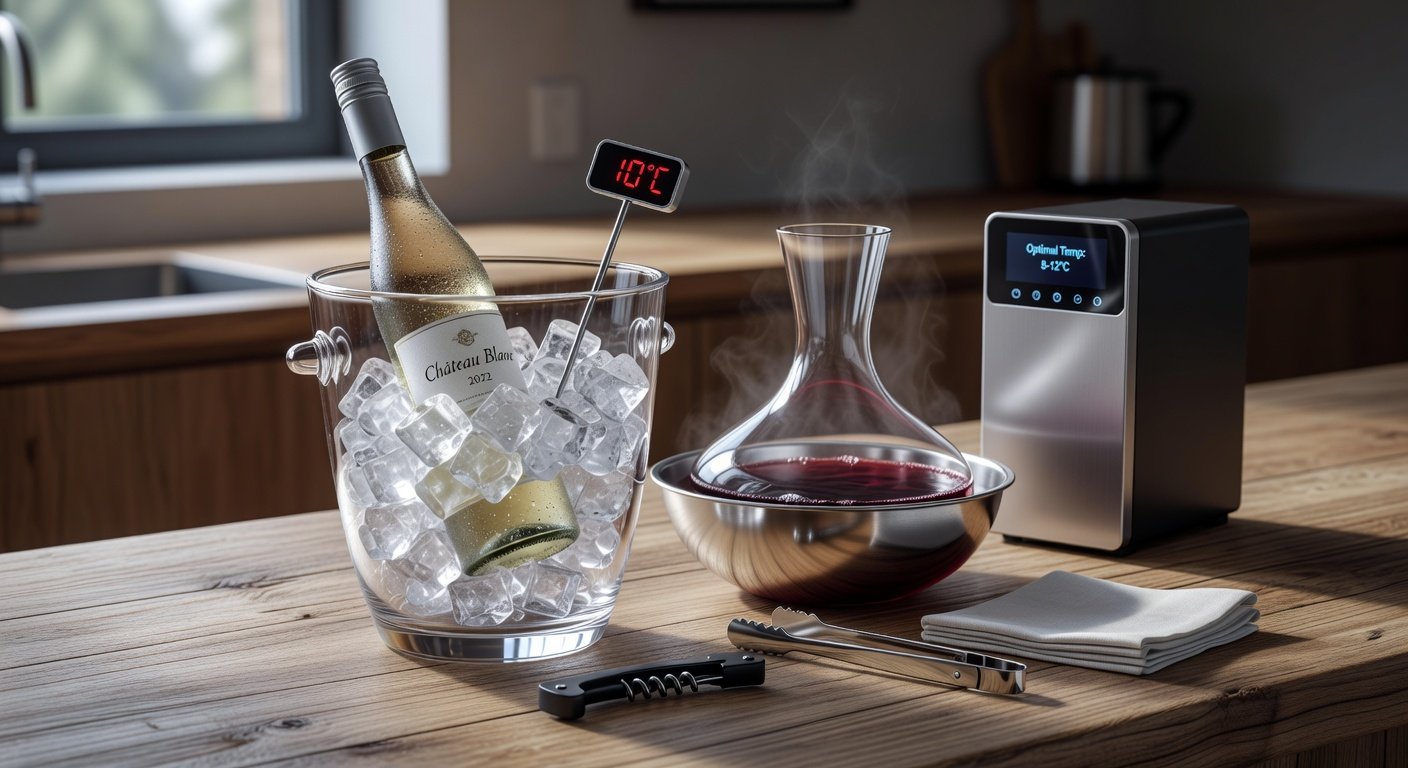
- Ice Bath: Fill a bucket with ice, water, and a pinch of salt (lowers freezing point). Submerge bottle for 15–30 minutes. Monitor with a thermometer—whites hit 10°C fast.
- Fridge Timing: Whites/rosés: 2–3 hours. Reds: 15–30 minutes max to avoid over-chilling. Sparkling: 4 hours from room temp.
- Freezer Hack: 20–30 minutes for quick chills, but set a timer to prevent freezing.
Warming Techniques
- Room Temp Gradual: Let reds sit out 30–60 minutes from fridge. Use your hand's warmth on the bowl for fine-tuning.
- Warm Water Bath: Submerge in 20–25°C water for 5–10 minutes. Ideal for fortifieds.
- Decanter Boost: Pour into a wide decanter to expose to air and ambient warmth, aerating simultaneously.
Maintaining Temperature
- Ice Sleeves/Buckets: Keep whites/sparkling steady during service.
- Wine Coolers: Set precisely—affordable models hold dual zones.
- 2026 Smart Devices: Look ahead to IoT wine fridges like advanced Coravin systems or app-controlled thermoses. These monitor via Bluetooth, alerting if temps drift, with AI suggesting adjustments based on wine type scanned via label.
Decanting for Temp Control
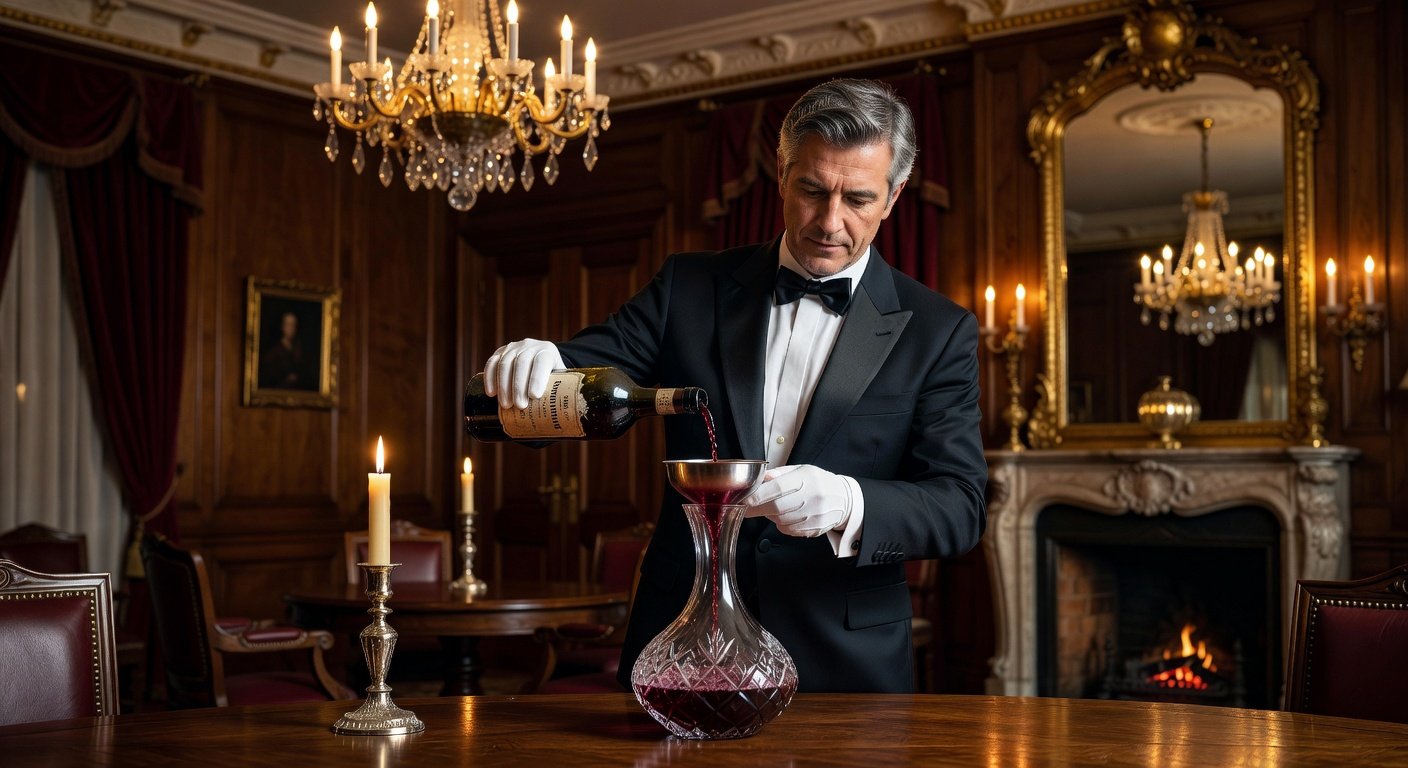
Decanters aren't just for sediment—they regulate temp too. Pre-chill glass for whites (fridge 30 mins), warm for reds (hot water rinse). Pour and serve immediately to lock in temp.
Pro Tips from Sommeliers to Avoid Common Errors
Steer clear of these faux pas:
- Don't Serve Reds Ice-Cold: Straight-from-fridge Cabernet tastes stewed fruit and astringent—let breathe.
- Avoid Over-Chilling Whites: Below 7°C kills aromatics. Nose test: no scent? Too cold.
- Sparkling Woes: Fridge overnight, then ice bucket—never freezer straight to table, or bubbles flatten.
- Fortified Flexibility: Fino Sherry fridge post-open; Amontillado room temp.
- Pairing Precision: Match temp to dish—chilled rosé for salads, warmed Port for chocolate.
For deeper dives, check Decanter's temperature guides or Wine Spectator's tasting notes. Experiment seasonally—summer calls for cooler serves.
Master these temps, and your next dinner party becomes sommelier-worthy. Your wines deserve it—precision elevates every sip.
No comments yet. Be the first!