 Uncorked Conversations
Why Wine Service Order Matters in a Multi-Course Meal
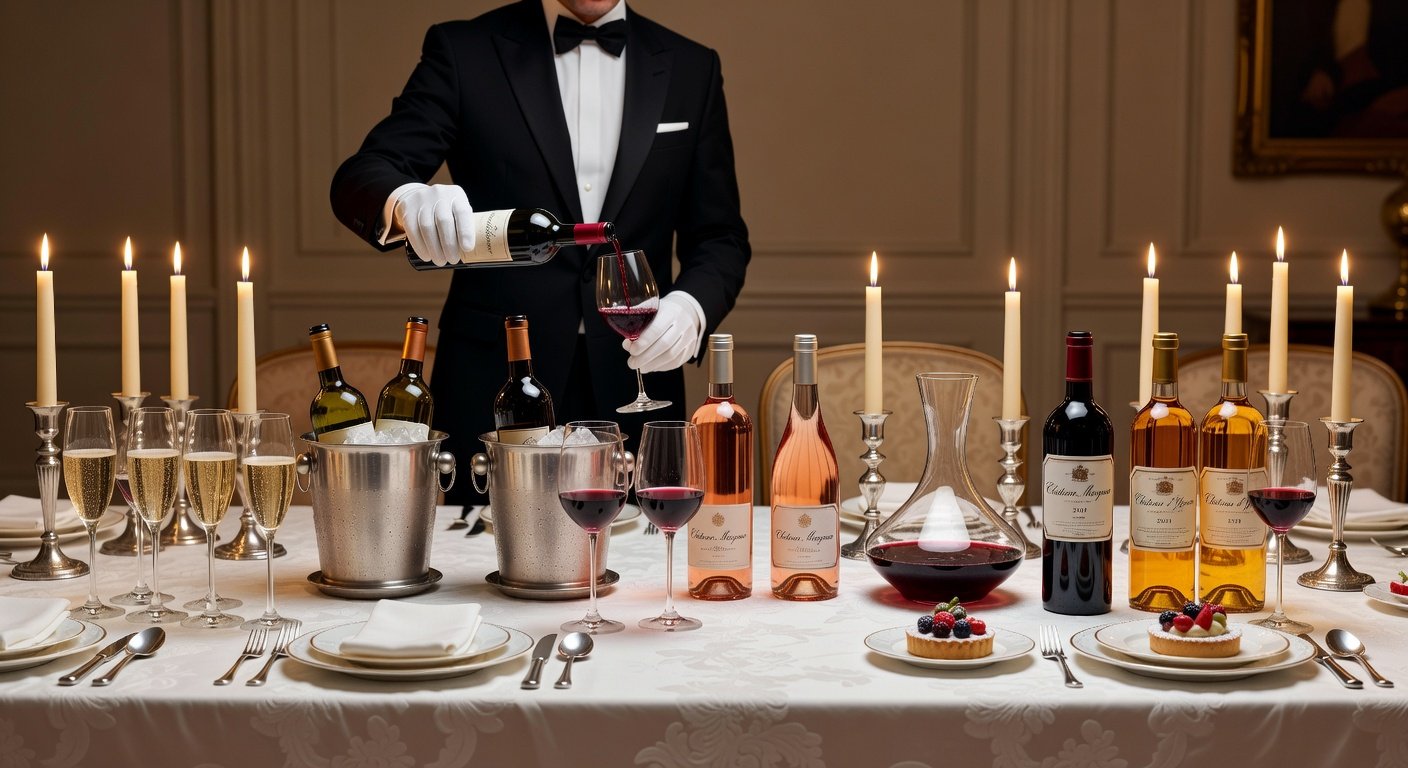
Serving wine in the correct sequence elevates a multi-course meal from good to unforgettable. As a sommelier, I've seen how the progression from lighter, crisp wines to fuller-bodied ones mirrors the meal's evolution, cleansing the palate and enhancing flavors. This isn't arbitrary—it's rooted in tradition, science, and sensory psychology. Lighter wines served first prevent heavier styles from overwhelming delicate dishes, while progressive alcohol levels and tannins build complexity.
The classic order: sparkling, white, rosé, light red, full-bodied red, then fortified or sweet wines. This aligns with guidelines from prestigious bodies like the Court of Master Sommeliers. Let's break it down step by step.
The Ideal Wine Service Sequence
1. Sparkling Wines: The Aperitif Starters
Begin with sparkling wines like Champagne, Prosecco, or Cava. Their effervescence and high acidity cut through rich appetizers such as oysters, caviar, or charcuterie. Bubbles refresh the palate, stimulating appetite without fatigue.
Sommelier Rationale: Carbonation provides a 'reset' button, dissolving fats and preparing taste buds for subtler flavors ahead.
2. White Wines: Crisp and Aromatic for Seafood and Salads
Transition to dry whites (Sauvignon Blanc, Chardonnay) or off-dry (Riesling). Pair with fish, poultry, or vegetable courses. Serve chilled at 45-50°F (7-10°C) to preserve aromatics.
Rationale: Whites' lower alcohol (11-13%) and minimal tannins avoid clashing with lean proteins.
3. Rosé Wines: The Versatile Bridge
Rosés bridge whites and reds, ideal for salads, grilled vegetables, or light pasta. Their subtle fruit and chill factor (50°F/10°C) ease into bolder territory.
Rationale: Strawberry and citrus notes complement summer dishes without heaviness.
4. Light Reds: Entering the Red Zone Gracefully
Pinot Noir or Gamay at 55-60°F (13-16°C) suit mushroom risottos or duck. Slightly chilled reds open aromatics without muting fruit.
Rationale: Low tannins prevent astringency on lighter meats.
5. Full-Bodied Reds: The Main Event
Cabernet Sauvignon, Syrah, or Bordeaux for beef, lamb, or game. Serve at 60-65°F (16-18°C). Decant bold ones 30-60 minutes prior.
Rationale: Higher tannins and alcohol (13-15%) match rich, fatty proteins, balancing umami.
6. Fortified and Dessert Wines: Sweet Finale
Port, Sauternes, or Sherry for cheese, chocolate, or fruit tarts. Serve slightly chilled (55°F/13°C) in small pours.
Rationale: Residual sugar cuts cheese saltiness and refreshes post-savory.
Practical Tips for Seamless Transitions and Temperature Control
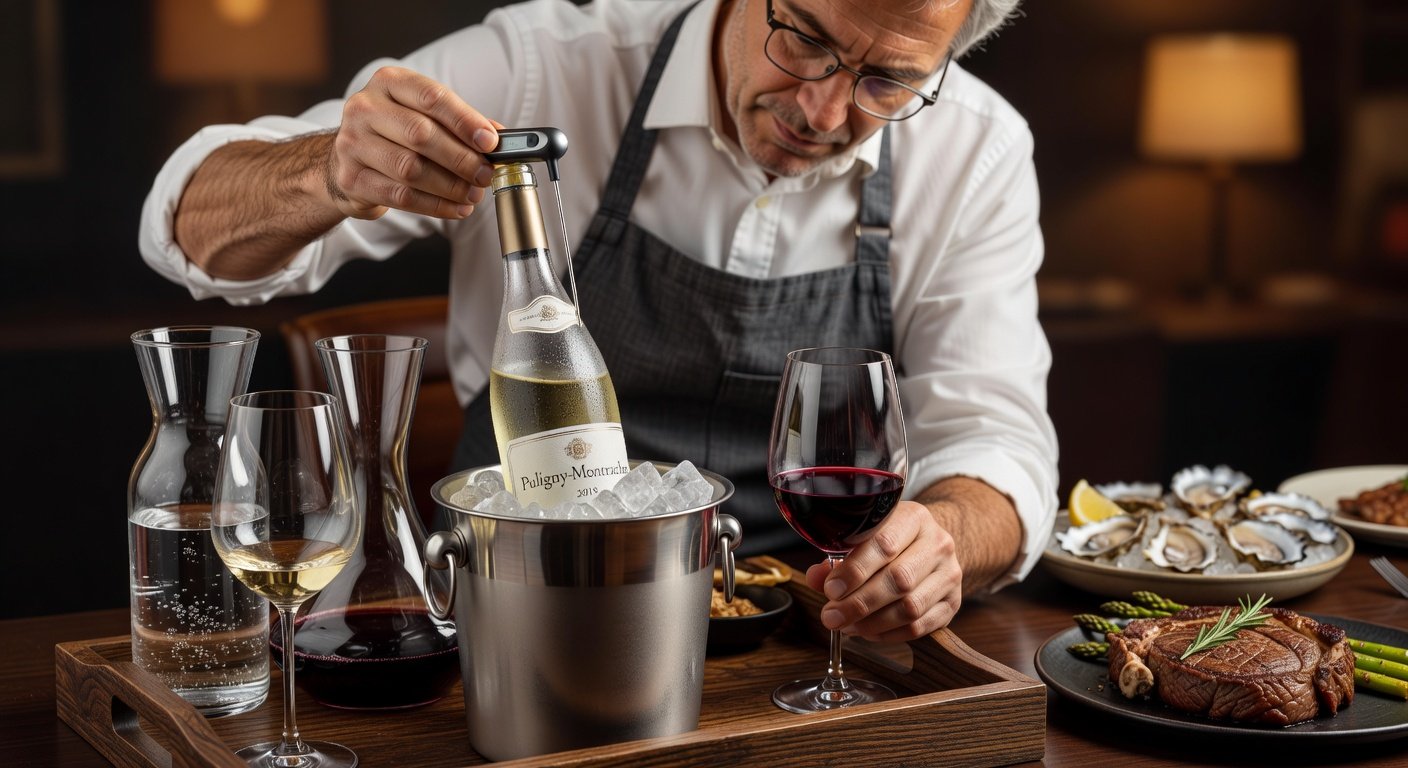
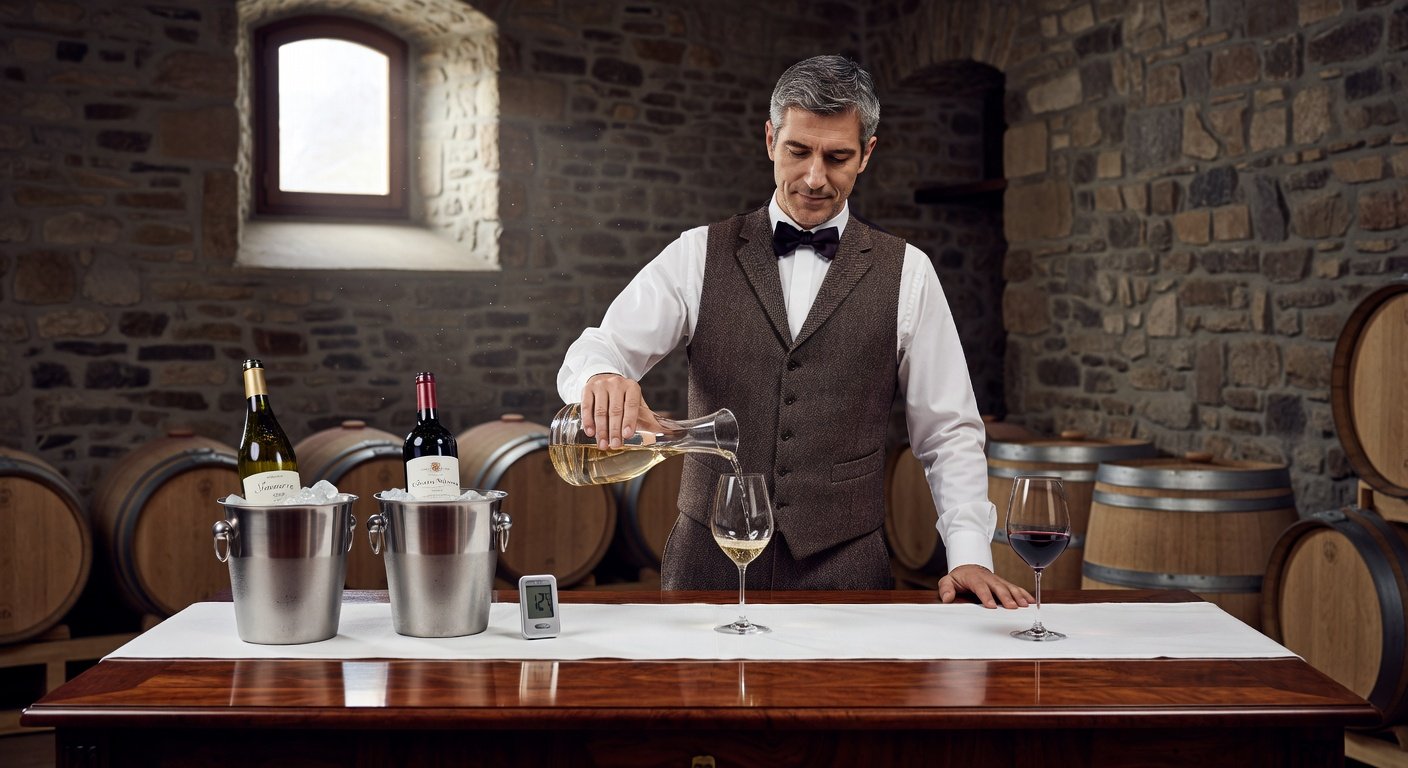
Maintaining momentum is key. Use an ice bucket for whites/sparkling (never reds—ice dulls flavors). Rotate bottles: chill whites in advance, warm reds gradually in the dining room.
- Transition Trick: Pour the next wine before clearing plates, allowing aromas to mingle subtly.
- Glassware: Stemmed glasses preserve temperature; tulip shapes concentrate bouquet.
- Pouring: 4-6 oz per glass, one at a time to avoid oxidation.
For pairings, match acidity to dish acidity, weight to weight, and sweetness to sauce sweetness. A WSET-trained palate hones this instinct.
Common Errors to Avoid
- Serving Reds Too Warm: Kills fruit; aim for 'cellar temperature,' not room temp.
- Out-of-Order Pouring: Big red before fish muddies flavors irreversibly.
- Overpouring: Leads to palate fatigue; guests rarely finish full glasses.
- Ignoring Sediment: Stand reds upright 24 hours pre-service; decant carefully.
- Forgetting Sweet Wines: Skipping them leaves desserts flat.
Advanced Techniques for Pro-Level Service
Elevate with blind tastings between courses or alternate pours (white then light red for fusion menus). Coravin systems preserve opened bottles for multi-day service. For large parties, pre-chill a secondary bottle per guest.
Track preferences: Note if a guest favors oaky Chardonnay, pivot accordingly. In formal settings, present bottles label-forward, serve from the right, remove from the left—a nod to classic French service.
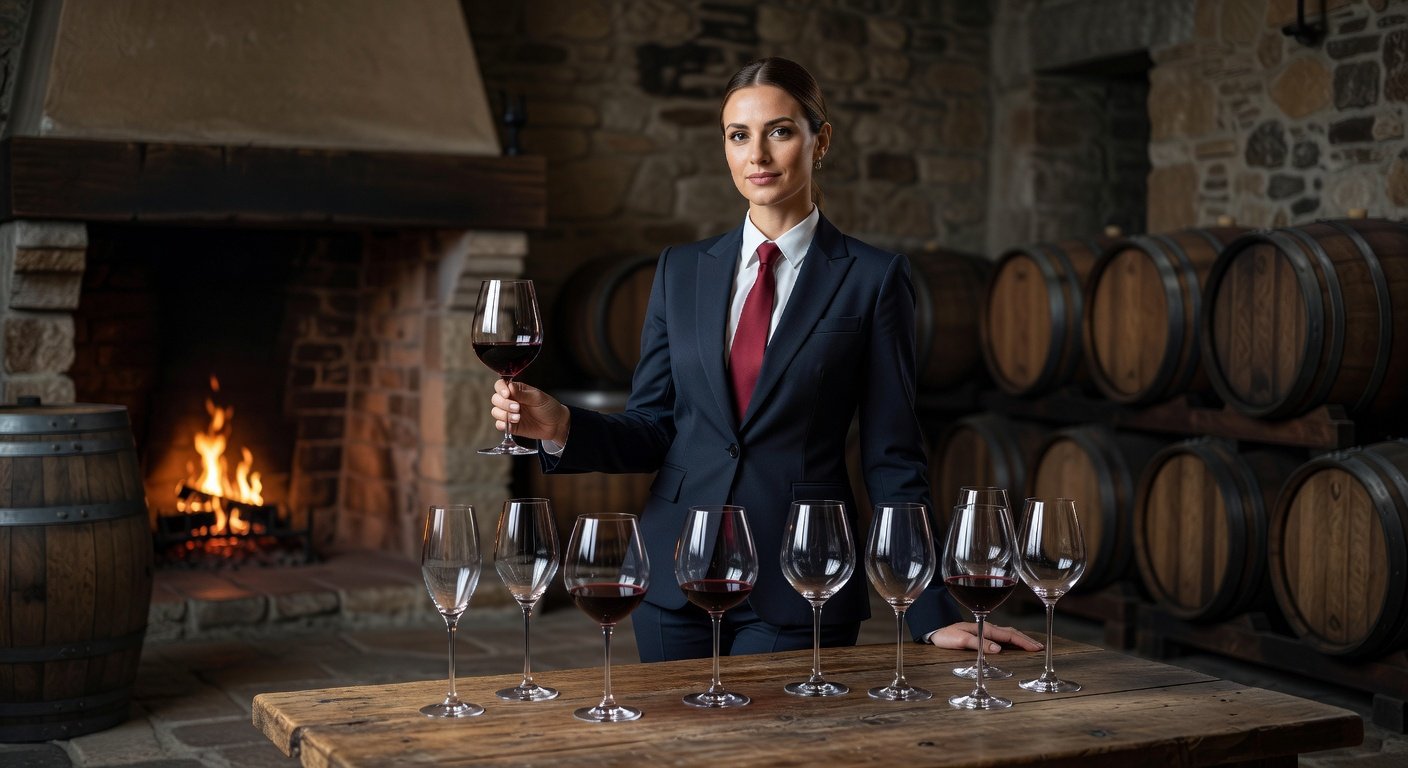
Experiment with vertical tastings (same wine, vintages) for wine-focused dinners, but keep sequence intact. Temperature probes ensure precision; apps like Vivino log pairings for future reference.
Mastering this sequence transforms hosting. It's not just about wine—it's orchestrating harmony between food, drink, and guests. Next dinner, lead with bubbles and watch the magic unfold.
No comments yet. Be the first!