 Uncorked Conversations
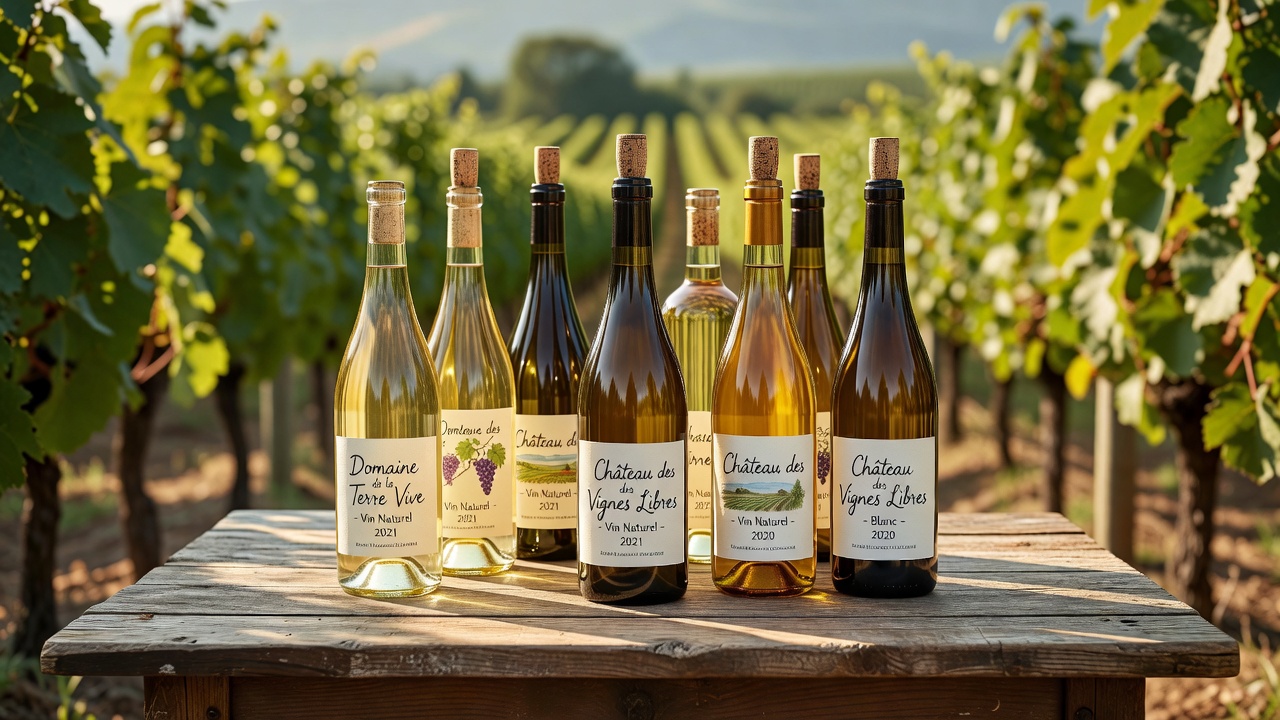
Introduction to Natural Wine Terminology in 2026
Understanding the language of natural wine helps enthusiasts navigate labels, producers, and tasting experiences with confidence. As interest in sustainable and low-intervention wines grows, terms like natural, organic, biodynamic, and low-intervention often overlap yet carry distinct meanings. This guide breaks down the core vocabulary for 2026 readers, offering pronunciation guidance, real-world examples, and practical advice for decoding bottles before purchase or tasting. With the natural wine movement continuing to influence global markets, newcomers benefit from clarity on these terms to make informed decisions at wine shops or during tastings. The vocabulary reflects evolving practices that prioritize environmental stewardship and minimal processing, making it essential for anyone entering the world of wine in the current year.
Defining Natural Wine
Natural wine refers to wines made with minimal intervention, typically using organically grown grapes and native yeasts, without added sulfites or fining agents. The movement emphasizes transparency and authenticity in the winemaking process from vineyard to bottle. Pronunciation tip: “nat-ur-ul” wine. Producers focus on letting the grapes and terroir express themselves without technological crutches. This approach often results in wines that can vary from vintage to vintage, showcasing unique characteristics like cloudiness or unexpected flavors. Real-world examples include producers like those in the Loire Valley who avoid filtration entirely, allowing sediments to remain as a sign of unprocessed wine. Another example comes from Italian estates in Piedmont that ferment in open vats using only ambient yeasts. These methods contrast sharply with conventional winemaking, where enzymes and cultured yeasts are common.
Many natural wines are bottled unfiltered and unfined, preserving texture and aroma compounds that might otherwise be stripped away. Enthusiasts appreciate how this leads to vibrant expressions of place, though it requires careful storage to maintain quality over time.
Organic Wine Explained
Organic wine comes from grapes grown without synthetic pesticides or fertilizers, certified by bodies like the USDA or EU standards. It differs from natural wine because it may still involve conventional winemaking techniques after harvest, such as the addition of commercial yeasts or fining agents. Pronunciation: “or-gan-ik” wine. Certification ensures traceability back to the vineyard, but the winemaking phase allows more flexibility. For instance, an organic wine might undergo sterile filtration to achieve clarity, something purist natural producers reject.
Key Differences from Natural Wine
- Organic allows some additives during fermentation while natural prohibits most interventions from vineyard to bottle.
- Organic certification focuses primarily on agricultural practices rather than the full production chain.
- Many organic wines include sulfites at controlled levels, whereas natural versions often contain none or only trace amounts from the grapes themselves.
Understanding these distinctions helps consumers select bottles aligned with their preferences for sustainability versus purity.
Biodynamic Wine and Its Practices
Biodynamic wine follows holistic farming principles inspired by Rudolf Steiner, treating the vineyard as a self-sustaining ecosystem. It includes specific preparations such as cow horn manure buried during certain lunar phases and herbal sprays applied according to celestial calendars. Pronunciation: “by-o-dy-nam-ik” wine. Real-world example: producers certified by biodynamic associations, including estates in Burgundy that integrate cover crops and animal husbandry to build soil vitality. These practices aim to enhance biodiversity and resilience against climate fluctuations, resulting in grapes that reflect both the land and the rhythms of nature.
Biodynamic methods often extend beyond the vineyard into the cellar, where minimal manipulation mirrors natural wine ideals. However, the philosophical framework sets it apart, emphasizing cosmic influences on fermentation timing.
Low-Intervention Wine Basics
Low-intervention wine focuses on minimal human impact in both growing and making stages, often overlapping with natural but allowing slight flexibility such as small amounts of added sulfur for stability during shipping. It appeals to those seeking approachable styles without strict natural wine dogma. This category bridges conventional and natural approaches, making it accessible for beginners who want cleaner expressions without extreme variability.
Pronunciation Tips for Wine Terms
Accurate pronunciation builds confidence when discussing wines with sommeliers or fellow enthusiasts. Break down terms phonetically: natural as nat-ur-ul, organic as or-gan-ik, biodynamic as by-o-dy-nam-ik, and intervention as in-ter-ven-shun. Practice by repeating labels aloud while shopping. Regional accents may vary, but clarity matters more than perfection when ordering or describing a wine.
Label Decoding Examples
Look for certifications such as Demeter for biodynamic or specific natural wine association logos. Misconceptions often arise when “organic” is mistaken for “natural.” Always check the back label for sulfite statements and producer notes. For example, a bottle might state “no added sulfites” yet come from organic grapes only, qualifying it as low-intervention rather than fully natural. Another label could display a Demeter seal alongside handwritten tasting notes from the winemaker, signaling biodynamic origins with natural leanings. Examine front labels for vintage-specific details and importer information to trace the wine’s journey.
Common Misconceptions
Many assume all natural wines taste the same or are unstable. In reality, quality varies widely based on producer skill and storage conditions. Another myth equates low sulfites solely with natural methods, though organic wines can also be low-sulfite. Some believe biodynamic wines require special handling, yet they follow standard serving practices once opened. These misconceptions can deter newcomers, so education through tasting events helps dispel them.
Step-by-Step Approach to Building Personal Tasting Notes
- Observe the color and clarity under natural light, noting any haze that might indicate unfiltered production.
- Swirl and note aromas, identifying fruit, earth, or funk elements that reveal the wine’s character.
- Taste and assess acidity, tannin, and finish length, paying attention to how flavors evolve on the palate.
- Record impressions immediately after each sip, including any unexpected notes like barnyard or floral hints.
- Compare notes across multiple bottles from the same producer over time to track consistency and vintage differences.
- Revisit older notes after six months to see how your palate has developed.

Real-World Producer Examples in 2026
Current producers illustrate these terms vividly. In France, estates in the Jura region produce natural wines from indigenous grapes using only spontaneous fermentation. Spanish winemakers in the Canary Islands create organic bottlings that highlight volcanic soils. Austrian biodynamic vineyards employ lunar-timed harvests to yield expressive whites. These examples demonstrate how location and philosophy shape the final product, offering enthusiasts tangible references for their own explorations.
How These Terms Overlap and Differ
While natural wine represents the strictest end of the spectrum, organic and biodynamic often serve as foundations. Low-intervention acts as a flexible middle ground. A single bottle might carry multiple descriptors if it meets overlapping criteria, such as certified organic grapes fermented naturally without additions. Recognizing these nuances prevents oversimplification when selecting wines for different occasions.
Short FAQ on Overlapping Terms
Is natural wine always organic?
Not necessarily, though most natural producers use organic practices; certification is separate and not always pursued.
Can biodynamic wines be considered natural?
Yes, many biodynamic wines qualify as natural if they follow minimal-intervention winemaking after harvest.
Are low-intervention wines the same as natural?
They share philosophy but low-intervention may permit select modern techniques natural purists reject, such as temperature-controlled fermentation.
How do I verify certifications on labels?
Check for official seals from recognized bodies and cross-reference with producer websites or importer details for authenticity.
Conclusion
Mastering these terms empowers better choices at the wine shop and deeper appreciation during tastings. Start with a few bottles from trusted producers and apply the tasting note steps to develop your palate in 2026. Continued exploration reveals the rich diversity within each category, fostering a lifelong connection to thoughtful winemaking.

No comments yet. Be the first!