 Uncorked Conversations
Introduction to Biodynamic Winemaking and Wildlife Conservation
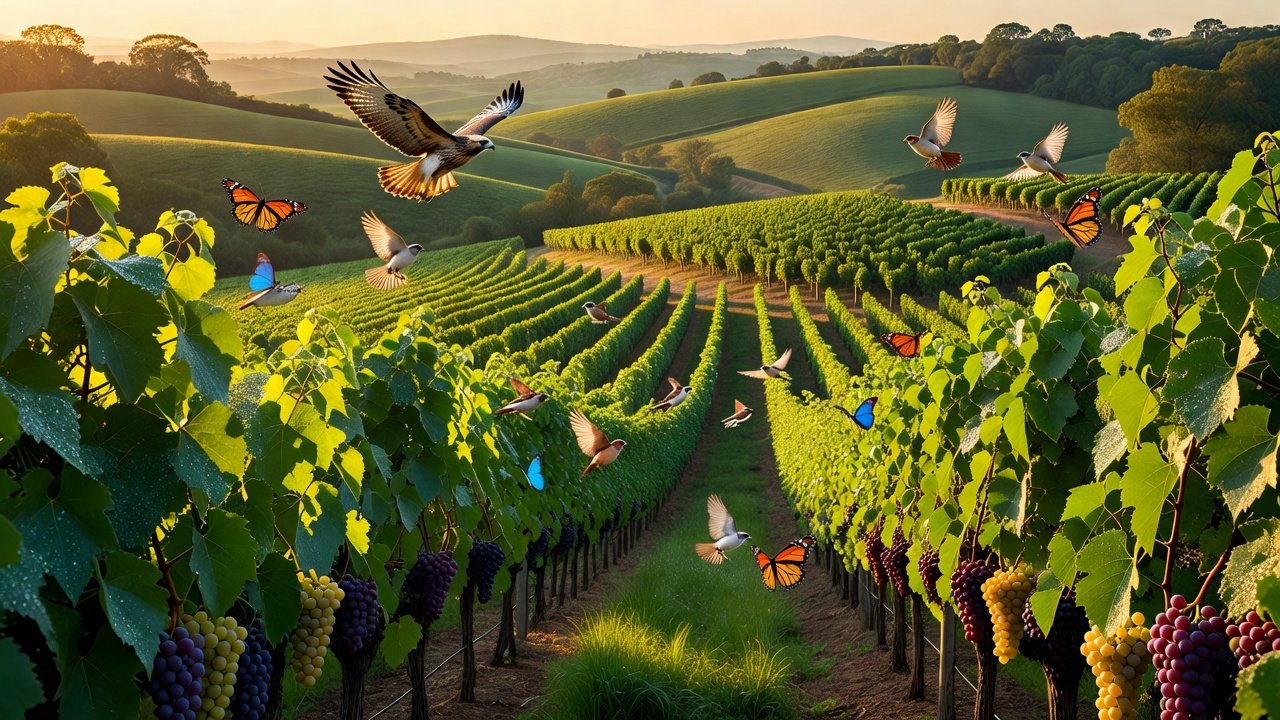
Biodynamic practices go beyond organic farming by treating the vineyard as a self-sustaining ecosystem. In 2026, with rising climate pressures like drought, extreme weather events, and shifting habitats, these methods are proving vital for wildlife conservation in wine regions worldwide. This comprehensive guide examines three detailed case studies from diverse regions, compares organic and biodynamic approaches in depth, highlights measurable biodiversity benefits, and offers actionable implementation steps for vineyard owners. Readers will gain practical insights into how these practices support pollinators, birds, mammals, and aquatic life while enhancing vineyard resilience.
Understanding Biodynamic Principles in Vineyards
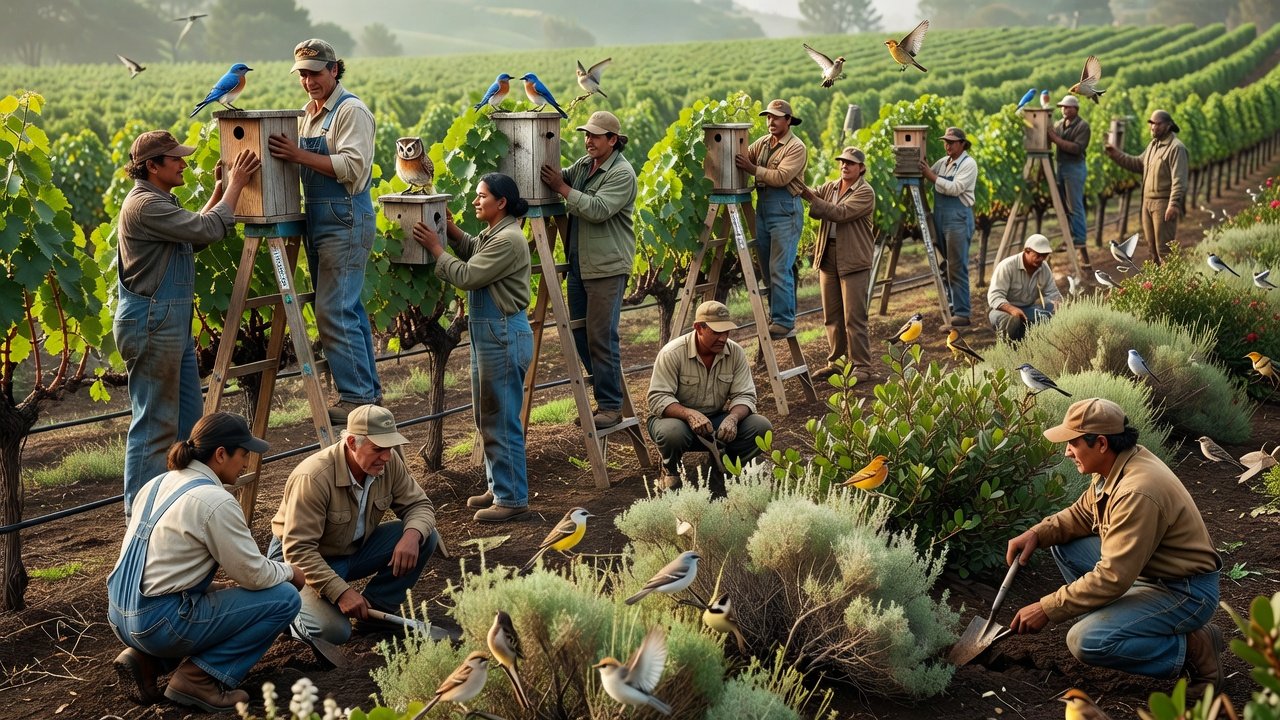
Biodynamic viticulture follows Rudolf Steiner's philosophy, emphasizing lunar cycles, specific compost preparations, and holistic farm integration. Unlike conventional methods that rely on synthetic chemicals, biodynamics avoids all synthetic inputs entirely, fostering soil health that supports pollinators, birds, and small mammals. Core practices include planting cover crops to prevent erosion, establishing hedgerows for habitat connectivity, and integrating animals such as sheep or chickens for natural fertilization and pest management. These elements create living corridors amid the vines, allowing wildlife to thrive even in intensively farmed areas. In 2026, amid climate variability, biodynamic vineyards demonstrate superior adaptability through increased soil organic matter and microbial diversity that buffers against temperature swings and water scarcity.
Case Study 1: California’s Napa Valley – Frog’s Leap Winery
In Napa Valley, Frog’s Leap has implemented biodynamic farming since 2010, expanding wildlife corridors significantly by 2026. Their use of native plant hedgerows and strategically placed owl boxes increased raptor populations by 40%, providing natural rodent control without traps or poisons. Amid 2026 drought conditions that affected much of California, restored wetlands on the property supported amphibian species previously in decline, including the California red-legged frog. Measurable outcomes include a 35% rise in overall bird diversity tracked via annual point-count surveys conducted with local ornithologists. The estate also introduced bat houses, resulting in higher insect predation rates that reduced leafhopper damage on vines. These interventions not only conserved local wildlife but improved grape quality through balanced ecosystems, demonstrating how biodynamics aligns conservation with commercial viability.
Case Study 2: Burgundy, France – Domaine de la Romanée-Conti
This historic estate adopted full biodynamic certification in 2022 and refined its approach through 2026. By integrating sheep grazing between rows during winter months, they reduced herbicide needs by over 90% while boosting soil microbes that aid vine resilience against warmer growing seasons. Wildlife benefits include increased bee populations supporting nearby wildflower meadows, with insect surveys showing 50% higher pollinator counts than neighboring conventional vineyards. Climate adaptation through diverse rootstocks and companion planting helped maintain consistent yields despite record heat in 2025-2026. Additionally, the estate created buffer zones along streams that attracted migratory birds and improved water quality, benefiting fish populations downstream. Annual biodiversity audits revealed enhanced earthworm activity, which improves soil aeration and nutrient cycling essential for long-term vineyard health.
Case Study 3: Stellenbosch, South Africa – Waterkloof Estate
Waterkloof’s low-intervention biodynamic approach since 2015 includes minimal tillage and indigenous fynbos restoration across hillside parcels. In 2026, this supported endangered bird species like the Cape sugarbird through preserved habitats connected to surrounding nature reserves. Data from camera traps and acoustic monitoring revealed a 60% increase in small mammal activity, enhancing natural pest control for vine-damaging insects. The estate’s focus on water conservation through swales and mulching also protected local stream ecosystems during regional dry spells, allowing dragonfly and frog populations to rebound. By 2026, the property reported a 25% rise in overall species richness, including reptiles and beneficial insects, underscoring the value of integrating conservation into commercial wine production in biodiversity hotspots.
Organic vs. Biodynamic: Wildlife Impact Comparison
Organic farming reduces chemical inputs but often lacks biodynamic’s holistic elements like specific preparations and cosmic timing considerations. Research indicates biodynamic vineyards support 20-30% more species diversity due to enhanced habitat complexity from hedgerows, animal integration, and soil vitality. For instance, hedgerow density in biodynamic sites correlates with higher bat activity for nocturnal insect control. While both methods improve soil health, biodynamics often yields faster biodiversity rebounds in stressed 2026 climates because of its emphasis on closed-loop systems. Organic vineyards may require supplemental interventions for pests, whereas biodynamic ones leverage natural predators more effectively through diversified plantings and timing.
Measurable Biodiversity Benefits in 2026
Quantifiable gains from biodynamic conversion include up to 45% increases in pollinator species within three years, enhanced soil carbon sequestration supporting microbial life essential for vine health, and reduced erosion protecting riparian zones for aquatic wildlife. These outcomes help vineyards meet emerging sustainability certifications tied to conservation goals. Additional benefits encompass improved water infiltration rates that sustain wildlife during droughts and greater resilience to invasive species through balanced predator-prey dynamics.
Step-by-Step Implementation Tips for Vineyard Owners
- Assess current biodiversity with baseline wildlife surveys using apps or local experts, documenting birds, insects, and mammals over multiple seasons.
- Introduce cover crops and native hedgerows tailored to regional species to create corridors and food sources.
- Apply biodynamic preparations during optimal lunar phases for soil vitality while composting on-site to close nutrient loops.
- Integrate livestock rotationally to manage understory without chemicals, monitoring animal impact to avoid overgrazing.
- Monitor progress annually with metrics like species counts, water quality tests, and soil biology assessments.
- Partner with conservation groups for technical support, grants, and long-term habitat planning.
- Document all changes and share results with industry networks to refine practices collectively.
The Role of Biodiversity in Vineyard Resilience
Biodiversity acts as a natural insurance policy against 2026 climate extremes. Diverse root systems and insect populations stabilize soils during heavy rains, while predatory birds and bats reduce reliance on any external controls. Vineyards with high wildlife activity often experience fewer disease outbreaks because balanced ecosystems limit pathogen buildup. Owners should prioritize native species restoration to maximize these protective effects.
Mistakes to Avoid When Transitioning
Common pitfalls include rushing full conversion without pilot plots, neglecting ongoing monitoring, or choosing non-native plants that fail to support local wildlife. Start small, track data rigorously, and adjust based on observed species responses rather than rigid schedules.
Common Misconceptions: FAQ Section
Is biodynamic winemaking more expensive than organic?
Initial setup costs are higher due to labor for preparations and monitoring, but long-term savings from natural pest control often offset this within five years through reduced inputs.
Does it really affect wine quality or taste?
Many producers report enhanced terroir expression from healthier soils and lower yields, though results vary by region, grape variety, and vintage conditions.
Can small vineyards adopt these practices?
Yes, scaled versions work well; start with one preparation and a single hedgerow section, then expand based on direct observations and seasonal data.
How does it address 2026 climate challenges specifically?
Resilient ecosystems buffer against extreme weather, maintaining habitat stability and soil moisture better than monoculture approaches through diversified plant and animal interactions.
Conclusion
Biodynamic methods offer proven pathways for vineyards to support wildlife amid 2026 challenges. By learning from these case studies and following detailed implementation steps, owners can achieve both ecological and economic rewards. Enthusiasts and professionals alike benefit from supporting these forward-thinking producers. For further reading, explore resources from Demeter International and U.S. Environmental Protection Agency on sustainable agriculture practices, as well as FAO guidelines for biodiversity in agriculture.
No comments yet. Be the first!