 Uncorked Conversations
Introduction to Sulfur in Natural Wine
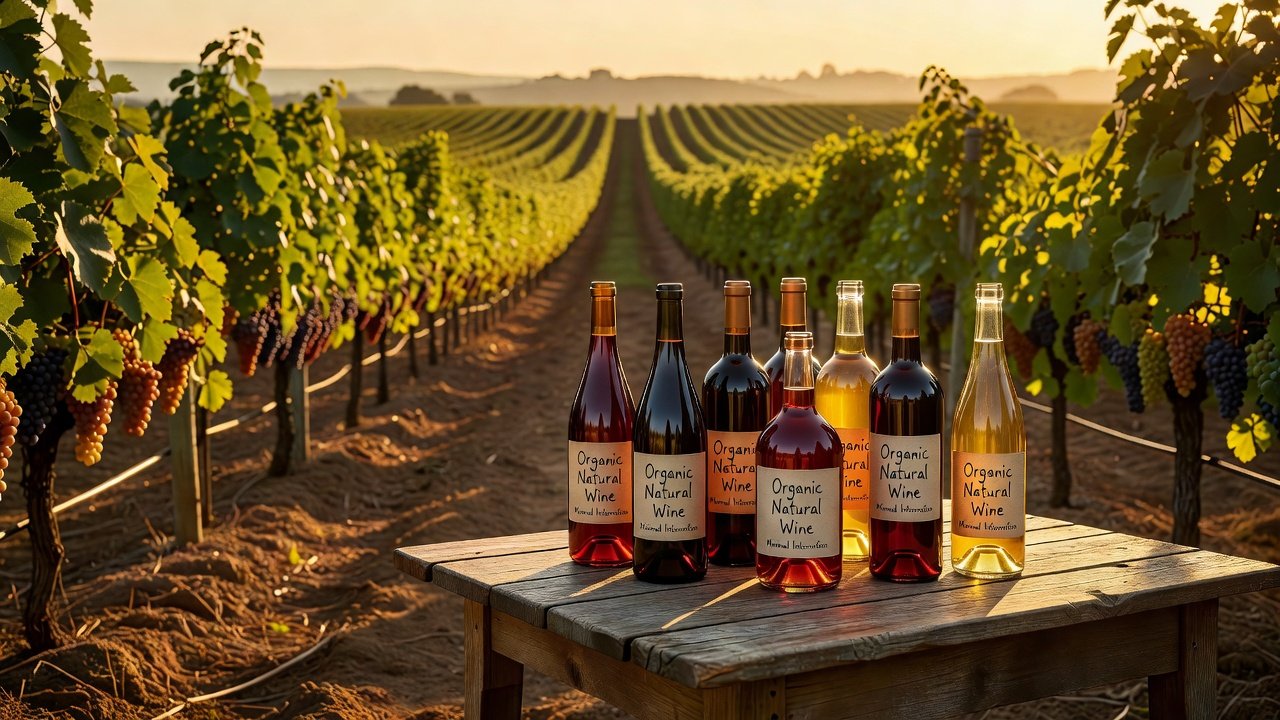
Sulfur dioxide plays a central role in winemaking, acting as a preservative and antioxidant that protects wine from oxidation and microbial spoilage. In 2026, consumers seeking natural, organic, biodynamic, and low-intervention wines are increasingly focused on understanding sulfur levels to align purchases with health preferences and taste expectations. This guide breaks down the science, regulations, and practical strategies for selecting bottles with minimal added sulfur. Natural wine enthusiasts often prioritize transparency, driving producers to adopt forward-looking practices that emphasize vineyard vitality and reduced cellar interventions.
The Science of Sulfur Dioxide in Winemaking
Sulfur dioxide (SO2) occurs naturally during fermentation but is often supplemented to stabilize wine. It inhibits bacteria and wild yeasts while preserving freshness and color. In natural wine production, winemakers minimize or eliminate added SO2 to highlight terroir and allow spontaneous fermentation. However, zero-sulfur wines require careful handling to avoid faults like vinegar taint or premature oxidation. The chemistry involves molecular SO2 binding with acetaldehyde and other compounds, creating a protective environment. Winemakers monitor free versus total sulfur levels closely, as free SO2 provides active protection while bound forms offer longer-term stability. In 2026 practices, advanced testing tools allow precise adjustments that maintain wine integrity without excess additions.
Organic and biodynamic certifications impose strict limits on total SO2, typically lower than conventional wines. Low-intervention approaches emphasize vineyard health over cellar additives, leading to wines that may evolve differently in the bottle. Soil microbiome diversity, for instance, contributes to natural resistance against spoilage organisms, reducing reliance on sulfur.
Regulatory Differences Across Wine Categories in 2026
Regulations vary globally. In the European Union, organic wines must adhere to maximum SO2 levels set by certification bodies, while biodynamic standards from Demeter are even stricter. Natural wine movements, though less formally regulated, often follow voluntary guidelines from producer associations promoting transparency. The United States maintains sulfite labeling mandates above 10 parts per million, encouraging producers to disclose additions clearly. Consumers can reference official resources such as World Health Organization guidelines on food additives for broader context on sulfite safety. In the United States, labeling requirements for sulfites remain consistent for wines exceeding certain thresholds. European Food Safety Authority resources further detail acceptable daily intakes, helping informed buyers navigate international differences.
Potential Sensitivities and Health Considerations
Some individuals experience reactions to sulfites, ranging from mild headaches to respiratory issues in sensitive populations. While sulfites occur naturally in many foods, added levels in wine prompt questions for those with asthma or allergies. In 2026, producers are responding with clearer labeling and lower-sulfur options to meet growing demand. Research from authoritative bodies like U.S. Food and Drug Administration helps clarify safe consumption thresholds, though individual tolerance varies widely. Genetic factors and gut microbiome composition influence personal sensitivity, prompting some consumers to seek wines with total SO2 below 50 mg/L. Producers increasingly test for histamine interactions that may compound reactions in certain individuals.
Comparing Minimal-Sulfur Approaches by Wine Style
Red wines often tolerate lower sulfur due to tannins providing natural protection. Whites and rosés typically require more to prevent oxidation. Sparkling wines and orange wines present unique challenges, with some natural producers experimenting with alternative stabilizers like lysozyme or potassium sorbate in limited cases. Skin-contact whites gain phenolic compounds that enhance stability, allowing lower SO2 targets. Rosé styles balance freshness needs with minimal additions by harvesting at optimal ripeness. The following list outlines typical 2026 targets across categories:
- Red natural wines: Often under 30 mg/L total SO2, benefiting from robust structure
- White natural wines: Ranges from 20-50 mg/L depending on style and vintage conditions
- Biodynamic examples: Frequently target under 20 mg/L for certified bottles with rigorous vineyard protocols
- Orange and pét-nat wines: Variable, often 10-40 mg/L as extended maceration provides additional safeguards
Real-World Winery Examples
Wineries like Domaine de la Taille aux Loups in France emphasize minimal intervention with low SO2 across their Loire Valley cuvées. In California, producers such as Donkey & Goat focus on biodynamic practices that keep sulfur additions minimal while maintaining stability. These examples illustrate how 2026 practices balance tradition with modern consumer expectations. Additional standouts include Radikon in Italy, known for extended skin-contact whites with near-zero additions, and Broc Cellars in the United States, which prioritizes native yeast ferments and low total SO2 across their lineup. Visiting these estates reveals how soil health directly correlates with reduced preservative needs.
Step-by-Step Label-Decoding Checklist
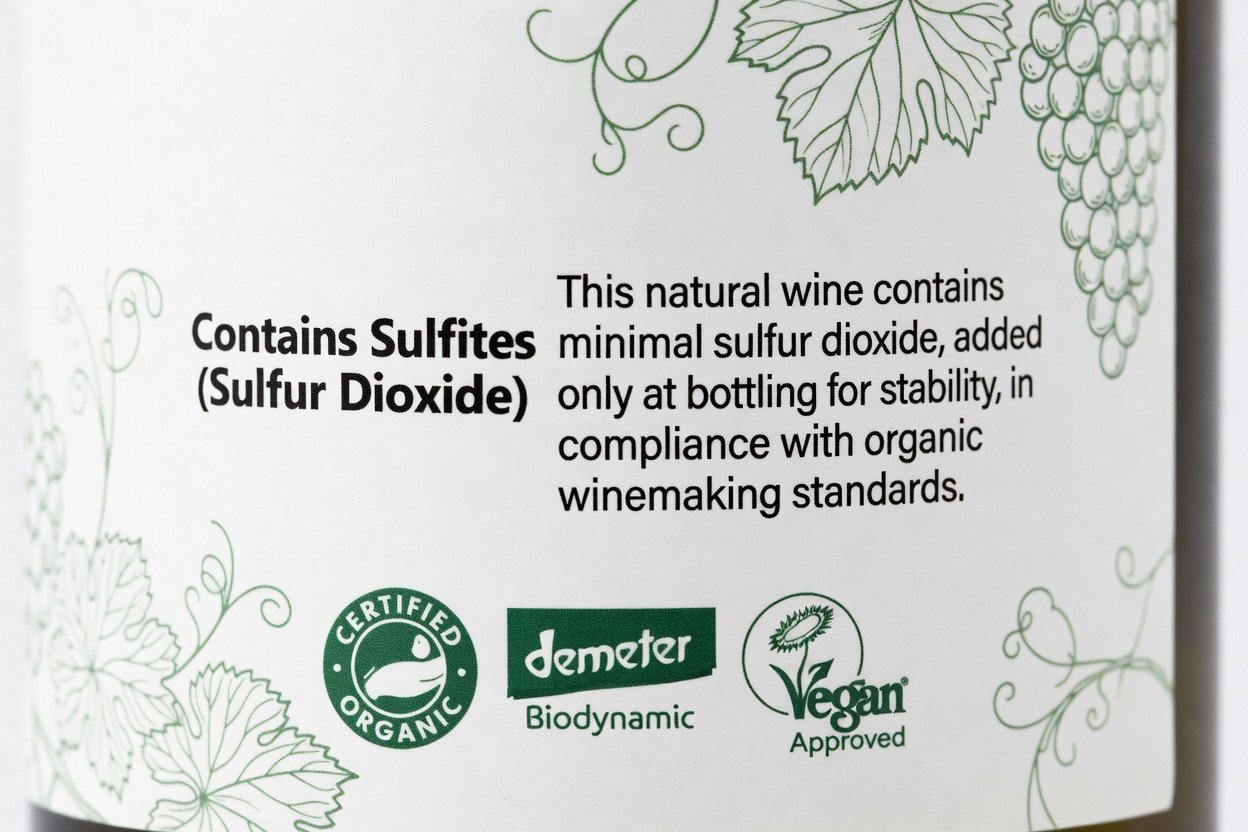
- Check for “no added sulfites” or “contains sulfites” statements on both front and back labels to understand baseline disclosures.
- Look for certification logos: USDA Organic, Demeter Biodynamic, or natural wine association seals that indicate adherence to sulfur caps.
- Review total SO2 if listed on back labels or producer websites, cross-referencing with vintage-specific notes.
- Note vintage and closure type—screw caps may indicate different preservation needs compared to traditional corks.
- Research the producer’s philosophy via their site or importer notes for insights into vineyard practices that support low-sulfur outcomes.
- Consider importer reputation, as specialists often curate low-intervention selections with verified additive transparency.
Common Mistakes to Avoid When Choosing Low-Sulfur Wines
Many buyers overlook the distinction between free and total SO2, leading to unexpected bottle variation. Another frequent error involves assuming all certified organic wines are zero-sulfur, when in fact they allow controlled additions. Ignoring storage conditions can cause premature oxidation in minimal-sulfur bottles. Always verify recent technical sheets rather than relying solely on marketing claims.
Practical Tips for Selecting Low-Sulfur Bottles
Start by shopping at specialized retailers that stock natural wine selections. Ask staff about recent arrivals with verified low SO2. Consider orange wines or pét-nats for styles that often use reduced sulfur. Store bottles properly to minimize the need for higher preservatives. When in doubt, contact the winery directly for current production details. Building relationships with importers provides access to small-production lots where sulfur management is meticulously documented. Pair selections with food that complements evolving flavors, such as aged cheeses for oxidative styles.
Frequently Asked Questions
Does low-sulfur wine taste different?
Yes, it can exhibit more pronounced fruit, earth, or funk depending on the style, with potential for quicker evolution once opened. Many enthusiasts appreciate the vibrant, living quality these wines develop over time.
Are zero-sulfur wines safe?
Properly made examples are safe for most consumers, though they demand careful storage and may not suit every palate. Always check for any personal sulfite sensitivities before trying new bottles.
How do regulations differ in 2026?
Focus remains on transparency, with many regions encouraging voluntary disclosure beyond minimum legal requirements. Certification bodies continue refining standards to reflect consumer demand for clarity.
Can low-sulfur wines age well?
Yes, when produced with healthy fruit and precise technique, they often develop complex secondary aromas, though longevity depends on individual bottle conditions and storage.
What alternatives exist to added sulfur?
Techniques include inert gas blanketing, temperature control, and selecting resistant grape varieties that naturally support microbial stability.
Conclusion
Understanding sulfur levels empowers informed choices in the natural wine category. By applying the label checklist and exploring certified producers, enthusiasts can enjoy wines that match both taste preferences and wellness goals in 2026 and beyond. Continued innovation in vineyard practices promises even greater options for minimal-intervention lovers seeking authentic expressions of place.

No comments yet. Be the first!