 Uncorked Conversations
Introduction to Natural Wine Festivals in 2026
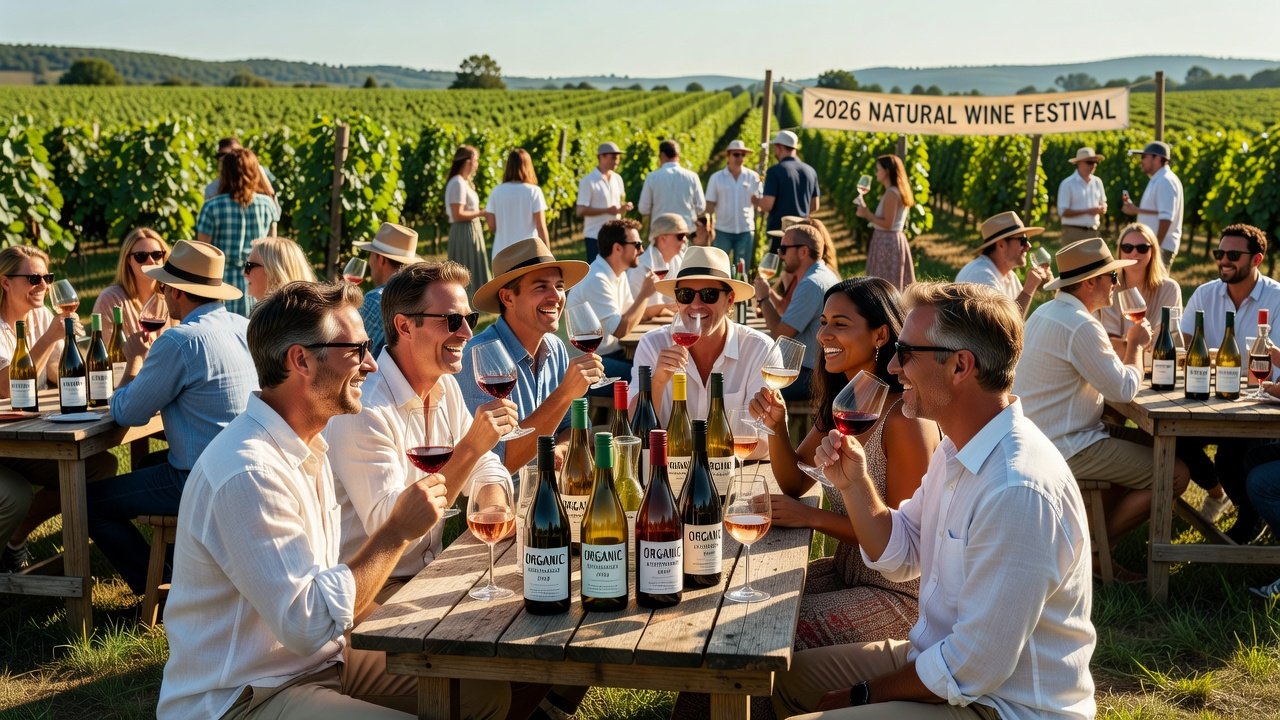
Attending a natural wine festival for the first time can feel overwhelming, but with the right preparation, it becomes an unforgettable experience filled with discovery. These events celebrate low-intervention wines made from organic, biodynamic, or naturally farmed grapes, often without added sulfites or filtration. Whether you're exploring European countryside gatherings or urban North American showcases, this guide equips first-timers with actionable advice to navigate 2026 events confidently. Natural wine festivals emphasize sustainability, community, and education alongside tastings. Expect intimate producer interactions rather than mass-market vibes, with sessions highlighting unique flavors from minimal-intervention practices. The growing popularity of these festivals stems from consumer interest in transparent winemaking and environmental responsibility, creating welcoming spaces for newcomers to learn directly from the source.
What to Expect at Natural Wine Festivals
Events typically feature dozens of producers pouring samples in relaxed, often outdoor settings. You'll encounter wines that vary wildly in style—cloudy orange hues, funky aromas, and vibrant acidity define many pours. Sessions might include seminars on biodynamic farming or pairings with local, seasonal foods. Atmospheres range from lively market-style stalls to seated tastings with live music. Dietary options often include vegan and gluten-free bites, reflecting the eco-conscious crowd. Real attendees frequently report meeting passionate winemakers who share stories behind each bottle. Formats can include multi-day immersions with vineyard walks, single-day expos with educational panels, or evening-focused events centered on pét-nat and skin-contact wines. Expect conversations about soil health, native yeasts, and zero-additive philosophies that distinguish natural wines from conventional ones. Many festivals also incorporate art installations or live performances to enhance the sensory experience.
Packing Essentials for Festival Success
Smart packing ensures comfort during long tasting days. Bring a reusable water bottle to stay hydrated between samples, a notebook or app for notes, and comfortable shoes for walking vineyard paths. A portable wine key and breath mints help between pours. Layer clothing for variable weather, plus a small tote for any purchases. Sun protection like hats and SPF is crucial for outdoor events, while a portable charger keeps your phone ready for photos and maps. Additional items include a lightweight jacket for evening chill, cash for smaller producers who may not accept cards, and a small cooler bag if transporting bottles afterward. Consider a portable palate cleanser kit with unsalted crackers or breadsticks, and download offline maps in case of spotty cell service at rural venues. These practical choices prevent common discomforts and let you focus on the wines.
Tasting Strategies for Beginners
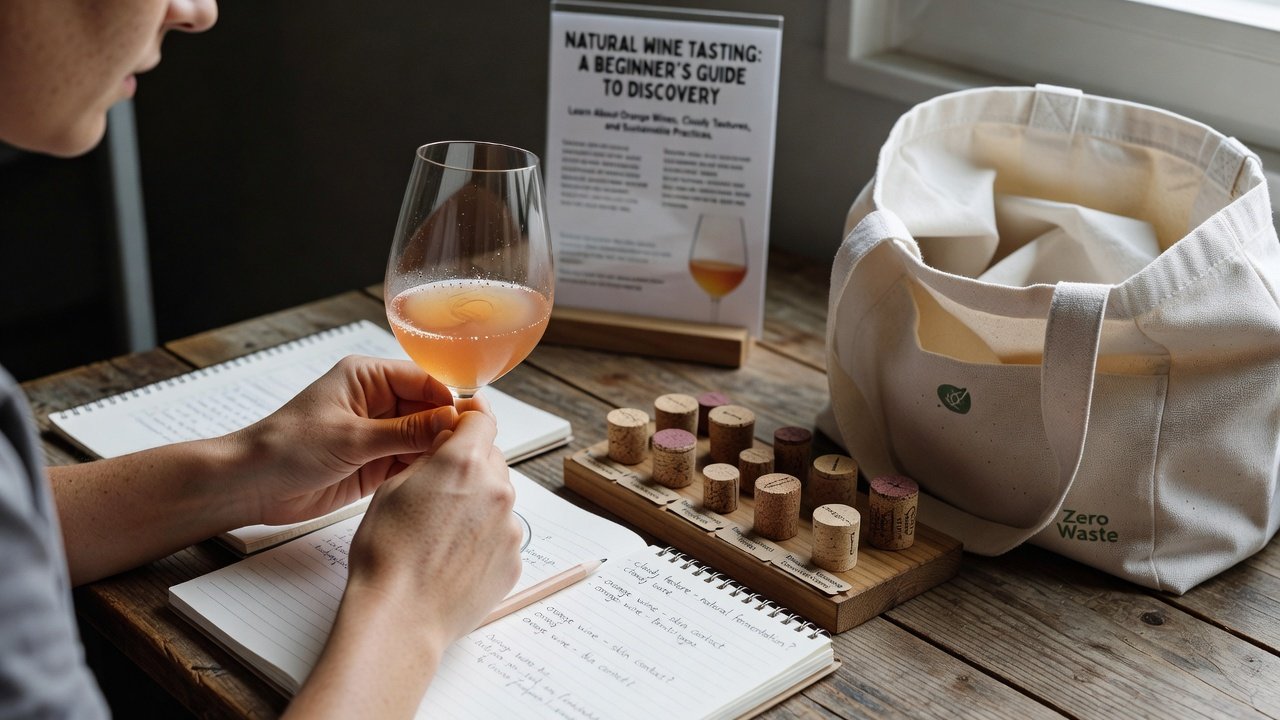
Start with lighter whites or sparkling wines to prime your palate, then progress to reds and any orange wines. Sip slowly, note aromas first, and cleanse with water or plain crackers between samples. Ask producers about their methods—many love explaining natural fermentation or skin-contact techniques. Limit yourself to 8-12 tastes per hour to avoid palate fatigue. Focus on standout producers like those using ancestral methods or regenerative agriculture for deeper insights. Develop a personal scoring system in your notebook covering appearance, nose, palate, and finish. Take breaks outdoors to reset your senses, and avoid strong perfumes or foods beforehand that could interfere with aromas. Pair strategically with provided bites to understand how natural wines complement simple, seasonal ingredients. This methodical approach maximizes learning and enjoyment while preventing overindulgence.
Comparing Festival Formats Across Europe and North America
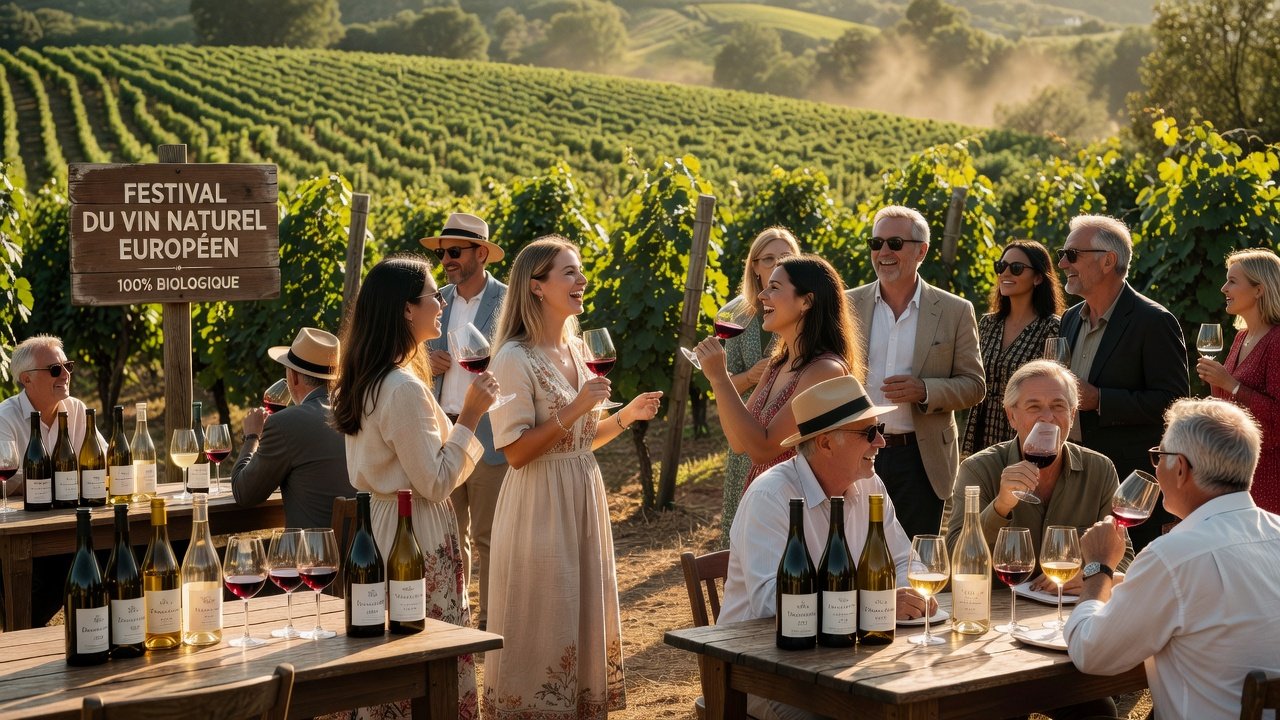
European festivals often unfold in historic villages or vineyards, blending tastings with cultural tours. Think multi-day events in France or Italy with emphasis on regional traditions and extended producer dinners. North American versions tend toward city-based expos or pop-up markets, offering structured workshops and easier access for newcomers. Europe may feature more spontaneous, all-day flows with local cuisine integrations, while North America emphasizes educational panels and diverse international lineups. Both prioritize low-intervention wines but differ in scale and pacing—Europe leans immersive, North America more accessible for first-timers. For example, a Loire Valley event might include boat rides along the river between tastings, whereas a California gathering could feature chef collaborations and sustainability workshops in urban warehouses. Research transportation options early, as European festivals often encourage train travel between sites while North American ones may require rideshares in spread-out locations.
Common Mistakes to Avoid as a First-Timer
Many newcomers skip hydration or arrive without a plan, leading to quick fatigue. Avoid wearing strong scents that mask wine aromas, and don't monopolize producers' time when lines form. Another pitfall is tasting too many similar styles consecutively without palate resets. Research the producer list in advance to prioritize must-see tables, and resist the urge to purchase every interesting bottle on the spot—note favorites for later ordering. Steer clear of overcommitting to every session; selective attendance preserves energy for meaningful conversations. Finally, ignore hype around specific trends and trust your own palate discoveries instead.
Sustainability Tips for Eco-Conscious Attendees
Choose events with carbon-offset options or public transit incentives. Bring your own glass if allowed, and support producers using recycled packaging. Opt for carpooling or biking to venues, and seek out festivals highlighting regenerative farming practices. Many 2026 gatherings partner with organizations promoting biodiversity; check schedules for sessions on soil health or zero-waste tastings. Reduce single-use plastics by packing reusable utensils and containers for any leftovers. Engage with producers about their shipping practices to understand the full environmental footprint of natural wine distribution.
Standout Producers and Sessions to Watch For
Look for sessions led by innovative voices in natural winemaking, such as those exploring pét-nat techniques or heritage grape varieties. Examples include producers from the Loire Valley or California’s emerging natural scenes who demonstrate how minimal intervention yields expressive results. Attendee experiences often highlight transformative moments like tasting a cloudy rosé that defies expectations or bonding over shared values at after-parties. Seek workshops on topics like oxidative winemaking or the role of amphora aging, which provide hands-on context for the wines being poured.
Real Attendee Experiences
First-timers frequently describe initial nervousness fading into excitement after the first few pours. One common story involves discovering a favorite natural wine through casual conversation with a vintner, leading to ongoing connections via social media or future visits. Another attendee recounted how a biodynamic seminar shifted their understanding of terroir, inspiring them to seek out similar wines at home. Many return annually, citing the festivals' welcoming vibe and educational depth as reasons to explore more events year after year. These personal connections often extend beyond the event, fostering communities around shared appreciation for transparent winemaking.
FAQ on Natural Wine Festivals
- What are typical ticket prices? Costs vary by event scale and location; expect accessible entry for most beginner-friendly festivals.
- Are there dietary options available? Yes, nearly all events offer vegan, vegetarian, and allergen-friendly choices aligned with natural wine principles.
- How do I choose which festival to attend? Consider proximity, producer focus, and format—European for immersion, North American for structured learning.
- What if I'm new to natural wines? Start with guided tastings; most festivals provide beginner tracks or producer explanations.
- Can I bring my own glassware? Policies differ, but many encourage reusable options to reduce waste.
- Are children or pets welcome? Family-friendly events often allow well-behaved children; check pet policies per venue.
Conclusion
With thoughtful preparation, your first natural wine festival in 2026 can spark a lifelong passion. Apply these strategies to maximize enjoyment while supporting sustainable practices. Dive in, taste boldly, and connect with the vibrant community behind these unique wines. For more inspiration, explore resources from Decanter, Wine Magazine, and Food & Wine.
No comments yet. Be the first!