 Uncorked Conversations
Introduction to Natural Wine Festivals in 2026
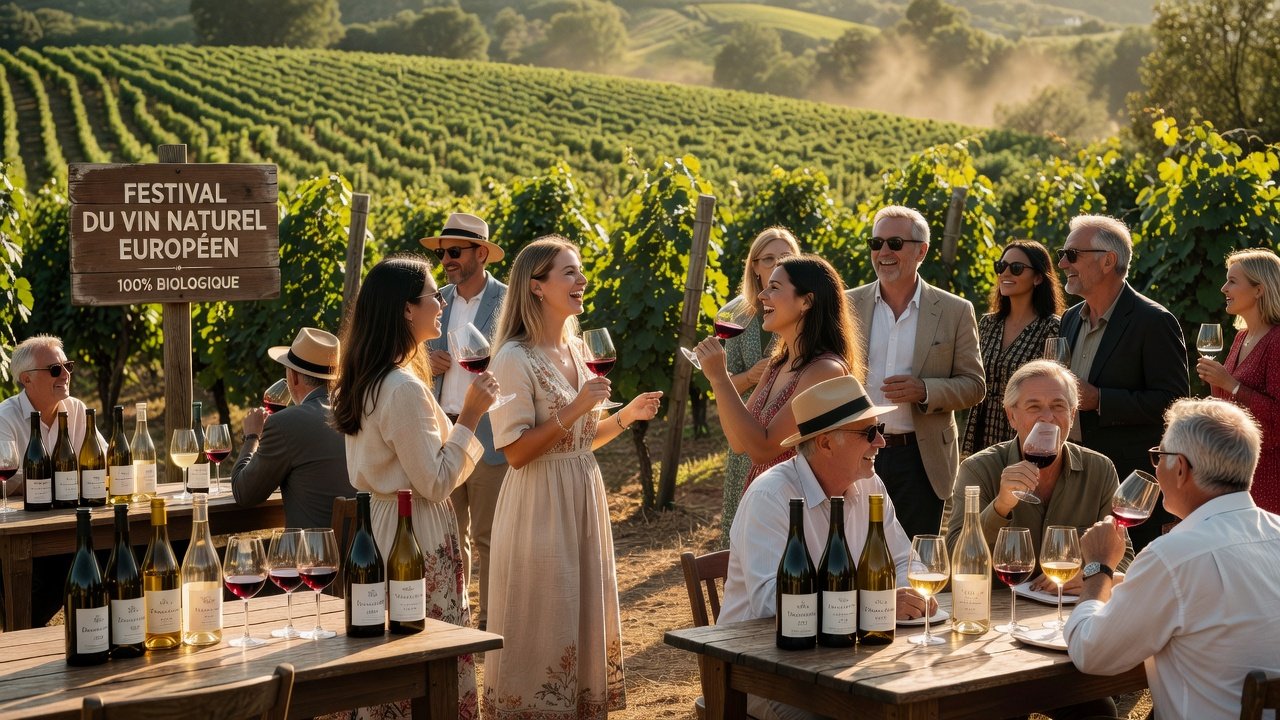
Natural wine festivals celebrate wines made with minimal intervention, emphasizing organic farming, biodynamic practices, and low-intervention winemaking. These events highlight authentic expressions of terroir without additives or heavy processing. In 2026, enthusiasts can choose between immersive European experiences rooted in centuries-old traditions and innovative US gatherings that blend education with modern sustainability. This comprehensive guide compares key festivals across regions like Burgundy and Oregon, covering dates, tasting formats, travel logistics, and selection tips based on grape varieties and producer styles. Whether you are drawn to the structured elegance of Old World events or the experimental spirit of New World festivals, understanding these differences helps you plan an unforgettable trip focused on organic wine, biodynamic wine, and low-intervention wine practices.
Attending such festivals offers more than just tastings; they provide opportunities to meet producers, learn about sustainable viticulture, and explore how climate and soil influence flavor profiles. With growing interest in natural wines, 2026 events are expected to emphasize eco-friendly initiatives like carbon offset programs and zero-waste operations.
Key Differences in Focus: Organic, Biodynamic, and Low-Intervention Practices
European festivals often prioritize heritage and strict certifications, while US events embrace experimental approaches alongside core natural principles. Organic wine avoids synthetic pesticides and fertilizers, biodynamic incorporates lunar cycles, composting, and holistic farming methods, and low-intervention minimizes additives like sulfur dioxide while allowing some flexibility in the cellar. In Europe, certification bodies enforce rigorous standards that trace back generations, creating a sense of continuity. US festivals, by contrast, often feature emerging techniques such as amphora aging or co-fermentation to highlight unique grape expressions.
European Emphasis on Tradition
In Burgundy, events stress biodynamic methods passed down through generations. Producers showcase Pinot Noir and Chardonnay with native yeast fermentation, allowing the wines to reflect the limestone soils of the region. This approach fosters a deeper connection to place and history.
US Innovation and Accessibility
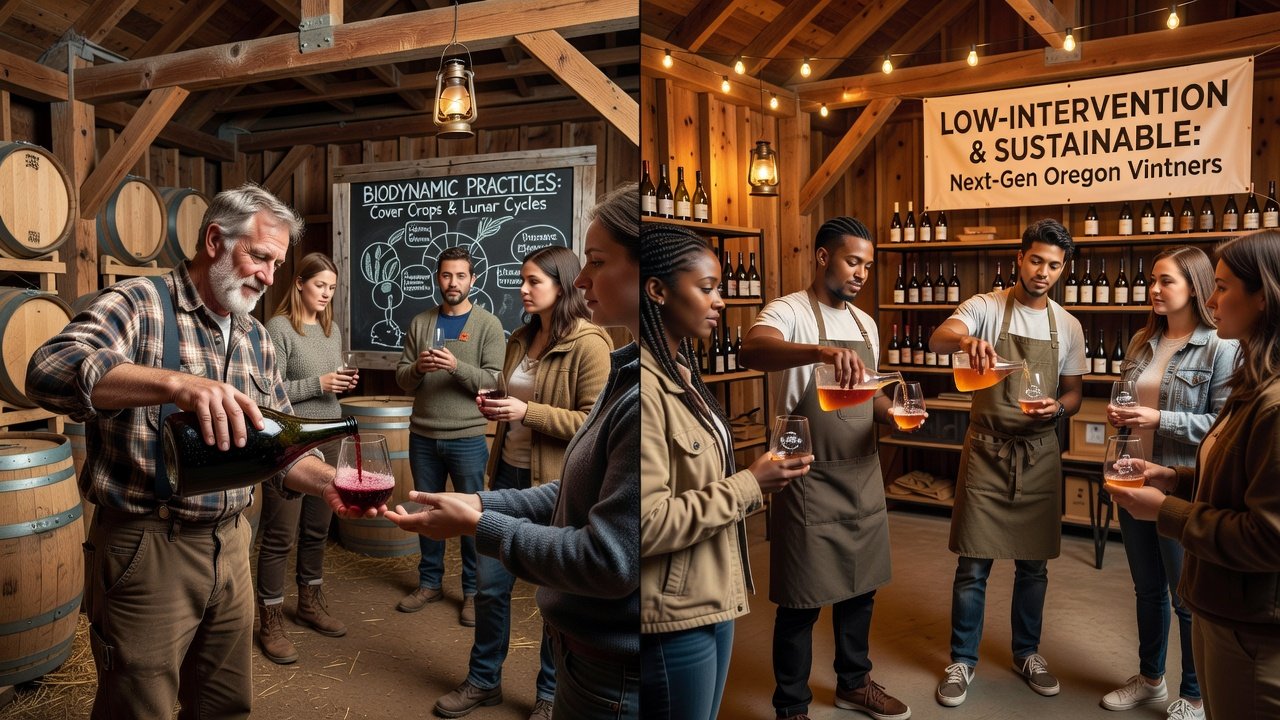
Oregon festivals highlight low-intervention techniques with a focus on sustainability education and diverse grape varieties like Pinot Gris and Chardonnay. Workshops often cover how producers adapt to changing weather patterns while maintaining minimal intervention.
Top 2026 Festivals in Europe: Burgundy Highlights
One standout is the Burgundy Natural Wine Gathering, scheduled for May 15-17, 2026. Attendees experience vertical tastings of biodynamic vintages in historic cellars. Unique formats include producer-led vineyard walks emphasizing organic soil health and regenerative agriculture. Another notable event is the Loire Valley Natural Wine Fair in April, which complements Burgundy by featuring Chenin Blanc and Cabernet Franc from low-intervention estates. Sustainability angles feature zero-waste policies and partnerships with local organic farms for on-site composting. Travel logistics involve flying into Dijon or Paris, with easy train access to villages. Attendees can combine visits with tours of nearby chateaus for a full cultural immersion.
Top 2026 Festivals in the US: Oregon Experiences
The Oregon Low-Intervention Wine Summit runs June 5-7, 2026, in the Willamette Valley. Tastings feature side-by-side comparisons of natural wines from small producers using minimal sulfur. Additional US events include the California Natural Wine Week in August, which expands options for West Coast travelers. Events include workshops on grape varieties like Tempranillo adaptations and sustainable packaging discussions. Logistics center around Portland International Airport, with shuttle services to tasting sites. Many festivals offer hybrid virtual options for broader access, allowing remote participants to join seminars on biodynamic preparations.
Side-by-Side Pros and Cons: Burgundy vs Oregon
- Pros of Burgundy: Deep historical context, exceptional terroir-driven wines, strong focus on biodynamic certification, and access to iconic appellations with centuries of tradition.
- Cons of Burgundy: Higher travel costs from the US, more formal atmosphere that may feel intimidating to newcomers, limited English-language sessions, and stricter dress codes at some tastings.
- Pros of Oregon: Approachable producer interactions, emphasis on low-intervention experimentation, easier domestic travel for Americans, and a welcoming vibe that encourages questions about winemaking techniques.
- Cons of Oregon: Younger festival scene with fewer centuries-old cellars, variable weather impacting outdoor events, and sometimes less emphasis on formal certifications compared to European counterparts.
Practical Tips for Selecting Festivals by Grape Varieties and Producer Styles
Match events to preferences: Seek Burgundy for elegant Pinot Noir from organic estates or Oregon for vibrant, fruit-forward styles with low-intervention flair. Research producers via official regional sites before booking. Consider whether you prefer single-varietal focus or blends, and check festival lineups for specific styles like skin-contact whites or pétillant naturel sparkling wines. For those interested in rare grape varieties, European events often feature heritage plantings, while US festivals showcase crosses and hybrids suited to local climates.
Attendee Checklists and Cost Breakdowns
Essential checklist: Comfortable shoes for vineyard tours, reusable tasting glasses, notebook for notes, and sustainable transport plans. Pack layers for variable weather, a portable charger for event apps, and business cards for networking with producers. Budget for tickets, lodging, and meals—focus on value packages that include multiple tastings, transportation, and educational sessions. Consider group travel to reduce per-person expenses on ground transport and accommodations.
Travel Logistics and Sustainability Angles
Book early for peak season. European trips benefit from rail passes that connect major cities to rural wine regions; US events favor rental cars with electric options where available. Both regions promote carbon-neutral practices, such as offsetting travel emissions through verified programs. Sustainability extends to on-site measures like using recycled materials for event materials and supporting local biodiversity through vineyard habitat restoration projects.
FAQs on Booking and What to Expect
How far in advance should I book? Reserve 4-6 months ahead for popular 2026 events to secure lodging and tickets.
What to expect at European festivals? Structured tastings with educational talks on biodynamics and formal seating arrangements in historic venues.
US event differences? More interactive sessions, casual networking, and outdoor elements that highlight the natural landscape.
Are there family-friendly options? Some US festivals include non-alcoholic pairings, while European events may offer limited kid activities.
How do I prepare for jet lag on international trips? Arrive a day early and stay hydrated to fully enjoy the tastings.
For authoritative regional insights, visit vins-bourgogne.fr and oregonwine.org. Additional resources can be found at winemag.com.
Conclusion
Choosing between European and US natural wine festivals in 2026 depends on your priorities for tradition versus innovation. Both offer rich experiences centered on organic, biodynamic, and low-intervention wines, with opportunities to deepen your appreciation through tastings, education, and direct producer engagement. Plan thoughtfully to maximize enjoyment and sustainability.
No comments yet. Be the first!