 Uncorked Conversations
Introduction to Sustainable Wine Tourism in 2026
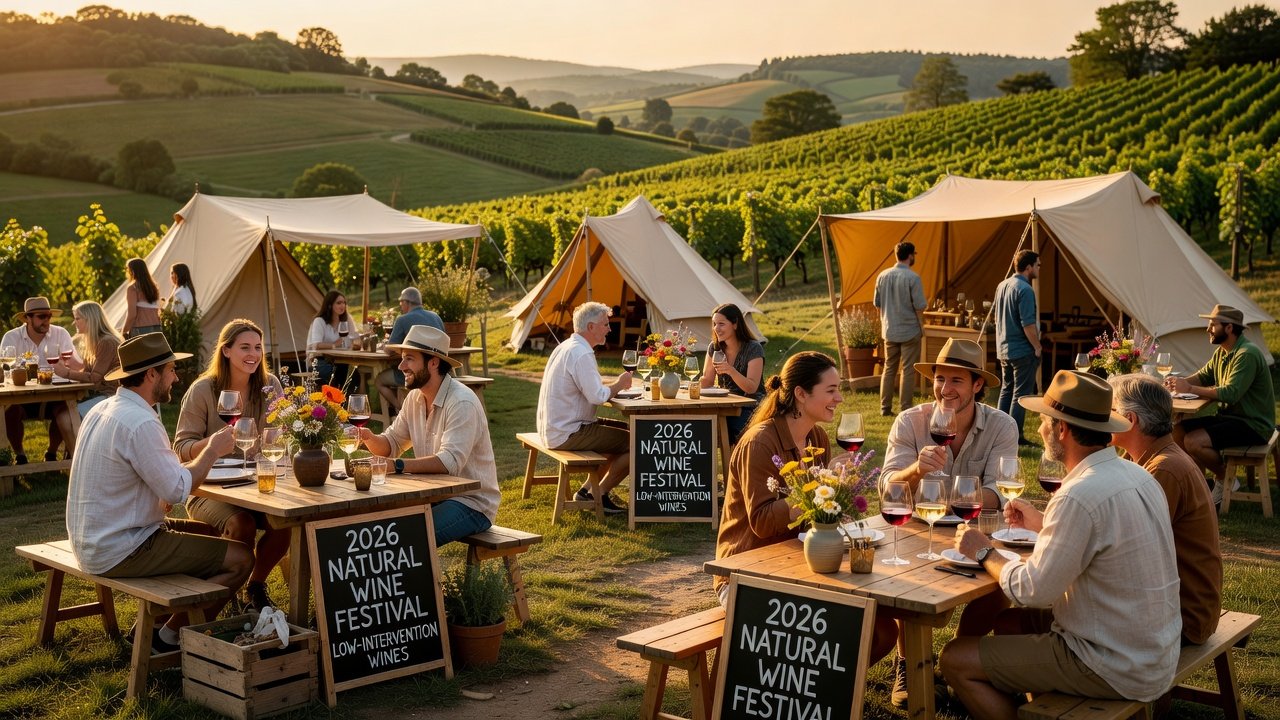
As interest in responsible travel grows, 2026 natural wine festivals offer wine enthusiasts a chance to explore low-intervention wines while minimizing environmental impact. These events highlight organic and biodynamic producers, unique tasting formats, and practical ways to reduce your carbon footprint during trips to Europe and North America. Natural wines produced with minimal additives and native yeasts align seamlessly with the sustainability ethos, allowing participants to enjoy immersive experiences that respect both the land and local communities. Travelers seeking authentic connections to vineyards will find these gatherings ideal for discovering how low-intervention practices enhance flavor complexity and support biodiversity.
The rising popularity of natural wine tourism reflects broader shifts toward conscious consumption. Attendees at 2026 events can expect programming that educates on everything from soil regeneration to zero-waste event management, making each festival not just a tasting opportunity but a learning platform.
Why Focus on Eco-Travel for Natural Wine Festivals?
Attending wine events responsibly requires attention to transportation choices, lodging selections, and waste reduction strategies. Festivals scheduled for 2026 increasingly integrate these priorities by partnering with producers committed to organic and biodynamic farming. This alignment helps preserve vineyard ecosystems and reduces the overall footprint of tourism in wine regions. Choosing such events allows visitors to directly support practices that avoid synthetic pesticides and promote native yeast fermentation, resulting in wines that express terroir more vividly.
Eco-travel also encourages longer stays in single locations to limit repeated travel emissions. Many festivals now offer multi-day passes that include workshops on sustainable viticulture, helping guests understand the full journey from grape to glass.
Key Festivals Across Europe and North America
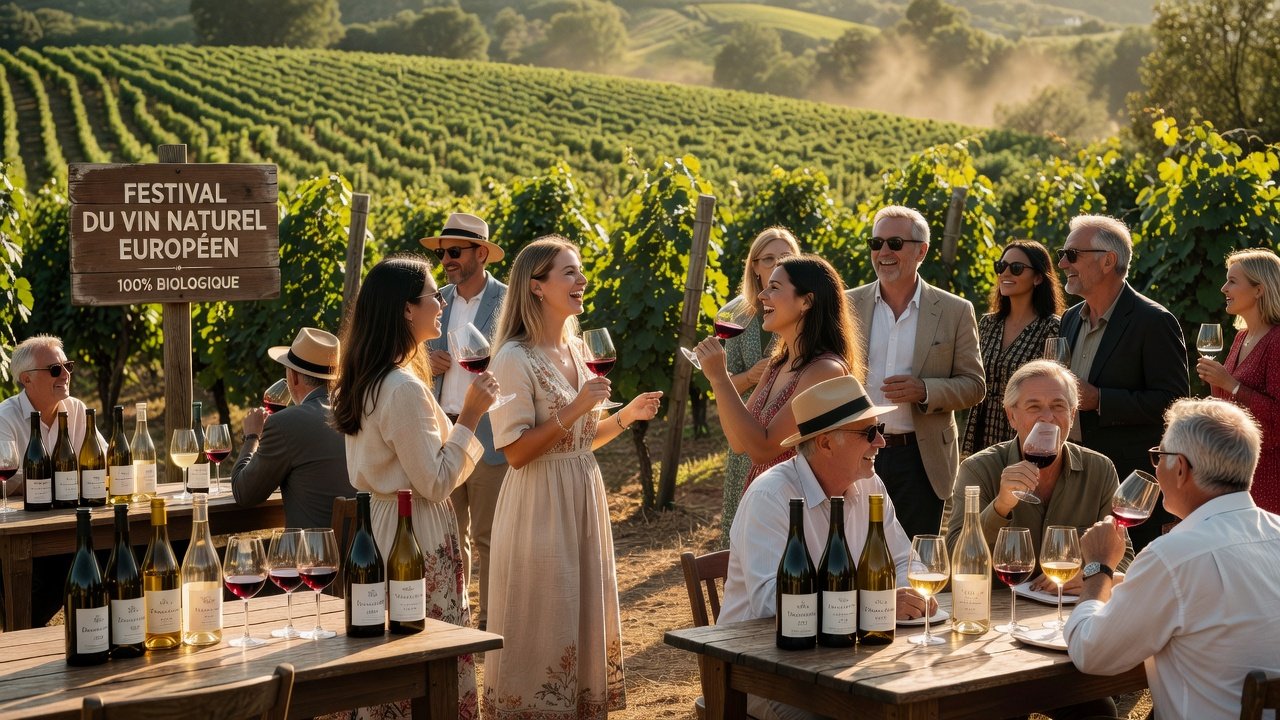
Europe features prominent gatherings in France's Loire Valley and Italy's Piedmont, where natural wine producers present their latest releases amid historic vineyard settings. These events often incorporate farm-to-table meals using ingredients grown alongside the vines. In North America, festivals in Oregon's Willamette Valley and California's Sonoma County emphasize low-intervention highlights through open-air markets and producer-led seminars. Additional notable stops include events near Spain's Priorat region and British Columbia's Okanagan Valley, each showcasing regional variations in natural winemaking.
Visitors can compare tasting styles such as vertical flights of vintage natural wines against horizontal samplings of skin-contact varieties. These formats foster direct dialogue with winemakers about challenges like climate variability and fermentation techniques.
Practical Eco-Travel Planning Tips
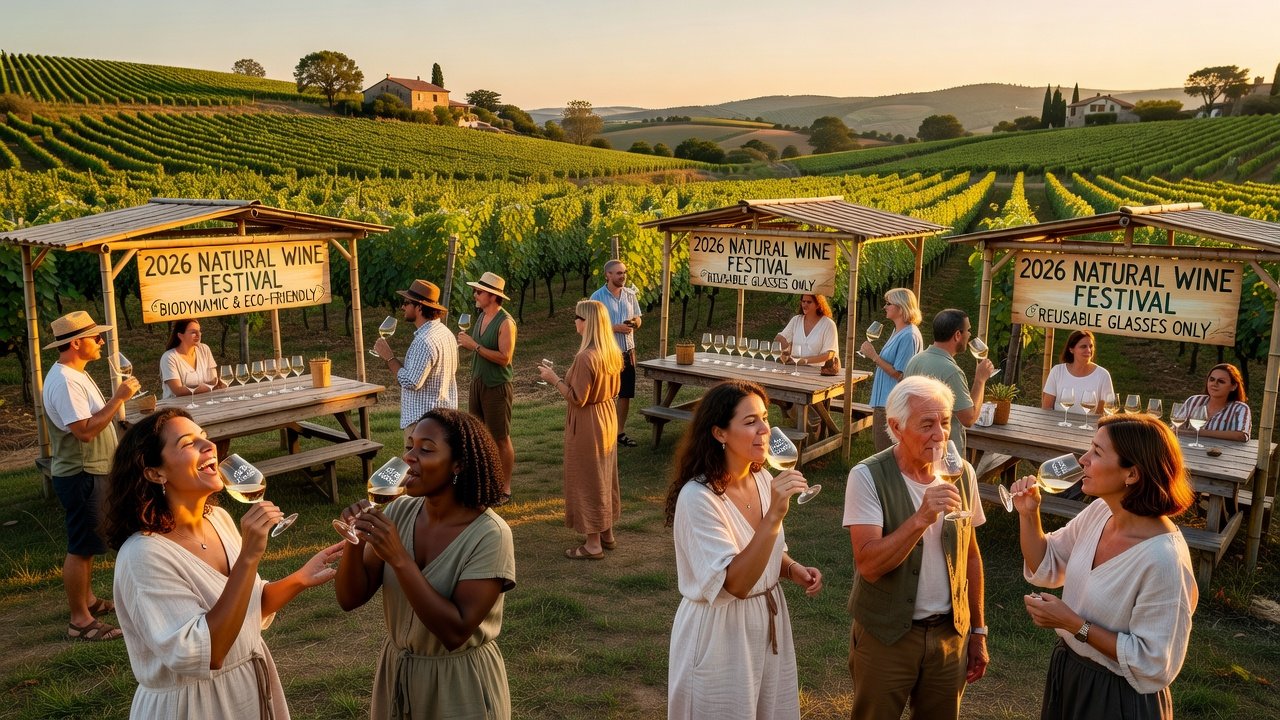
Begin planning by identifying destinations accessible via rail or bus networks rather than short-haul flights. Many European festival sites connect directly to high-speed trains, while North American locations increasingly coordinate with regional shuttles. Select venues that source event catering from nearby organic farms to shorten supply chains and support local economies. Booking accommodations at eco-certified properties further lowers impact through features like solar power and water recycling systems. Confirm that the festival implements zero-waste measures including reusable glassware, composting stations, and digital ticketing to eliminate paper waste.
Advanced research also involves checking weather patterns to pack efficiently and avoid single-use items. Connecting with festival organizers ahead of time can reveal volunteer opportunities that provide deeper involvement in sustainability efforts.
Carbon Offset Options for Festival Travel
Travelers frequently balance unavoidable emissions through verified carbon offset programs focused on reforestation in wine-growing areas or renewable energy projects. These initiatives help neutralize impacts from longer journeys while funding habitat restoration. Guidance from authoritative sources such as the EPA assists in calculating personal travel emissions accurately. Additional support comes from FAO resources on sustainable agriculture that intersect with vineyard practices.
Selecting offsets tied directly to wine regions creates a meaningful loop, as restored lands can benefit future grape growing and biodiversity.
Unique Tasting Formats and Style Comparisons
Low-intervention sampling at 2026 festivals commonly features skin-contact orange wines alongside pétillant naturel sparkling options and classic reds. Formats vary from intimate seated seminars exploring fermentation variables to lively open-air tastings that encourage spontaneous conversations with producers. In contrast to conventional wine events centered on numerical scores, natural wine tastings prioritize transparency about farming methods and additive-free processes. This shift often reveals how minimal intervention allows subtle earthiness and vibrant acidity to shine through.
Attendees frequently note that natural wines exhibit greater vintage variation, turning each tasting into an educational exploration rather than a standardized evaluation. Many events include blind comparison sessions highlighting differences between organic, biodynamic, and conventional approaches.
Producer Spotlights: Organic and Biodynamic Methods
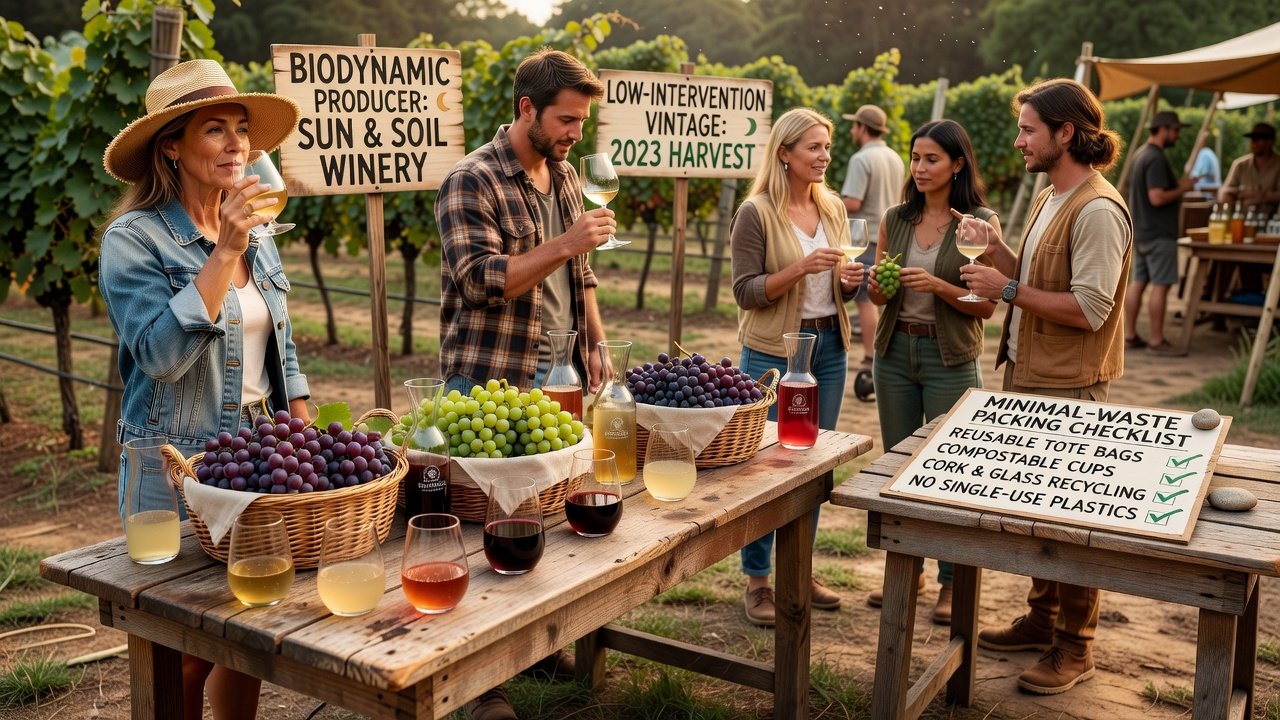
Producers in biodynamic estates across Burgundy demonstrate how lunar-cycle planting and natural preparations strengthen vine resilience without chemical inputs. In the Finger Lakes region, organic vineyards illustrate similar benefits through cover cropping that improves soil structure and water retention. These methods result in wines with pronounced minerality and layered aromas that reflect the surrounding ecosystem. Festival workshops often invite attendees to visit adjacent plots and observe regenerative techniques firsthand, deepening appreciation for the labor-intensive nature of low-intervention winemaking.
Spotlighting such producers also underscores economic advantages, as reduced input costs allow smaller operations to thrive while maintaining quality standards.
Packing Checklist for Minimal Waste
- Reusable water bottle and stainless steel utensils to replace single-use plastics
- Compact tote bags crafted from recycled fabrics for carrying purchases
- Digital notebook or small journal instead of printed programs and maps
- Layered, versatile clothing to adapt to temperature changes without extra layers
- Portable solar charger to minimize reliance on disposable batteries
- Refillable toiletry containers to cut down on plastic packaging waste
Following this checklist ensures travelers arrive prepared for multi-day events while generating far less landfill contribution than typical festival packing.
Step-by-Step Booking Advice
- Research exact festival dates and early registration windows through official websites to secure preferred tickets.
- Compare ticket options for inclusions such as guided tastings, meals, or transportation vouchers.
- Prioritize sustainable transport bookings like rail passes or electric vehicle rentals before hotel reservations.
- Select lodging with third-party green certifications and proximity to festival grounds to reduce daily commuting.
- Submit any dietary requirements for cuisine pairings well in advance to allow organizers time for accommodations.
- Review cancellation policies that align with flexible, low-impact travel adjustments.
Local Transport Alternatives
At festival locations, bicycles, electric shuttles, and organized carpooling apps provide efficient movement between venues and vineyards. European sites benefit from extensive public transit links that integrate seamlessly with event schedules. North American events have expanded dedicated festival buses running on renewable fuels, easing navigation in rural areas. These alternatives not only lower emissions but often lead to unexpected encounters with local producers or hidden tasting spots along scenic routes.
Common Mistakes to Avoid
One frequent error involves overpacking single-use items that contradict the low-waste ethos of natural wine events. Another is neglecting to verify producer credentials, which can result in missing truly low-intervention experiences. Failing to plan return transport in advance sometimes forces last-minute high-emission options. Awareness of these pitfalls helps maximize both enjoyment and sustainability.
FAQs on Pairing Natural Wines with Festival Cuisine
How do natural wines complement festival foods? Their bright acidity and earthy notes pair exceptionally well with vegetable-forward dishes, fermented items, and herb-heavy preparations common at sustainable events.
What if a wine seems funky or cloudy? Embrace these traits as hallmarks of native yeast activity, often balanced beautifully by salty cheeses or grilled vegetables offered on-site.
Can pairings be customized on the spot? Many festivals provide roaming sommeliers who suggest matches based on individual preferences and available local specialties.
Are there options for non-drinkers or those with sensitivities? Yes, most events now feature non-alcoholic ferments and low-sulfite selections clearly marked for accessibility.
How should one pace tastings across multiple days? Alternate water and small bites between samples while noting reactions to different producers to build a personal reference for future visits.
Conclusion
2026 natural wine festivals provide meaningful opportunities to engage with wine tourism sustainably. Thoughtful planning around travel methods, tasting selections, and daily habits enables participants to create memorable experiences that benefit the environment, support dedicated producers, and deepen personal appreciation for low-intervention wines. These gatherings represent an evolving intersection of gastronomy and responsibility, inviting enthusiasts to return home inspired to adopt similar practices in their own communities.
No comments yet. Be the first!