 Uncorked Conversations
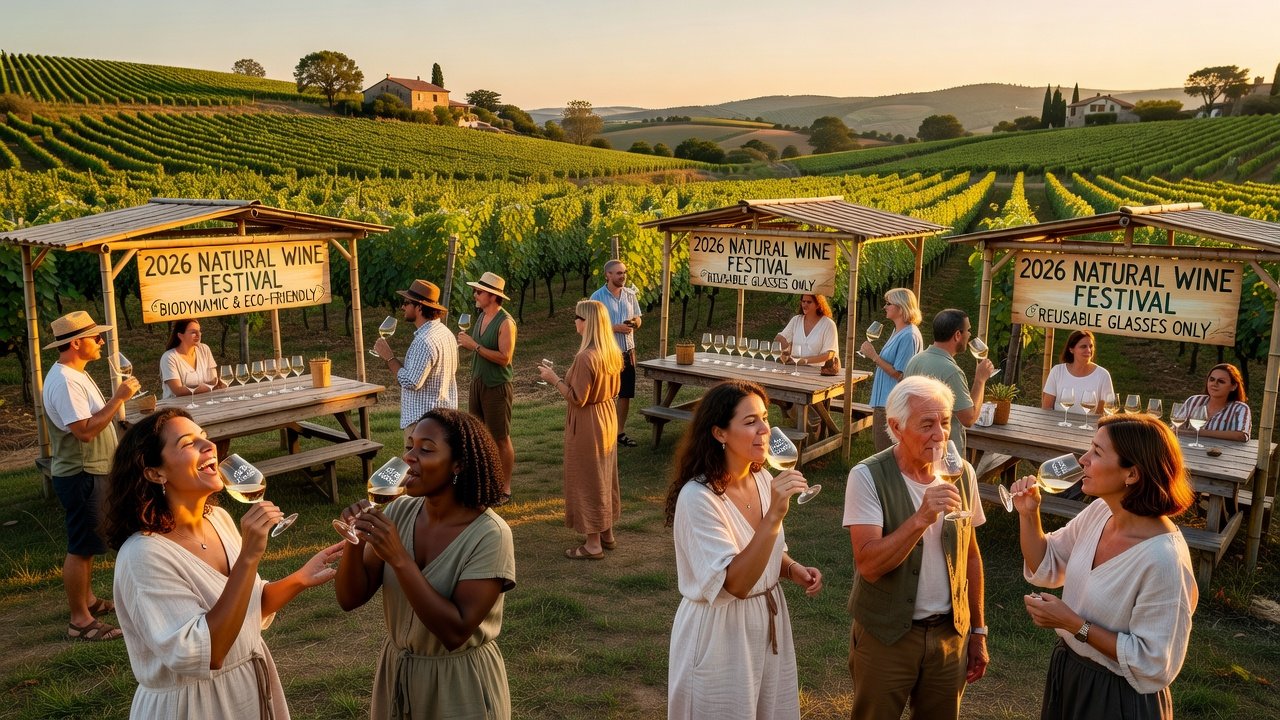
Introduction to 2026 Natural Wine Festivals
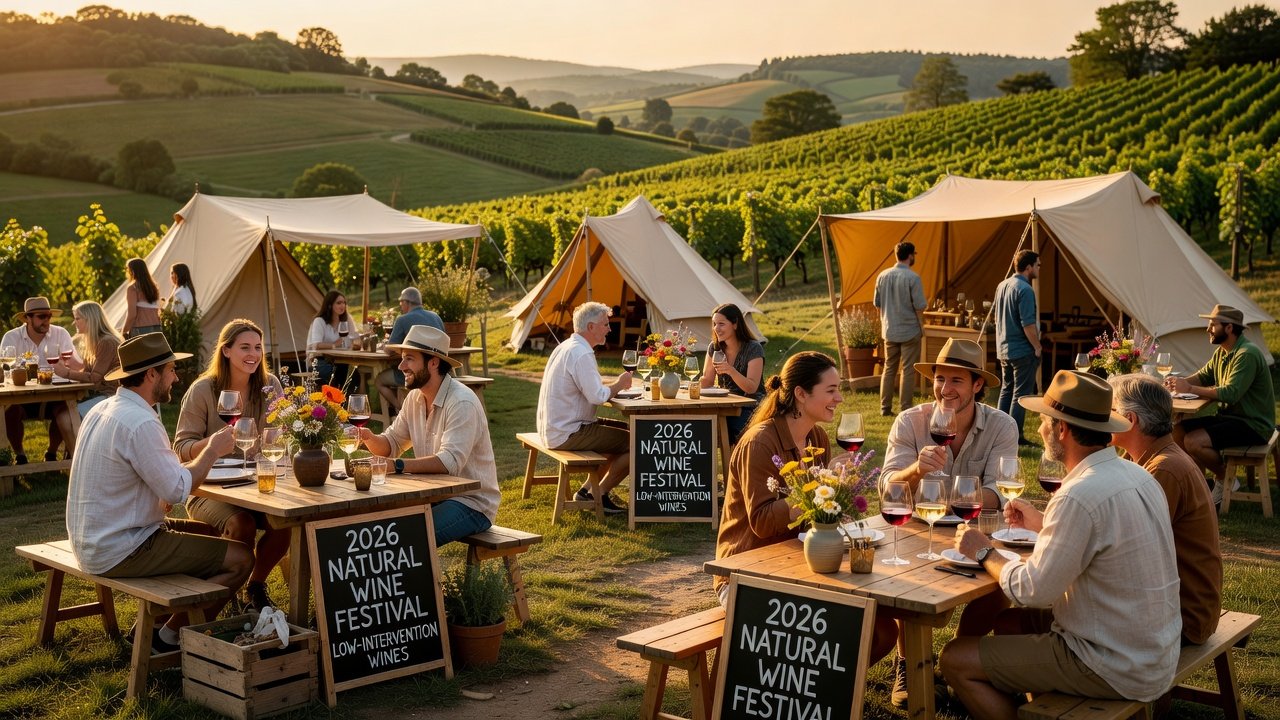
Natural wine festivals continue to grow in popularity as enthusiasts seek authentic, low-intervention experiences. Repeat attendees emphasize planning ahead to align events with personal interests like biodynamic tastings or producer spotlights. This guide draws from real experiences to help maximize value and enjoyment in 2026. With the natural wine movement expanding globally, festivals offer unique opportunities to taste from small producers, learn about sustainable practices, and connect with like-minded individuals across Europe and North America. Understanding the nuances of these events allows attendees to avoid common pitfalls and focus on meaningful discoveries rather than overwhelming crowds.
Understanding Key Trends for Natural Wine in 2026
Before selecting events, it helps to grasp emerging trends. Biodynamic farming continues to gain traction, with more festivals dedicating entire sections to certified estates that follow lunar cycles and holistic vineyard management. Low-intervention producers, who minimize additives and mechanical processes, often feature in spotlight tastings that highlight terroir-driven flavors. Repeat visitors note that 2026 events are incorporating more educational workshops on topics such as regenerative agriculture and climate adaptation in viticulture. These trends reflect broader industry shifts toward transparency and environmental responsibility, making festivals ideal venues for deepening knowledge beyond basic tasting.
Selecting the Right Festival for Your Interests
Choosing a festival starts with matching your preferences. Those focused on biodynamic practices should look for events highlighting certified producers, while low-intervention spotlights often feature minimal-additive winemakers. Research lineups early through official sites to identify standout tastings. Consider location, scale, and themes to avoid mismatched crowds. For instance, larger European gatherings may emphasize regional heritage, whereas North American festivals often blend urban accessibility with international guest producers. Practical advice includes reviewing past attendee reviews on forums and checking producer lists for familiar names or new discoveries. Matching interests ensures higher satisfaction, whether prioritizing rare orange wines or hands-on vineyard tours.
Advanced Booking and Budgeting Strategies
Secure tickets and accommodations months in advance, as popular European and North American events sell out quickly. Repeat visitors recommend comparing packages that include tastings and workshops. Focus on value by prioritizing multi-day passes over single entries, and factor in travel and local transport for overall savings. Create a detailed budget that accounts for unexpected expenses like shipping purchased bottles home. Networking opportunities arise at smaller, producer-led events. Approach tastings with prepared questions about winemaking methods to build meaningful connections. Many repeat attendees suggest joining festival mailing lists for early-bird access and insider updates on limited-capacity sessions.
Case Examples from Frequent Attendees
Attendee A, a European regular, shared how attending a biodynamic-focused festival in France led to discovering new producers through intimate seminars. This experience inspired ongoing subscriptions to small estates and improved personal cellar curation over several years. In North America, Attendee B highlighted a low-intervention event where pre-booked private tours enhanced the experience beyond general tastings, allowing direct conversations about fermentation techniques. Attendee C from Canada stressed sustainability by choosing festivals with eco-policies, resulting in reduced personal environmental impact and valuable contacts for future sourcing. Attendee D in Italy used post-event follow-ups to source rare bottles directly from makers met at the event, turning casual conversations into reliable supply channels for home collections.
Packing for Sustainability
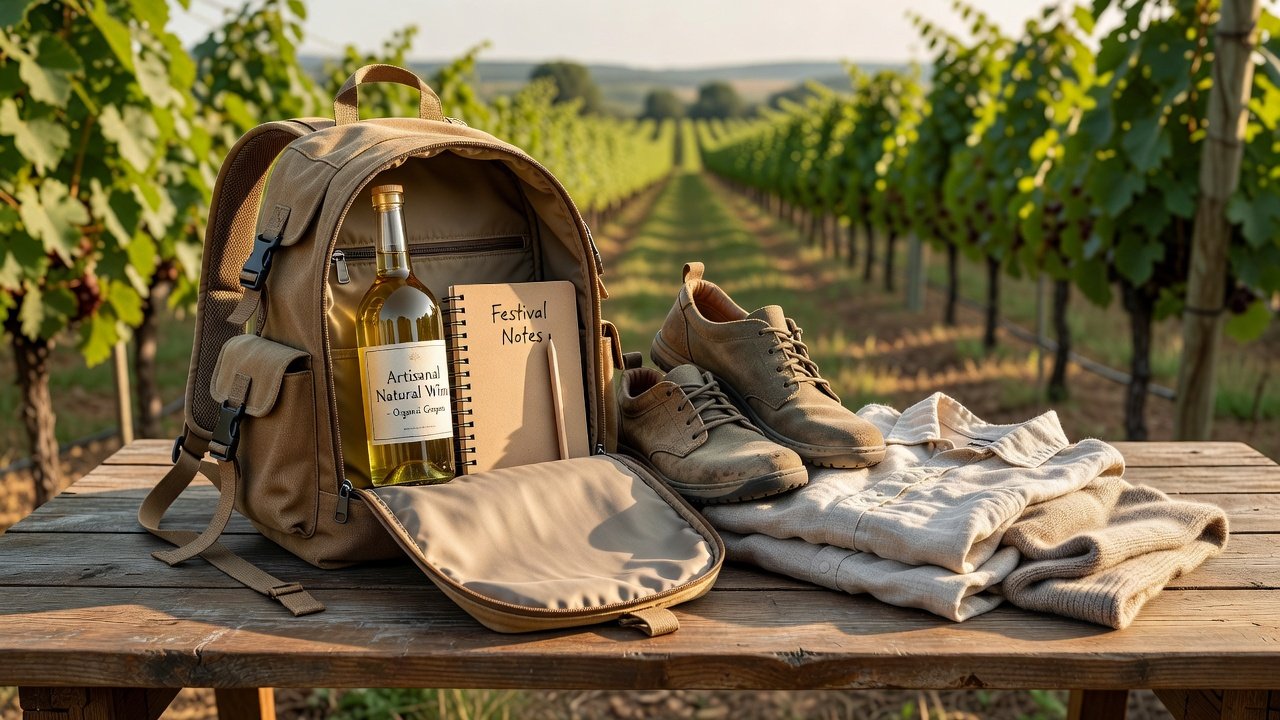
Pack reusable tasting glasses, eco-friendly notebooks, and lightweight clothing layers suitable for vineyard settings. Avoid single-use plastics to align with natural wine values. Include portable chargers and comfortable shoes for long days on foot. Additional items like a refillable water bottle and compact umbrella prepare attendees for variable weather while minimizing waste. Repeat visitors often carry a small tote for brochures and sample labels, ensuring everything can be reused or recycled. This approach not only supports festival ethos but also streamlines daily movement through busy venues.
Navigating Crowded Tastings Effectively
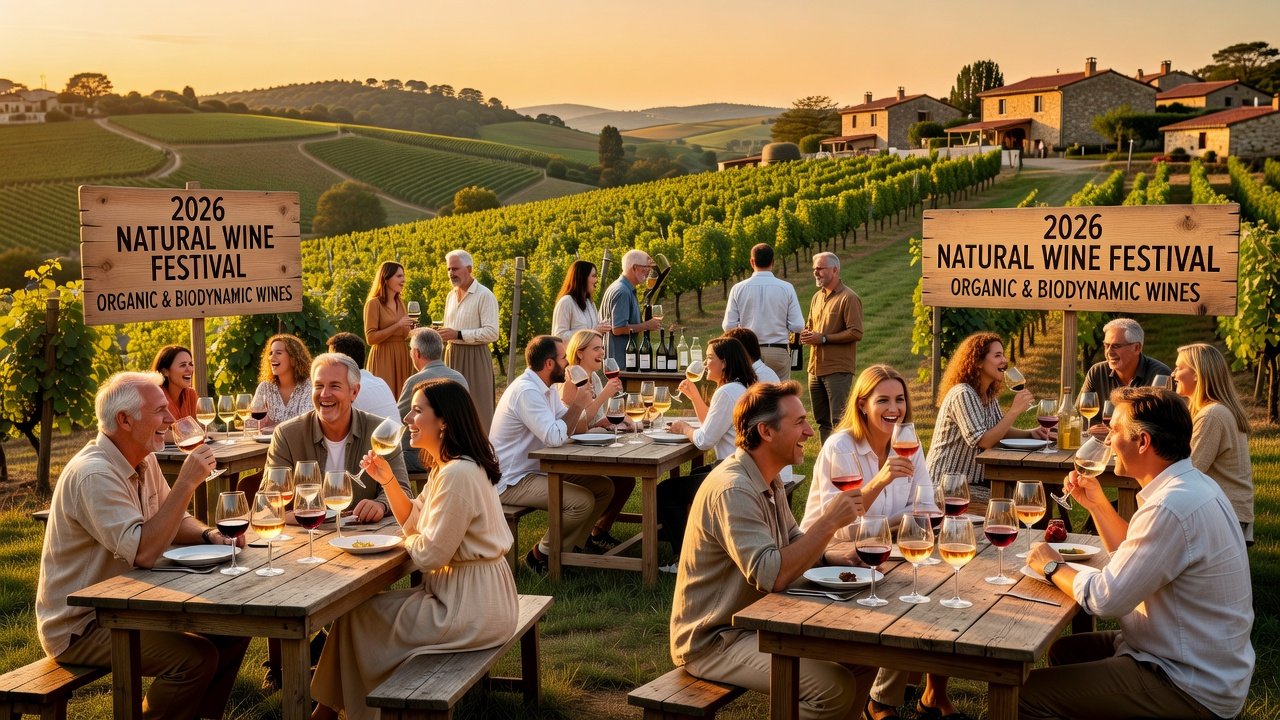
Arrive early for popular booths and use maps to plan routes. Engage politely with producers during quieter moments. Hydrate regularly and pace tastings to maintain focus throughout the day. Consider attending mid-week sessions if available, as weekends tend to draw larger crowds. Practical strategies include grouping similar-style wines together on your tasting card to compare notes efficiently and stepping away periodically to reset the palate with neutral snacks. These techniques help prevent fatigue and allow fuller appreciation of subtle flavor profiles unique to natural wines.
Networking Strategies at Festivals
Beyond tastings, festivals provide excellent networking venues. Prepare a brief introduction mentioning your specific interests in biodynamics or low-intervention methods. Exchange contact details thoughtfully and follow up within days of the event. Many attendees form lasting professional relationships that lead to private tastings or collaborative sourcing opportunities later. Avoid dominating conversations at busy counters; instead, listen actively and ask open-ended questions about challenges in natural winemaking.
Post-Event Follow-Up for Sourcing Bottles
After the festival, connect via email or social media with producers met on-site. Many offer direct shipping options for international attendees. Maintain notes from tastings to prioritize purchases and build ongoing relationships. Some repeat visitors organize group orders to share shipping costs and expand access to limited-production bottles. This follow-up phase often yields the greatest long-term value from festival attendance.
Health Considerations and Safety at Events
Moderation remains essential during extended tasting sessions. Consult World Health Organization resources on responsible alcohol consumption to set personal limits. Stay hydrated, eat balanced meals between tastings, and designate rest periods. Festivals increasingly provide wellness stations and non-alcoholic options for those pacing themselves carefully.
Virtual Alternatives and Hybrid Experiences
For those unable to travel, many festivals now offer virtual tasting kits and live-streamed sessions. These alternatives deliver educational content and producer interviews from the comfort of home. Hybrid models combine in-person highlights with online follow-ups, broadening access while preserving the core community feel of natural wine events. Check festival websites for details on upcoming virtual components.
Mistakes to Avoid When Planning
Common errors include overbooking sessions without allowing travel time between venues and neglecting to research producer backgrounds beforehand. Another frequent issue is underestimating crowd sizes at peak hours. Learning from repeat attendees helps sidestep these pitfalls and focus energy on high-value experiences.
Short FAQ on Health Considerations and Virtual Alternatives
- Health considerations: Moderation is key; consult World Health Organization guidelines on alcohol consumption before attending multiple events. Always have a designated driver or use public transport options.
- Virtual alternatives: Some festivals offer online tastings for those unable to travel, providing similar educational value from home through curated sample kits and interactive webinars.
- Accessibility: Check for accommodations such as seating areas and quiet zones if sensory overload is a concern during busy tastings.
Conclusion
With thoughtful preparation, 2026 natural wine festivals offer unmatched opportunities for discovery and connection. Apply these insider strategies to create memorable, value-driven experiences that extend well beyond the event dates themselves.
No comments yet. Be the first!