 Uncorked Conversations
Introduction to Natural Wine Festivals in 2026
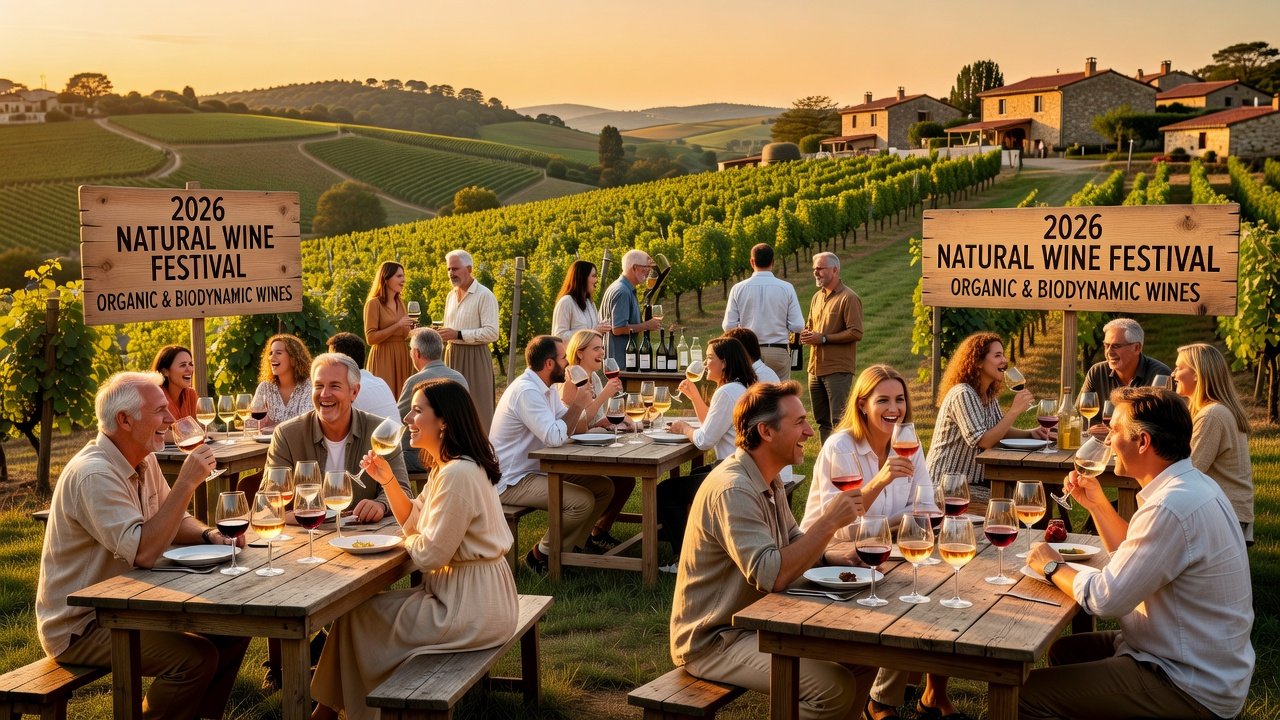
Natural wine festivals in 2026 continue to attract enthusiasts seeking authentic expressions of organic, biodynamic, and low-intervention wines. These events emphasize minimal additives and traditional methods, offering opportunities to engage deeply with producers from around the world. Attendees who approach these gatherings with structured tasting approaches can maintain sensory acuity across multiple samples while discovering standout bottles. The growing popularity stems from a broader interest in sustainable agriculture and transparent winemaking, making 2026 an ideal year to refine your festival skills. Whether you are a seasoned taster or planning your first multi-day event, preparation focused on palate health, informed pairings, and waste reduction will elevate the experience beyond simple attendance.
Step-by-Step Strategies for Preserving Palate Sensitivity
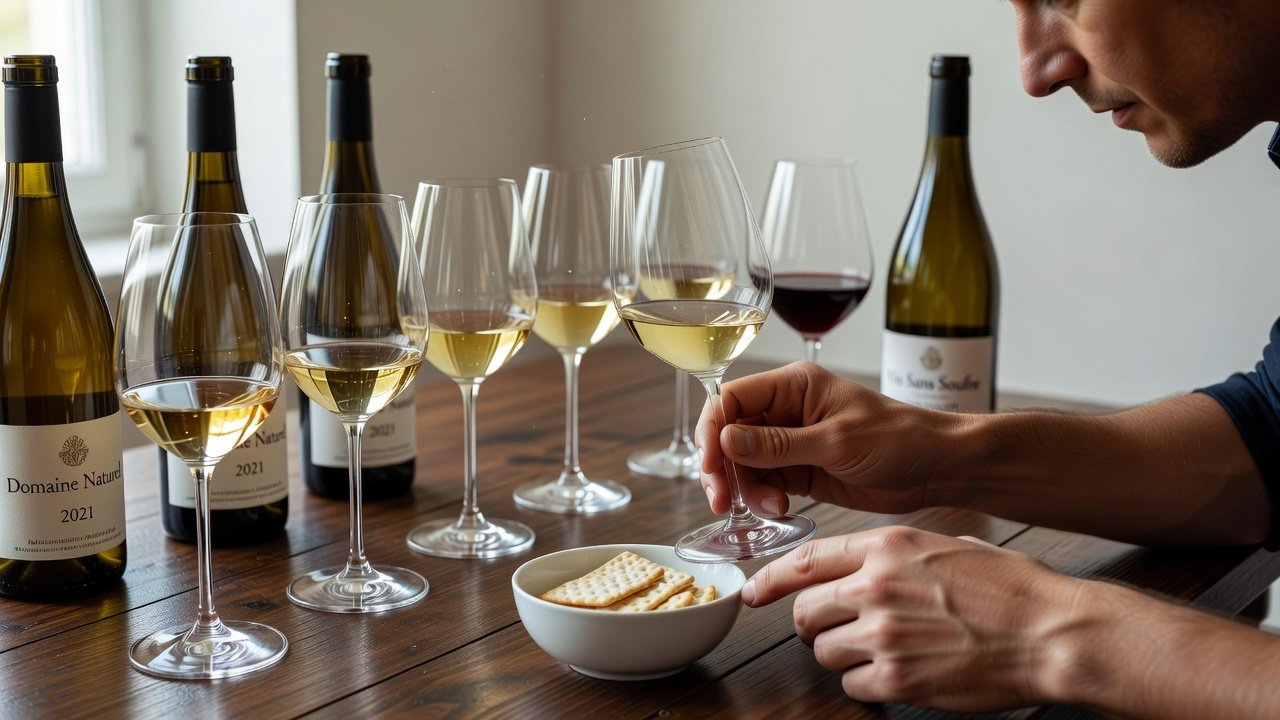
Navigating dozens of pours requires deliberate techniques that protect your senses throughout long tasting sessions. Begin by hydrating thoroughly the day before and spacing sips with plain water rinses between flights. Use the classic tasting sequence: observe color and clarity under natural light, inhale aromas in two stages starting from a distance then up close, sip and aerate gently, then note the finish length and any evolving flavors. Limit each tasting to small volumes no larger than a standard sip and reset your palate every five samples with plain crackers or neutral bread. Real attendee Maria Lopez, who visited multiple events across Italy and California in 2025, credits alternating between white and red flights with maintaining clarity through more than 40 tastings in a single day. Another strategy involves tracking your impressions in a small notebook or phone app immediately after each pour to avoid memory overload later in the session.
Practical Palate Reset Routine
- Start with sparkling or light whites to awaken senses without overwhelming them.
- Interleave mineral-driven wines with fruit-forward ones to avoid cumulative fatigue from similar profiles.
- End sessions with complex orange wines after a thorough cleansing to appreciate their unique texture.
- Incorporate short breaks every hour to step outside for fresh air and light stretching.
- Avoid strong perfumes or scented lotions on tasting days to prevent olfactory interference.
Comparing Festival Formats Across Europe and North America
European festivals often feature vineyard settings with walking tours between producers, fostering intimate conversations and direct access to the land. North American events tend toward urban venues with structured seminars, panel discussions, and larger crowds that allow for broader networking. For instance, Italian natural wine gatherings highlight regional terroir through on-site food pairings featuring local cheeses and cured meats, while U.S. festivals incorporate educational panels on biodynamic certification processes and soil regeneration. This contrast allows travelers to choose based on preference for immersive outdoor experiences versus structured indoor learning environments. In 2026, expect hybrid elements at some larger events that combine both formats for international attendees.
Pairing Natural Wines with Local Sustainable Foods
Successful pairings elevate both wine and cuisine when chosen thoughtfully. Match low-intervention reds with grass-fed meats or fermented vegetables available at European markets to highlight earthy undertones. In North America, focus on seasonal produce from nearby farms such as roasted root vegetables or fresh shellfish. Biodynamic wines pair exceptionally well with dishes using no-till grown ingredients, enhancing their natural acidity and fruit notes without overpowering the wine's purity. Consider timing your pairings around the wine's profile: crisp whites with lighter salads early in the day and fuller orange wines with heartier grain bowls in the afternoon. Attendees who experiment with these combinations often report deeper appreciation for both the wine and the supporting ingredients.
Identifying Quality Producers On-Site
Look for transparent labeling that lists all ingredients and farming practices in clear language. Engage producers directly about fermentation methods, sulfur usage levels, and harvest details to gauge authenticity. Quality indicators include small-batch production notes, soil health stories, and willingness to discuss challenges like weather impacts on the vintage. Avoid bottles with vague marketing language; instead, prioritize those with verifiable certifications from recognized bodies. Prepare questions in advance such as how the wine was filtered or whether any fining agents were used. These conversations often reveal the most reliable producers and lead to memorable discoveries that extend beyond the festival grounds.
Eco-Friendly Travel Hacks for Festival Attendees
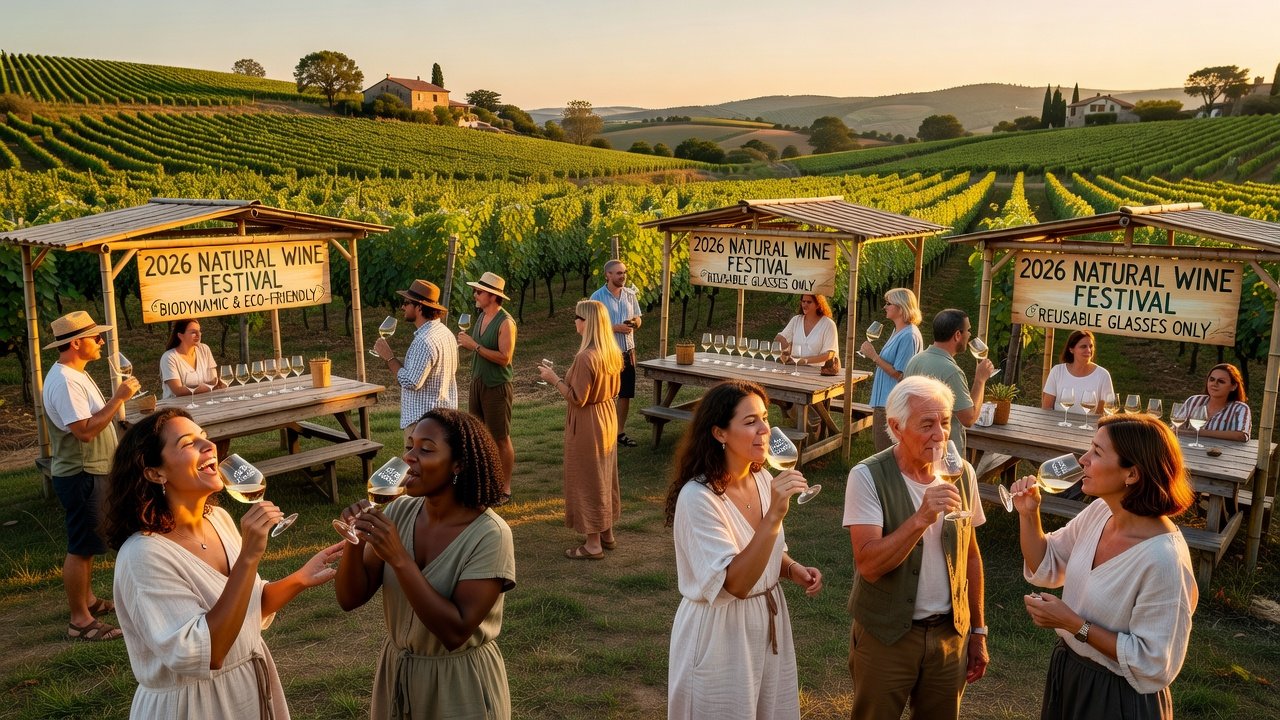
Reduce environmental impact by choosing train travel over flights where routes allow and packing reusable tasting glasses instead of relying on disposable options. Support carbon-offset programs through verified organizations and select accommodations with zero-waste policies and on-site composting. These choices align personal values with the sustainable ethos of natural wine events. Pack light clothing layers to minimize luggage weight and choose public transit or bike rentals for local movement between venues. For broader environmental guidance, consult official resources on sustainable practices and guidance from the Food and Agriculture Organization.
Minimizing Waste at Wine Festivals
Request smaller pours when possible and share tastes with companions to avoid unfinished glasses. Use digital notes instead of printed materials and recycle all packaging on-site through designated stations. Many festivals now provide composting for organic waste from food pairings, so separate items accordingly. Bring a collapsible tote for any purchased bottles and opt for producers who offer refillable or lightweight packaging. These small actions collectively reduce the overall footprint of large gatherings while modeling responsible behavior for other attendees.
FAQ: Common Questions on Natural Wine Festivals
How do I handle sulfur sensitivity?
Opt for wines labeled as no-added-sulfur and start with low-sulfite whites to test tolerance. Carry antihistamines if needed and note any reactions in a tasting journal for future reference. Consult health authorities like WHO guidelines on food additives for personalized advice before attending multiple events.
What should I look for when reading labels on-site?
Check for organic or biodynamic seals, producer contact information, and harvest year. Ask staff about intervention levels if details remain unclear after initial review.
Are festival formats changing in 2026?
Expect more hybrid virtual options alongside in-person events, with increased focus on regenerative agriculture education and interactive soil health demonstrations.
Can beginners participate effectively?
Yes, many festivals offer introductory sessions and color-coded tasting maps that simplify navigation for newcomers while still providing depth for experienced tasters.
Conclusion
Applying these expert strategies transforms festival attendance into meaningful engagement with natural wines. Focus on mindful tasting, sustainable choices, and producer connections to create lasting value from each 2026 event and return home with both new favorites and refined skills.
No comments yet. Be the first!