 Uncorked Conversations
Introduction to Natural Wine Sensory Games
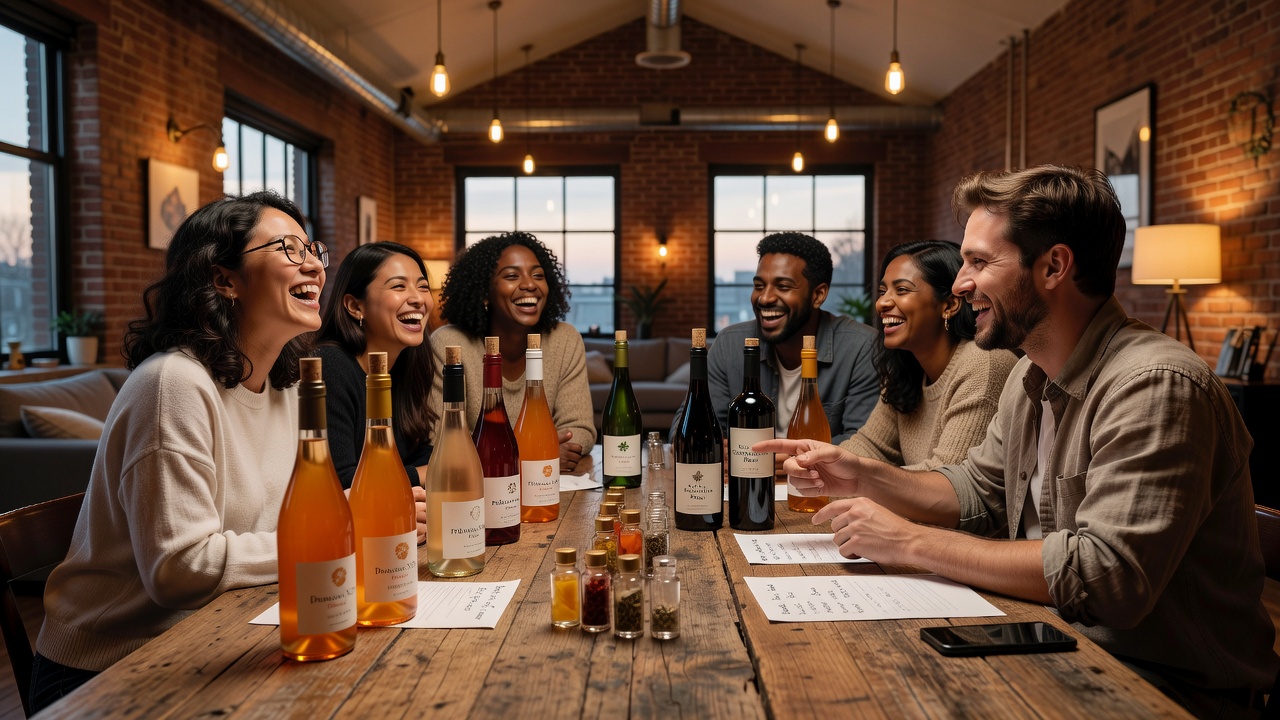
Natural wine enthusiasts in 2026 are turning traditional tastings into lively group experiences. These sensory games help participants sharpen their palates while celebrating the unique qualities of natural wine, organic wine, biodynamic wine, and low-intervention wine. Unlike formal events, these playful activities foster conversation and discovery in a social setting. The growing interest stems from a desire to move beyond passive sipping and engage actively with the unpredictable profiles that define minimal-intervention winemaking. Players learn to identify volatile compounds, texture variations, and regional nuances that set these wines apart from conventional bottles.
By focusing on aroma, flavor, and texture identification, players gain deeper appreciation for minimal-intervention winemaking. The games work equally well for small gatherings or larger parties, making them ideal for wine clubs, friends, or corporate team-building. In recent years, the format has evolved to include digital scoring apps and themed nights centered on specific vintages, reflecting broader trends in experiential learning.
Why Sensory Games Suit Natural Wines
Natural wines often display unpredictable aromas and textures due to spontaneous fermentation and lack of additives. This variability makes them perfect for blind identification challenges. Organic and biodynamic wines bring distinct earthiness, while low-intervention examples highlight purity of fruit. The absence of heavy filtration or added sulfites allows secondary aromas like barnyard or reduction to emerge, creating engaging discussion points during gameplay.
Compared to conventional wines, these styles reward careful observation. Games reveal how factors like skin contact or amphora aging affect the final pour, turning each bottle into an educational experience. Natural wine production methods emphasize biodiversity in the vineyard, which directly influences the sensory complexity participants encounter in each round.
Popular Game Formats for 2026
Blind Identification Challenges
One of the most engaging formats involves serving several natural wines without labels. Participants note color, aroma, and taste before guessing grape variety, region, or production method. This builds skills in recognizing signature traits of low-intervention winemaking. Rounds typically last 10 minutes per wine, with group discussion following each reveal to compare notes and learn from differing perceptions.
Aroma Matching Games
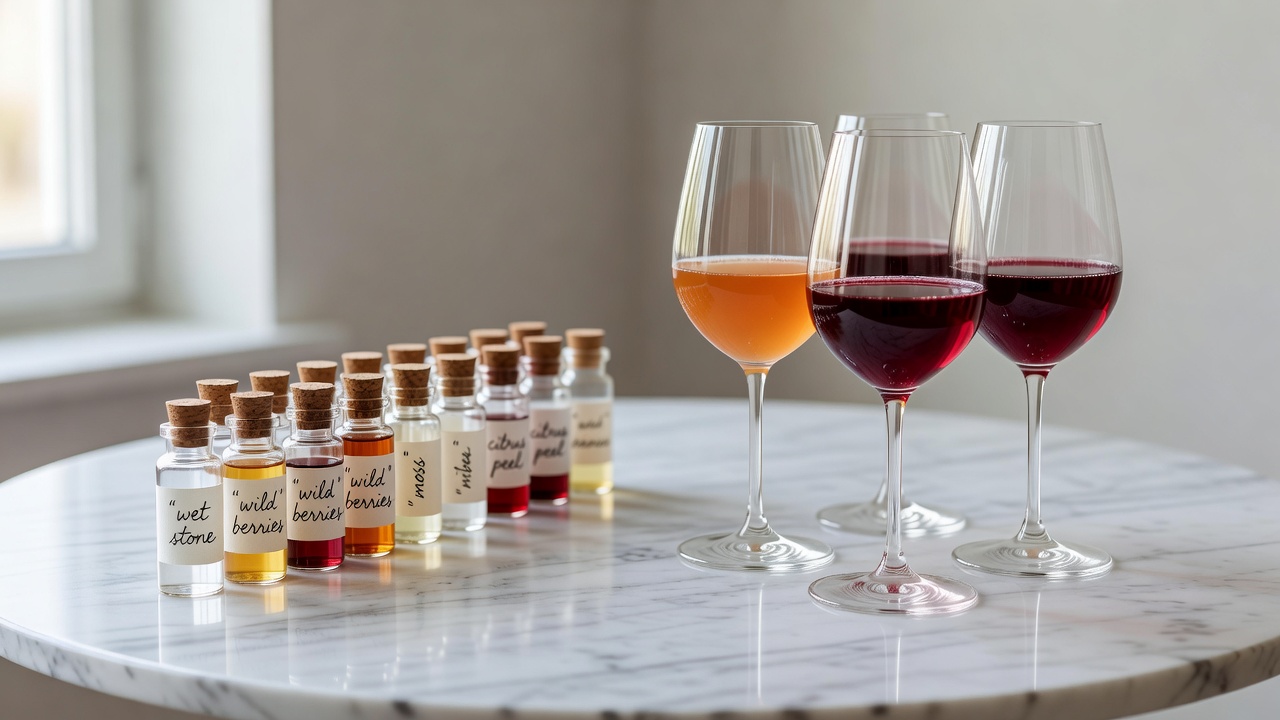
Players receive vials of common natural wine aromas such as wet stone, fermented berry, or herbal notes. They match these to the wines in their glasses, training the nose to detect subtle differences between organic and biodynamic expressions. This format is especially useful for groups new to the category because it isolates the olfactory component before full tasting begins.
- Prepare 8–10 aroma vials per round using essential oils diluted in neutral alcohol.
- Rotate wines every 15 minutes to maintain focus and prevent palate fatigue.
- Award points for correct matches and creative descriptions to encourage participation.
- Include a wild-card round where players invent their own aroma descriptors.
Texture and Mouthfeel Guessing
Another popular variant focuses on mouthfeel. Guests describe sensations such as tannin grip, acidity sparkle, or cloudiness levels without seeing the wine. This highlights how natural winemaking preserves elements often stripped in conventional production.
Step-by-Step Setup Instructions
Organizing a successful session requires minimal equipment. Start by selecting 4–6 bottles spanning natural wine styles from different regions. Chill whites and chill-light reds to appropriate serving temperatures around 12–14°C. Prepare tasting mats with numbered glasses and provide scorecards for notes. Assign roles: one person pours, another facilitates discussion. Keep sessions to 90 minutes to avoid palate fatigue. Always have water and plain crackers available between rounds. Consider lighting: dim ambient lights help focus attention on the wines rather than the surroundings.
For larger groups, divide into teams of four and run parallel stations. Document results on shared spreadsheets so everyone can review patterns afterward. Wine Institute resources offer additional guidance on responsible serving practices that align well with group tasting events.
Real-World Examples from 2026 Tastings
Groups across Europe and North America hosted successful events this year. One Los Angeles natural wine club ran a monthly aroma matching series that highlighted biodynamic orange wines. Participants reported improved ability to identify volatile acidity and skin-contact textures after just three sessions. In London, a low-intervention wine pop-up used blind identification to compare 2025 vintage pét-nats. The format encouraged lively debate about yeast strains and bottle conditioning methods. A Berlin collective organized a texture-focused game using amphora-aged reds, noting how clay vessels impart unique minerality detectable even by novices after guided prompts.
Comparisons Across Wine Styles
Natural wines with zero sulfur additions often show more variable aromas, making them exciting for identification games. Organic wines tend to offer cleaner fruit profiles that are easier for beginners. Biodynamic examples frequently display complex herbal and mineral notes that reward experienced players. Low-intervention wines bridge these categories, offering a balanced challenge level. When comparing performance, pét-nats excel in sparkle identification rounds while skin-contact whites dominate aroma complexity challenges.
Practical Hosting Tips and Mistakes to Avoid
Choose a neutral space free from strong cooking smells. Prepare extra glasses in case of breakage. Avoid overpouring; 30–40 ml per sample keeps everyone sharp. Common mistakes include selecting too many similar wines, which reduces differentiation, or failing to explain rules clearly at the start. Another pitfall is neglecting dietary restrictions; always confirm if anyone avoids alcohol entirely before finalizing the list.
Accessibility and Wine Selection FAQ
How accessible are these games for beginners?
Start with familiar grape varieties and progress to obscure natural wine styles. Provide simple tasting sheets with prompts rather than technical jargon. Encourage descriptive language over precise terminology to build confidence quickly.
What wines work best?
Choose bottles from small producers who practice minimal intervention. Mix still and sparkling options to keep rounds dynamic. Aim for a price range that feels inclusive without compromising quality.
Can non-drinkers participate?
Yes. Offer non-alcoholic fermented beverages or grape juices with similar aroma profiles so everyone can join the sensory experience. Many hosts now include a parallel non-alcoholic flight to maintain equity.
How do you handle different group sizes?
For groups under six, run one shared flight. For larger parties, create multiple stations with duplicated setups so everyone rotates through the same wines.
Conclusion
2026 natural wine sensory games transform tasting into an interactive adventure. By combining blind challenges, aroma matching, and thoughtful comparisons, groups build lasting skills while enjoying the vibrant world of organic, biodynamic, and low-intervention wines. Host your first session soon and watch appreciation grow with every pour. These activities also promote mindful consumption and support small producers dedicated to sustainable practices.

No comments yet. Be the first!