 Uncorked Conversations
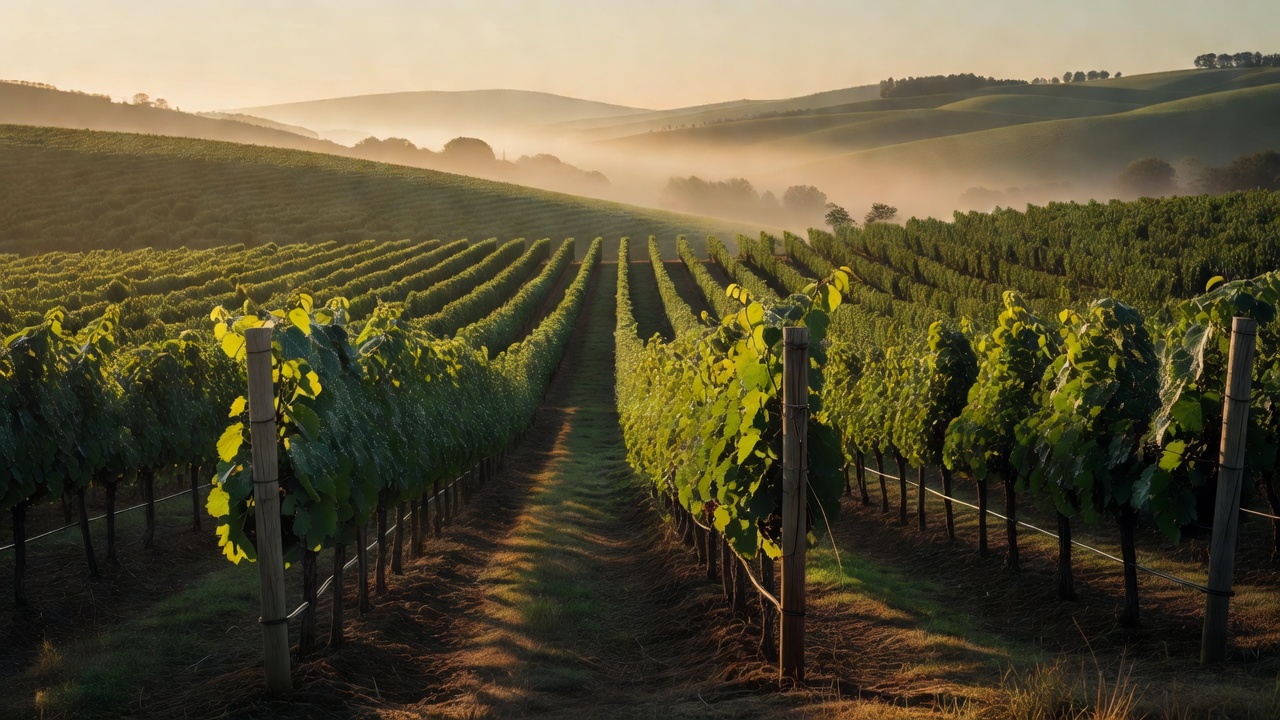
Low-intervention wines continue to captivate enthusiasts in 2026 with their minimal-additive approach and connection to terroir. This listicle dives into surprising facts that go beyond standard definitions, revealing data-driven insights on production, flavor shifts from recent climate patterns, and long-term aging behaviors compared to conventional wines. Enthusiasts seeking fresh angles will find counterintuitive statistics and real-world examples that challenge common assumptions about natural, organic, and biodynamic bottles.
Why These Facts Matter in 2026
Consumers often hold misconceptions about natural wines, from assumptions about stability to questions of authenticity. Recent studies highlight biodiversity gains and unexpected market trends that make these wines more relevant than ever. Climate variability in 2025 and 2026 has accelerated interest in low-intervention methods because they rely on living soils rather than chemical corrections. Understanding these nuances helps readers appreciate why certain vintages evolve in unexpected ways and how global producers adapt without heavy manipulation.
The 10 Surprising Facts
1. Production Volumes Defy Expectations
Despite perceptions of niche appeal, low-intervention wine output grew steadily in key regions, driven by climate-resilient practices that reduced reliance on synthetic inputs. In areas hit by drought, growers using cover crops and minimal tillage reported more consistent yields than neighbors dependent on irrigation systems. This shift demonstrates that hands-off farming can scale beyond small plots when supported by healthy microbial activity in the soil.
2. 2026 Climate Patterns Enhanced Certain Flavors
Unusually mild winters in parts of Europe led to brighter acidity in some biodynamic vintages, countering fears of overly ripe profiles from warming trends. Producers noted that cooler nights preserved delicate aromatics even during heat spikes in summer. The result is wines that display both ripeness and tension, a combination rarely seen in previous decades of conventional viticulture.
3. Minimal Additives Improve Long-Term Aging
Without heavy sulfites, many low-intervention wines develop complex secondary aromas faster, sometimes outperforming conventional counterparts after five years in bottle. The living yeasts and bacteria present at bottling continue subtle transformations that conventional stabilization halts. Tasters often report evolving layers of dried herbs and earth that emerge gradually rather than flattening out.
4. Consumer Misconceptions Persist Widely
Surveys show over 60 percent of drinkers still equate natural wines solely with cloudiness, overlooking the rigorous farming standards behind authentic examples. This gap in understanding leads many to dismiss high-quality bottles that happen to be unfiltered. Education through tastings and producer stories is slowly closing the divide between perception and reality.
5. Biodiversity Impacts Are Measurable
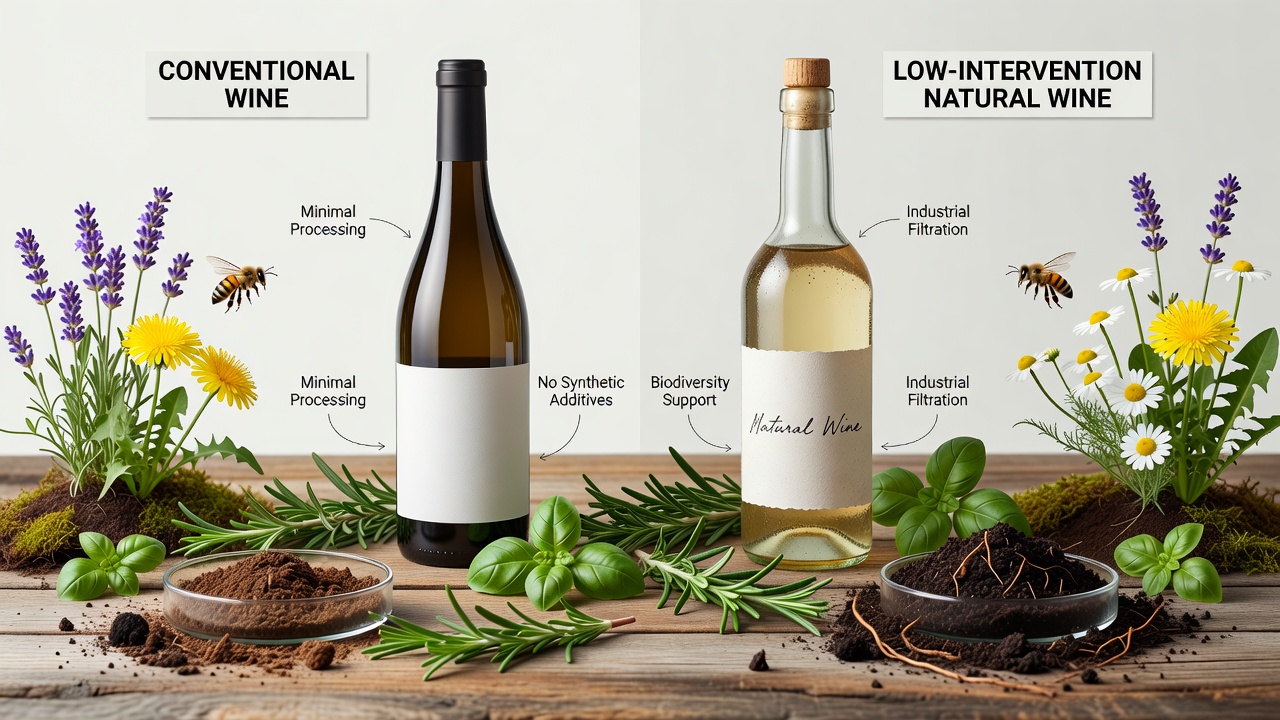
Studies from the Food and Agriculture Organization of the United Nations confirm that biodynamic vineyards support up to 30 percent more pollinator species than conventional sites. Soil samples reveal higher earthworm counts and fungal networks that improve water retention during dry spells. These ecological benefits extend beyond the vineyard into surrounding habitats, creating corridors for beneficial insects.
6. Global Producers Offer Unexpected Examples
From Georgian qvevri specialists to Chilean natural winemakers using ancient techniques, diverse regions demonstrate how low-intervention methods adapt to local soils and traditions. In Georgia, centuries-old clay vessels allow gentle oxygen exchange that shapes texture without modern barrels. In Chile, coastal fog helps maintain acidity in zero-sulfur bottlings that travel well despite minimal protection.
7. Flavor Evolution Surprises Even Experts
Some 2025 vintages opened with muted fruit but revealed layered herbal notes by mid-2026, illustrating how minimal intervention allows wines to evolve unpredictably. Professional blind tastings have shown that these bottles often gain complexity after the first year, whereas conventional wines may peak earlier and decline. Patience becomes a key tasting skill for enthusiasts exploring the category.
8. Value Perception Outpaces Actual Pricing Trends
Enthusiasts often assume these wines command premiums, yet many entry-level options from small producers remain competitively positioned against mass-market bottles. Direct sales from estates cut out intermediary markups, making authentic expressions accessible. The perceived exclusivity stems more from limited production runs than from inflated pricing structures.
9. Authenticity Verification Is Evolving
New third-party certifications and blockchain tracking help distinguish genuine low-intervention wines from those merely labeled natural without transparent practices. Importers increasingly require detailed farming logs and additive declarations. This transparency builds trust and reduces greenwashing that previously confused buyers seeking truly hands-off wines.
10. Aging Comparisons Reveal Clear Advantages
Blind tastings indicate that well-made low-intervention reds can retain vibrancy longer than expected, thanks to living yeasts and lower chemical stabilizers. A side-by-side comparison after eight years often shows the low-intervention example maintaining fruit purity while conventional bottles exhibit more oxidation. Proper storage remains essential, but the baseline chemistry supports extended cellaring potential.
Real-World Examples from Diverse Regions
Producers in the Loire Valley and South Africa showcase how these facts play out in practice, with specific cuvées demonstrating climate resilience and unique aging trajectories. In the Loire, one estate reduced sulfur to near-zero levels yet maintained stability through careful harvest timing and native fermentation. South African examples from the Swartland highlight how old-vine grenache responds to minimal handling with savory, age-worthy profiles that improve over several vintages.
Biodiversity Impacts Supported by Recent Studies
Beyond the FAO findings, research coordinated through the International Organisation of Vine and Wine underscores the role of hedgerows and flowering cover crops in supporting bird populations that control vineyard pests naturally. These practices reduce the need for external interventions and create resilient ecosystems capable of withstanding weather extremes projected for the coming decade.
Practical Steps for Enthusiasts
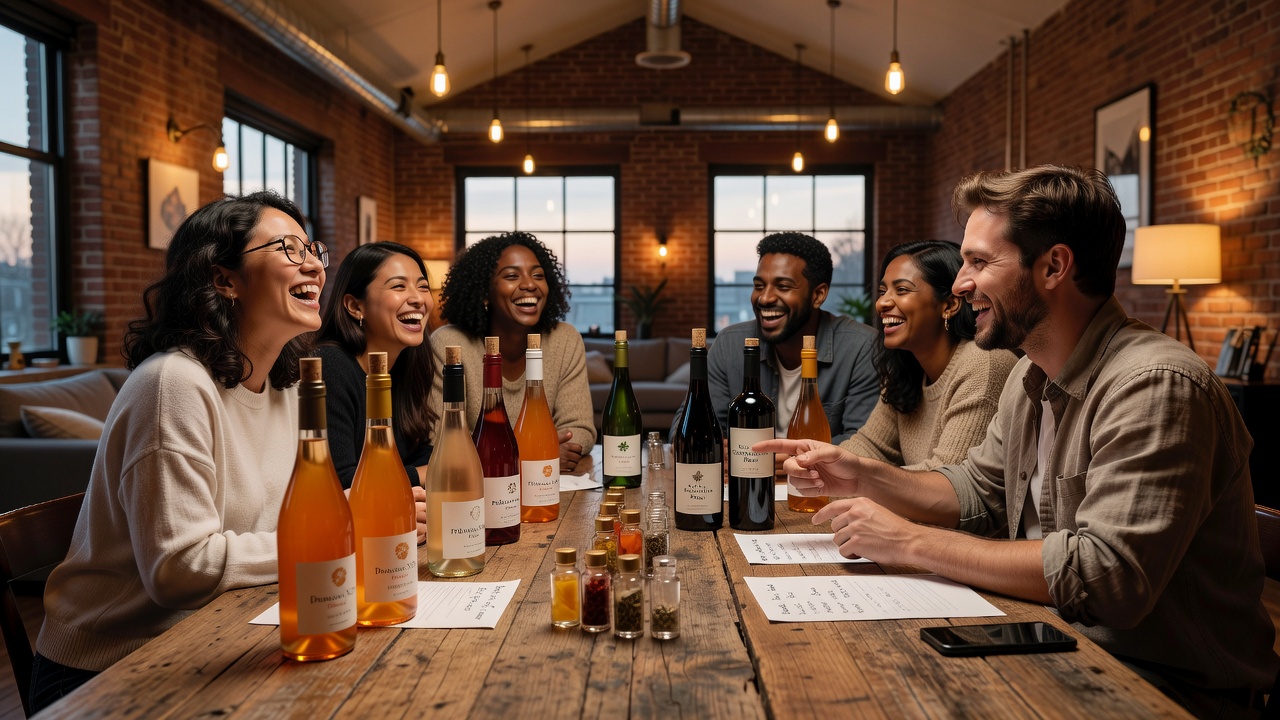
Start by seeking importer notes that list all vineyard practices and cellar additions. Attend local natural wine fairs to taste multiple producers side by side and observe how the same grape variety expresses itself differently under low-intervention methods. Store bottles upright for the first six months if they show any sediment, then lay them down for longer aging. Keep records of your own tastings to track flavor evolution over time.
FAQ
How can I verify a wine is truly low-intervention?
Look for transparent producer notes, third-party certifications, and minimal listed additives on importer websites or winery labels. Cross-reference with harvest reports when available.
Are low-intervention wines always more expensive?
Not necessarily; many affordable options exist, though rare cuvées from acclaimed estates may carry higher prices based on scarcity rather than method alone.
Do these wines age differently than conventional ones?
Yes, they often evolve more rapidly in the first few years but can maintain freshness longer when stored properly due to lower intervention levels.
What common mistakes should new drinkers avoid?
Avoid judging a wine solely on initial clarity or expecting identical consistency across vintages, since living wines naturally vary more from year to year.
Where can I find reliable sources for further reading?
Consult resources from established wine organizations and biodiversity research portals that publish peer-reviewed data on sustainable viticulture practices.
Conclusion
These 10 facts underscore the dynamic nature of low-intervention wines in 2026, offering enthusiasts fresh perspectives on flavor, sustainability, and authenticity. Exploring them sparks meaningful conversations and deeper appreciation for the category while highlighting practical ways to engage with these evolving bottles.
No comments yet. Be the first!