 Uncorked Conversations
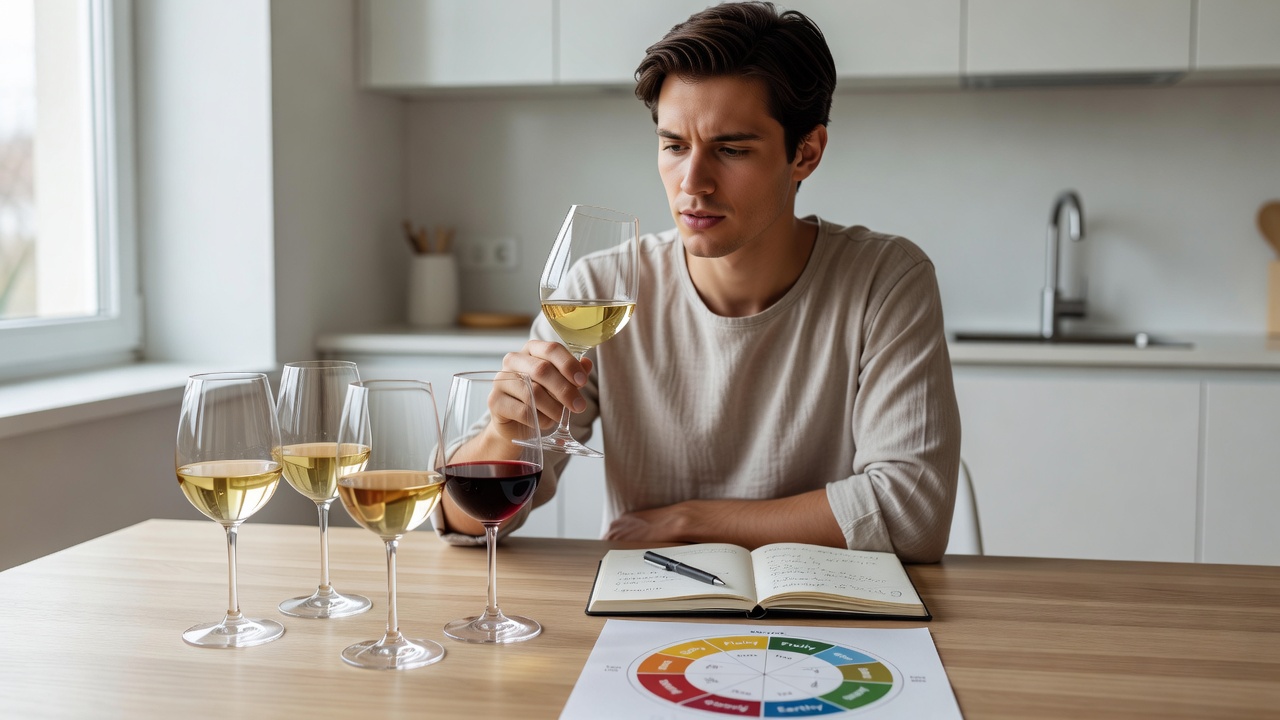
Introduction to Building Your Wine Palate
Developing a refined palate is one of the most rewarding skills for any wine enthusiast. This 30-day plan provides structured daily exercises to help beginners identify aromas, map flavors, and maintain consistent notes. By progressing methodically from crisp whites to structured reds, you will build confidence and precision in tasting. The program emphasizes repetition, mindful observation, and simple tools like a basic journal. Over four weeks, participants typically notice sharper aroma recall and better ability to distinguish subtle differences between similar wines. Whether you are new to wine or looking to move beyond casual enjoyment, this structured approach turns everyday sipping into deliberate skill-building that pays dividends for years.
Many beginners start with enthusiasm but lack direction, leading to scattered progress. This plan addresses that by breaking the process into manageable daily tasks focused on three core skills: aroma identification, flavor mapping on the palate, and systematic note-taking. Each week introduces new elements while reinforcing previous ones, creating a cumulative learning curve that feels achievable rather than overwhelming.
Setting Up Your Home Tasting Station
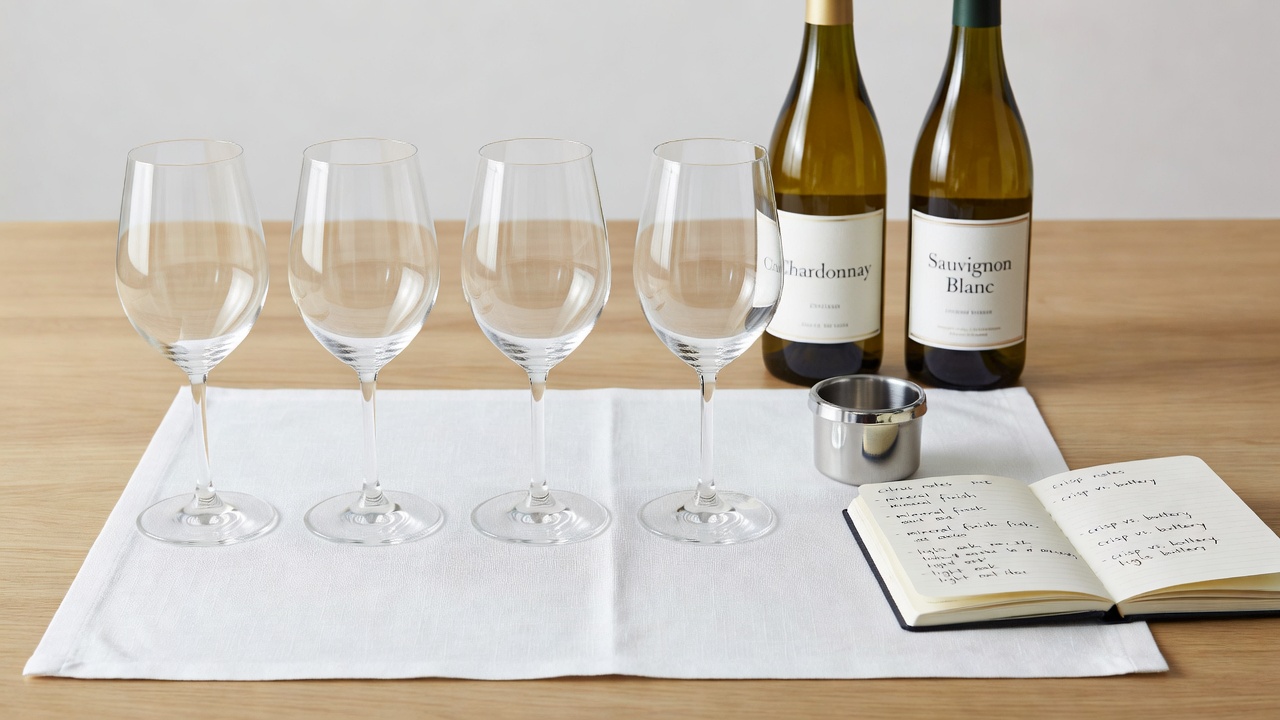
Choose a quiet, well-lit space with a neutral table surface free from strong cooking odors or competing scents. Gather ISO-standard tasting glasses, a white background for color assessment, and a spittoon or sink for rinsing. Keep room temperature between 18–20°C to avoid distorting aromas. A small notebook or digital app for recording impressions completes the setup. Add a timer to control session length and a small plate of plain crackers or bread to cleanse the palate between samples. Position a good light source overhead so you can accurately judge color and clarity without shadows interfering with visual analysis.
Sourcing Affordable Practice Wines
Select widely available bottles that represent clear varietal character. Focus on single-varietal examples first: Sauvignon Blanc, Chardonnay, Pinot Noir, and Cabernet Sauvignon. Rotate producers each week to introduce new aromatic profiles without overwhelming the budget. Look for wines from well-known regions such as Marlborough for Sauvignon Blanc or California for Chardonnay to ensure consistent quality at accessible price points. Avoid heavily oaked or blended wines during the first two weeks so you can isolate primary fruit and floral notes more easily. Keep a running list of bottles tried so you can revisit favorites later in the program when comparing regions or vintages.
The 30-Day Palate Training Plan
Week 1: Aroma Foundations with Whites
Days 1–3 focus on two different Sauvignon Blancs each day. Swirl the glass gently for 10 seconds, then take three short sniffs before writing down at least five specific aroma descriptors such as grapefruit, cut grass, or passionfruit. Days 4–7 introduce unoaked and lightly oaked Chardonnay. Compare how vanilla and toast notes emerge against citrus and apple fruit. Daily goal: record intensity on a 1–5 scale and note how aromas evolve after five minutes of breathing. By the end of the week, most participants can reliably separate citrus, tropical, and herbal categories.
Week 2: Flavor Mapping and Texture
Shift emphasis to mouthfeel while continuing aroma drills. Note acidity levels, residual sweetness, and body weight on a simple grid. Include one sparkling wine mid-week to explore how bubbles affect perceived sweetness and length. Practice mapping flavors across the tongue: tip for sweetness, sides for acidity, and back for bitterness or tannin. Repeat the same two wines on consecutive days to test consistency of your descriptions. This repetition builds muscle memory for the palate and improves recall during later blind tastings.
Week 3: Transition to Light Reds
Begin with Pinot Noir and Gamay. Practice separating red-fruit aromas such as strawberry and cherry from earthy undertones like mushroom or forest floor. Introduce blind pairing of two similar wines to test differentiation skills. Spend extra time on color observation, noting how lighter reds show brick-red rims when tilted. Keep sessions to four wines maximum to prevent fatigue. By mid-week, add a simple exercise: rank three wines by perceived acidity without looking at labels, then verify your ranking against technical data on the bottle back label.
Week 4: Complex Reds and Integration
Work with Cabernet Sauvignon and Syrah. Combine all prior skills: aroma identification, flavor mapping, and structured note-taking. End the week with a comparative tasting of three wines from different regions, such as Bordeaux, Napa Valley, and Australia. Focus on how oak, tannin, and alcohol interact with fruit. Create a final summary page in your journal that lists your top three discoveries of the month and one area still needing improvement.
Tracking Progress with a Tasting Journal
Each entry should include date, wine name, vintage, visual observations, aroma wheel references, palate descriptors, and an overall score out of 100. Use a consistent template: appearance, nose, palate, finish, and conclusion. Review entries every Sunday to identify patterns and recurring blind spots. For example, if you consistently under-rate acidity in whites, dedicate extra time the following week to high-acid examples like Riesling or Vermentino. Digital apps can help, but handwriting forces slower, more deliberate observation that improves retention.
Weekly Milestones and Benchmarks
- Week 1: Identify 10 unique aromas across whites with repeatable accuracy.
- Week 2: Distinguish oak versus fruit-driven styles with 80 percent accuracy in side-by-side comparisons.
- Week 3: Correctly rank acidity levels in three reds and describe texture differences.
- Week 4: Produce consistent notes that match professional descriptions on at least two wines from different regions.
Common Pitfalls to Avoid
Many beginners rush through swirling or fail to rest between samples, leading to olfactory fatigue after the third wine. Another frequent error is using overly vague terms instead of specific references such as “blackcurrant” rather than “dark fruit.” Over-reliance on the label before tasting also skews perception. To counter this, taste first, write notes, then check the label. Finally, avoid tasting when congested or after eating strong flavors like garlic or coffee, as these dull sensitivity for hours afterward.
Pro Tips for Consistent Progress
Practice in the morning when senses are sharpest and distractions are minimal. Limit sessions to four wines maximum and always use the same glass type. Cross-reference notes with resources from Wine Folly and explore structured courses at WSET Global. Consider joining a local tasting group for external feedback once you complete the first cycle. Revisit the same wines after two weeks to measure how your descriptions have evolved with experience.
Frequently Asked Questions
How do I handle palate fatigue?
Take breaks, drink water, and eat plain crackers between flights. Limit daily sessions to 45 minutes and never taste more than four wines in one sitting during the training period.
What resources support continued learning?
Books such as “The Wine Bible” and apps with aroma databases provide ongoing reference material. Professional bodies like the Institute of Masters of Wine offer reading lists and exam-style exercises for deeper study.
Can I repeat the plan?
Yes. Many enthusiasts cycle through the 30 days multiple times with different grape varieties or regions to deepen expertise without losing the foundational structure.
Is it necessary to spit during practice?
Spitting is recommended once you exceed two or three wines, especially later in the program when alcohol levels rise with red wines. It preserves clarity for later samples.
How long before I notice real improvement?
Most beginners report noticeable gains in aroma vocabulary and consistency by day 14, with more dramatic differentiation skills appearing in the final ten days of the plan.
Conclusion
This 30-day palate training plan transforms casual sipping into deliberate skill-building. With disciplined practice, clear milestones, and reflective journaling, beginners develop lasting tasting acuity that enhances every future glass of wine. The structured progression from whites to reds, combined with daily exercises in aroma and texture, creates measurable improvement that continues long after the initial month ends.
No comments yet. Be the first!