 Uncorked Conversations
Introduction to Wine 101: Single Varietal vs Blended Wines
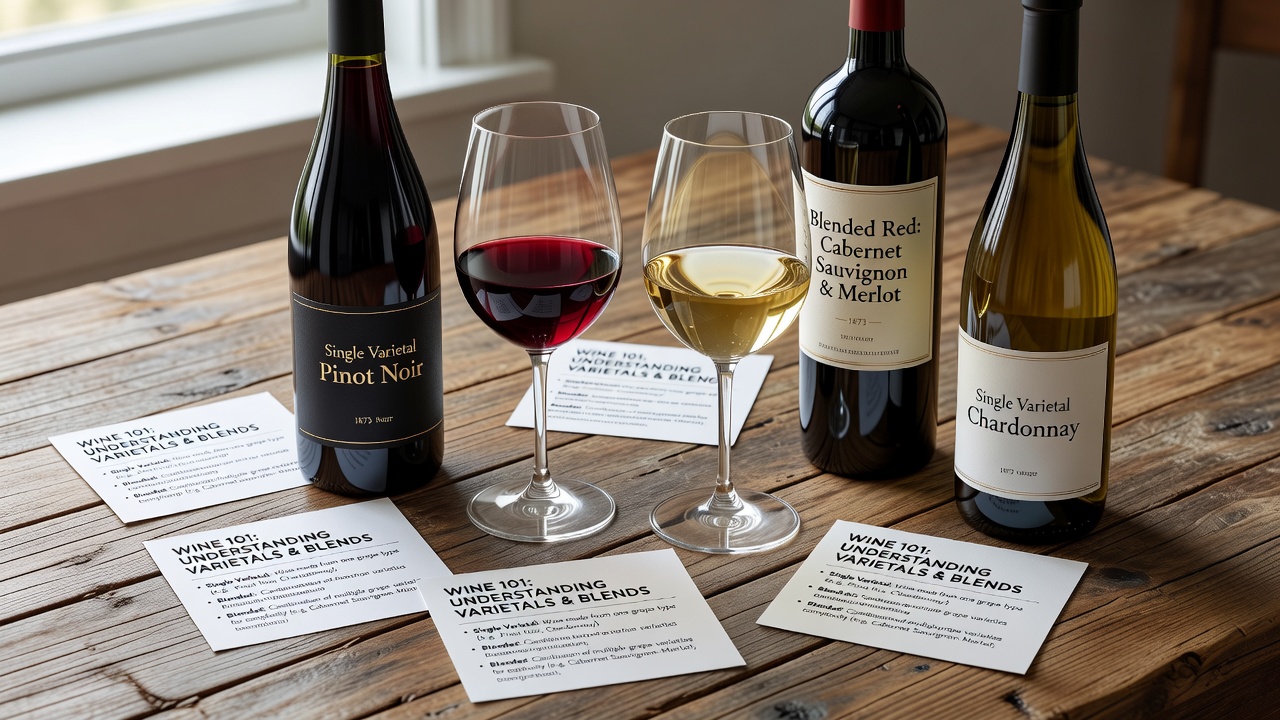
Welcome to the world of wine! If you're new to exploring bottles, understanding single varietal versus blended wines is a foundational step. This wine guide breaks down the essentials in an approachable way, helping absolute beginners build confidence when choosing their next pour. Whether you're shopping for a casual dinner or planning a tasting party, knowing these styles opens up better decisions and more enjoyment. Wine has been enjoyed for thousands of years, and the choice between focusing on one grape or combining several reflects both tradition and innovation in winemaking. Single varietal wines come from one grape type, while blends combine multiple grapes for balanced flavors. Both styles have passionate fans, and winemakers select them based on tradition, climate, and creative goals. Let's dive deeper into definitions, differences, and how to taste them yourself.
Defining Single Varietal Wines
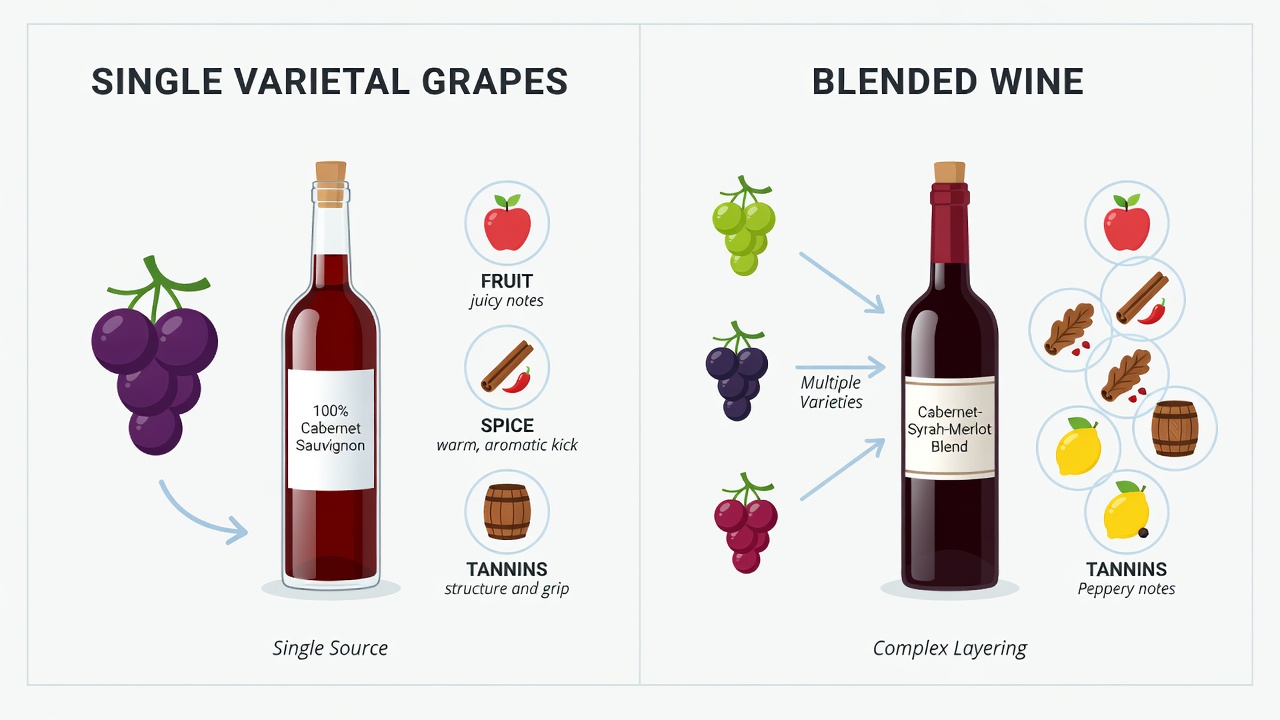
A single varietal wine is made primarily from one grape variety, often with at least 75-85% of that grape depending on regional laws. This style highlights the pure character of the grape, such as the bright acidity of Sauvignon Blanc or the bold tannins of Cabernet Sauvignon. Winemakers aim to showcase terroir—the unique soil, climate, and vineyard conditions—without heavy influence from other grapes. In many regions, regulations strictly control what percentage qualifies a wine as single varietal, ensuring transparency for consumers. For instance, in the United States, the rule requires at least 75% of the named variety, while some European appellations demand even higher thresholds. This purity allows enthusiasts to learn the signature traits of grapes like the peppery notes in Syrah or the citrus zest in Chenin Blanc.
Popular Single Varietal Examples by Region
France's Burgundy region produces world-class Pinot Noir single varietals that express earthy cherry notes and delicate earthiness. In California, Chardonnay single varietals often feature creamy oak influences from aging in barrels, creating rich textures. Italy's Tuscany is famous for Sangiovese-driven wines that deliver vibrant red fruit and herbal hints. Moving further afield, New Zealand's Marlborough area excels with crisp Sauvignon Blanc single varietals known for gooseberry and tropical aromas. South Africa's Stellenbosch region offers powerful single varietal Cabernet Sauvignons with blackcurrant depth. These examples demonstrate how a single grape can shine across diverse climates and soils, giving beginners clear benchmarks for comparison.
Understanding Blended Wines
Blended wines mix two or more grape varieties to create complexity and balance. A classic example is Bordeaux-style blends, which combine Cabernet Sauvignon with Merlot and other grapes for structure and softness. Winemakers choose blending to fix imbalances—like adding acidity to a low-acid vintage—or to craft signature house styles passed down through generations. Blends often deliver layered aromas and smoother textures that appeal to beginners seeking approachable flavors. Regions like the Rhône Valley in France excel at Syrah-Grenache blends with spicy, fruity profiles. In Spain, Rioja blends Tempranillo with Graciano and other grapes for aging potential. The art of blending dates back centuries, allowing vintners to adapt to varying weather conditions year after year.
Blends also provide opportunities for creativity, such as incorporating rare or local grapes that might not stand alone. This flexibility makes them popular in emerging wine regions where experimentation helps define new styles.
Flavor Profile Differences
Single varietals tend to offer focused, distinctive tastes tied directly to the grape. A Riesling might burst with lime and floral notes, while a Malbec delivers dark plum and velvety mouthfeel. Blends, by contrast, create harmony: one grape might add fruitiness while another contributes spice or structure, resulting in wines that evolve on the palate. These differences affect food pairing too. Crisp single varietals like Sauvignon Blanc pair beautifully with seafood, whereas fuller blends complement roasted meats or aged cheeses. Over time, tasting both styles side by side helps novices develop a more nuanced palate and recognize how blending can soften edges or amplify certain characteristics.
Why Winemakers Choose Each Style
Single varietals allow expression of a grape's unique traits and regional identity, often commanding attention in markets that value purity. Blends provide flexibility in challenging harvests and enable creative innovation. Both approaches have deep historical roots, from ancient Roman practices to modern sustainable vineyards. Climate change is prompting more blending in some areas to maintain consistency, while purists continue championing single varietals to preserve heritage. For more on global wine traditions, explore resources from Decanter.
Pros and Cons for New Drinkers
- Single Varietal Pros: Easier to learn grape signatures; consistent character across bottles; great for building tasting vocabulary; ideal for educational tastings.
- Single Varietal Cons: Can be more tannic or acidic if the grape is bold; less forgiving in off-vintages; may require specific food pairings to shine.
- Blended Pros: Often smoother and more versatile with food; balanced flavors reduce risk of off-putting intensity; frequently offer better value in everyday drinking.
- Blended Cons: Harder to pinpoint individual grape influences; labeling may not list all components clearly; can vary more from vintage to vintage.
Simple Steps to Identify Them by Taste
- Start with appearance: note color depth and clarity, as single varietals often show purer hues.
- Swirl and sniff for primary aromas—single varietals often show one dominant fruit or floral note.
- Take a sip and assess mouthfeel: blends frequently feel rounder due to complementary grapes.
- Finish by checking persistence—single varietals may leave a focused aftertaste that lingers distinctly.
- Repeat the process with multiple examples to train your memory over time.
Comparison Chart
| Aspect | Single Varietal | Blended |
|---|---|---|
| Grape Composition | One primary variety | Multiple varieties |
| Flavor Focus | Pure grape expression | Layered complexity |
| Best For | Learning grape profiles | Everyday versatility |
| Examples | Pinot Noir, Riesling | Bordeaux blends, GSM |
| Typical Regions | Burgundy, Marlborough | Bordeaux, Rhône Valley |
Tasting Exercise Tips
Host a simple side-by-side tasting at home. Purchase a single varietal and a similar-style blend. Taste blind by covering labels, note impressions, then reveal the bottles. Repeat with different regions to train your palate. This exercise builds intuition faster than reading alone. Consider inviting friends and discussing observations to reinforce learning through conversation.
How to Choose Based on Your Preferences
Beginners should start by identifying favorite flavors—fruity, crisp, or earthy—and match them to styles. If you enjoy bright acidity, lean toward single varietals like Pinot Grigio. For smoother sipping, explore blends. Always check labels for vintage and region details, and don't hesitate to ask store staff for recommendations tailored to your meals.
Common Mistakes Beginners Make
Many new drinkers assume blends are inferior or overly complex, but they often provide excellent entry points. Another pitfall is ignoring serving temperature, which dramatically affects both styles. Finally, avoid judging solely by price—quality exists across budgets in both categories.
FAQ
Can a wine be both single varietal and blended?
No—by definition they differ, though some wines labeled as varietal may contain small blending percentages allowed by law.
Which style is better for beginners?
Both work well; start with approachable options like Pinot Grigio (single) or GSM blends to discover preferences.
Do blends cost more?
Pricing varies by quality and region rather than style—focus on value within your budget.
How do regional laws affect labeling?
European rules are often stricter than those in the New World, influencing what appears on the bottle and helping consumers understand expectations.
Conclusion
Whether you prefer the clarity of single varietals or the harmony of blends, both enrich your wine journey. Experiment, keep notes, and enjoy the process. For deeper dives into regions, check Wine Spectator and Wine Folly. Cheers to your next discovery!

No comments yet. Be the first!