 Uncorked Conversations
Introduction to Dessert Wines
Dessert wines represent an inviting entry point into the world of sweeter wines for complete beginners. These styles are intentionally made with higher levels of residual sugar than standard table wines, allowing them to pair beautifully with desserts or serve as a satisfying after-dinner drink on their own. In 2026, more newcomers are discovering these lesser-known options as they move beyond basic dry reds and whites. The key appeal lies in their balanced sweetness, which is always tempered by natural acidity and layered flavors created through specialized winemaking techniques. This comprehensive beginner guide breaks down the major categories, explains how each style is produced, details flavor profiles and sweetness scales, teaches simple tasting methods, and offers concrete advice on choosing affordable bottles plus real pairing ideas with everyday desserts.
Understanding dessert wines starts with recognizing that they differ significantly from everyday drinking wines. Their production methods concentrate sugars naturally or through intervention, resulting in richer textures and more intense aromas. Whether you are hosting a dinner party or simply exploring new tastes, these wines provide approachable complexity without requiring advanced knowledge.
Major Categories of Dessert Wines
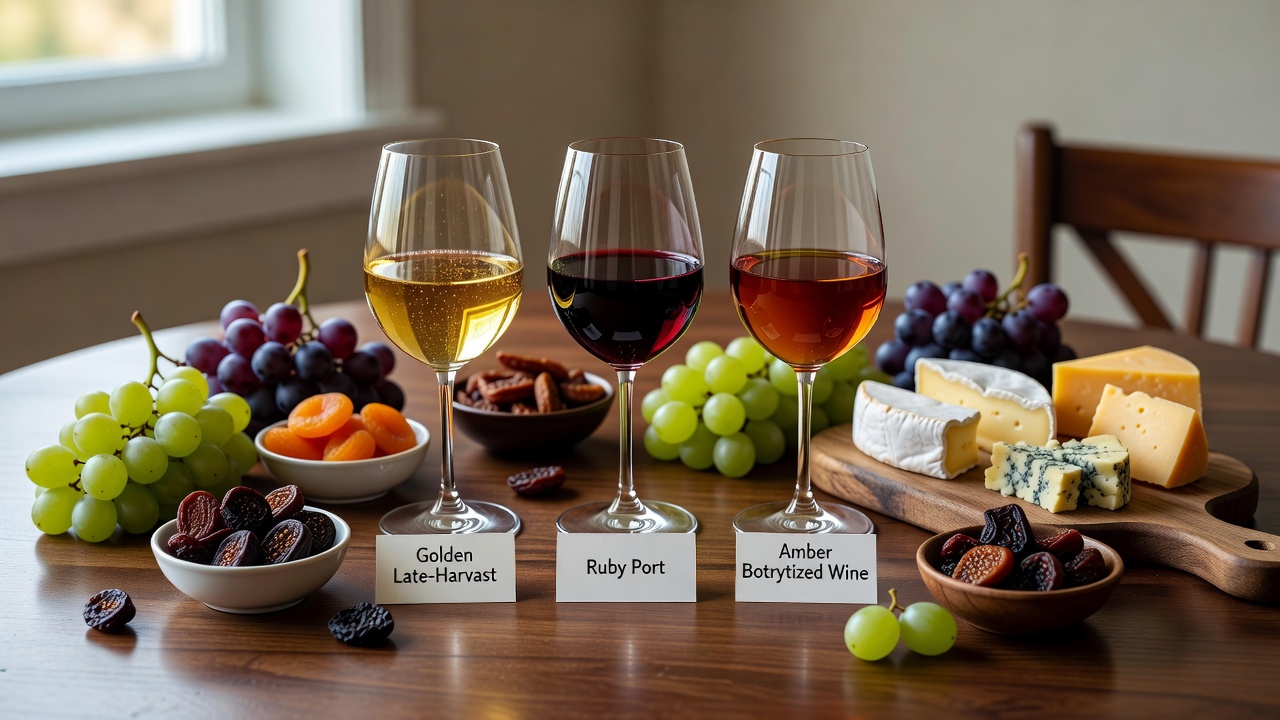
Dessert wines are grouped into three primary categories based on production: late-harvest, fortified, and botrytized. Each method achieves sweetness differently and yields distinct characteristics that beginners can easily learn to identify.
Late-Harvest Wines
Late-harvest wines are produced from grapes left on the vine longer than usual. This extended ripening period allows the fruit to dehydrate slightly, concentrating natural sugars while maintaining acidity. Popular varieties include Riesling, Gewürztraminer, and Chenin Blanc, often sourced from cooler climate regions such as Germany’s Mosel valley or France’s Alsace. Winemakers hand-select only the ripest bunches, press them gently, and ferment at cool temperatures to retain vibrant fruit notes. The result is a wine with medium body and flavors ranging from ripe peach to honeyed apricot. Beginners appreciate these wines because they offer sweetness without overwhelming heaviness.
Fortified Wines
Fortified wines achieve their sweetness and strength when a neutral grape spirit is added during fermentation. This addition halts the conversion of sugar into alcohol, leaving substantial residual sweetness while raising the alcohol content. Classic examples are Portuguese Port and Spanish Sherry. The process creates fuller-bodied wines that can age gracefully for years. Ruby Ports deliver bright red fruit, while tawny versions show nutty, caramel notes from extended barrel aging. Wine Spectator offers helpful overviews of these traditional fortified styles for new enthusiasts.
Botrytized Wines
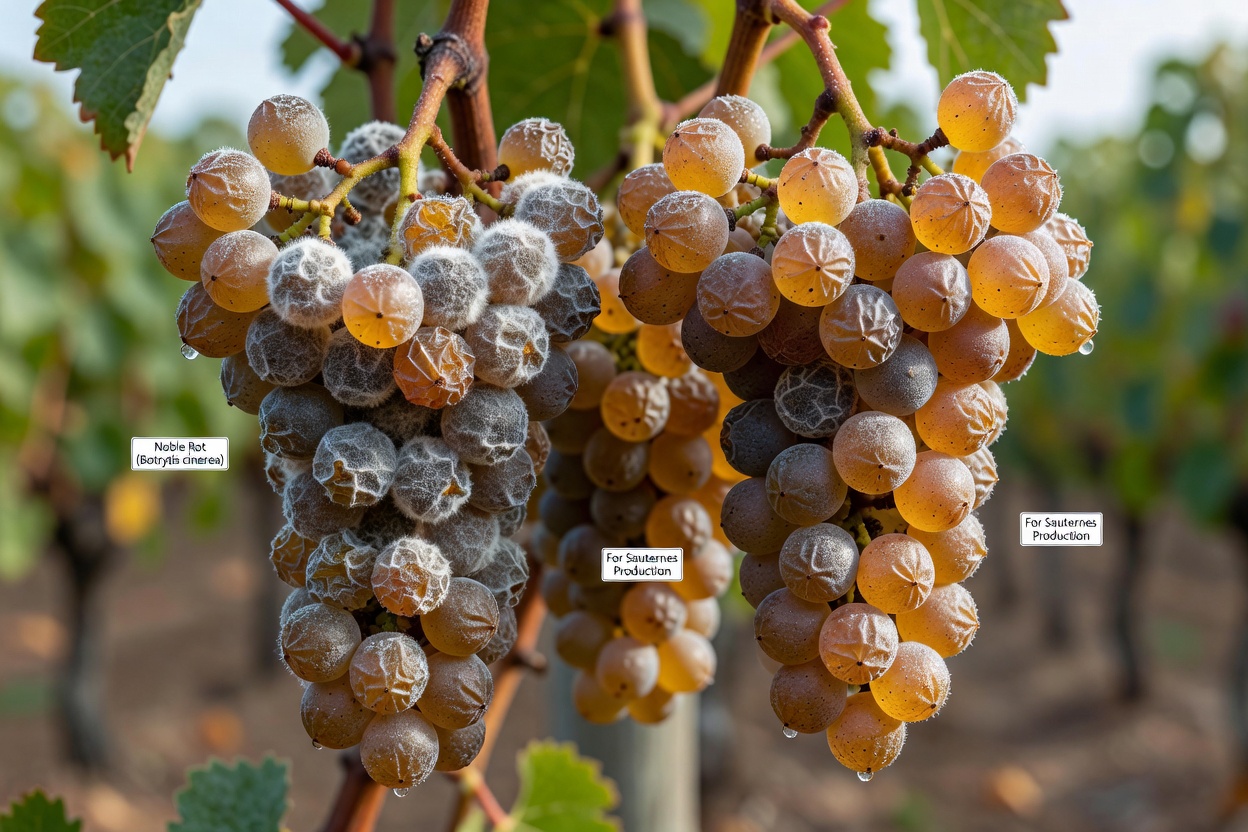
Botrytized wines rely on the noble rot fungus Botrytis cinerea, which punctures grape skins and evaporates water, dramatically increasing sugar concentration. This occurs in specific humid conditions found in regions like Bordeaux’s Sauternes district or Hungary’s Tokaj. The resulting wines exhibit intense flavors of dried apricot, orange marmalade, and saffron alongside lively acidity that prevents cloying sweetness. Production requires patience, as affected grapes are harvested in multiple passes through the vineyard. Decanter maintains detailed resources on noble rot wines and their historic production areas.
Flavor Profiles and Sweetness Levels
Each category delivers unique flavor profiles shaped by grape variety, climate, and winemaking. Late-harvest wines typically feature fresh stone fruit, citrus zest, and floral aromas with medium sweetness that feels refreshing. Fortified wines bring dried fig, raisin, chocolate, and spice notes with higher alcohol that adds warmth. Botrytized wines stand out for their concentrated tropical and honeyed character balanced by bright acidity. Sweetness levels are measured by residual sugar content, usually starting at 20 grams per liter for lighter styles and exceeding 150 grams per liter for the richest examples. Beginners can compare a light late-harvest Riesling against a fuller Port to understand how body and intensity change with production method.
How to Taste Dessert Wines Using Basic Techniques
Tasting dessert wines follows a straightforward sequence that highlights their special qualities. Begin by observing color in a clear glass against a white background. Next, swirl gently to release aromas and note primary scents such as fruit or spice. Take a small sip, let the wine coat your palate, and identify sweetness level, acidity, and mouthfeel. Finally, pay attention to the finish length. Serve at 8–12°C to keep acidity lively. A practical exercise for beginners is side-by-side comparison of two styles using the same dessert, noting how each interacts differently with sweetness and texture.
Selecting Affordable Bottles: Practical Steps
Choosing quality dessert wines on a budget involves focusing on established regions and reputable producers. Start with entry-level late-harvest Rieslings from Germany or Portugal’s basic ruby Ports. Check labels for vintage information and grape details. Visit local wine shops and ask staff for recommendations under moderate price points. Reliable importers often carry approachable options that deliver excellent value. Avoid overly aged or rare bottles until you have tasted several styles. Building a small collection of three to four different bottles allows easy experimentation at home.
Serving Suggestions and Real-World Pairing Examples
Proper serving enhances enjoyment. Use small tulip-shaped glasses to concentrate delicate aromas and pour modest portions of 60–90 ml. Chill bottles slightly before opening. Pairing ideas include matching late-harvest Gewürztraminer with apple tart or poached pears. Fortified tawny Port complements chocolate brownies or aged cheddar. Botrytized Sauternes pairs elegantly with crème brûlée, lemon tart, or even savory blue cheese. These combinations work because the wine’s acidity cuts through richness while its sweetness echoes dessert flavors. Experiment with common household desserts like vanilla ice cream drizzled with caramel to discover personal preferences.
Common Mistakes Beginners Should Avoid
New enthusiasts sometimes over-chill wines, masking aromas, or choose overly sweet mass-market options lacking acidity. Another frequent error is storing bottles on their side like table wines, which can damage corks in fortified styles. Always match serving temperature and glass size to the wine’s intensity. Starting with very expensive or complex bottles can also overwhelm the palate before foundational tasting skills develop.
Conclusion
Dessert wines open an enjoyable chapter in wine exploration for beginners. By understanding production categories, learning simple tasting techniques, and practicing thoughtful pairings, newcomers gain confidence quickly. The styles discussed here offer accessible entry points that reward curiosity and experimentation.
FAQ
- How should I store opened dessert wines? Recork tightly and refrigerate for up to one week for lighter styles or two weeks for fortified wines.
- What glassware is ideal? Small stemmed glasses with a narrow bowl work best to focus aromas without dilution.
- Are all sweet wines considered dessert wines? Not necessarily; some off-dry whites pair better with spicy savory dishes than with sweets.
- Can I age dessert wines at home? Many fortified and botrytized examples improve with several years of proper cellaring, while late-harvest styles are best enjoyed within five years.

No comments yet. Be the first!