 Uncorked Conversations
Introduction to the Rich History of Wine
Wine has been a cornerstone of human culture for thousands of years, evolving from simple fermented beverages to the sophisticated global industry we know today. This Wine 101 guide traces its journey to help beginners build foundational knowledge without feeling overwhelmed. Understanding wine's past reveals why certain grapes and regions remain popular and how history influences today's tasting experiences. For novices, learning about wine origins provides context for flavor profiles, regional differences, and why some bottles command attention at the table. Wine is not just a drink but a living link to ancient civilizations, trade routes, and agricultural innovations that continue to shape what we pour today.
Ancient Winemaking Origins
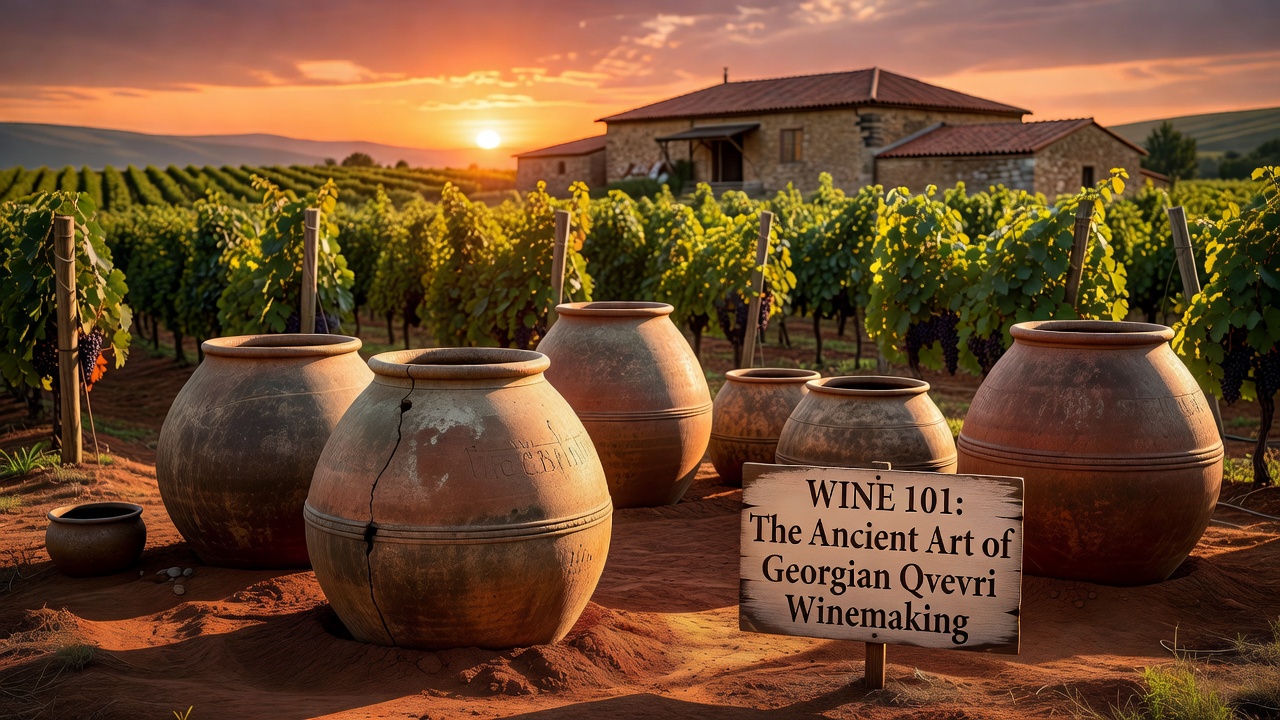
The earliest evidence of winemaking points to the Caucasus region, particularly Georgia, where archaeologists have uncovered qvevri vessels dating back over 8,000 years. These large clay pots allowed for natural fermentation and aging, a technique still used in traditional Georgian production. Egypt also played a pivotal role, with tomb paintings depicting grape harvesting and fermentation as early as 3000 BCE. These ancient practices laid the groundwork for wine as both a daily drink and a ritual element. In Georgia, the process involved burying qvevri underground to maintain stable temperatures, resulting in complex, skin-contact wines that modern natural wine enthusiasts now seek out. Egyptian records show wine was used in religious ceremonies and as a trade commodity along the Nile, with varieties distinguished by color and sweetness. These foundations demonstrate how early societies turned wild grapes into a controlled beverage through observation and experimentation.
Key Milestones: A Simple Timeline
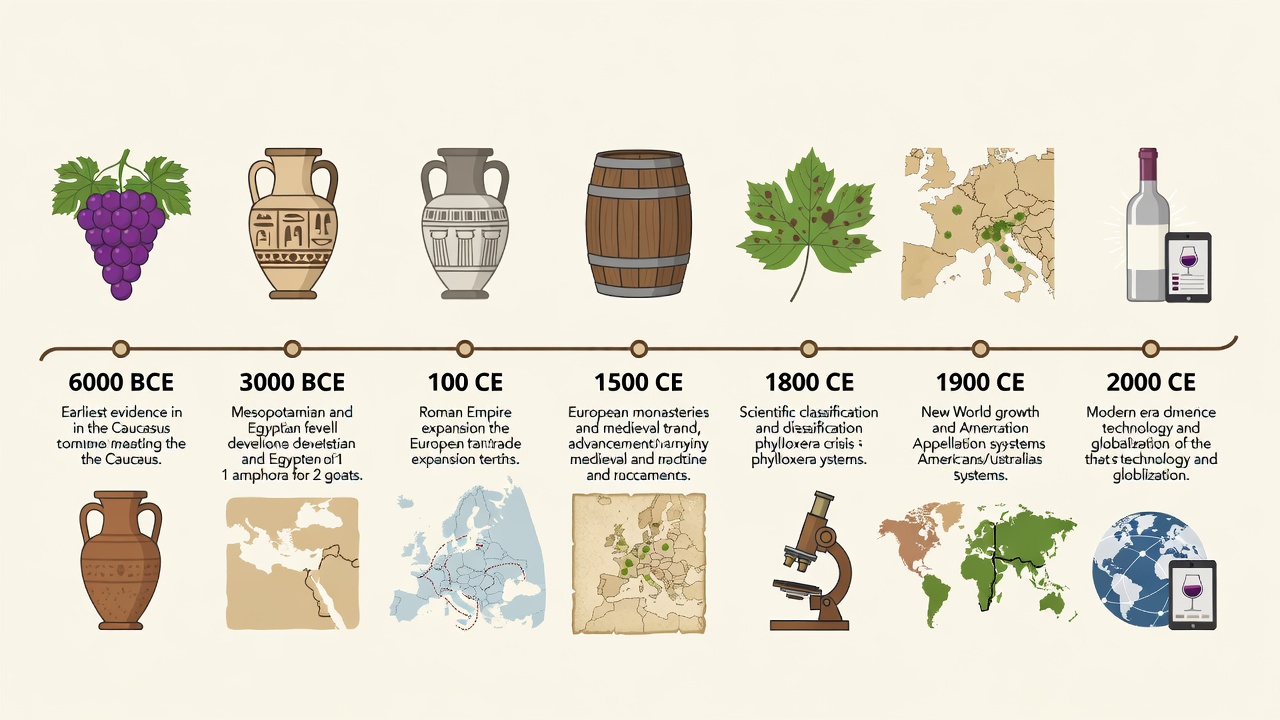
Here's a beginner-friendly timeline of wine's evolution that highlights major turning points:
- 6000 BCE: Earliest winemaking in Georgia using qvevri.
- 3000 BCE: Egyptian production and trade flourish with documented vineyard management.
- 800 BCE: Greek expansion spreads viticulture across the Mediterranean, introducing wine to new cultures.
- 200 BCE–500 CE: Roman Empire refines techniques and establishes vineyards in Europe.
- 500–1500 CE: Medieval monasteries preserve and improve winemaking through careful record-keeping.
- 1500s onward: Global trade introduces wine to the New World, creating new styles.
This timeline shows steady progress driven by migration, conquest, and commerce. Each era added layers of technique that beginners can trace in current bottles.
Roman and Medieval Developments
Romans advanced wine production with better pressing methods and storage in amphorae, spreading vines to France, Germany, and Britain. They developed the concept of vineyard classification and used barrels for transport, innovations that increased quality and reach. In medieval times, monasteries became centers of innovation, experimenting with grape varieties and aging processes that still influence European wines. Monks documented yields, weather impacts, and blending methods, preserving knowledge during turbulent periods. For example, the Cistercian order in Burgundy identified prime vineyard sites that remain legendary today. These developments turned wine from a local staple into a refined product with regional identities.
Global Trade and Modern Wine
Exploration and colonization carried wine culture worldwide. Trade routes brought European grapes to the Americas, Australia, and South Africa, shaping what we call New World wines. Missionaries planted vines in California and Chile, while British colonies established industries in Australia. Today, UNESCO World Heritage sites protect many historic vineyards, recognizing their cultural value. Global trade also introduced new grape varieties and techniques, leading to the diverse selection available to beginners now.
Old World vs New World Styles
Old World wines, from Europe, emphasize tradition, terroir, and subtlety. They often show earthy, mineral notes shaped by centuries of specific growing conditions. New World styles, from places like California or Australia, often feature bolder fruit flavors and modern techniques such as oak aging or stainless steel fermentation. Beginners can compare a French Burgundy with a California Pinot Noir to taste these differences. For instance, an Old World Pinot might display delicate red fruit and earth, while its New World counterpart offers riper cherry and vanilla from oak. Understanding this contrast helps novices choose bottles that match their palate preferences.
Historic Grapes Still Popular Today
Varieties like Cabernet Sauvignon, originating in Bordeaux, and Sangiovese from Italy remain favorites. These grapes carry centuries of heritage while adapting to new regions. Cabernet Sauvignon produces structured, age-worthy wines in its homeland but yields fruitier expressions in Napa Valley. Sangiovese forms the backbone of Chianti and Brunello di Montalcino, offering cherry and herbal notes that reflect Tuscan soils. Other examples include Riesling from Germany and Tempranillo from Spain. Beginners can start with affordable bottles of these varieties to experience living history in each sip.
How History Influences Tasting Today
Knowing wine's past enhances appreciation. Ancient methods like skin contact in Georgia inspire natural wines, while Roman trade explains why certain grapes thrive globally. Cultural significance appears in festivals, literature, and social customs that value wine as more than refreshment. This background makes tasting sessions more engaging, as flavors connect to stories of migration and innovation.
Practical Tips for Beginners to Appreciate Heritage Wines
Start by visiting local wine shops that stock entry-level bottles from historic regions. Focus on regions like Georgia or Tuscany for accessible options. Join community tastings or online courses to learn without high costs. Pair heritage wines with simple foods to highlight their traditional character. Keep notes on what you taste to track how history shapes your preferences over time.
FAQs on Wine History and Modern Enjoyment
How does history affect my tasting experience?
Heritage influences flavor profiles; for example, traditional methods yield earthier notes compared to fruit-forward modern wines. Ancient fermentation techniques can produce more textured wines that reward slow sipping.
What are affordable ways to try historic grapes?
Look for value lines from established producers in Italy or France. Many regions offer introductory bottlings that showcase classic styles without premium pricing.
Why do some wines taste different based on their origin story?
Soil, climate, and winemaking traditions passed down through generations create unique expressions. A wine from an ancient site may carry subtle markers of its long history.
Conclusion
Wine's story from ancient origins to global phenomenon offers endless fascination. Use this foundation to explore further and enjoy heritage wines with new insight. For more on wine regions and history, visit Britannica and The Metropolitan Museum of Art.
No comments yet. Be the first!