 Uncorked Conversations
Introduction to Wine Aging
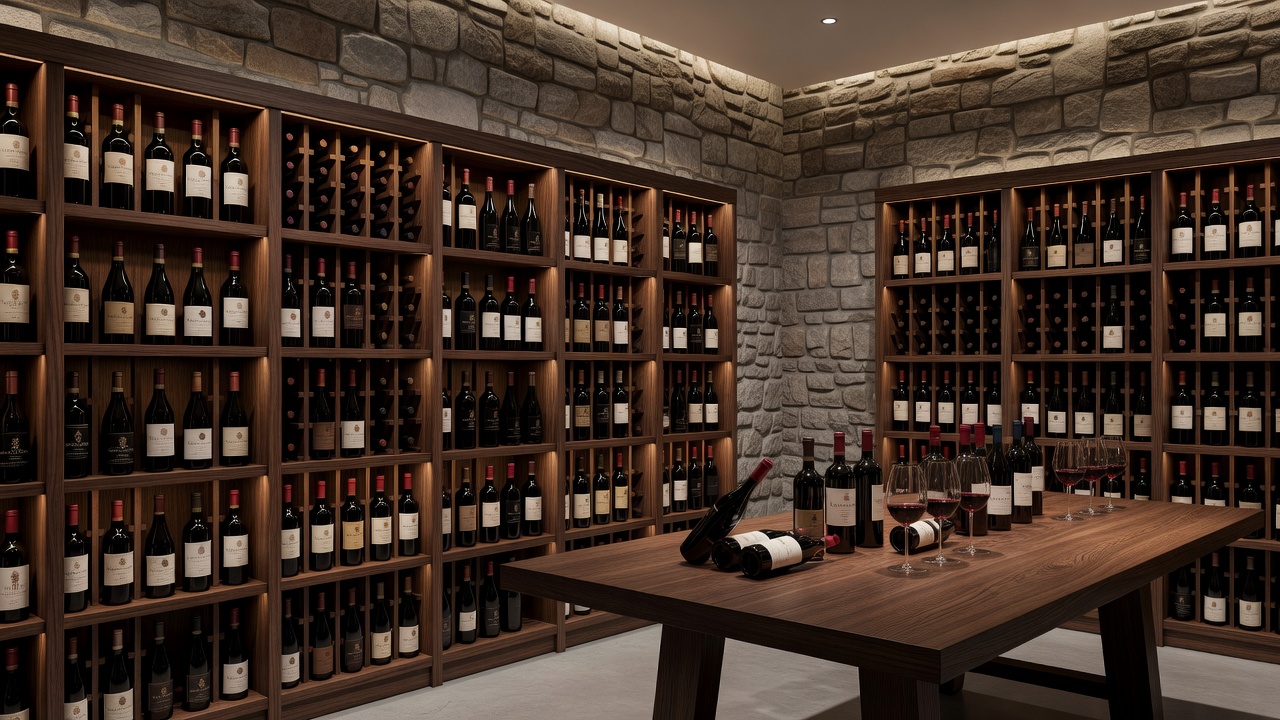
Wine aging is one of the most fascinating aspects of the beverage world, where time can dramatically transform flavors, aromas, and textures. For beginners in 2026, understanding the basics helps separate hype from reality when deciding whether to invest in cellaring or simply enjoy bottles ready to drink. Not every wine improves with age, and knowing the difference prevents disappointment and wasted money. The process involves slow chemical reactions that soften tannins, integrate acidity, and develop complex secondary and tertiary aromas over months or years. While some wines peak after a few years, others can evolve beautifully for decades under ideal conditions. This comprehensive guide covers the essentials to help you make informed choices and build confidence in your selections.
Many newcomers to wine wonder if aging is worth the effort or if they should stick to bottles labeled ready-to-drink. The truth lies in understanding grape varieties, structure, and storage. By exploring these elements, beginners can avoid common pitfalls and appreciate how time enhances certain wines while diminishing others.
Bottle Aging Versus Barrel Aging
Barrel aging occurs before bottling and typically lasts months to a couple of years. Oak barrels allow micro-oxygenation that rounds out tannins and imparts flavors like vanilla, coconut, or spice from the wood. This stage adds texture and complexity but is controlled by the winemaker. Bottle aging, by contrast, happens after the wine is sealed and can continue for many years in the right conditions. It promotes slower, more subtle changes without introducing new oak influence, allowing primary fruit notes to evolve into earthier, more nuanced profiles.
Most commercial wines receive some barrel time, but true long-term potential comes from bottle aging. Beginners should focus on the latter for home cellaring decisions, as it requires patience and proper environment rather than professional equipment. Understanding this distinction clarifies why some wines are released young while others benefit from extended time in glass.
Key Factors That Influence Aging Potential
Several elements determine if a wine will benefit from time in the bottle. Grape variety plays a major role: Cabernet Sauvignon and Nebbiolo often age well due to high tannins and acidity that provide structure for evolution, while Pinot Noir and many whites are more delicate and may lose vibrancy faster. Vintage conditions matter too, as balanced harvests with moderate weather produce wines with better natural acidity and phenolic ripeness for graceful aging.
Storage conditions are critical for success. Consistent cool temperatures around 55°F (13°C), high humidity between 50-70 percent, and minimal light exposure help preserve quality by slowing oxidation. Poor storage accelerates deterioration rather than graceful evolution, leading to flat or off flavors. Other factors include pH levels, residual sugar, and closure type, with screw caps or high-quality corks offering better protection against oxygen ingress over time.
Age-Worthy Wines Versus Drink-Now Options
Age-worthy examples include top Bordeaux blends, Barolo from Piedmont, and vintage Champagne, which can improve for 10–20 years or more when stored correctly. These wines possess the backbone of tannins, acidity, or sugar needed for transformation. Drink-now wines feature lighter styles like Beaujolais, most Sauvignon Blanc, and many rosés that lose vibrancy after 2–3 years and are best enjoyed fresh for their primary fruit character.
Simple timelines for common varietals provide practical guidance: Cabernet Sauvignon from strong vintages often peaks between 5–15 years; Chardonnay with oak influence lasts 3–8 years before losing freshness; Riesling with high acidity can age 5–20+ years developing honeyed notes; and Merlot typically matures in 3–10 years. These ranges vary by producer and vintage, so checking specific recommendations helps refine decisions.
Young Versus Mature Tasting Notes Comparison
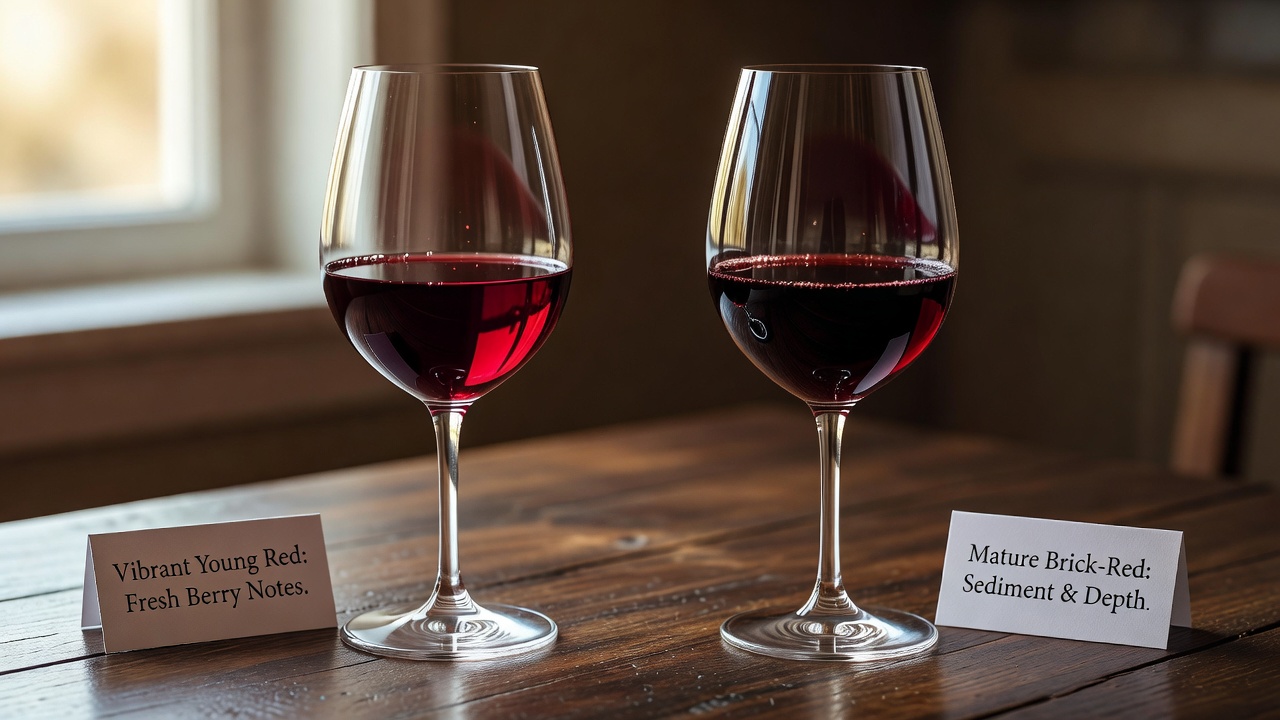
Young wines often display primary fruit aromas such as bright cherry, blackberry, or citrus, along with vibrant acidity and firmer tannins that create a structured mouthfeel. These characteristics make them appealing for immediate consumption but can feel assertive. Mature examples shift toward secondary and tertiary notes like leather, tobacco, earth, dried fruit, nuts, and sometimes mushroom or forest floor, with softer texture, integrated acidity, and more harmonious flavors. The transition creates depth and complexity but can diminish the fresh fruit character that some drinkers prefer, highlighting why personal taste guides aging choices.
Should Beginners Invest in Aging Wine?
Most beginners benefit more from buying ready-to-drink bottles rather than building a large cellar. Aging requires dedicated space, consistent monitoring, and knowledge of storage variables that may not suit small living situations. However, starting with a few bottles of proven age-worthy wines allows tracking development without significant risk. Resources like Decanter provide vintage charts and expert guidance to inform purchases. Focus remains on enjoyment over speculation, since the majority of wines available today are crafted for near-term consumption and deliver optimal pleasure without waiting.
Practical Steps for Deciding to Cellar a Wine
- Review the producer’s recommendations on the label, website, or technical sheets for suggested drinking windows.
- Evaluate your storage setup for consistent temperature, darkness, and humidity control before committing multiple bottles.
- Purchase several bottles of the same wine to taste at different intervals, such as every two years, to observe changes firsthand.
- Maintain detailed records including purchase dates, vintage details, and personal tasting notes to build a reference library.
- Begin with mid-priced bottles from reputable regions to gain experience without high financial commitment.
- Consider mixed cases from trusted retailers to diversify exposure to both age-worthy and immediate-drinking styles.
Common Mistakes Beginners Should Avoid
One frequent error is storing wine in fluctuating environments like kitchens or near windows, which speeds up spoilage. Another is assuming all red wines improve with age, when many are optimized for youthful enjoyment. Overlooking humidity can dry out corks leading to leaks, and neglecting to track vintages results in missing peak drinking periods. Starting with expensive bottles before understanding personal preferences often leads to regret if the wine does not evolve as hoped.
Storage Tips for Small Spaces and Apartments
Even limited spaces can support basic cellaring with creative solutions. A cool, dark closet away from heat sources works well when combined with a small wine refrigerator for temperature stability. Under-bed storage racks or dedicated coolers designed for apartments maintain conditions without requiring a full cellar. Monitor with inexpensive digital hygrometers and avoid vibrations from appliances. These approaches allow experimentation with aging on a modest scale while prioritizing convenience.
Short FAQ Section
Does all wine improve with age?
No. The vast majority of wines are made to drink within a few years of release. Only structured wines with sufficient acidity, tannins, or sugar content gain from extended aging, while others lose appeal quickly.
What are the best storage tips for small spaces?
Use a cool, dark closet or under-bed area paired with a compact wine fridge for temperature control. Keep bottles horizontal, avoid light and heat, and check conditions regularly to prevent issues.
Can you age wine in an apartment?
Yes, with proper tools like a small wine refrigerator that ensures consistency. Focus on reliable temperature and minimal disturbance rather than perfect traditional cellar conditions.
How long should beginners wait before tasting aged bottles?
Start evaluations after 3–5 years for most entry-level age-worthy wines, then taste additional bottles every 2 years to chart progression and identify personal peak preferences.
Conclusion
Wine aging rewards curiosity and patience when approached thoughtfully. By focusing on fundamentals like variety selection, storage, and realistic expectations, beginners can enhance their enjoyment without unnecessary complexity. Whether choosing to cellar a select few bottles or opting for ready-to-drink options, the key is informed decisions that align with taste and lifestyle. Explore further through trusted sources such as Wine Enthusiast for ongoing education and inspiration.
No comments yet. Be the first!