 Uncorked Conversations
Introduction to Mood-Based Wine Selection
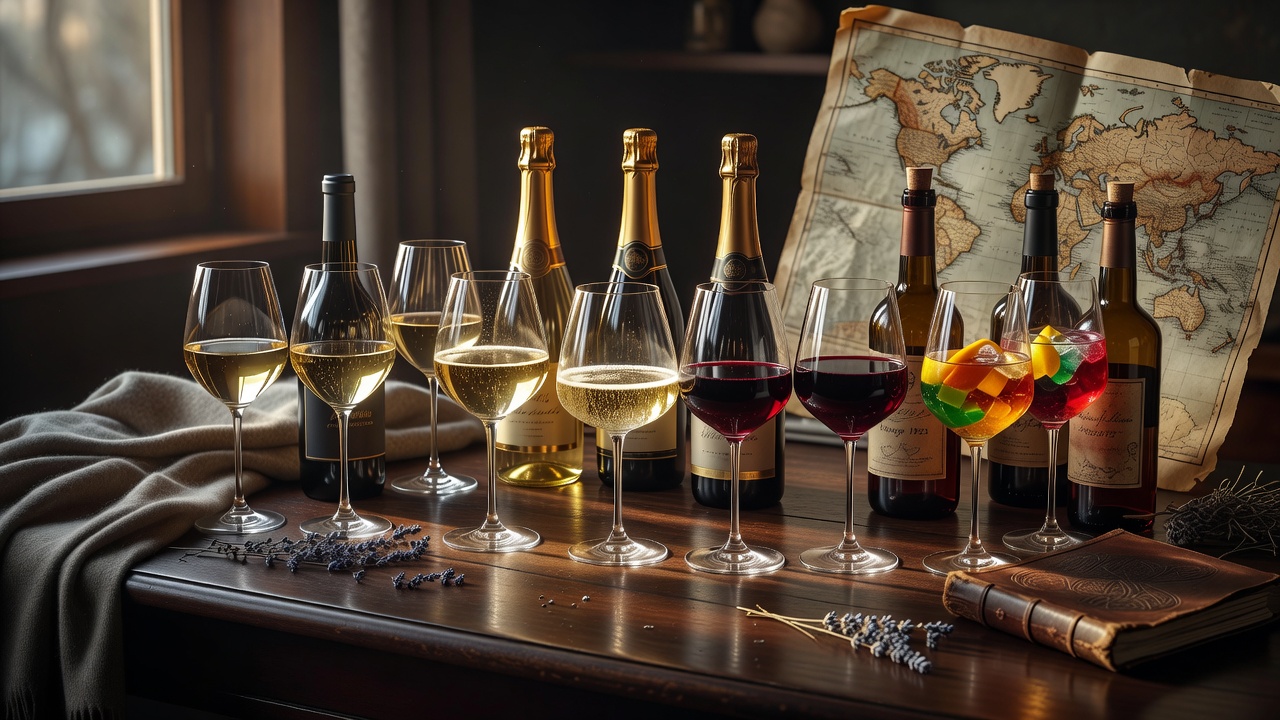
Choosing wine based on your current emotional state transforms a simple drink into a personalized experience. This approach helps beginners move beyond basic types or regions to discover wines that enhance relaxation, joy, or curiosity. By focusing on mood, you create more memorable pairings that align with how you feel. Wine selection by mood encourages mindfulness and can turn ordinary evenings into intentional rituals. Many newcomers start with generic recommendations but soon realize that emotional context makes the difference between an average glass and one that feels just right. Understanding elements like aroma, which captures the wine's bouquet of scents, and body, which describes its mouthfeel from light to full, allows for better matching. This guide provides depth for true beginners aiming for enjoyable experiences in 2026.
Over the following sections, we explore practical assessment steps, detailed mood categories with specific wine suggestions, tasting methods, comparisons, and tips to avoid common pitfalls. The result is a complete framework that supports repeated use and growing confidence.
Step-by-Step Mood Assessment for Wine Choices
Follow these expanded steps to select the right wine for your mood. First, pause for self-reflection on your emotional state. Ask whether you need calm after stress, uplift for a social event, or stimulation for exploration. Second, factor in the physical setting, such as a quiet home environment versus a lively dinner party. Third, evaluate intensity by considering whether a delicate wine with subtle notes suits a mellow feeling or if a robust option fits higher energy. Fourth, start with small pours or half bottles to test without commitment. Fifth, note your reactions after the first sip and adjust future selections accordingly. This repeatable process builds personal intuition and prevents mismatched choices that can discourage beginners.
Examples illustrate the method. After a demanding workday, a person might identify a need for soothing qualities and select a wine with soft tannins. During a milestone celebration, the assessment points toward vibrant acidity that sparks conversation. Over time, these steps become second nature and improve overall wine appreciation.
Mood Categories and Wine Recommendations
Relaxing Evenings
For unwinding after a long day, choose soft, low-tannin reds or crisp whites with gentle fruit notes. Pinot Noir delivers earthy undertones paired with cherry aromas that foster tranquility without heaviness. A well-chosen Chardonnay with restrained oak adds creamy texture that feels comforting. Consider also a light Gamay for its fresh berry character that refreshes quietly. These selections emphasize approachability and lower alcohol levels to support restful moods.
Celebrations
Bubbly wines like Prosecco or Cava provide effervescence that matches festive energy. Their bright acidity and green apple flavors elevate group dynamics and encourage shared moments. Rosé offers versatility with strawberry notes that suit both intimate toasts and larger gatherings. Sparkling options work especially well with light appetizers, creating a balanced and joyful atmosphere.
Adventurous Tastings
When curiosity arises, explore varieties such as Grüner Veltliner with its peppery herbal edge or Tempranillo delivering structured spice. These wines introduce new flavor dimensions that reward attentive tasting and encourage learning. Additional choices include Albariño for saline minerality or Malbec for plush dark fruit that surprises the palate. Experimentation in this category often leads to discovering personal favorites beyond mainstream selections.
Explore more wine education resources at Wine Magazine for additional variety insights.
How to Taste Wine: Focus on Aroma and Body
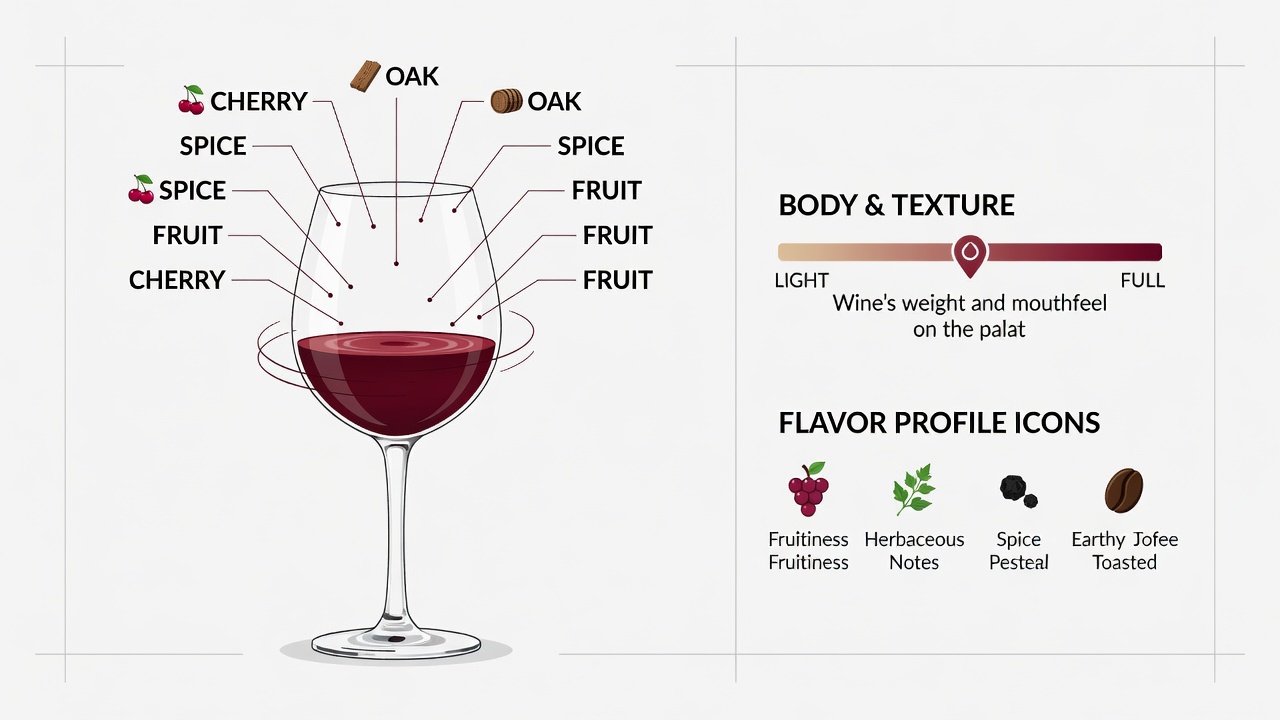
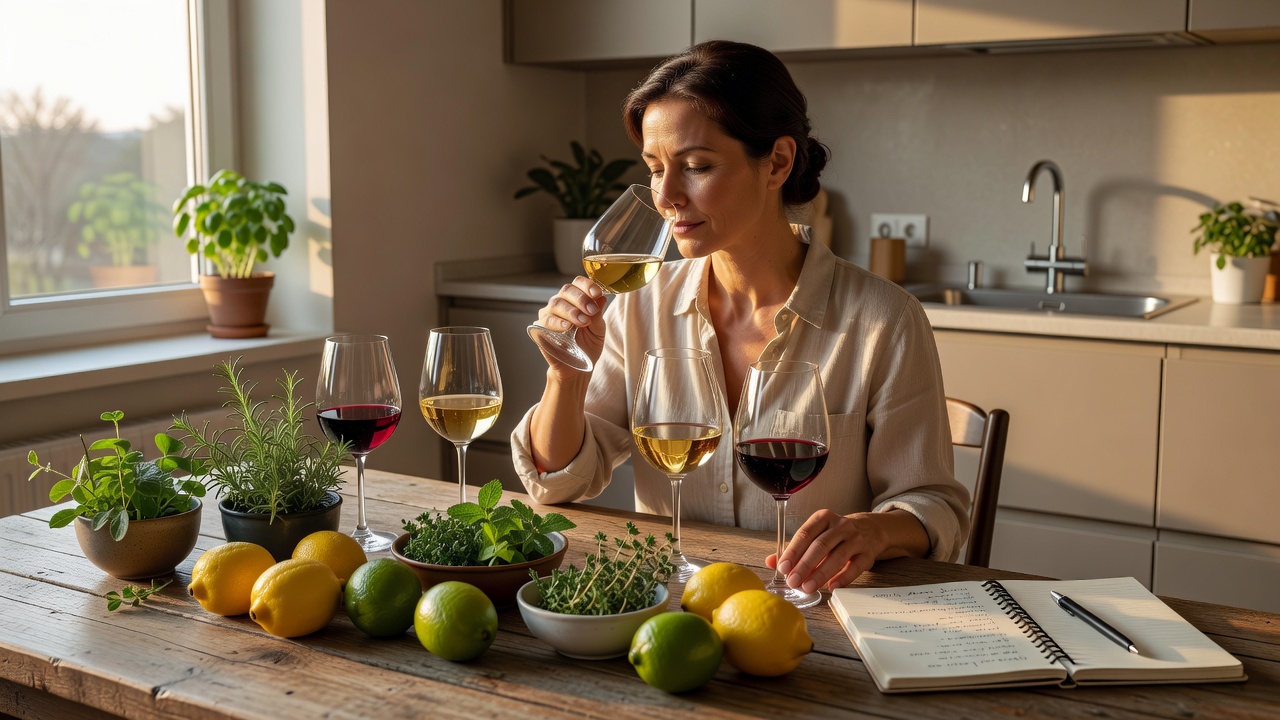
Begin the tasting process by holding the glass at a slight angle and swirling gently to release aromas. Inhale slowly through the nose to detect layers such as ripe berries, fresh herbs, vanilla, or citrus zest. Next, take a modest sip and let the liquid move across the tongue to evaluate body. Light-bodied wines feel delicate and watery, medium options provide balanced weight, and full-bodied wines coat the mouth with richness. Repeat the sequence several times, noting how aroma and body interact with your current mood. Practice sessions with two or three wines side by side sharpen these skills quickly. Over weeks, beginners develop vocabulary to describe sensations accurately and refine future mood matches.
Red Versus White Wine Comparisons
Reds generally feature higher tannins and darker fruit profiles, making them suitable for reflective or energetic moods where depth is desired. A Cabernet Sauvignon offers firm structure and blackcurrant notes that can anchor contemplative evenings. Whites deliver higher acidity and brighter fruit, aligning well with relaxed or exploratory states. Sauvignon Blanc provides zesty lime and grass aromas that refresh without fatigue. Direct comparison reveals that reds often pair with heartier foods while whites complement lighter dishes. Testing both styles in similar moods highlights personal preferences and expands options for every occasion.
Quick Reference Chart
- Relaxed mood: Pinot Noir, Sauvignon Blanc, or light Gamay
- Celebratory mood: Prosecco, Cava, or dry Rosé
- Adventurous mood: Grüner Veltliner, Tempranillo, or Albariño
- Body match: Light body for calm settings, full body for lively moments
- Aroma focus: Fruity notes for uplifting moods, earthy tones for grounding
Common Mistakes to Avoid
Beginners frequently overlook proper serving temperatures, which can mute aromas in whites or exaggerate tannins in reds. Another error involves ignoring food pairings that either clash or enhance the wine. Serving too much at once leads to palate fatigue, while neglecting storage conditions shortens wine life. Addressing these issues through simple habits such as using a basic thermometer or keeping bottles away from heat sources improves consistency and satisfaction.
Practical Tips for Building a Mood-Based Collection
Start with versatile bottles that cover multiple moods rather than specializing too early. Keep a small notebook or digital log of what worked for each emotional state. Visit local shops with knowledgeable staff who can suggest alternatives based on described preferences. Over time, this approach creates a personalized library that supports both daily routines and special events.
Conclusion
Mood-based wine selection elevates everyday moments into tailored experiences. With practice using the steps, categories, and comparisons above, beginners gain lasting confidence and greater enjoyment from each glass.
FAQ
What budget-friendly options work for mood matching?
Focus on widely available varieties from established regions rather than chasing specific vintages or rare labels. Many entry-level bottles from familiar producers deliver excellent results for daily use.
How should beginners store wine?
Keep bottles in a cool, dark place away from temperature fluctuations and vibrations for optimal quality preservation over months or years.
Learn storage best practices from Decanter experts.
Can sparkling wines suit relaxing moods too?
Yes, drier styles with lower dosage can provide gentle refreshment without excessive liveliness when the setting calls for calm celebration.
What if a recommended wine feels too intense?
Try decanting for thirty minutes or pairing with mild cheese to soften edges and better align with the intended mood.
Review additional beginner resources at Wine Enthusiast.
No comments yet. Be the first!