 Uncorked Conversations
Introduction to Building Wine Tasting Skills
Becoming a better wine taster does not require expensive courses or rare bottles. Instead, it comes from consistent daily habits rooted in Wine 101 principles. Beginners can develop a sharper palate through mindful routines that fit into everyday life. This guide explores actionable steps like morning aroma exercises, meal pairings, and simple tracking methods to help new enthusiasts improve steadily in 2026. Many beginners start with enthusiasm but lose momentum due to lack of structure. By focusing on small, repeatable actions, you can train your senses without feeling overwhelmed. Real-world examples show that enthusiasts who log notes after dinner or sniff spices each morning see noticeable progress within weeks. For instance, one new taster in California began identifying citrus notes in Sauvignon Blanc after just ten days of daily practice, transforming her approach to restaurant wine lists.
The journey starts with understanding that palate development is a skill like any other, built through repetition and reflection. Wine 101 teaches that tasting involves all five senses, and daily integration prevents the common trap of treating wine as a one-off event rather than an ongoing education. This comprehensive approach ensures that even busy professionals can weave learning into breakfast, lunch, and dinner without disruption.
Mastering the Fundamentals of Wine 101
Wine 101 emphasizes observation of color, aroma, taste, and finish. Start by understanding the basic tasting sequence: look, swirl, sniff, sip, and savor. Practicing this sequence daily builds muscle memory. Compare two similar wines side by side to spot differences in acidity or fruit notes. This foundational approach prevents common errors like rushing through the sip without reflection. Take time to examine the wine's legs after swirling, which can indicate alcohol content and body. Beginners often overlook how lighting affects color perception, so always taste near a window during daylight hours when possible.
Morning Aroma Training for Sensory Awareness
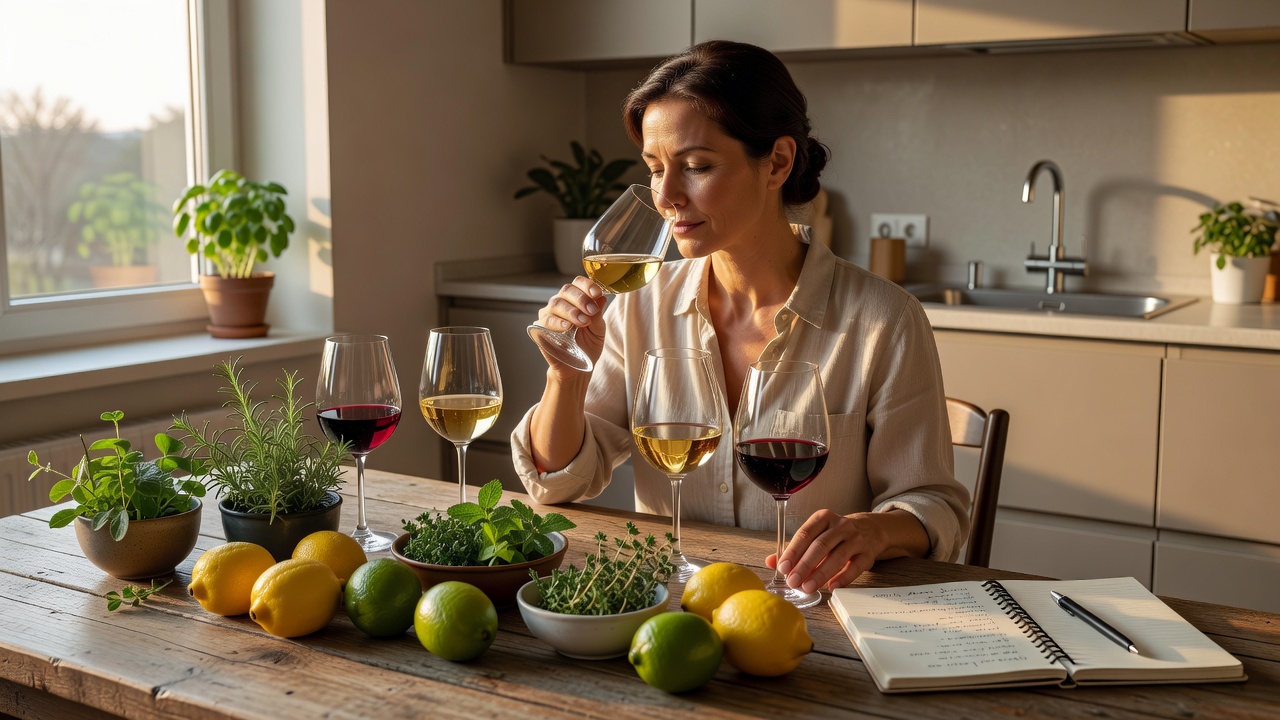
Begin each day with a five-minute aroma session. Gather household items such as coffee beans, citrus peels, herbs, and berries. Close your eyes and identify each scent before associating it with common wine descriptors like blackberry or vanilla. Over time, this sharpens your ability to detect subtle notes in actual wines. Enthusiasts report that consistent practice helps them recognize oak or floral elements faster during evening tastings. Expand this exercise by rotating items weekly, introducing new scents like vanilla extract or fresh mint to mimic barrel aging or herbal varietals. One enthusiast in New York kept a dedicated aroma kit in her kitchen and noted improved recall after pairing these sessions with a quick journal entry describing each smell's intensity.
Mindful Sipping During Meals
Incorporate wine into regular dinners mindfully rather than casually. Choose a single glass and focus on how it interacts with each bite. Notice how tannins soften with fatty foods or how acidity cuts through spice. This habit turns ordinary meals into learning opportunities and improves pairing intuition naturally. For example, try a light Pinot Noir with roasted salmon one evening and observe the contrast with a heavier Cabernet the next. Document whether the wine's finish lingers longer with certain proteins, building a personal database of successful combinations over months.
Note-Taking Routines and Progress Tracking
Keep a simple journal or use free apps to record impressions after each tasting. Note color, primary aromas, palate sensations, and overall balance. Review entries weekly to spot patterns, such as consistent under-detection of acidity. 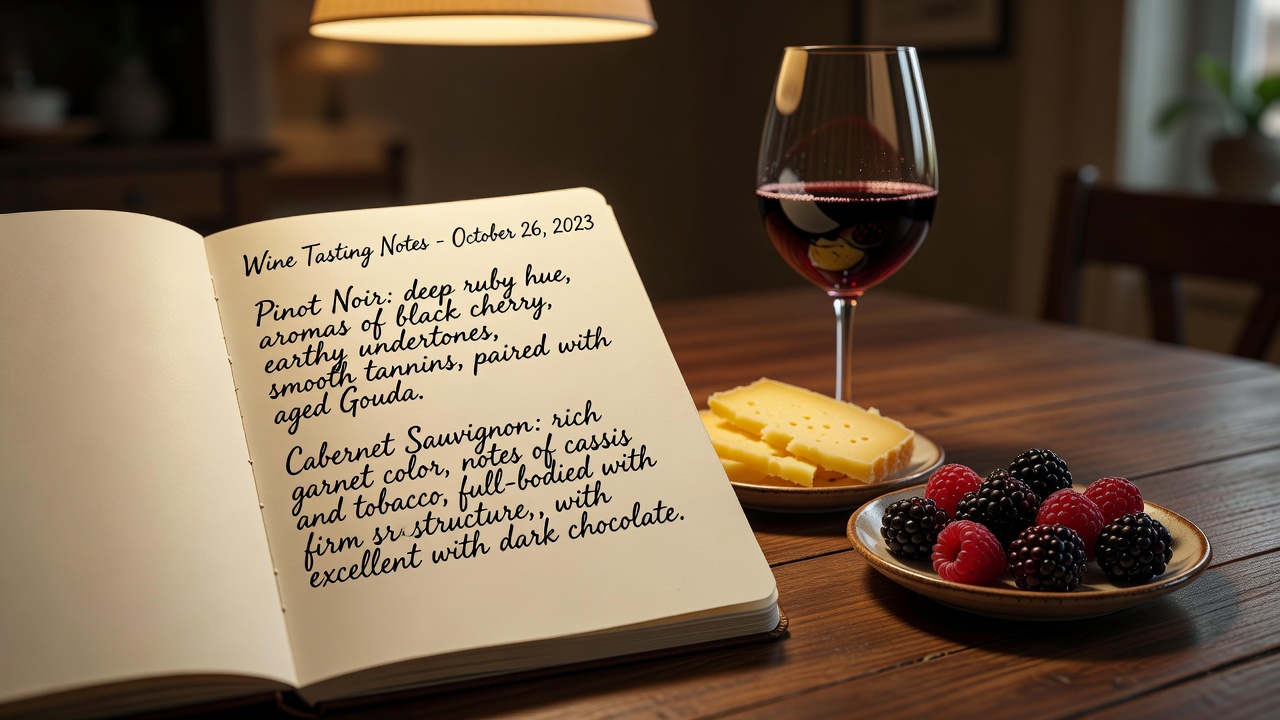
Comparisons of habit trackers reveal that digital options like basic spreadsheet templates or dedicated wine logging apps offer reminders without complexity, while paper notebooks provide tactile satisfaction for some users. A beginner in Texas started with a paper notebook but switched to a free app after two weeks because it allowed easy photo uploads of labels. Real-world examples include enthusiasts who track variables like serving temperature and time of day, revealing that cooler rooms enhance aroma detection. This level of detail turns raw notes into actionable insights for future sessions.
Pairing Experiments with Common Foods
Test wines against everyday items like cheese, grilled chicken, or chocolate. Document reactions to discover personal preferences. For instance, a crisp white might elevate tomato-based dishes while a bold red complements grilled meats. These low-stakes experiments reinforce Wine 101 concepts through repetition. Extend experiments to breakfast pairings, such as sparkling wine with yogurt and fruit, to explore how bubbles interact with acidity in food. Another practical example involves testing the same wine with and without a simple seasoning like black pepper to see how it alters perceived sweetness.
Sensory Awareness Exercises Beyond Basic Tasting
Incorporate targeted drills such as blind sniffing of spice jars or identifying fruit purees with eyes closed. These exercises build neural pathways for faster recognition during formal tastings. Practice describing flavors using a structured vocabulary list from Wine 101 resources, starting with broad categories like fruit, earth, and spice before narrowing to specifics like raspberry jam or wet stone. Over four weeks, enthusiasts typically report a 30 percent improvement in descriptor accuracy based on self-assessments.
Avoiding Common Pitfalls for Beginners
- Skipping the swirl step, which releases aromas, leading to missed olfactory clues.
- Overloading the palate with too many wines at once, which dulls sensitivity after the third sample.
- Ignoring food interactions that alter perception, such as how salt enhances fruitiness.
- Neglecting consistency in favor of occasional intense sessions, resulting in slower skill retention.
- Failing to account for external factors like strong kitchen odors that interfere with aroma detection.
Addressing these early prevents frustration and accelerates improvement. Keep a checklist handy during the first month to reinforce good habits.
Using Free Apps for Logging in 2026
Modern beginners benefit from accessible technology. Free apps allow quick entry of tasting notes and generate simple reports on progress. They integrate reminders for daily aroma practice without requiring subscriptions. Choose tools that prioritize ease over advanced features to maintain focus on sensory development. Search app stores for options with community sharing turned off initially to avoid comparison stress, focusing instead on personal growth metrics like number of unique descriptors used.
Weekly Review and Adjustment Strategies
Set aside time each weekend to analyze your notes. Identify strengths, such as strong aroma recall, and areas needing work, like finish evaluation. Adjust the next week's habits accordingly, perhaps adding one new food pairing. This reflective loop ensures steady growth. For deeper insight, compare your notes against professional tasting sheets available on authoritative sites to calibrate your scale of intensity ratings.
FAQ: Overcoming Consistency Challenges
How do I stay motivated when progress feels slow?
Track small wins, such as correctly identifying one new aroma each week. Celebrate milestones with a favorite bottle shared with friends who can provide feedback.
What if daily habits feel time-consuming?
Start with just three minutes of aroma training and one mindful sip per meal. Build duration gradually as the routine becomes automatic.
Can I practice without drinking alcohol every day?
Yes, focus on non-alcoholic aroma kits or food pairings on off days to maintain sensory training and avoid palate fatigue.
How do I handle inconsistent schedules like travel?
Carry portable aroma samples in small vials and use hotel room downtime for quick note reviews on your phone app.
Conclusion
Developing wine tasting expertise relies on sustainable daily habits rather than sporadic efforts. By integrating Wine 101 techniques into routines like morning training and meal pairings, beginners create lasting skills. Use free tools for tracking and review progress regularly to stay on course. With patience, these practices transform casual drinkers into confident tasters ready for deeper exploration. For more foundational resources, visit Wine Folly and Decanter.
No comments yet. Be the first!