 Uncorked Conversations
Introduction to Wine Subscription Boxes for Beginners
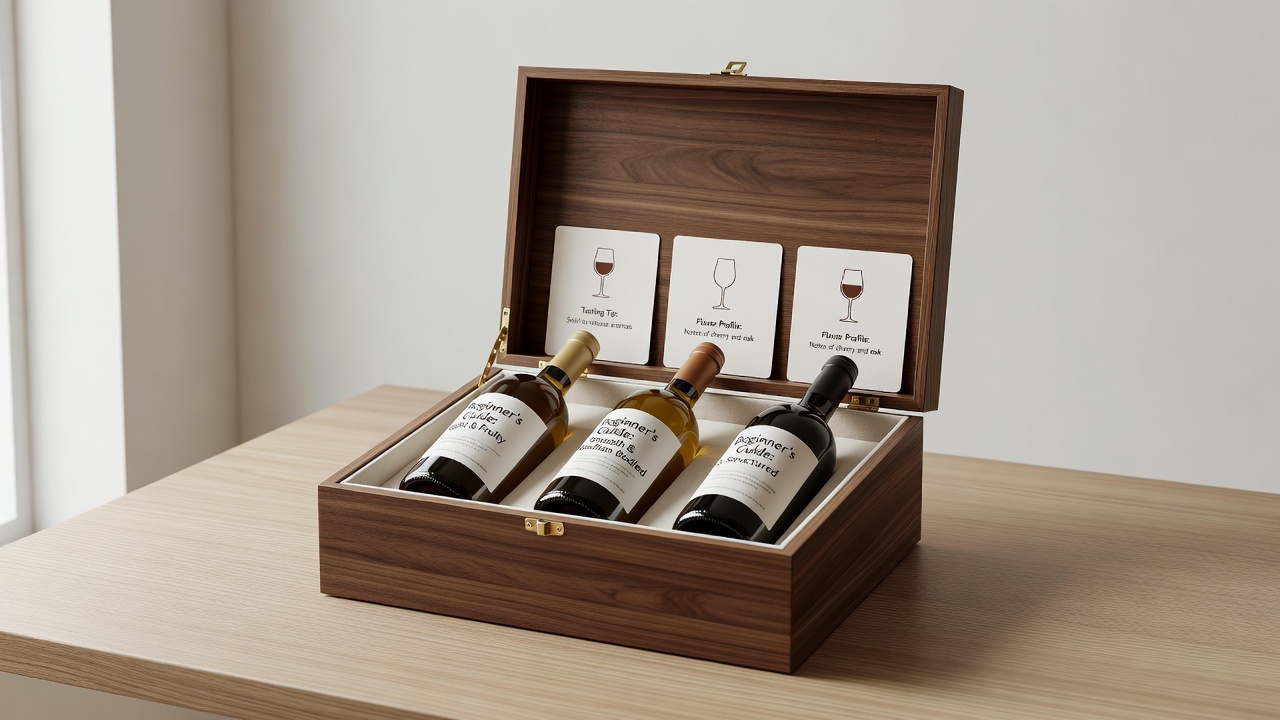
Exploring wine can feel overwhelming with countless bottles lining store shelves. Wine subscription boxes offer a convenient way for beginners to discover new varietals, regions, and styles without needing to visit a store. These services curate selections based on preferences, deliver them regularly, and often include educational materials like tasting notes. In 2026, they continue to grow in popularity as an accessible entry point into the world of wine. Many newcomers appreciate the guided experience that helps them build a personal collection while learning about flavor profiles, origins, and serving suggestions along the way.
Whether you prefer reds, whites, or sparkling options, these boxes help build confidence in tasting and pairing. This guide covers how the services operate in detail, top recommendations with comparisons, and practical advice to choose the right one based on individual needs. By the end, you will have clear steps to start your wine journey effectively.
How Wine Subscription Services Operate
Most wine subscription boxes function through a simple yet thoughtful process. Users complete a profile detailing taste preferences, such as sweet or dry wines, favorite regions, or dietary considerations like organic or low-sulfite options. Curators then select bottles accordingly, often drawing from a network of small producers and established vineyards. Delivery schedules typically range from monthly to quarterly, with options for customization like skipping a month or adjusting quantities based on household size.
Curation methods vary widely across providers. Some rely on expert sommeliers who hand-select each bottle after considering seasonal availability and emerging trends. Others use algorithms combined with member feedback to refine future shipments. Educational elements often accompany shipments, including detailed tasting notes, food pairing ideas, and even short videos explaining the winemaking process. This approach removes much of the guesswork and introduces beginners to quality producers they might not encounter in local shops.
Customization plays a central role for many users. You can often indicate preferences for acidity levels, body weight, or specific grapes like Pinot Noir or Chardonnay. Some services allow you to pause deliveries during travel or request repeats of favorites. Understanding these mechanics ensures the subscription aligns with your lifestyle rather than becoming another chore.
Top 2026 Recommendations for Beginners
Several established services stand out for newcomers due to their user-friendly interfaces and approachable selections. Options range from budget-friendly introductory tiers to more premium experiences focused on discovery. Look for services emphasizing education alongside the wines themselves, as this supports long-term learning and enjoyment.
Popular choices include those specializing in mixed cases or single-varietal focus. Mixed boxes often feature one red, one white, and sometimes a rosé or sparkling selection to encourage broad tasting. Single-varietal boxes appeal to those wanting to master a particular grape across different regions and vintages. Always review recent member feedback to ensure ongoing quality and reliability in 2026, as service standards can shift with new ownership or sourcing changes.
Wine Magazine provides ongoing insights into emerging trends that influence many subscription selections. Another helpful resource is Decanter, which offers expert commentary on regions frequently featured in beginner boxes.
Tasting Notes Examples and Educational Value
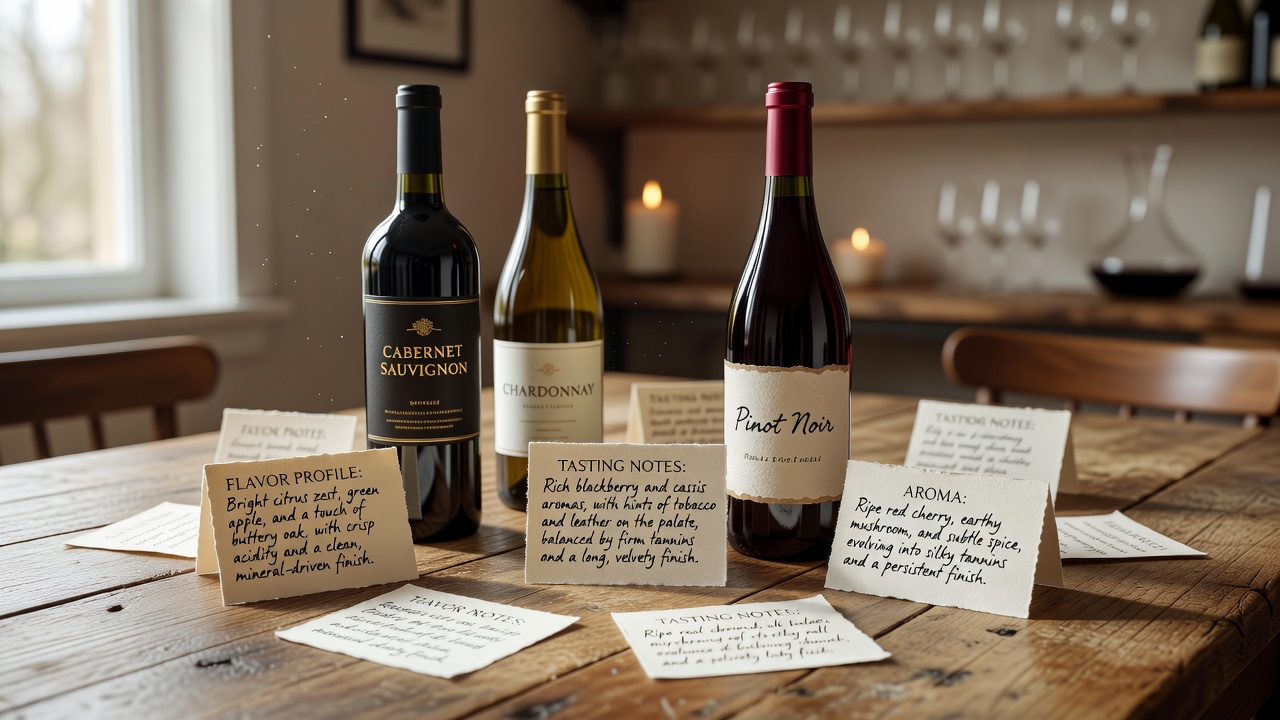
A key benefit is the included tasting notes. For instance, a typical note might describe a Cabernet Sauvignon as having aromas of black cherry and vanilla with a medium body and firm tannins. Another example could highlight a Sauvignon Blanc with notes of grapefruit and fresh herbs, suggesting it pairs well with light salads or seafood dishes. These descriptions help beginners articulate what they enjoy and identify similar bottles in the future.
Services often highlight food pairings, such as matching a crisp Sauvignon Blanc with goat cheese or grilled seafood. This educational layer transforms each delivery into a learning opportunity rather than just a transaction. Over time, subscribers develop a personal tasting vocabulary that enhances restaurant visits and store purchases alike.
Practical Steps for Selecting a Box
Start by assessing your budget and taste preferences in a structured way. Consider how often you want deliveries and whether you prefer reds, whites, or a mix. Read cancellation policies upfront to avoid surprises. Test a service with a short commitment period before committing long-term.
- Identify your flavor profile: bold tannins or light and fruity? Consider past wines you enjoyed at gatherings or restaurants.
- Compare delivery frequency and customization flexibility to match your schedule and storage space.
- Check for shipping restrictions in your area, as some states limit direct-to-consumer wine deliveries.
- Review sample tasting notes to match your learning goals and see if the style of education resonates.
- Look at the range of regions covered to ensure variety rather than repetition of the same areas.
Pros and Cons of Popular Services
Advantages include curated discovery, convenience, and built-in education. Many services allow easy swaps or skips, making them flexible for varying schedules and life events. The surprise element can lead to pleasant discoveries that expand your palate beyond familiar choices.
However, drawbacks can include limited control over exact bottles and potential shipping considerations in certain regions. Some beginners appreciate the surprise element, while others prefer more predictable selections. Weigh these factors against your personal wine journey and tolerance for experimentation.
Common Mistakes to Avoid
One frequent mistake is signing up without fully reading the terms around customization and returns. Another is choosing a box solely based on marketing without checking recent reviews for consistency. Beginners sometimes overlook how storage conditions at home affect the wines once delivered, so plan for a cool, dark space. Finally, avoid committing to long annual plans before trying a single month to confirm the curation style suits your tastes.
Conclusion
Wine subscription boxes provide an excellent starting point for beginners seeking variety and knowledge in 2026. By understanding how they work and evaluating options carefully, you can find a service that enhances your appreciation of wine without added hassle. Start small, stay curious, and enjoy the process of discovery.
FAQ
How does shipping work with wine subscriptions?
Most services partner with carriers experienced in temperature-controlled transport. Deliveries arrive at your door, though some states have restrictions on direct wine shipments that may require adult signature confirmation.
Can I return wines I do not like?
Return policies vary, but many focus on satisfaction guarantees rather than full refunds. Contact customer service promptly if issues arise with damaged bottles or incorrect selections.
Is a subscription good value for money?
Value depends on the quality of curation and your usage. Many find the convenience and education offset costs compared to individual store purchases over time.
What if my preferences change after a few months?
Most platforms allow profile updates at any time, so your future boxes can reflect new interests like exploring natural wines or specific countries.
Are there options for non-alcoholic alternatives?
A growing number of services now include low-alcohol or alcohol-free selections for those who want the experience without the alcohol content.

No comments yet. Be the first!